
Are you tired of your stunning Japanese maple looking underwhelming due to pests, diseases, or lackluster growth? Companion planting can be just the solution you need. By strategically pairing certain plants with your Japanese maple, you can boost its beauty and health in no time. Not only will these beneficial companions repel unwanted insects, but they’ll also improve soil quality and create a thriving ecosystem that supports your prized tree’s every need.
In this article, we’ll delve into the world of companion planting for Japanese maples, exploring the benefits and examples you can apply to your own garden. From real-life case studies to expert advice, we’ll cover it all, providing you with the knowledge to create a stunning and thriving landscape that showcases your beloved maple’s full potential.
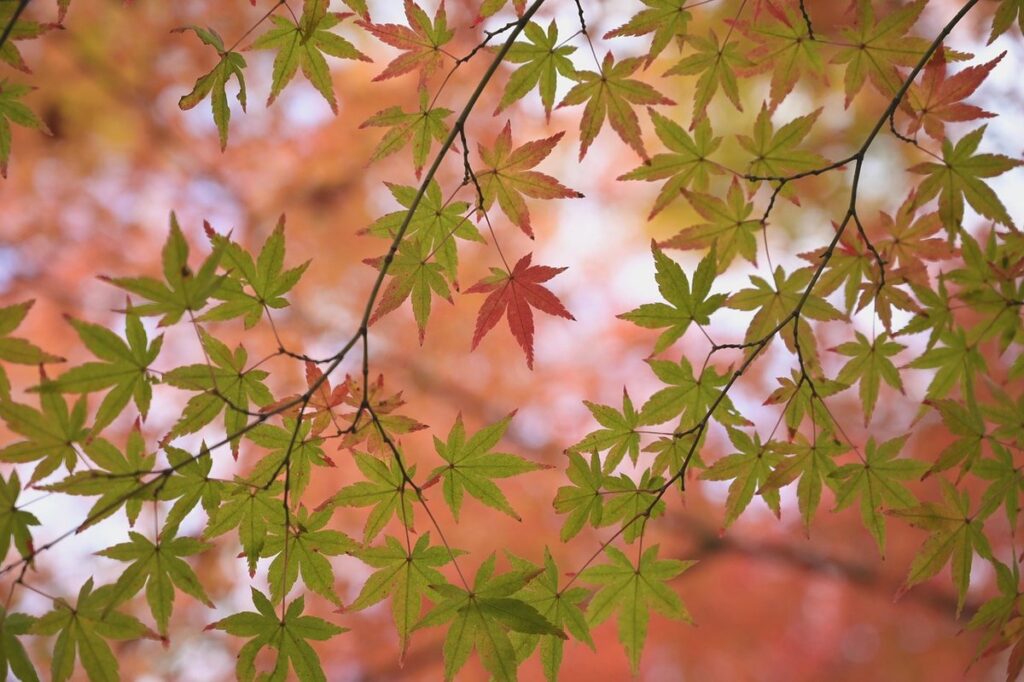
Understanding Japanese Maples
Japanese maples are a unique and beautiful addition to any garden, but their specific needs and characteristics can be misunderstood by even experienced gardeners. Let’s break down what makes these trees special.
Characteristics of Japanese Maples
Japanese maples are incredibly diverse, with over 200 species to choose from. Among these, some of the most popular varieties for their stunning foliage and compact growth habits include Acer palmatum, Acer shirasawanum, and Acer japonicum. These deciduous trees typically thrive in partial shade and moist, well-drained soil with a slightly acidic pH.
Their ideal growing conditions can be enhanced by companion planting. By strategically placing plants around your Japanese maple, you can create a harmonious ecosystem that not only boosts their beauty but also promotes healthy growth. For instance, pairing Japanese maples with flowering bulbs like tulips or daffodils can add vibrant color to the landscape during the spring season. Similarly, integrating low-maintenance groundcovers such as creeping thyme or sedum can help retain moisture and suppress weeds.
When selecting companion plants for your Japanese maple, consider their mature size, growth habits, and sunlight requirements to avoid overcrowding or competition for resources.
Common Problems with Japanese Maples
As you cultivate your beautiful Japanese maple, you may encounter some common problems that can impact its health and appearance. Pests like scale, spider mites, and aphids can cause damage to the leaves and stems, while diseases such as powdery mildew and root rot can be devastating. Nutrient deficiencies, particularly a lack of magnesium or iron, can also affect the tree’s overall well-being.
These issues can often be attributed to factors like poor soil quality, inadequate watering, or exposure to extreme temperatures. But did you know that companion plants can help alleviate these problems? Certain plants, such as marigolds and nasturtiums, repel pests like nematodes and whiteflies that target Japanese maples. Comfrey and clover, on the other hand, are rich in nutrients and can act as a fertilizer for your maple tree. By incorporating companion planting into your garden design, you can create a balanced ecosystem that promotes healthy growth and reduces maintenance needs.
Selecting Companion Plants for Japanese Maples
When selecting companion plants for your Japanese maple, consider those that provide structural contrast and complementary foliage to create a visually appealing landscape. Look for plants with varying growth habits and textures.
Considerations for Choosing Companion Plants
When choosing companion plants for your Japanese maple, it’s essential to consider their growth habits, light requirements, and soil preferences. You want plants that complement your maple’s unique characteristics without competing with it for resources.
For example, if you have a tall-growing maple, pair it with shorter plants like hostas or ferns to create a layered effect. Avoid pairing it with aggressive growers like daylilies or clematis, which can overwhelm the maple. Similarly, consider the light requirements of your companion plants. If your maple prefers partial shade, choose companions that thrive in similar conditions.
Soil preferences are another crucial factor. Japanese maples prefer well-draining acidic soils, so avoid pairing them with heavy feeders like hydrangeas or azaleas. Instead, opt for companion plants like creeping thyme or vinca minor, which can tolerate a range of soil types and pH levels. By selecting companion plants that complement your Japanese maple’s needs, you’ll create a harmonious and thriving garden ecosystem.
Examples of Companion Plants for Japanese Maples
When it comes to choosing companion plants for Japanese maples, there are several species that can not only complement their beauty but also enhance their health. One popular option is hostas, which provide a lush, green backdrop for the maple’s delicate foliage. Their large leaves help shade the soil, preventing weeds from growing and retaining moisture, making it an ideal choice for areas with dry spells.
Ferns are another excellent companion plant for Japanese maples. They add a delicate, lacy texture to the landscape and can thrive in shady conditions. Some popular species include autumn fern, ostrich fern, and maidenhair fern. By planting ferns around the base of the maple, you can create a layered effect that adds visual interest and depth.
Grasses like pampas grass or fountain grass can also complement Japanese maples nicely. They provide a soft, feathery texture that contrasts beautifully with the maple’s bold foliage. Plus, their tall stalks help draw attention away from any imperfections on the maple tree itself, making it an excellent choice for areas where maintenance is limited.
By incorporating these companion plants into your landscape design, you can create a stunning display of color and texture that enhances both the beauty and health of your Japanese maples.
Planting and Caring for Companion Plants with Japanese Maples
To get started, let’s dive into the specifics of companion plants that pair well with Japanese maples and learn how to plant and care for them effectively. We’ll explore some key considerations for a thriving combination.
Tips for Planting Companion Plants
When planting companion plants alongside your Japanese maples, it’s essential to consider their placement, soil preparation, and watering techniques. Start by selecting a spot with well-draining soil that receives the right amount of sunlight for both the maple and its companion plant.
Begin by digging a hole slightly larger than the root ball of the companion plant. Add organic matter like compost or mulch to enrich the soil and improve drainage. If your Japanese maple prefers acidic soil, ensure the companion plant has similar requirements to avoid any nutrient competition.
Water the companion plant thoroughly after planting, then keep the soil consistently moist during its first growing season. Space companion plants according to their mature size, leaving enough room for proper air circulation and growth. For example, if a companion plant grows up to 3 feet tall, give it at least 2-3 feet of space around your Japanese maple.
Watering companion plants can be done in conjunction with your Japanese maple’s watering schedule. However, avoid overwatering, which can lead to root rot or other problems.
Maintenance and Pruning Considerations
When it comes to maintaining and pruning companion plants, it’s essential to strike a balance between their needs and those of the Japanese maple tree. Over-pruning can stress both plants and create an environment conducive to pests and diseases.
Start by observing the growth habits of your companion plants. For example, if you’ve paired a shrub like Hydrangea with a Japanese maple, prune it back after flowering to maintain its shape and encourage new growth. On the other hand, grasses like Pennisetum tend to flop in mid-summer; trim them back by one-third to prevent seed heads from forming and promote a more upright habit.
In general, companion plants require less pruning than ornamental trees or shrubs. Aim for subtle shaping and thinning to maintain their health and encourage robust growth. Regular watering, fertilizing, and monitoring for pests will also ensure the continued partnership between your Japanese maple tree and its companions.
Benefits of Using Companion Plants with Japanese Maples
When you pair Japanese maples with the right companion plants, you unlock a whole new level of beauty and health for your trees. Let’s dive into some fantastic benefits!
Enhanced Aesthetic Appeal
When you pair companion plants with Japanese maples, you can create a more visually appealing landscape that’s sure to turn heads. The beauty of these companion plants lies not only in their unique foliage and vibrant colors but also in how they complement the stunning shape and color of the Japanese maple itself.
For instance, consider pairing your Japanese maple with a low-growing groundcover like thyme or creeping juniper. These small-scale plants won’t compete with the maple for resources, yet they’ll add texture and interest to the surrounding area. Try planting them in a circular pattern around the base of the maple, allowing their delicate stems to spill over and create a beautiful border.
Another option is to plant taller companion plants like ornamental grasses or coneflowers behind the Japanese maple. These will provide a striking backdrop for the maple’s foliage while also adding movement and texture to the landscape. Just be sure to choose varieties with varying heights and bloom times to ensure year-round interest.
Improved Health and Resistance
Japanese maple trees can be susceptible to pests and diseases, but companion plants can help improve their overall health and resistance. By strategically planting certain species alongside Japanese maples, you can create a balanced ecosystem that promotes healthy growth and vigor.
For example, marigolds release chemicals that repel nematodes, microscopic worms that can harm roots, while also attracting beneficial insects that prey on pests like aphids and whiteflies. These natural pest control methods reduce the need for chemical pesticides, which can be detrimental to Japanese maples’ delicate leaves and bark.
Some other companion plants that boost Japanese maple health include mint, which repels spider mites, and chives, which improve soil quality by adding nutrients and attracting pollinators. By planting these beneficial species around your Japanese maple, you’ll create a more resilient tree that’s better equipped to fight off diseases and pests, ensuring its long-term beauty and health.
By incorporating companion plants into your garden design, you can enjoy the aesthetic benefits of Japanese maples while also maintaining their overall well-being.
Case Studies: Successful Companion Planting with Japanese Maples
Let’s take a closer look at how successful gardeners have paired companion plants with Japanese maples for stunning results and improved tree health. We’ll explore real-life examples in this section.
Real-Life Examples of Companion Planting Success
Japanese maple growers have successfully used companion planting to enhance the beauty and health of their trees. For instance, the use of lavender as a companion plant has shown remarkable results. In a study conducted by a Japanese maple nursery, it was found that lavender not only repelled pests like spider mites and aphids but also improved soil drainage, which helped prevent root rot.
Another successful example is the combination of Japanese maples with ferns. By planting a mix of autumn ferns (Dryopteris erythrosora) and lady ferns (Athyrium filix-femina) around their trees, growers have reported increased biodiversity and reduced weed growth. These companion plants also attract beneficial insects that pollinate the maple flowers.
Growers who have tried these combinations have observed improved tree vigor, healthier root systems, and more vibrant foliage colors. When selecting companion plants for your Japanese maples, consider species with similar growing conditions to ensure compatibility. With careful planning and selection, you can create a thriving ecosystem around your trees that benefits both the plants and the environment.
In addition to these examples, some growers have also reported success with incorporating herbs like rosemary and thyme into their companion planting schemes. These aromatic plants not only repel pests but also improve soil fertility and structure. By experimenting with different combinations of plants, you can find the perfect blend that complements your Japanese maples and creates a stunning display of colors and textures.
Lessons Learned from Experienced Growers
Many gardeners have found success with companion planting for their Japanese maples, and we can learn from their experiences. Experienced growers have learned that certain plants can not only complement the beauty of Japanese maples but also provide benefits such as improved growth, pest resistance, and soil health.
One key lesson is to choose companion plants that have different growing requirements than your maple tree. For example, some growers pair their Japanese maples with low-growing groundcovers like creeping thyme or vinca minor, which helps suppress weeds and retains moisture in the soil. Others use taller plants like sunflowers or tall ornamental grasses to provide shade and create a sense of drama around their trees.
When selecting companion plants, consider factors such as mature size, growth habits, and watering needs. For instance, if you have a shallow-rooted Japanese maple, avoid planting deep-rooted companions that may compete for water and nutrients. By carefully choosing compatible companion plants, gardeners can create thriving ecosystems that showcase the beauty of their Japanese maples while also promoting overall tree health.
Conclusion: Maximizing Beauty and Health with Companion Plants
Now that you’ve discovered the best companion plants for your Japanese maples, let’s explore how to maximize their beauty and health in your garden.
Recap of Key Takeaways
As we conclude our exploration of companion plants for Japanese maples, let’s recap the key takeaways that will help you maximize the beauty and health of these stunning trees. By incorporating the right companion plants into your garden, you can create a thriving ecosystem that promotes healthy growth, pest resistance, and stunning visual appeal.
We’ve discussed how certain plants like lavender, rosemary, and coneflower repel pests and diseases that target Japanese maples, reducing the need for pesticides and maintaining a balanced environment. We’ve also highlighted the importance of companion plants in promoting nutrient uptake, improving soil health, and providing shade to prevent scorching.
Remember, companion planting is not just about aesthetics; it’s a holistic approach to gardening that considers the interconnectedness of all living organisms in your garden. By choosing the right companion plants for your Japanese maple, you can create a vibrant, thriving ecosystem that benefits both plant and environment. To put these principles into practice, start by researching specific companion planting strategies tailored to your region and climate, and then experiment with different combinations to find what works best for you.
Final Tips for Successful Companion Planting
As you incorporate companion plants into your Japanese maple landscape, keep in mind a few final considerations to ensure success. When choosing companion plants, don’t be afraid to experiment and try new combinations – but also remember that some relationships are tried-and-true favorites.
For instance, plant Marigolds alongside your Japanese maples for their natural pest-repellent properties. These bright flowers not only add vibrant color but also deter nematodes and other pests that can harm your maple trees. Similarly, Lavender is a popular choice due to its calming effect on surrounding plants – it even helps reduce soil-borne diseases.
To maximize the benefits of companion planting, be mindful of space and compatibility. Don’t overcrowd your Japanese maples; instead, provide sufficient room for each plant to grow and breathe. This will prevent competition for nutrients and promote healthy development. Lastly, observe and learn from your garden – note which combinations thrive and adjust your strategy accordingly. By embracing the art of companion planting, you’ll unlock a more resilient, thriving landscape that’s full of beauty and life.
Frequently Asked Questions
Can I use companion planting with dwarf or compact Japanese maple varieties?
Yes, the principles of companion planting can be applied to smaller varieties of Japanese maples as well. In fact, these trees often benefit from similar beneficial companions that enhance their growth and health. When selecting companion plants for compact Japanese maples, consider the mature size of the plant and ensure it won’t overwhelm the space.
How do I know which companion plants will work best with my specific soil type?
Companion planting is not just about aesthetics; it’s also about creating a thriving ecosystem that supports your Japanese maple’s needs. To choose effective companion plants for your soil type, consider factors like pH level, nutrient availability, and moisture retention. This information can help you select beneficial companions that will improve soil quality and promote healthy growth.
Can I plant multiple types of companion plants around my Japanese maple to create a diverse ecosystem?
Yes, incorporating a variety of companion plants with different benefits can create a resilient and thriving ecosystem around your Japanese maple. Some examples include nitrogen-fixing legumes for improved soil fertility, herbs that repel pests, and groundcovers that retain moisture. Be mindful of mature plant sizes and ensure sufficient space between each companion plant.
How often should I water my companion plants to prevent overwatering or underwatering?
The watering needs of your Japanese maple’s companion plants will vary depending on the specific species. As a general rule, most companion plants prefer consistent moisture levels similar to those required by your Japanese maple. Monitor soil moisture and adjust your watering schedule accordingly to avoid overwatering or underwatering.
Can I use companion planting as a solution for existing pest or disease issues on my Japanese maple?
Companion planting can be an effective long-term strategy for preventing pest and disease problems, but it may not provide immediate relief from established infestations. To address existing issues, consider incorporating beneficial companions that specifically target the affected pests or diseases. However, these plants should not replace conventional treatments; rather, they can serve as a complementary approach to maintaining your Japanese maple’s overall health.