
Pollination is often overlooked as a crucial aspect of gardening, but when it comes to cucurbits like cucumbers, squash, and melons, it’s absolutely essential. These plants rely on external help to reproduce, and without effective pollination, you’re unlikely to get the bounty you’re hoping for. But don’t worry, with a little understanding of how pollination works in cucurbits and some simple tips on creating a bee-friendly environment, you can boost your yields and enjoy a more successful harvest. In this article, we’ll delve into the basics of pollination and explore ways to breed high-pollination-efficiency varieties, as well as provide expert advice on how to attract beneficial bees to your garden and create an ideal setting for them to thrive. By the end of it, you’ll be a pro at cultivating cucurbits and enjoying their delicious flavors all season long!
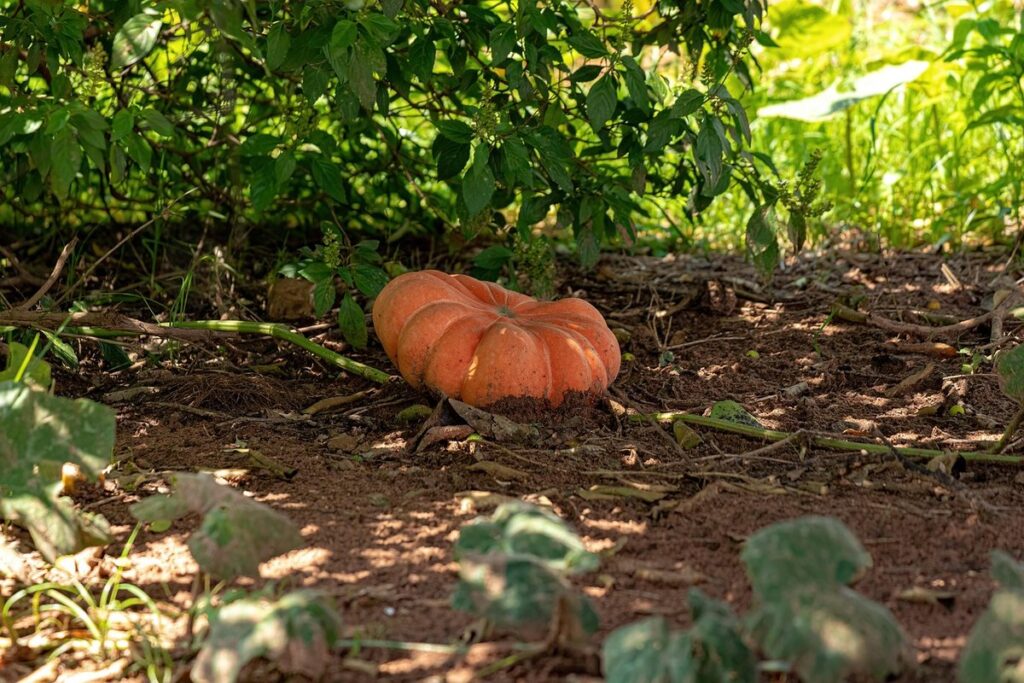
What are Cucurbits?
Cucurbits are a diverse group of plants that include cucumbers, squash, melons, and gourds, all sharing some key characteristics and growth habits. Let’s explore what makes these plants so unique!
Definition and Classification
Cucurbits are a diverse group of plants that belong to the Cucurbitaceae family. These plants are widely cultivated for their edible fruits and include popular varieties such as cucumbers, squash, melons, and gourds. Within this family, there are several subcategories based on the characteristics of the plant’s growth habit, leaf shape, and fruit type.
Some common classifications within the Cucurbitaceae family include:
* The Gourd subgroup, which includes loofahs and calabash.
* The Melon subgroup, consisting of honeydew melons and cantaloupes.
* The Squash subgroup, encompassing acorn squash and zucchini.
* The Cucumber subgroup, including slicing cucumbers and pickling cucumbers.
Understanding the classification of these plants is essential in determining their specific pollination requirements. For instance, gourds are known to be self-compatible but still require cross-pollination for optimal seed production, while melons often require hand-pollination due to their complex flower structure. By recognizing the unique characteristics of each subgroup, growers can take informed steps to ensure successful pollination and subsequent fruit set.
Characteristics of Cucurbits
One of the most distinctive features of cucurbits is their vining or climbing habit. This characteristic allows them to spread out and cover a significant area, often requiring a trellis or other support for optimal growth. Take, for instance, the watermelon vine that can stretch up to 10 feet in length. Similarly, cucumber plants tend to sprawl out, making them ideal for growing on a trellis or an obelisk.
Cucurbits are also known for their large flowers, which are often brightly colored and fragrant. These flowers typically have both male and female reproductive organs, with the male flower producing pollen and the female flower containing ovules. The flowers of cucurbits are generally self-incompatible, meaning they require cross-pollination to produce viable fruit.
The distinctive fruit features of cucurbits include netting or ridging, which is a result of the way in which the rind forms around the fruit. For example, the ridges on a cucumber fruit provide protection against disease and pests, while the netting on a watermelon fruit allows for increased surface area to absorb sunlight.
Incorporating these characteristics into your garden can help you better understand the pollination process and its importance in cucurbits. By recognizing how these plants grow and reproduce, you’ll be able to create an optimal environment that supports their needs and encourages healthy pollination.
Pollination Basics: The Role of Bees and Other Agents
Let’s take a closer look at how pollination works, and explore the crucial roles that bees, butterflies, hummingbirds, and even other tiny creatures play in this process. These agents are the unsung heroes of cucurbit cultivation.
Bee Pollination in Cucurbits
Bee pollination plays a vital role in the reproduction of cucurbits, which includes crops like squash, melons, and cucumbers. Among these, honeybees (Apis mellifera) and bumblebees (Bombus spp.) are the primary pollinators.
When a bee visits a cucumber flower, it collects nectar from the central part of the flower, but in doing so, its hairy body comes into contact with the anthers, which contain pollen. This pollen sticks to the bee’s body and is then transferred to the stigma of another cucumber flower when the bee lands on it. This transfer of pollen allows for fertilization to occur, enabling the production of seeds.
Beekeepers can encourage pollination by maintaining healthy beehives near cucurbit crops. Gardeners can also promote pollination by planting a diverse range of flowers that provide nectar and pollen, attracting bees and other pollinators. Some examples include sunflowers, zinnias, and lavender. By understanding the importance of bee pollination in cucurbits, gardeners and farmers can take steps to support these vital agents and ensure healthy crop production.
Other Pollinator Agents
In addition to bees, other pollinators like butterflies, moths, and even humans play significant roles in the pollination process of cucurbits. Butterflies, such as the Gulf Fritillary, are known to visit flowers of certain melon varieties, facilitating cross-pollination and seed production.
Moths, specifically hawk moths, also contribute to pollinating cucurbit plants. These large moths have long proboscis that allow them to reach nectar deep within flowers, thereby transferring pollen between plants. The moth’s nocturnal behavior makes it an essential agent for pollination during the night hours when bees are less active.
Humans can also inadvertently aid in pollination by transporting pollen from one plant to another through contact with flower petals or leaves. For example, a gardener may accidentally transfer pollen while inspecting the fruit of a cucumber plant. While this human-induced pollination is not always effective, it highlights the importance of considering all potential agents that contribute to the pollination process in cucurbits.
When cultivating cucurbit crops, understanding and appreciating these other pollinators can help gardeners develop more inclusive strategies for promoting pollination and maximizing crop yields. By recognizing the diverse range of agents involved in pollination, growers can create a more supportive environment for both bees and non-bee pollinators to thrive.
Challenges Facing Pollination in Cucurbits
Pollination in cucurbits is not without its challenges, and one of the most significant hurdles gardeners face is ensuring their crops receive adequate pollination support. Poor pollination can have devastating effects on yields and fruit quality.
Honeybee Decline and Its Impact on Cucurbit Pollination
Honeybees play a crucial role in pollinating cucurbits, but their decline is having a significant impact on this process. Habitat loss, pesticide use, and climate change are just a few of the factors contributing to the decline of honeybee populations. For example, a study found that in the United States alone, beekeepers lost over 40% of their colonies between 2018 and 2019 due to a combination of these factors.
The consequences of this decline on cucurbit pollination are far-reaching. Cucurbits such as squash, melons, and cucumbers rely heavily on honeybees for pollination. Without adequate bee populations, yields can suffer significantly. In fact, research has shown that every 1% decrease in honeybee population can result in a 5-10% decline in crop yield.
To mitigate the impact of honeybee decline, farmers can take steps to support local bee populations. This can include planting bee-friendly flowers, reducing pesticide use, and creating bee habitats on their land. By taking proactive measures to protect these vital pollinators, we can help ensure a stable supply of cucurbits for years to come.
Climate Change Effects on Pollinator Activity and Flowering Times
Rising global temperatures are altering the delicate balance necessary for effective pollination in cucurbits. Climate change is causing plants to bloom earlier than usual, resulting in a mismatch between plant flowering times and pollinator activity. For example, studies have shown that many bee species are emerging from hibernation earlier due to warmer winters, but their pollen-rich food sources may not be available yet.
This temporal mismatch can lead to reduced pollination efficiency, impacting the quality and quantity of cucurbit yields. In the United States alone, climate change is estimated to reduce crop yields by up to 30% for certain crops, including cucurbits. By understanding these changes, growers can take steps to mitigate their impact. This includes planting a diverse range of pollinator-friendly flowers that bloom at different times, as well as selecting cucumber varieties that are less susceptible to temperature-related disruptions in pollination.
Strategies for Enhancing Pollination in Cucurbits
To boost your cucurbit yields, we’ll explore effective strategies that involve creating a pollinator-friendly environment and using techniques to manually facilitate pollination.
Agroecological Practices to Support Pollinators
As we explore strategies for enhancing pollination in cucurbits, it’s essential to consider the role that agroecological practices play in supporting our precious pollinators. By adopting a few simple yet effective methods, farmers can create a more hospitable environment for these vital creatures.
One of the most straightforward ways to support pollinators is by incorporating bee-friendly flowers into your crop rotation. This involves planting an assortment of nectar-rich blooms around your cucurbit fields, which will provide a constant source of food for bees and other pollinators. Some excellent options include sunflowers, lavender, and coneflowers – all of which are easy to grow and attract a range of beneficial insects.
Reducing pesticide use is another crucial step in supporting pollination. Many commercial pesticides have been shown to harm or even kill bees and other pollinators, so it’s essential to adopt integrated pest management (IPM) techniques that prioritize natural methods of control. This might involve introducing beneficial insects, practicing crop rotation, or using physical barriers to prevent pests from reaching your crops.
Maintaining diverse crop rotations is another vital strategy for supporting pollination. By planting a variety of crops in sequence, you’ll be creating a dynamic ecosystem that mimics the natural diversity found in native habitats. This will not only support a broader range of beneficial insects but also help to break disease and pest cycles, reducing the need for chemical controls.
By implementing these agroecological practices, farmers can significantly enhance pollination services and promote the health and resilience of their cucurbit crops. By working with nature, rather than against it, we can create a more sustainable and productive agricultural system that benefits both people and the planet.
Bee Hotels and Other Artificial Nests for Wild Pollinators
Providing artificial nests for wild pollinators is an effective way to supplement natural nesting sites and enhance local pollinator populations. Many species of solitary bees, wasps, and other pollinators rely on specific types of nesting sites, such as tunnels or cavities, which are often scarce in urban and agricultural landscapes.
To create a bee hotel, you can use materials like bamboo tubes, hollow reeds, or wooden blocks with pre-drilled holes. The idea is to provide a variety of nesting sites that cater to different species’ preferences. For example, some bees prefer long, narrow tunnels while others prefer larger cavities. By offering a mix of these options, you can attract a broader range of pollinators.
Some popular DIY bee hotel designs include the “bee box” and the “pollinator tower.” These structures typically consist of stacked materials with varying diameters and lengths to accommodate different species’ nesting needs. When building or purchasing a bee hotel, be sure to consider factors like location (choose a spot that receives full sun), orientation (face it east to southeast for optimal warmth), and maintenance (keep it clean by removing debris).
By incorporating artificial nests into your garden or landscape, you can support local pollinator populations and contribute to the health of your cucurbit crops.
Breeding for Improved Pollination Efficiency in Cucurbits
To enhance pollination efficiency, cucurbit breeders are experimenting with new varieties that offer improved compatibility between male and female flowers, making it easier for bees to do their job. This approach has shown promising results in boosting yields.
Characteristics of High-Pollination-Efficiency Varieties
High-pollination-efficiency varieties are being developed by plant breeders to enhance fruit set rates and yields in cucurbits. These improved varieties possess distinct characteristics that distinguish them from conventional ones.
One key characteristic of high-pollination-efficiency varieties is their pollen production rate. They produce more pollen than standard varieties, which increases the chances of successful pollination. This is crucial as pollination is a complex process, and even small variations in pollen availability can impact fruit set rates significantly.
Another notable trait of these varieties is their flowering pattern. High-pollination-efficiency cucurbits tend to have a staggered or alternate flowering pattern, ensuring that multiple flowers are open at any given time. This promotes pollinators like bees to visit the plant more frequently, resulting in better pollen transfer and increased fruit set.
The size and shape of flowers also play a significant role in high-pollination-efficiency varieties. Larger, more exposed flowers facilitate easier access for pollinators, whereas smaller or more hidden flowers can hinder the pollination process.
In addition to these characteristics, high-pollination-efficiency cucurbits often have improved fruit set rates due to their ability to self-pollinate more efficiently. This means they don’t rely as heavily on external pollinators, reducing the impact of factors like weather and pest pressure on pollination success.
Breeders are focusing on these characteristics when developing new varieties with enhanced pollination efficiency. By doing so, they aim to increase yields while minimizing the reliance on external pollinators, ultimately benefiting farmers and consumers alike.
Best Practices for Supporting Pollination in Your Cucurbit Garden
To effectively support pollination in your cucurbit garden, consider implementing companion planting and providing a diverse range of flowers for visiting bees. This dual approach is crucial for optimal pollination results.
Tips for Creating a Bee-Friendly Environment
Creating a bee-friendly environment is crucial for supporting pollination in your cucurbit garden. This not only benefits the bees but also enhances the overall health and productivity of your crops. One way to achieve this is by selecting bee-pollinated crops, which are naturally more attractive to pollinators. Cucurbits like squash, melons, and cucumbers are all excellent choices for a pollinator-friendly garden.
In addition to choosing bee-pollinated crops, providing supplemental food sources is essential. Planting a variety of flowers that are rich in nectar and pollen, such as sunflowers, zinnias, and cosmos, will attract bees and other pollinators to your garden. Be sure to include a mix of annuals and perennials, as this will provide a constant source of food throughout the growing season.
Some specific tips for creating a bee-friendly environment include:
• Planting a minimum of three different types of flowers that are rich in nectar and pollen
• Selecting plants with a variety of bloom times to ensure a continuous source of food
• Avoiding pesticides and other chemicals that can harm pollinators
• Providing a source of water for bees, such as a shallow dish or birdbath with fresh water
Common Mistakes to Avoid When Growing Cucurbits for Maximum Pollination
When growing cucurbits for maximum pollination, it’s essential to avoid common mistakes that can hinder the process. One of the most significant errors is planting too many varieties of the same type together. This overcrowding can lead to a lack of diversity in the garden, making it more challenging for pollinators like bees and butterflies to move efficiently between plants.
Another mistake is not providing adequate support for the cucurbit vines. Without sufficient trellising or pruning, the plants become tangled and difficult for pollinators to access nectar and pollen. This can lead to reduced pollination rates and lower yields. To avoid this, make sure to provide sturdy trellises or cages for vining varieties like melons and squash.
It’s also crucial not to overlook the importance of companion planting. Some plants, such as basil and mint, release chemicals that can repel pollinators. By choosing companion plants carefully, you can create a more pollinator-friendly environment in your garden.
Conclusion: The Future of Pollination in Cucurbits
As we conclude our exploration of pollination in cucurbits, it’s clear that this process is crucial for the health and productivity of these crops. As farmers and gardeners, understanding the importance of pollination can help us develop strategies to improve yields and reduce losses. To ensure the future of pollination in cucurbits, consider incorporating native bee-friendly plants into your landscape, as these flowers provide essential resources for pollinators. Additionally, adopting integrated pest management techniques that minimize harm to beneficial insects will also contribute to a healthier ecosystem. By taking proactive steps, we can protect the delicate balance of pollination and promote sustainable agriculture practices. This, in turn, will ensure a continued supply of nutritious cucurbits for years to come.
Frequently Asked Questions
What are some common signs of poor pollination in cucurbits?
Poor pollination can manifest as low fruit set, reduced yields, or a lack of viable seeds within the fruits. Regularly inspect your plants for these symptoms and monitor the presence of beneficial pollinators like bees.
How often should I water my cucurbit plants to support pollination?
Consistent moisture levels are crucial for pollinator activity. Water your plants when the top 1-2 inches of soil feel dry, aiming to maintain a balanced moisture level throughout the growing season. This will encourage healthy plant growth and attract beneficial bees.
Can other types of pollinators, like butterflies or hummingbirds, help with cucurbit pollination?
While these animals can visit your plants, they are less efficient at transferring pollen compared to honeybees. Focus on creating a bee-friendly environment, as they play a significant role in ensuring effective pollination in cucurbits.
How can I determine if my local pollinator population is healthy enough for optimal cucurbit pollination?
Monitor the presence of diverse pollinators, such as bees and butterflies, during peak activity hours (usually mid-morning to early afternoon). You can also consult with local gardening groups or experts for insight into your region’s pollinator health.
What are some key considerations when selecting high-pollination-efficiency varieties for my garden?
When choosing cucurbit varieties, prioritize those bred specifically for their pollination efficiency. Look for characteristics like robust plant growth, large, showy flowers, and a long blooming period to support successful pollination events.