
Are you tired of constantly watering your cucumbers, only to have them still struggling with drought? Or maybe you’ve noticed that your cucumber plants are susceptible to water stress, leading to reduced yields and lower quality produce. Cucumber mulching is a game-changer for gardeners looking to improve their crop’s moisture retention and reduce watering frequency. By applying the right type of mulch around your cucumbers, you can create an optimal growing environment that reduces evaporation, retains soil moisture, and promotes healthy root growth. In this article, we’ll dive into the benefits of cucumber mulching for moisture, explore different types of mulch to use, and provide expert tips on how to implement this effective technique in your garden.
Benefits and Advantages of Cucumber Mulching
Cucumber mulching offers numerous benefits that go beyond just conserving moisture. Let’s dive into the advantages of incorporating this technique into your gardening routine.
Improved Water Retention in Soil
Mulching with cucumbers is an excellent way to retain moisture in the soil, reducing evaporation and runoff. When you mulch with cucumbers, they release a high amount of moisture as they decompose, which helps to keep the surrounding soil consistently moist.
This process is often referred to as “mulch tea,” where the decomposition of organic matter releases beneficial nutrients into the soil. By using cucumber mulch, you’re essentially creating a mini-ecosystem that encourages healthy microbial activity, allowing your plants to access the water they need more efficiently.
Studies have shown that using organic mulches like cucumber can reduce soil evaporation by up to 70%. This means that more of the rainfall or irrigation water reaches the roots of your plants, rather than being lost through evaporation. To maximize this benefit, be sure to layer the mulch around 2-3 inches thick, keeping it a few inches away from plant stems to prevent moisture buildup and potential disease issues.
Reduced Watering Frequency
When you start using cucumber mulch, one of the most significant benefits you’ll notice is that it helps reduce the frequency of watering. This might sound too good to be true, but it’s a proven fact that cucumber mulching can help your plants thrive with minimal watering needs.
Cucumber mulch acts as a barrier between the soil and the atmosphere, preventing moisture loss through evaporation. By retaining moisture in the soil, cucumber mulch reduces the need for frequent watering. This is particularly beneficial during hot summer months when plants tend to dry out quickly. With regular applications of cucumber mulch, you can expect to water your plants less often.
In fact, studies have shown that using organic mulches like cucumber can reduce irrigation needs by up to 40% compared to non-mulched soils. This not only saves time but also conserves valuable water resources. To make the most of this technique, apply a 2-3 inch layer of fresh or dried cucumber slices around your plants. Keep it consistently moist during the initial weeks after application, and you’ll start noticing the benefits soon enough.
By reducing watering frequency, cucumber mulching becomes an attractive option for gardeners seeking water-efficient gardening techniques. As you’ll see in the following sections, this technique offers numerous other advantages that make it a must-try for any gardener looking to boost plant growth while minimizing their environmental impact.
Enhanced Crop Growth and Yields
When you retain moisture and lower soil temperature through mulching, it sets the stage for enhanced crop growth and yields. This is particularly beneficial for cucumbers, which thrive in a consistent and stable environment.
The ideal condition for cucumber growth is a temperature range of 65-75°F (18-24°C). Mulch helps achieve this by reducing soil temperature fluctuations, preventing extreme heat stress during the day and cold shock at night. As a result, your cucumber plants’ energy can be focused on producing fruit rather than adapting to environmental extremes.
In addition, retained moisture in the soil provides cucumbers with a steady supply of water. This allows them to grow faster, stronger, and more resilient, ultimately leading to higher yields. Mulching also reduces soil-borne diseases and pests that thrive in dry conditions, further protecting your plants’ health.
Consider applying 2-3 inches (5-7.5 cm) of organic mulch around the base of each plant to achieve optimal results. This thickness will allow for adequate moisture retention while preventing over-watering. Regularly replenish the mulch layer as it breaks down and maintain a consistent moisture level in the soil for best results.
Types of Cucumber Mulches
When it comes to maintaining optimal moisture levels for your cucumbers, selecting the right mulch is crucial. There are several types of cucumber mulches you can use to achieve this goal effectively.
Fresh Cucumber Slices as Mulch
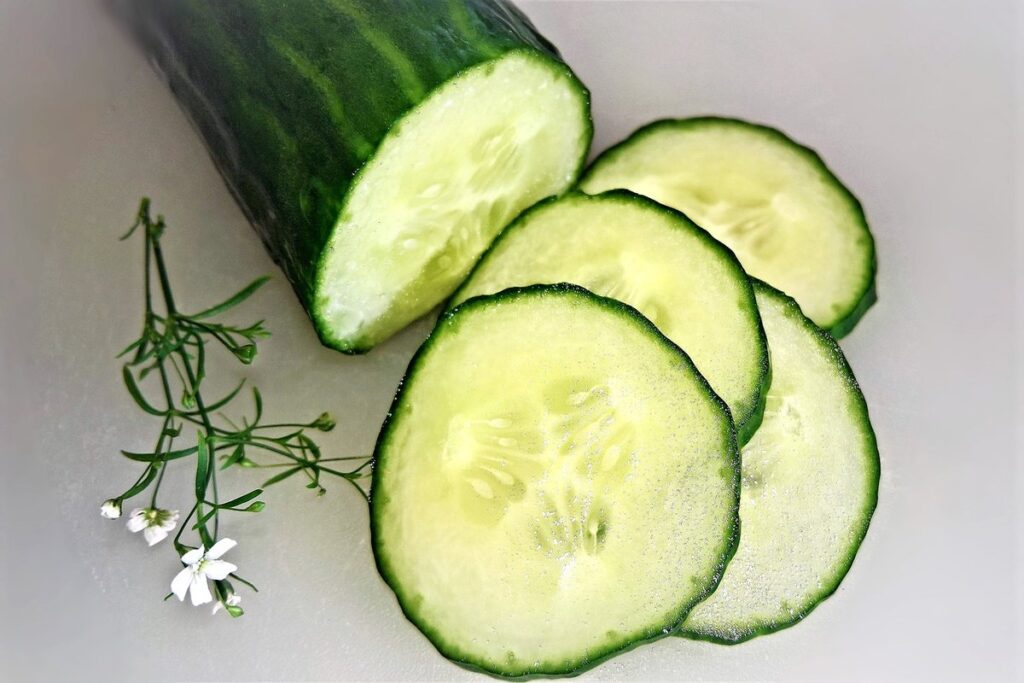
Using fresh cucumber slices as mulch is an unconventional yet effective way to retain moisture around your plants. This method is perfect for gardeners who want to minimize waste and create a sustainable gardening practice.
To apply fresh cucumber slices as mulch, simply slice them thinly and spread them evenly around the base of your plant. A good rule of thumb is to use about 1-2 inches of sliced cucumber per square foot of planting area. This thickness will provide sufficient moisture retention without suffocating the roots.
One potential benefit of using fresh cucumber slices as mulch is that they can help regulate soil temperature, keeping it cooler in the summer and warmer in the spring. Additionally, cucumber slices are rich in nutrients like potassium and magnesium, which can be released into the soil as they break down, providing a natural fertilizer boost for your plants.
Some gardeners even report seeing a reduction in pests and diseases when using fresh cucumber mulch, possibly due to the antifungal properties of cucumbers.
Dried Cucumber Mulch
Using dried cucumber as a mulch is a unique and effective way to retain moisture in the soil. The process involves drying fresh cucumbers either by air-drying them or using a food dehydrator, until they reach a crumbly texture. This method has several advantages over other types of mulches. For one, dried cucumber mulch is rich in nutrients, including potassium and magnesium, which can benefit the growth of nearby plants.
Another advantage is that it is inexpensive to make, as cucumbers are often readily available and cost-effective. Additionally, using dried cucumber mulch reduces waste and promotes sustainability. However, there are some precautions to take when using this type of mulch. It’s essential to ensure the dried material is completely dry, as moisture can cause mold and decay.
When applying the dried cucumber mulch, spread it evenly around plants, keeping a 2-3 inch gap between the mulch and the plant stem. This will prevent moisture from accumulating near the base of the plant and causing root rot.
Composted Cucumber Mulch
Composting cucumber waste is an excellent way to create a nutrient-rich mulch for improved soil health. By collecting and composting cucumber scraps, you can transform them into a valuable resource for your garden. This process not only reduces waste but also creates a natural fertilizer that will benefit your soil.
The benefits of using composted cucumber mulch are numerous. It retains moisture better than other types of mulch, reducing the need for frequent watering. Composted cucumber mulch also improves soil structure and fertility, which can lead to healthier plant growth and increased crop yields. Additionally, it acts as a natural barrier against weeds and pests, minimizing the need for pesticides and herbicides.
To make composted cucumber mulch, start by collecting your cucumber scraps in a designated bin or pile. Add other organic materials like leaves, grass clippings, or vegetable waste to speed up the decomposition process. Keep the pile moist and turn it regularly until it’s fully broken down into a rich, dark soil amendment. Once ready, spread a 2-3 inch layer of composted cucumber mulch around your cucumber plants to reap its benefits.
How to Apply Cucumber Mulch Effectively
Now that you know why and when to use cucumber mulching for moisture, let’s dive into the application process. We’ll cover crucial tips on how to apply it effectively.
Choosing the Right Location and Soil Type
When selecting a location for cucumber mulching, it’s essential to consider optimal sunlight and soil conditions. Aim for an area that receives at least six hours of direct sunlight per day, as cucumbers need intense light to thrive. However, be cautious not to expose the mulch to extreme temperatures, which can cause it to dry out or become brittle.
Soil type is also a critical factor in effective mulching. Different types of soil respond differently to moisture retention and may require specific mulching strategies. For example, sandy soils tend to drain quickly and may benefit from thicker mulch layers (up to 4-6 inches) to prevent moisture loss. On the other hand, clay soils retain water well but can become waterlogged if not properly managed; thinner mulch layers (2-3 inches) are often sufficient.
Consider the specific needs of your soil type when choosing a location for cucumber mulching. This will ensure that your mulch is effective in retaining moisture and promoting healthy plant growth.
Application Rates and Methods
When applying cucumber mulch to achieve optimal moisture retention, it’s essential to consider the right amount and method of application. A general rule of thumb is to use 3-4 inches of fresh or dried cucumber material for every square foot of soil. This can be a combination of sliced cucumbers, shredded cucumber peel, or even leftover cucumber scraps.
For spreading, start by covering the entire area with a thin layer (about 1/2 inch) and then add more as needed. You can use a rake to evenly distribute the mulch, working your way in sections to avoid compacting the soil. When layering, create a thick base layer of 2-3 inches, followed by additional layers, each about 1 inch thick.
To maintain the mulch over time, ensure it doesn’t become too dry or compacted. Regularly inspect and fluff up the mulch to prevent moisture from being trapped beneath the surface. You can also mix in some compost or well-rotted manure to enrich the soil and promote healthy root growth.
Monitoring Mulch Effectiveness and Adjustments
Monitoring the effectiveness of cucumber mulch is crucial to ensure it’s serving its purpose – retaining moisture and suppressing weeds. To do this, regularly inspect the area under the mulch layer. Look for signs of dryness, such as wilting or discolored leaves, which may indicate that the mulch needs replenishment.
Keep an eye out for weed growth, as this can be a sign that the mulch is breaking down or not doing its job effectively. Check the pH level of your soil to ensure it’s within the optimal range for cucumber plants (around 6.0-7.0). Monitor the moisture levels by inserting a finger into the soil up to the knuckle; if it feels dry, it’s time to water.
Adjustments may also be needed based on climate and weather conditions. For example, during hot summer months, you may need to apply more mulch or replenish existing layers more frequently. Conversely, during cooler periods, less mulch may be required. By regularly monitoring the effectiveness of your cucumber mulching technique, you can make adjustments as needed to optimize moisture retention and ensure a healthy crop.
Common Challenges and Solutions
You’ll likely encounter a few common obstacles when trying out cucumber mulching for moisture. Let’s tackle them together and explore some practical solutions to get you back on track.
Pests and Diseases in Cucumber Beds
When creating a cucumber mulch bed, it’s essential to be aware of potential pests and diseases that can affect your crop. Aphids, whiteflies, and spider mites are common pests that thrive in moist environments, making them a concern when using mulching for moisture. These pests can spread diseases like powdery mildew and downy mildew if left unchecked.
To manage pests without resorting to chemicals, introduce beneficial insects like ladybugs or lacewings into your garden. These natural predators feed on aphids and other pests, helping to maintain a balanced ecosystem. Regularly inspect your plants for signs of infestation, such as curled leaves or sticky honeydew droplets.
Another effective method is to practice good garden hygiene, removing weeds that can harbor pests and diseases. Crop rotation can also help break the disease cycle. For instance, if you planted cucumbers in a particular spot last season, try rotating your crop to a new location this season to minimize the risk of disease buildup. By implementing these strategies, you can maintain a healthy cucumber mulch bed without relying on chemical pesticides or fungicides.
Maintaining Mulch Depth and Condition
Maintaining the optimal depth of mulch is crucial to ensure it continues to retain moisture and protect the cucumber plants from extreme temperatures. As a general rule, keep the mulch layer 2-3 inches deep around the base of the plants. This allows for adequate moisture retention while preventing waterlogged soil.
To maintain this depth, check your mulch regularly and replenish or replace it as needed. After heavy rainfall or irrigation, the mulch may become compacted, reducing its effectiveness. Gently rake the mulch to restore its original thickness. If you notice that the mulch is breaking down or decomposing too quickly, consider replacing it with fresh material.
It’s also essential to condition your mulch periodically to maintain its ability to retain moisture. You can do this by adding a 1-2 inch layer of compost or well-rotted manure on top of the existing mulch. This will help replenish nutrients and improve the mulch’s water-holding capacity.
Regularly inspecting your mulch will also help you identify any signs of degradation, such as mold or pests. By addressing these issues promptly, you can ensure your cucumber plants continue to thrive with the benefits of optimal mulching.
Best Practices for Implementing Cucumber Mulching
To get the most out of your cucumber mulch, follow these essential best practices to ensure you’re implementing it effectively in your garden. This includes layering and timing for optimal results.
Integrating into Existing Gardening Routines
Incorporating cucumber mulching into your existing gardening routine is easier than you think. Start by observing your current watering schedule and identify areas where moisture retention could be improved. Cucumber mulch can be applied to specific zones or beds that need extra hydration, such as newly planted seedlings or areas with dry soil.
To make the transition smooth, consider the following tips: begin by applying a thin layer of cucumber mulch around 2-3 inches deep, and gradually increase the depth as needed. You can also alternate between different types of mulch, like wood chips and straw, to maintain optimal moisture levels. Don’t forget to replenish the mulch as it breaks down over time.
Additionally, consider implementing a “mulching maintenance routine” that involves regular checks on your cucumber mulch. This might include monitoring for signs of decay or mold, making adjustments to the mulch’s depth, and replenishing any depleted areas. By integrating these simple steps into your existing gardening practices, you can enjoy the benefits of cucumber mulching without disrupting your established routines.
Long-term Sustainability and Benefits
When implemented correctly, cucumber mulch can have a profound impact on both the environment and your garden’s sustainability. One of the most significant long-term benefits is its ability to reduce water consumption. By retaining moisture in the soil, you’ll need to irrigate less frequently, which means lower water bills and reduced strain on local resources.
In addition to saving water, cucumber mulch also helps regulate soil temperature, suppressing weeds and preventing erosion. This leads to a healthier, more balanced ecosystem that requires fewer pesticides and fertilizers. The benefits don’t stop there – cucumber mulch is also a carbon sink, sequestering CO2 from the atmosphere as it breaks down.
To maximize these benefits, be sure to use fresh, organic materials whenever possible. Also, aim for a layer depth of 3-4 inches to ensure optimal results. Regularly replenishing your mulch will help maintain its effectiveness and extend its lifespan, ensuring that your garden remains lush and vibrant for seasons to come. By incorporating cucumber mulching into your routine, you’ll not only save time and money but also contribute to a more sustainable future.
Frequently Asked Questions
Can I use other types of vegetables as mulch instead of cucumbers?
Yes, you can experiment with other vegetables like zucchinis or squash to create a nutrient-rich mulch tea. However, it’s essential to note that different vegetables may have varying levels of moisture release and nutrient content. Cucumbers are particularly beneficial due to their high water content and ability to release beneficial nutrients as they decompose.
How often should I reapply cucumber mulch?
To maintain optimal moisture retention, reapply cucumber mulch every 2-3 weeks during peak growing seasons or after significant rainfall events. This frequency may vary depending on your specific climate, soil type, and plant growth rates. Regularly monitoring your soil’s moisture levels will help you adjust the application rate accordingly.
Will using dried cucumber mulch be as effective as fresh?
Dried cucumber mulch can still provide benefits, but its effectiveness is slightly reduced compared to fresh mulch. Fresh cucumber mulch releases more moisture and nutrients into the soil due to the decomposition process. However, if stored properly, dried mulch can remain viable for up to 6 months, providing a convenient option during off-seasons or when fresh material is scarce.
Can I mix different types of mulches together?
Yes, you can combine cucumber mulch with other organic materials like straw or wood chips to create a diverse mulching blend. This approach can help improve soil structure and reduce weed growth while promoting beneficial microbial activity. Just be sure to maintain a consistent 2-3 inch layer of mulch around your plants to avoid waterlogging.
How do I know if my cucumber mulch is too thick?
A general rule of thumb for applying cucumber mulch is to aim for a 2-3 inch layer around the base of the plants. If you notice water pooling on the surface or the mulch appearing compacted, it’s likely too dense and needs redistribution. Regular monitoring will help you adjust your application rates accordingly to maintain an optimal mulching depth.