
Are you tired of struggling with pests and diseases in your garden, only to see your broccoli and cabbage crops falter? The good news is that there’s a simple solution: rotation. By rotating broccoli family vegetables like cauliflower, kale, and bok choy, you can improve soil health, boost yields, and prevent common problems like club root and downy mildew. But how do you create a successful rotation plan? In this article, we’ll share expert tips on how to rotate your broccoli cabbage family vegetables for optimal results. From planning to execution, we’ll cover everything you need to know to get started with this game-changing technique. By the end of this article, you’ll be equipped with the knowledge to grow healthy, thriving crops and enjoy a bountiful harvest all season long!
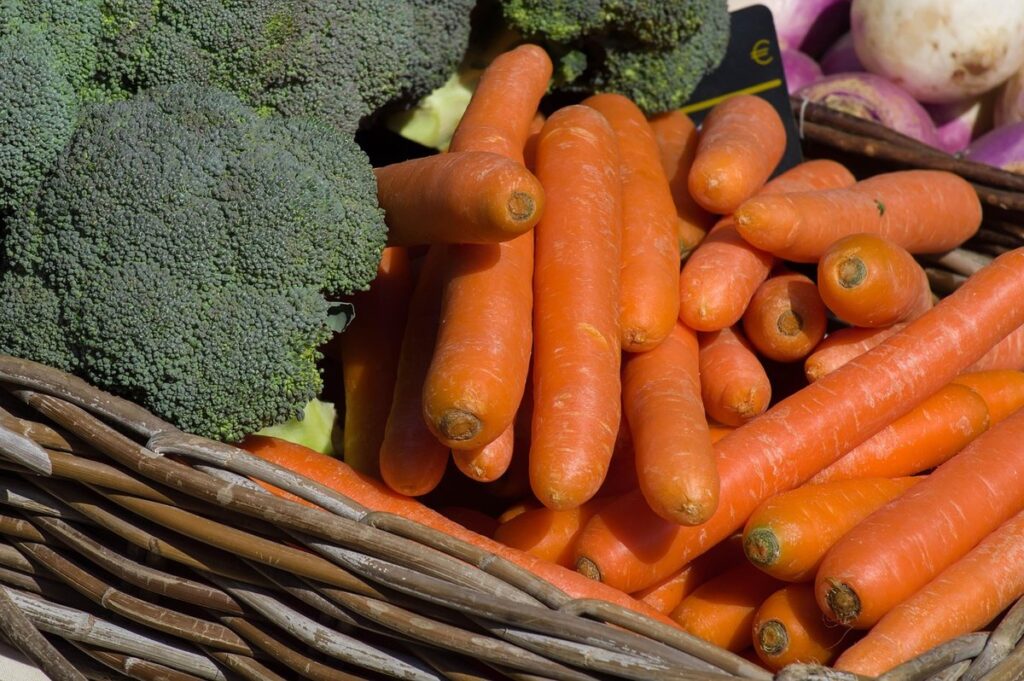
Understanding the Broccoli Cabbage Family
The broccoli cabbage family, also known as Brassicaceae, includes a diverse range of vegetables that are often overlooked in garden rotations. Let’s take a closer look at this fascinating group.
What is the Broccoli Cabbage Family?
The broccoli cabbage family is a group of delicious and nutritious vegetables that are closely related to each other in terms of their botanical classification. To break it down simply, the broccoli cabbage family includes a range of popular veggies like cauliflower, kale, bok choy, collard greens, mustard greens, rutabaga, turnips, radishes, arugula, watercress, and Chinese broccoli.
What’s remarkable about this group is that they all belong to the Brassica genus, which means they share a common ancestor and have many similarities in terms of their growth habits, nutritional profiles, and culinary uses. For instance, cauliflower and broccoli are often used interchangeably in recipes due to their similar textures and flavors. Similarly, kale and collard greens are both leafy greens that can be cooked or eaten raw.
Understanding the broccoli cabbage family is essential for effective crop rotation strategies. By recognizing which veggies belong to this group, gardeners can plan their planting schedules more effectively, avoid pests and diseases, and create a balanced ecosystem in their gardens.
Importance of Crop Diversity
Crop diversity is the backbone of sustainable agriculture, and within the broccoli cabbage family, it’s especially crucial for maintaining soil health and preventing pests and diseases. When you grow multiple varieties of crops in rotation, you’re not only reducing the risk of pest and disease outbreaks but also promoting a more balanced ecosystem.
This balance is achieved through the unique characteristics of each crop variety. For instance, broccoli repels cabbage moths with its strong scent, while cauliflower attracts beneficial insects that prey on pests. When these varieties are grown together in rotation, you’re creating a harmonious relationship between them, allowing for natural pest control and minimizing the need for chemical pesticides.
To implement effective crop rotation within the broccoli cabbage family, start by identifying which crops have compatible growth requirements and characteristics. Then, plan your rotation schedule to ensure that each crop is given adequate time to thrive before moving on to the next variety. By doing so, you’ll not only maintain soil health but also create a more resilient ecosystem that’s better equipped to withstand pests and diseases.
Challenges of Continuous Broccoli Cabbage Planting
As you continue to plant broccoli cabbage family members one after another, it’s common to encounter challenges that can impact crop yields and overall garden health. Let’s take a closer look at some of these obstacles.
Soil Degradation and Nutrient Depletion
When you plant broccoli, cabbage, cauliflower, and their relatives repeatedly without rotation, it can lead to significant soil degradation. This is because these vegetables belong to the Brassica family, which has specific nutrient requirements that can deplete the soil over time.
For instance, broccoli and other Brassicas are heavy feeders of nitrogen, phosphorus, and potassium. If you plant them too frequently in the same spot, you may be draining the soil’s nutrients without replenishing them. This can lead to reduced yields, stunted growth, and increased susceptibility to pests and diseases.
To avoid this problem, it’s essential to rotate your broccoli cabbage family vegetables with other crops that have different nutrient requirements. For example, planting corn or beans after broccoli will help restore the nitrogen levels in the soil, while rotating with legumes like peas can replenish phosphorus and potassium. By implementing a rotation plan, you’ll not only maintain soil health but also improve crop yields and reduce reliance on synthetic fertilizers.
Increased Risk of Pests and Diseases
Continuous planting of broccoli cabbage family members creates an environment that fosters the growth and development of pests and diseases. When you plant the same crops repeatedly in the same area, it disrupts the natural balance between beneficial organisms and pathogens. This can lead to a buildup of disease-causing microorganisms and pest populations.
For example, if you consistently grow broccoli or cauliflower in the same spot, you may inadvertently create an environment that’s conducive to club root disease, which affects brassica crops. Similarly, pests like aphids, whiteflies, and spider mites thrive in environments with high levels of plant moisture and nutrients, conditions often created by continuous planting.
To mitigate this risk, consider rotating your broccoli cabbage family members to a new area or breaking up the crop cycle with other non-brassica plants. This not only helps control pest and disease outbreaks but also promotes soil health and fertility, leading to healthier crops in the long run. By incorporating rotation into your gardening plan, you’ll be better equipped to manage these challenges and ensure a more sustainable and productive harvest.
Benefits of Rotating Broccoli Cabbage Family Vegetables
Rotating broccoli cabbage family vegetables can help reduce pests and diseases that target these crops, ensuring healthier yields for your garden. By doing so, you’ll also improve soil fertility and overall plant growth.
Improved Soil Health
Rotating broccoli cabbage family vegetables can have a profound impact on the health of your soil. One key benefit is the increased availability of essential nutrients. These crops are known to draw out heavy metals and other minerals from the soil, leaving behind a nutrient-rich profile that’s perfect for future plantings.
When you rotate broccoli cabbage family members, you’re also improving the overall structure of the soil. The taproots of these plants help break up compacted soil, allowing air and water to penetrate more easily. This not only benefits the next crop in line but also promotes healthy microbial activity.
In addition to improved nutrient availability and structure, rotating broccoli cabbage family vegetables can also reduce soil erosion and retain moisture levels. By adopting a rotation plan that includes these crops, you’re investing in long-term soil health – a crucial aspect of sustainable gardening. To reap these benefits, be sure to incorporate a diverse range of broccoli cabbage family members into your rotation, including different varieties of broccoli, cauliflower, kale, and cabbage.
Enhanced Crop Yields and Quality
When you rotate broccoli cabbage family vegetables into your garden, one of the most significant benefits is the enhanced crop yields and quality they produce. This is due to several factors that are influenced by the rotation process.
Crop rotation breaks up soil-borne diseases and pests that can be prevalent in areas where the same vegetable families are continuously planted. By changing the type of vegetables you grow each season, you reduce the likelihood of disease buildup and pest infestations. For instance, if you’ve been growing a large quantity of broccoli for several seasons, moving to cabbage or cauliflower can help break up any underlying fungal diseases that may be affecting your broccoli plants.
Not only do crop rotations lead to healthier crops, but they also boost yields due to the soil’s rejuvenation process. Different vegetables have unique nutrient requirements and growth habits that impact soil fertility and structure over time. When you rotate in a new family of vegetables, their needs often overlap or complement those of the previous crop, leading to improved soil health and increased nutrient availability for future crops.
In addition, rotating broccoli cabbage family vegetables can result in better flavor due to reduced stress levels on individual plants. Plants grown in rotation tend to be more robust and resilient, with stronger defenses against pests and diseases. This can lead to a superior taste experience when enjoying your homegrown harvest.
Implementing a Broccoli Cabbage Family Rotation Plan
Now that you know why rotation is crucial, let’s dive into the nitty-gritty of implementing a broccoli cabbage family rotation plan in your garden. This involves planning and preparation to ensure a smooth transition between crop cycles.
Determining Your Soil Type and Climate
Understanding your local climate and soil type is crucial when developing a broccoli cabbage family rotation plan. The specific conditions of your area will determine which crops can thrive, and which may struggle to grow. For instance, if you live in an area with high humidity, it’s essential to choose varieties that are resistant to fungal diseases. On the other hand, if your soil is heavy clay or sandy, selecting crops that prefer those conditions will yield better results.
To determine your local climate, research the average temperature and precipitation patterns for your region. This information can be found on websites like the National Weather Service or by consulting with a local nursery or extension office. When it comes to soil type, test kits are available at most garden centers that can provide an accurate reading of your soil’s pH level and nutrient content.
With this knowledge, you’ll be able to tailor your rotation plan to suit the specific needs of your land. For example, if your soil is alkaline, planting broccoli or cauliflower may not thrive due to their preference for acidic conditions. By understanding these factors, you can create a rotation that maximizes crop yields and minimizes waste.
Selecting Rotated Vegetables
When selecting vegetables to rotate into your broccoli cabbage family rotation plan, consider their companion planting needs and crop maturity times. Companion planting involves pairing vegetables that complement each other’s growth habits, reducing pests and diseases, and increasing yields.
For example, planting marigolds alongside broccoli can deter nematodes, a common pest affecting this crop. Similarly, carrots and beets benefit from the shade provided by cabbage, which reduces competition for light and water.
When choosing vegetables to rotate in, also consider their maturity times. Fast-maturing crops like radishes and lettuce can be planted between rows of slower-growing broccoli and cabbage. This allows you to make the most of your garden space and prevent soil depletion.
Some other factors to keep in mind include the nutrient requirements of each crop and their potential impact on soil health. For instance, plants like beans and peas are nitrogen-fixing, while others like tomatoes and cucumbers may deplete the soil of certain nutrients if not managed properly. By carefully selecting your rotated vegetables, you can create a balanced and sustainable garden ecosystem.
Specific Broccoli Cabbage Family Rotation Examples
Now that you know why rotating your broccoli family crops is crucial, let’s dive into some practical examples to help you get started with your own rotation plan.
Example 1: Spring-Broccoli-Kale-Radish Cycle
In this example, we’ll explore a sample rotation plan that incorporates different members of the broccoli cabbage family. Let’s take a closer look at the Spring-Broccoli-Kale-Radish cycle, which is a great illustration of how to create a balanced and diverse rotation.
This cycle starts with spring broccoli, which is planted in early spring as soon as the soil can be worked. As the broccoli begins to bolt (go to seed), we replace it with kale or other brassicas like collard greens or kohlrabi. This not only utilizes the space but also prevents pests and diseases from building up. After about 60 days, when the kale starts to flower, we remove it and plant radishes in its place.
This rotation has several benefits. For one, it reduces the risk of pests and diseases that can affect broccoli and other brassicas. By introducing a different crop like kale or radish, which have their own unique pest management strategies, we create a more resilient ecosystem. Additionally, this cycle allows for continuous harvests throughout the growing season, making the most of our space and increasing overall productivity.
Example 2: Summer-Cauliflower-Brussels Sprouts-Bok Choy Cycle
In this example, we’ll explore another rotation scenario within the broccoli cabbage family. Let’s consider a cycle that combines summer-cauliflower-Brussels sprouts-bok choy. This rotation allows you to grow multiple vegetables from the same family while minimizing pests and diseases.
To begin with, sow cauliflower in early spring or late summer for a summer harvest. After cauliflower has finished its season, remove the plants, and prepare the soil for Brussels sprouts. Sow Brussels sprouts seeds about 12-14 weeks before the first frost, allowing them to mature through the winter months. As Brussels sprouts finish their cycle, clear the area for bok choy. Sow bok choy seeds in early spring or late summer, and it will be ready for harvest within 40-50 days.
This rotation benefits from the complementary growth habits of these vegetables. Cauliflower’s sprawling nature shades the soil, creating a cooler environment that Brussels sprouts appreciate. Meanwhile, bok choy’s fast-growing cycle allows you to quickly replace the spent Brussels sprouts plants and maintain soil health.
Monitoring and Adjusting Your Broccoli Cabbage Family Rotation
To keep your broccoli cabbage family rotation on track, you’ll need to monitor its progress and make adjustments as needed to prevent pests, diseases, and nutrient deficiencies. This involves regular checks on crop health.
Tracking Crop Performance and Soil Health
Monitoring crop performance is crucial to optimizing your broccoli cabbage family rotation. To do this effectively, you’ll need to track key metrics such as plant growth, yield, and pest/disease resistance. Regularly inspect your crops for signs of stress or nutrient deficiencies, taking note of any issues that arise.
Keep a detailed record of your observations and measurements, using data loggers or mobile apps to collect and analyze information on temperature, soil moisture, and sunlight exposure. This will enable you to identify trends and patterns in crop performance over time.
Use this data to adjust your rotation plan as needed, making informed decisions about which varieties to plant where and when. Consider implementing a crop monitoring schedule that involves regular visits to the field at key growth stages.
When evaluating soil health, pay attention to indicators such as pH levels, nutrient content, and structure. Test your soil regularly to determine whether it’s meeting the needs of your broccoli cabbage crops. Make adjustments to your fertilizer application or irrigation routine based on these findings. By combining data-driven insights with practical experience, you’ll be able to refine your rotation strategy and achieve better yields over time.
Addressing Common Challenges
When implementing a broccoli cabbage family rotation, you may encounter some common challenges that can hinder your progress. One of the most significant issues is pest management. Pests like aphids, whiteflies, and slugs can quickly spread throughout your garden, damaging your crops. To overcome this challenge, consider using integrated pest management (IPM) techniques. This approach combines physical barriers, cultural controls, and biological controls to minimize chemical usage.
For instance, you can use row covers to prevent pests from reaching your plants, or introduce beneficial insects like ladybugs that prey on aphids. Weather-related issues are another common challenge in broccoli cabbage family rotation. Extreme temperatures, droughts, or excessive rainfall can cause stress to your plants, leading to reduced yields and lower quality crops.
To mitigate these effects, ensure you have a diverse crop selection within the broccoli cabbage family, which will help you adapt to changing weather conditions. Additionally, implement strategies like mulching to retain moisture, reduce soil temperature fluctuations, and suppress weeds that compete with your crops for resources.
Frequently Asked Questions
How do I know which broccoli cabbage family vegetables to rotate together?
When selecting rotated vegetables, consider their growth habits, space requirements, and soil preferences. For example, plants like broccoli and cauliflower require full sun and well-draining soil, while kale and bok choy prefer partial shade and moist conditions. Grouping compatible crops will help ensure optimal growth and reduce competition for resources.
Can I still grow other vegetables in the same area after rotating broccoli cabbage family members?
Yes, you can continue growing non-brassica vegetables like tomatoes, peppers, or eggplants in areas previously occupied by broccoli cabbage family members. However, consider using crop rotation principles to alternate between plant families (e.g., nightshades, solanaceae) and brassicas to maintain soil health and reduce pest issues.
What’s the best way to monitor crop performance and adjust my rotation plan accordingly?
Regularly inspect your crops for signs of stress, pests, or diseases. Track which vegetables thrive in specific conditions, noting factors like temperature, moisture levels, and sunlight exposure. Adjust your rotation plan based on this information to create a tailored strategy that works best for your garden’s unique characteristics.
How long does it take to see the benefits of broccoli cabbage family crop rotation?
The effects of crop rotation can be observed within a single growing season, but optimal results may require several seasons of implementation. Be patient and monitor your soil health, pest populations, and crop yields over time to appreciate the full benefits of rotating broccoli cabbage family vegetables.
Can I use cover crops between broccoli cabbage family rotations to improve soil health?
Yes! Cover crops like winter rye, hairy vetch, or clover can help replenish nutrients, suppress weeds, and attract beneficial insects. Planting cover crops between rotations can enhance soil fertility, structure, and overall ecosystem balance, further supporting the long-term success of your broccoli cabbage family rotation plan.