
If you’re a blueberry enthusiast like me, you know that these tiny superfruits require TLC to thrive. One crucial aspect of blueberry care is mulching – and trust me, it’s not just about keeping weeds at bay! Mulching for your blueberries can improve soil health in ways you never thought possible. By retaining moisture and regulating soil temperature, mulch helps prevent water loss and promotes healthy growth. But with so many types of mulch on the market, where do you even start? That’s why we’ve put together this comprehensive guide to expert mulching tips and techniques for your blueberry garden. In this article, we’ll walk you through the benefits of mulching, share our top picks for the best mulches for blueberries, and provide actionable advice on how to get the most out of your mulch.
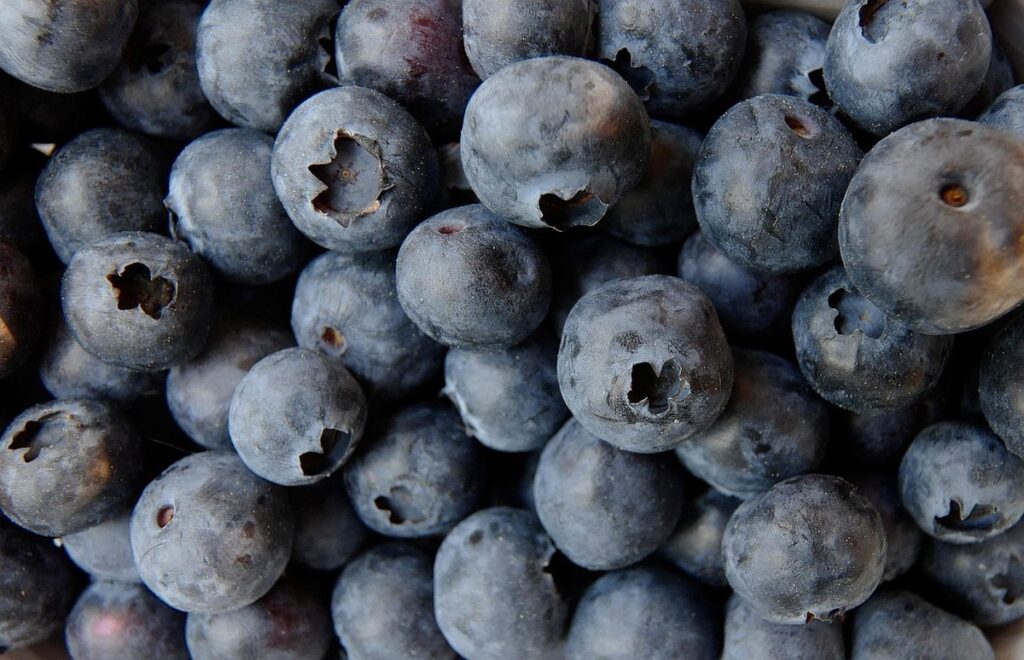
Benefits of Mulching Blueberries
Mulching blueberries not only retains moisture but also suppresses weeds, reduces soil erosion, and regulates soil temperature for healthier plants. Let’s explore these benefits in more detail.
Improving Soil Health and Fertility
Mulching plays a crucial role in maintaining healthy and fertile soil for blueberry cultivation. As organic matter decomposes, it releases essential nutrients that improve soil structure, increasing water retention and aeration. This allows roots to grow deeper, making plants more resilient to droughts and other environmental stressors.
By incorporating mulch into your blueberry garden, you’re supporting the growth of beneficial microbes that break down complex compounds into simpler forms. These microorganisms help to regulate nutrient availability, suppress diseases, and even stimulate plant growth hormones. As a result, mulching can lead to increased yields, improved fruit quality, and enhanced overall plant health.
To maximize the benefits of mulching on soil fertility, aim to maintain a 2-3 inch layer of organic material around your blueberry plants. You can mix different types of mulch, such as wood chips, bark, or straw, to create a diverse ecosystem that supports a wide range of beneficial microbes.
Reducing Water Loss and Retention
Mulch plays a crucial role in maintaining optimal water conditions for blueberries. By reducing water loss and retention, mulched soil helps promote efficient watering practices that save you time and resources. Mulch acts as an insulating barrier between the soil and the air, preventing excessive moisture evaporation. This means your blueberry plants receive consistent moisture levels, even during hot summer months.
In addition to retaining moisture, mulch also suppresses weed growth, which can compete with blueberries for water. By minimizing weed interference, you ensure that more water reaches the roots of your blueberries where it’s needed most. A layer of organic mulch around 2-3 inches thick is ideal for maintaining a consistent microclimate.
Proper mulching techniques also promote deeper root growth in blueberries, enabling them to access water more efficiently. When establishing new blueberry plants, consider incorporating a mix of compost and well-draining materials like pine straw or bark chips into the planting hole. This blend will not only help with water retention but also provide essential nutrients as it breaks down over time.
Choosing the Right Mulch for Blueberries
When it comes to mulching blueberries, selecting the right type of material is crucial for their health and success. Let’s explore the best mulch options for your blueberry plants.
Organic vs. Inorganic Mulches
When it comes to mulching blueberries, you have two main options: organic and inorganic mulches. Organic mulches are derived from natural materials like wood chips, bark, and leaves, while inorganic mulches are made from synthetic materials such as plastic sheeting or fabric.
Organic mulches are a popular choice for blueberry gardens because they help retain moisture, suppress weeds, and regulate soil temperature. Wood chips, for example, can be sourced locally and are often inexpensive. However, they may break down over time, requiring replenishment. Bark mulch is another option that provides good insulation but can be more expensive than wood chips.
Inorganic mulches, on the other hand, offer a longer-lasting solution but may not provide the same benefits as organic mulches. Plastic sheeting, for instance, prevents weeds from growing and retains moisture, but it can also prevent water from reaching the roots of your blueberries. Fabric mulch is another inorganic option that allows for airflow and water penetration.
Ultimately, the choice between organic and inorganic mulches comes down to personal preference, budget, and specific garden needs. Consider factors like ease of application, durability, and potential impact on soil health when making your decision.
Considerations for Specific Blueberry Varieties
When it comes to mulching blueberries, not all varieties are created equal. Different types of blueberry bushes have unique needs that may require specific mulch considerations.
For example, rabbiteye and southern highbush blueberries tend to be more drought-tolerant than northern highbush varieties, which can make them more susceptible to moisture-related issues like root rot. To combat this, use a breathable, organic mulch like pine straw or shredded bark that allows for airflow and helps prevent water from accumulating around the roots.
On the other hand, some blueberry varieties like ‘Tophat’ and ‘Bluecrop’ are known to be more susceptible to disease. In these cases, using a mulch with built-in antifungal properties like cedar sawdust or cypress mulch can help reduce the risk of disease.
Regardless of variety, it’s essential to choose a mulch that is free from contaminants and has not been treated with chemicals that could harm your blueberries. Always read labels carefully and opt for certified organic or locally sourced options whenever possible.
In addition to choosing the right type of mulch, it’s also crucial to apply it correctly. Mulch should be applied in a 2-3 inch layer around the base of the plants, keeping a few inches clear of the crown to prevent moisture from accumulating and causing rot.
Mulching Techniques for Blueberries
When it comes to mulching blueberry bushes, choosing the right technique can make all the difference in promoting healthy growth and fruit production. In this section, we’ll explore effective methods to mulch your blueberries.
Spreading and Layering the Mulch
When spreading and layering mulch around your blueberry plants, it’s essential to follow some key guidelines. Start by creating a 3-4 inch deep layer of organic mulch around the plant, extending out about 12 inches from the crown. This will help retain moisture, suppress weeds, and regulate soil temperature.
As you add more layers, aim for an overall depth of 6-8 inches. Keep in mind that too much mulch can cause roots to rot, so it’s crucial to balance coverage with breathability. Avoid piling mulch against the plant stem or trunk, as this can lead to moisture accumulation and disease.
To ensure even coverage, apply a thin layer (about 1/4 inch) of wood chips or straw first, followed by a thicker layer (2-3 inches) of compost or aged manure. This layered approach will provide a mix of moisture retention and nutrient release for your blueberry plants. As the mulch breaks down, you can replenish it with new material to maintain the desired depth and coverage.
Maintaining a Healthy Mulch Layer
As you continue to nurture your blueberries with a healthy mulch layer, it’s essential to replenish and refresh it regularly to maintain its effectiveness. Mulch acts as a protective barrier against weeds, retains moisture, and regulates soil temperature, but its benefits can quickly diminish if not refreshed.
Aim to replenish the mulch layer every 2-3 years, or whenever you notice its thickness has significantly reduced. For example, if you’re using organic mulch like wood chips or bark, you may need to add a fresh layer as soon as it breaks down and starts to decompose. On average, it takes around 1-2 years for organic mulch to break down completely.
When replenishing the mulch layer, make sure to remove any dead or decaying material first. This will prevent the spread of disease and pests in your blueberry patch. Add a fresh layer of 2-3 inches of mulch, spreading it evenly around the plants to ensure uniform coverage. Remember to keep the mulch layer at least 6 inches away from the base of the blueberry bushes to prevent moisture buildup and potential fungal diseases.
Common Mulching Mistakes to Avoid
Mulch care can be easy to get wrong, and neglecting these common mistakes could actually harm your blueberry plants instead of helping them thrive. Let’s take a closer look at what to avoid.
Over-Mulching and Under-Mulching
When it comes to mulching blueberries, it’s easy to get carried away and over-mulch or under-mulch. Both scenarios can have negative consequences for the health of your plants.
Over-mulching occurs when you apply too thick a layer of mulch, often 6 inches or more, which can cause root suffocation. As roots struggle to breathe, growth slows down and disease sets in. For example, if you cover the entire area around your blueberries with wood chips or straw without leaving any gaps for air to circulate, you’re likely over-mulching.
Under-mulching is equally problematic, as it leaves the soil vulnerable to erosion and temperature fluctuations. Blueberry roots prefer a consistent environment, but when exposed to extreme temperatures, they can suffer damage. A thin layer of mulch – just 2-3 inches deep – might not provide sufficient protection against these threats.
To avoid both over-mulching and under-mulching, aim for a balance by maintaining a 2-4 inch thick layer of organic material around your blueberries. This will help retain moisture, regulate soil temperature, and suppress weeds without choking off the roots.
Mulch Volatile Organic Compounds (VOCs) Concerns
When it comes to mulching around blueberries, there’s another important consideration beyond soil health and moisture retention: volatile organic compounds (VOCs). These emissions can have a direct impact on both the flavor and aroma of your blueberries.
Research has shown that some types of mulch, particularly those made from softwoods like pine or spruce, contain high levels of VOCs. These chemicals can vaporize into the air and potentially transfer to your plants through leaf surfaces or soil. While not necessarily toxic, VOCs have been linked to off-flavors and reduced shelf life in blueberries.
As a blueberry grower, you may be concerned about how these emissions could affect human health as well. Studies have shown that prolonged exposure to certain VOCs can cause respiratory issues and other adverse effects. If you’re using softwood mulch, it’s essential to take precautions: ensure good ventilation around your plants, use a physical barrier to prevent direct contact between the mulch and soil or leaves, and consider switching to hardwood-based alternatives.
To minimize VOC-related concerns when choosing a mulch for blueberries, look for products made from hardwoods like oak or maple – these tend to have significantly lower emission rates.
Long-Term Benefits of Blueberry Mulching
When you’ve mastered the basics of blueberry mulching, it’s time to explore the long-term benefits that will make your efforts truly worthwhile. This is where your garden really starts to thrive and produce amazing results.
Pest and Disease Management
Mulching can play a significant role in reducing pest and disease pressure on blueberry plants. When applied consistently, mulch creates an unfavorable environment for pests to thrive. For instance, insects like aphids and spider mites find it difficult to navigate through thick layers of organic matter, thereby limiting their ability to infest the plant.
Similarly, diseases such as powdery mildew and botrytis are discouraged by a moist-free mulch layer that prevents water accumulation on leaves. This is especially crucial for blueberry plants, which are prone to fungal infections due to their high moisture requirements.
To achieve effective pest and disease management through mulching, focus on using materials with good water-holding capacities, such as pine straw or wood chips. Apply a 3-4 inch layer around the base of your blueberry plant, keeping it at least 6 inches away from the crown to prevent moisture accumulation. Regularly replenish the mulch as it breaks down over time to maintain its effectiveness and ensure a healthy growing environment for your blueberries.
Increased Yields and Fruit Quality
Mulching is one of the most effective ways to boost blueberry yields and improve fruit quality. When done correctly, it can lead to a significant increase in crop production. For instance, research has shown that mulched blueberries can produce up to 20% more fruit than those not receiving this treatment.
One key factor contributing to increased yields is the regulation of soil temperature. Mulch acts as an insulating barrier, keeping the roots cool during hot summer months and protecting them from extreme cold in winter. This consistent temperature helps promote healthy root growth, which is essential for nutrient uptake and overall plant vitality.
Another benefit of mulching on blueberry fruit quality is reduced water usage. By retaining moisture in the soil, mulch minimizes the need for frequent watering, reducing stress on plants and helping to maintain even ripening patterns. This results in more consistent flavor and texture, making your homegrown blueberries all the sweeter.
Regular mulching also promotes a balanced nutrient profile in the soil, which is critical for optimal fruit production. By suppressing weeds and preventing erosion, mulch allows beneficial microorganisms to thrive, further enriching the soil ecosystem.
Additional Tips for Effective Blueberry Mulching
To really get the most out of your blueberry mulching, you’ll want to consider a few extra tips that can help ensure optimal results and healthy plants. These expert recommendations will take your technique to the next level.
Composting and Mulch Tea
When you’ve accumulated enough blueberry mulch from your harvest, consider repurposing it as a natural fertilizer. Creating compost tea or mulch liquid can provide your plants with essential nutrients, promoting healthy growth and fruit production. To make mulch tea, fill a large bucket (at least 5-gallon capacity) with the mulch, leaving about an inch of space at the top.
Next, add water to the bucket, making sure that the mulch is fully submerged. The recommended ratio is one part mulch to ten parts water. For example, if you’re using five gallons of water, add half a gallon of mulch. Secure a lid on the bucket and let it steep for 24-48 hours.
Once the mixture has steeped, carefully strain it through a cheesecloth or a fine-mesh sieve into another container. Discard the solids and reserve the liquid compost tea. This nutrient-rich solution can be applied directly to your blueberry plants as a foliar spray or added to the soil as an organic fertilizer.
Seasonal Mulching Adjustments
As you continue to care for your blueberry plants, it’s essential to adjust your mulching practices throughout the year to accommodate different climate conditions. This will not only help maintain a healthy plant but also ensure that your berries receive optimal growing conditions.
In regions with hot summers, it’s crucial to increase mulching depth during this period. A 3-4 inch layer of organic mulch can provide sufficient protection from heat stress and retain moisture in the soil. As summer gives way to autumn, you can reduce the mulching depth by about an inch, allowing for better drainage and air circulation around the plants.
In contrast, winter months require a different approach. A thicker layer of mulch (around 6-8 inches) will help protect the plants from frost and freezing temperatures. However, be sure to remove any dead or rotting mulch in early spring to prevent disease from spreading.
Keep an eye on weather forecasts during particularly harsh winters or dry spells, and adjust your mulching practices accordingly.
Frequently Asked Questions
Can I use mulch on blueberry plants that are already established, or is it best for newly planted ones?
You can use mulch on established blueberry plants as well. In fact, mulching mature plants can help suppress weeds and retain moisture in the soil, reducing stress on the plant. When applying mulch to existing plants, be sure to create a 3-4 inch layer around the base of the plant, keeping it a few inches away from the stem to prevent rot.
How often should I replenish my blueberry garden’s mulch layer?
The frequency of replenishing your mulch layer depends on various factors such as climate, soil type, and growth rate. Generally, you’ll need to replenish the mulch every 6-12 months, especially after heavy rainfall or when weeds start to reappear. Regularly check the mulch depth and add more material as needed to maintain an optimal 3-4 inch layer.
What if I’m using a mulching technique that involves creating a raised bed? How do I ensure my blueberry plants receive adequate water?
When building a raised bed, make sure it has proper drainage holes to prevent waterlogged soil. This is crucial for blueberries, which prefer well-draining conditions. You can also use organic mulches like wood chips or straw, which allow excess water to pass through while retaining moisture in the top layer.
Can I mix different types of mulch together, or should I stick to a single type?
Yes, you can mix different types of mulch together to create a blend that suits your blueberry garden’s needs. For example, combining organic mulches like wood chips and straw can provide both weed suppression and moisture retention. However, be cautious when mixing mulches with varying textures or acidity levels, as this may affect the soil pH.
How do I know if my mulch layer is too thick, potentially harming my blueberry plants?
Check for signs of mulch-related problems such as waterlogging, root rot, or reduced plant growth. A 3-4 inch mulch layer is generally sufficient; any thicker than this can cause more harm than good. If you notice your mulch layer has grown excessively thick, carefully remove the excess material and maintain a manageable thickness to prevent potential issues.