
Are you struggling to keep your strawberry, blueberry, and raspberry plants thriving? Choosing the right fertilizer can be overwhelming, especially with so many options available. As a berry plant enthusiast, you know that fertilizing your plants is crucial for healthy growth and high yields. But what’s the best way to go about it?
In this article, we’ll explore the world of berry plant fertilizer, covering both organic and synthetic options. You’ll learn how to create your own DIY recipes using natural ingredients like compost and manure tea. We’ll also discuss best practices for application, including when and how often to fertilize. Whether you’re a seasoned gardener or just starting out, this guide will help you make informed decisions about what’s best for your berry plants. By the end of this article, you’ll be equipped with the knowledge to give your berries the nutrients they need to thrive.
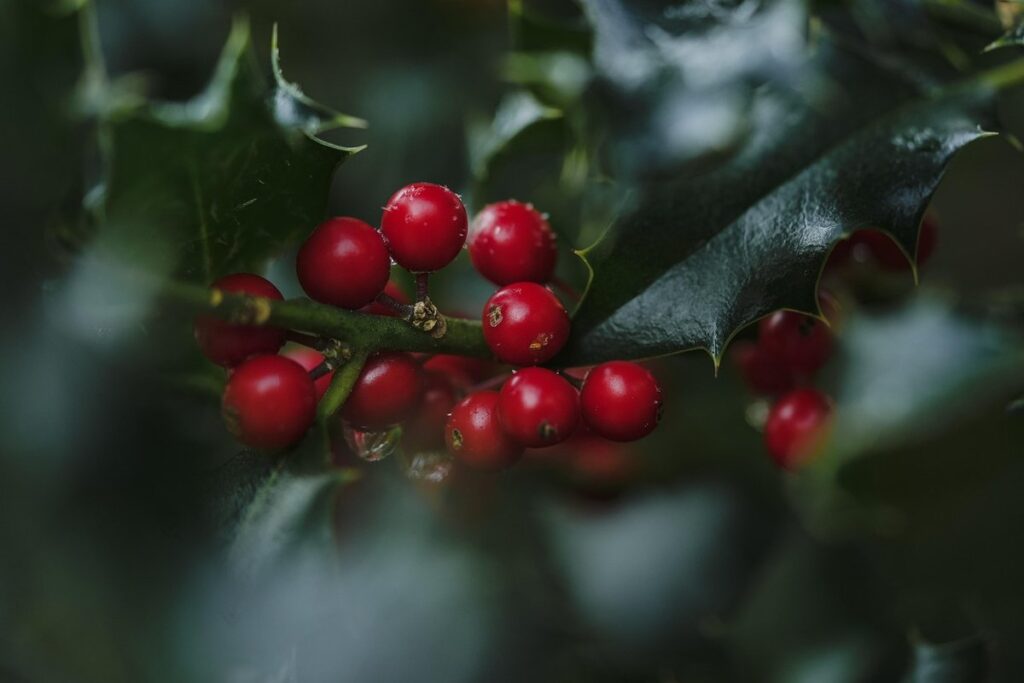
Understanding Your Berry Plants’ Nutritional Needs
When it comes to fertilizing your berry plants, understanding their specific nutritional needs is crucial for optimal growth and production. Let’s break down what nutrients your berries require.
Recognizing Deficiencies in Common Berry Plants
When it comes to berry plants like strawberries, blueberries, and raspberries, common deficiencies can arise due to inadequate soil nutrients. For instance, strawberry plants are often susceptible to magnesium deficiency, which causes yellowing leaves and reduced fruit production. To identify this issue, look for interveinal chlorosis – the yellowing of leaf tissue between the veins. Blueberry plants, on the other hand, may experience iron or manganese deficiencies, leading to stunted growth and poor fruit color.
Raspberries are not immune either, often struggling with potassium deficiency that manifests as scorched tips and reduced yields. Regular soil testing can help detect these issues early on, allowing you to take corrective action through targeted fertilization. For example, if a magnesium test reveals low levels, apply a balanced fertilizer rich in this essential nutrient to prevent further damage.
Some common signs of deficiencies include:
* Interveinal chlorosis (yellowing between veins)
* Stunted growth
* Reduced fruit production or poor coloration
* Scorched tips
Monitoring your plants’ growth and taking regular soil tests can help you catch these issues before they become severe. By understanding the specific needs of your berry plants, you’ll be better equipped to provide them with the right nutrients through targeted fertilization practices.
Factors Affecting Nutrient Uptake by Berry Plants
Berry plants’ nutrient uptake is heavily influenced by several factors that can either enhance or hinder their ability to absorb essential nutrients. Soil pH, for instance, plays a significant role as most berry varieties prefer slightly acidic conditions (pH 5.5-6.5) to grow optimally. When the soil’s pH deviates significantly from this range, nutrient availability is affected, impacting the plant’s overall health.
Temperature fluctuations can also affect nutrient uptake by berry plants. Extreme temperatures can stress the plant, impairing its ability to absorb nutrients through root development and metabolic processes. For example, blueberry plants grown in hot climates may exhibit signs of nutrient deficiencies due to their inability to absorb essential micronutrients.
Watering schedules are another critical factor that affects nutrient uptake. Inconsistent or excessive watering can cause nutrient leaching from the soil, reducing the available nutrient pool for berry plants. To optimize nutrient absorption, it’s crucial to maintain a consistent and balanced watering schedule that matches your specific climate and soil conditions.
Types of Fertilizers for Berry Plants
When it comes to feeding your berry plants, understanding the different types of fertilizers available is crucial. Let’s dive into the various options you have to choose from.
Organic Fertilizers: Manure, Compost, and More
When it comes to fertilizing your berry plants, you may be wondering about the benefits of using organic options. Organic fertilizers are a popular choice for gardeners looking for a more natural and sustainable approach to plant care.
One of the most well-known organic fertilizers is compost. Compost is made from decomposed plant materials like leaves, grass clippings, and kitchen scraps. It’s an excellent source of nutrients, improving soil structure and fertility while also supporting beneficial microbes in the soil. To make your own compost, simply mix together a combination of “green” materials (like food waste) with “brown” materials (like dried leaves), keep it moist, and let nature do its magic.
Another option is manure tea, which is essentially liquid fertilizer made from steeping animal manures in water. This method helps to break down the nutrients and make them available to plants more quickly. Some gardeners also use worm castings, which are nutrient-rich vermicompost produced by worms as they break down organic matter.
Keep in mind that while these options can be effective, they may not provide an immediate boost like synthetic fertilizers do. However, with regular application and maintenance, you’ll be rewarded with healthier plants and a more balanced ecosystem.
Synthetic Fertilizers: Understanding NPK Ratios
When it comes to synthetic fertilizers, understanding NPK ratios is crucial for optimal berry plant growth. NPK stands for Nitrogen (N), Phosphorus (P), and Potassium (K), which are the three primary macronutrients essential for plant development.
The NPK ratio indicates the percentage of each nutrient in the fertilizer. For example, a 10-10-10 NPK ratio means that it contains equal amounts of nitrogen, phosphorus, and potassium – 10% of each. However, this doesn’t mean you should always choose an equal ratio. The specific needs of your berry plants will dictate the best balance.
For instance, if you’re growing strawberries or blueberries, which produce a lot of fruit, they require more potassium to support their high energy demands. A higher K content in your fertilizer can help promote root growth and overall plant health. Conversely, if you have younger plants that are focusing on vegetative growth, a higher nitrogen content might be beneficial.
When selecting synthetic fertilizers, consider the unique requirements of your berry plants and choose an NPK ratio that aligns with their needs.
DIY Berry Plant Fertilizer Recipes
Take control of your berry plant’s nutrient intake by learning how to create your own fertilizers using natural ingredients like banana peels, eggshells, and coffee grounds. We’ll share 3 simple recipes to get you started!
Homemade Manure Tea for Berry Plants
Creating homemade manure tea for berry plants is a simple and effective way to provide them with the nutrients they need. To make manure tea fertilizer, you’ll need some readily available materials: aged animal manure (such as cow or chicken), a burlap sack or mesh bag, a five-gallon bucket, water, and a string or twine.
First, fill the burlap sack or mesh bag with 1-2 cups of aged animal manure. Make sure it’s fully composted to avoid any potential burn risks for your plants. Next, tie the top of the sack securely with a string or twine. Submerge the sack in the five-gallon bucket and cover the bucket with a lid to prevent contamination.
Allow the mixture to steep for 24-48 hours. After the steeping period, remove the sack from the bucket and discard it responsibly. The resulting liquid is your manure tea fertilizer, which you can use immediately or store in an airtight container for later use. Dilute the manure tea with water at a ratio of 10:1 to prevent over-fertilization.
Compost Tea: A Natural, Nutrient-Rich Solution
Compost tea is a nutrient-rich solution that can be used as an effective and eco-friendly fertilization method for berry plants. This liquid fertilizer is made by steeping compost in water, allowing the beneficial microbes to break down and release nutrients into the water.
To brew compost tea, start by gathering a bucket or container with a lid, some aged compost, and a five-gallon water container. Fill the water container about one-quarter full of water and add one scoop (about 5-10% of the total volume) of your chosen compost to the bucket. Stir well to ensure even saturation.
Allow the mixture to steep for 24 hours in a shaded area, agitating it occasionally. This will help the beneficial microbes break down the nutrients and release them into the water. After the steeping process is complete, strain the liquid through a cheesecloth or a fine-mesh sieve into another container, discarding the solids.
This compost tea solution can then be applied to your berry plants as a foliar spray or soil drench, providing essential micronutrients and beneficial microbes to promote healthy growth.
Choosing the Right Fertilizer for Your Berry Plant Variety
When selecting a fertilizer for your berry plants, it’s essential to choose one that meets their specific nutritional needs based on variety and growth stage. Let’s dive into how to make an informed decision.
Considering pH-Specific Requirements
When it comes to fertilizing your berry plants, understanding their specific pH requirements is crucial for optimal growth and nutrient uptake. Different types of berries respond uniquely to varying soil pH levels, which can significantly impact their nutritional needs.
For instance, blueberries require a more acidic soil pH between 4.0 and 5.5, while strawberries prefer a slightly acidic to neutral range of 6.0-7.0. Raspberries, on the other hand, are relatively adaptable and thrive in a broader pH range of 5.5-7.0.
To ensure your berry plants receive the right nutrients, it’s essential to choose fertilizers tailored to their specific pH requirements. If you’re growing blueberries or cranberries, look for acidic fertilizers that contain sulfur or aluminum sulfate. For strawberries and raspberries, opt for slightly acidic to neutral fertilizers with a balanced NPK ratio.
When selecting a fertilizer, check the label for its pH level recommendation and adjust accordingly. A general rule of thumb is to choose a fertilizer with an NPK ratio closest to the plant’s optimal pH range. This will prevent over-fertilization or under-fertilization, which can lead to nutrient deficiencies or toxicity.
Understanding Berry Plant Fertilizer Labels
When deciphering berry plant fertilizer labels, you’ll often come across terms like “balanced” and “slow-release.” These phrases can give you a sense of the product’s effectiveness, but it’s essential to understand what they mean.
A “balanced” fertilizer typically contains a mix of nitrogen (N), phosphorus (P), and potassium (K) in roughly equal proportions. This balance is usually expressed as a ratio, such as 10-10-10 or 20-20-20. For example, a 10-10-10 balanced fertilizer means it contains 10% nitrogen, 10% phosphorus, and 10% potassium.
On the other hand, “slow-release” fertilizers release their nutrients gradually over time, providing consistent feeding for your berry plants. This type of fertilizer often takes longer to show results but can provide a sustained supply of nutrients.
When shopping for a fertilizer, pay attention to these labels and consider your specific needs. If you want a balanced diet for your berry plants, look for products with a clear N-P-K ratio. For more consistent feeding, opt for slow-release fertilizers.
Monitoring and Adjusting Your Fertilization Schedule
Monitoring and adjusting your fertilization schedule is crucial for optimal berry plant growth, and we’ll walk you through how to fine-tune your nutrient plan. This involves tracking progress and making adjustments as needed.
Regular Soil Tests for Optimal Nutrient Balance
Regular soil testing is crucial for maintaining an optimal nutrient balance for your berry plants. Just like our bodies need a balanced diet to stay healthy, plants require a precise mix of nutrients to thrive. Soil conditions can change over time due to factors such as weather patterns, pests, and diseases, which can lead to deficiencies or excesses in essential micronutrients.
To ensure you’re providing the best possible fertilizer for your berry plants, conduct regular soil tests. This will give you an accurate picture of your soil’s nutrient profile. Check for pH levels, nitrogen (N), phosphorus (P), potassium (K) as well as micronutrients like magnesium and sulfur. Consider using a comprehensive test kit or consulting with a local nursery or gardening expert.
For example, if your soil test reveals high levels of potassium but low levels of phosphorus, you’ll know to adjust your fertilizer accordingly. Aim for an optimal balance: 10-20% nitrogen, 5-15% phosphorus, and 10-30% potassium. Don’t forget to retest every 3-6 months as soil conditions change throughout the growing season.
Timing Fertilizer Applications with Berry Plant Growth Stages
Adjusting your fertilization schedule to match your berry plant’s growth stages is crucial for optimal nutrient uptake and healthy growth. By timing fertilizer applications according to specific growth stages, you can avoid over- or under-fertilizing, which can lead to reduced yields or weakened plants.
During the dormant season (winter), for example, it’s best to skip fertilization altogether. Berry plants need a break from excessive nutrients during this period to conserve energy and prepare for new growth in spring.
In contrast, when your berry plant is actively growing, typically during spring and summer, you’ll want to apply balanced fertilizers at regular intervals (every 4-6 weeks). This ensures that your plant has the necessary nutrients to produce a bountiful crop. For instance, if you’re using a fertilizer with a nitrogen-phosphorus-potassium (N-P-K) ratio of 10-10-10, aim to apply it during peak growth periods.
Keep in mind that specific fertilization schedules may vary depending on factors like climate, soil type, and plant variety. Consult your berry plant’s care manual or consult with a local nursery expert for tailored advice.
Safety Precautions and Best Practices When Using Berry Plant Fertilizers
When using berry plant fertilizers, it’s essential to take extra precautions to avoid any potential harm to yourself, your plants, and the environment. Let’s review some crucial safety tips and best practices.
Environmental Impact Considerations
When using berry plant fertilizers, it’s essential to consider their environmental impact. Fertilizer runoff can lead to water pollution, harming aquatic ecosystems and contaminating drinking water supplies. To minimize these risks, choose fertilizers with built-in soil retention agents or select products that are specifically designed for slow release.
Consider the local regulations in your area regarding fertilizer use and disposal. Some areas may have specific guidelines for handling waste, so it’s crucial to familiarize yourself with these requirements. When applying fertilizers, avoid over-application, as this can lead to excessive nutrient runoff.
Regular soil testing will also help you determine the optimal amount of fertilizer required, reducing the risk of over-fertilization. To further mitigate environmental impacts, consider using organic or natural fertilizers that are made from sustainable resources and have a lower environmental footprint compared to synthetic options.
By taking these precautions, you can enjoy a thriving berry plant while maintaining a responsible approach to fertilization.
Safe Handling and Storage Procedures
When working with berry plant fertilizers, it’s essential to follow safe handling and storage procedures to prevent accidents. This includes taking precautions when mixing, applying, and storing the fertilizer.
Always read the label carefully before using a new fertilizer, as some may have specific instructions or safety precautions. Wear protective clothing such as long sleeves, gloves, and eye protection to avoid skin irritation and chemical exposure. When mixing fertilizers, use a well-ventilated area and keep children and pets away.
Store fertilizers in a cool, dry place, out of reach of children and pets. Keep them away from direct sunlight and heat sources, such as water heaters or furnaces. Label the containers clearly with their contents and any necessary safety warnings.
To prevent accidental spills or over-saturation, follow the recommended application rates on the fertilizer label. If you need to store fertilizers for an extended period, consider investing in a fertilizer storage cabinet or shed with proper ventilation.
By following these guidelines, you can minimize risks associated with berry plant fertilizers and ensure your plants receive the nutrients they need to thrive.
Frequently Asked Questions
Can I mix and match different types of fertilizers to create a custom blend for my berry plants?
Yes, you can experiment with mixing organic and synthetic fertilizers, but it’s essential to understand the potential interactions between these ingredients. For example, combining manure tea with synthetic fertilizers may lead to over-fertilization. Start with small batches and monitor your plants’ responses before scaling up.
What’s the best time to fertilize my berry plants for optimal growth and fruit production?
Fertilize your berry plants during their active growth stages, typically in spring or early summer, when they require more nutrients. Avoid fertilizing during periods of high heat or drought, as this can cause stress to the plants. Also, consider pH-specific requirements and adjust your fertilizer applications accordingly.
How often should I test my soil for optimal nutrient balance?
Regular soil tests (every 6-12 months) will help you maintain an optimal nutrient balance for your berry plants. This is especially crucial if you’re using synthetic fertilizers or experiencing nutrient deficiencies. Test kits can be purchased at most gardening stores, and some extension services may offer free or low-cost testing.
Can I use compost tea as a foliar spray to provide additional nutrients to my berry plants?
Yes, compost tea can be used as a foliar spray to deliver essential micronutrients directly to your berry plants. Mix 1-2 gallons of compost tea with water and spray it on the leaves or soil according to the manufacturer’s instructions. However, ensure you’re using a high-quality compost tea that is free from contaminants.
What should I do if I accidentally over-fertilize my berry plants?
If you suspect over-fertilization, reduce fertilizer applications immediately and flush your soil with plenty of water to dilute the excess nutrients. Monitor your plants closely for signs of nutrient burn or toxicity. Consider taking a soil test to determine the optimal fertilizer application rate for your specific soil conditions.