
Bonsai trees are more than just beautiful pieces of art; they require careful attention to detail, particularly when it comes to pruning and wiring. Effective pruning and wiring techniques can make all the difference in maintaining a healthy, balanced bonsai tree that thrives for years to come.
If you’re new to the world of bonsai, mastering these essential skills will set you on the path to creating stunning trees that rival those of experienced enthusiasts. Our comprehensive guide covers everything from choosing the right tools and techniques to expert tips and tricks that’ll take your bonsai game to the next level.
In this article, we’ll delve into the world of bonsai pruning and wiring, exploring essential tools, techniques, and tips for beginners and advanced enthusiasts alike. Whether you’re looking to refresh your skills or start from scratch, our guide has got you covered, ensuring you can create a breathtaking bonsai tree that showcases your unique style.
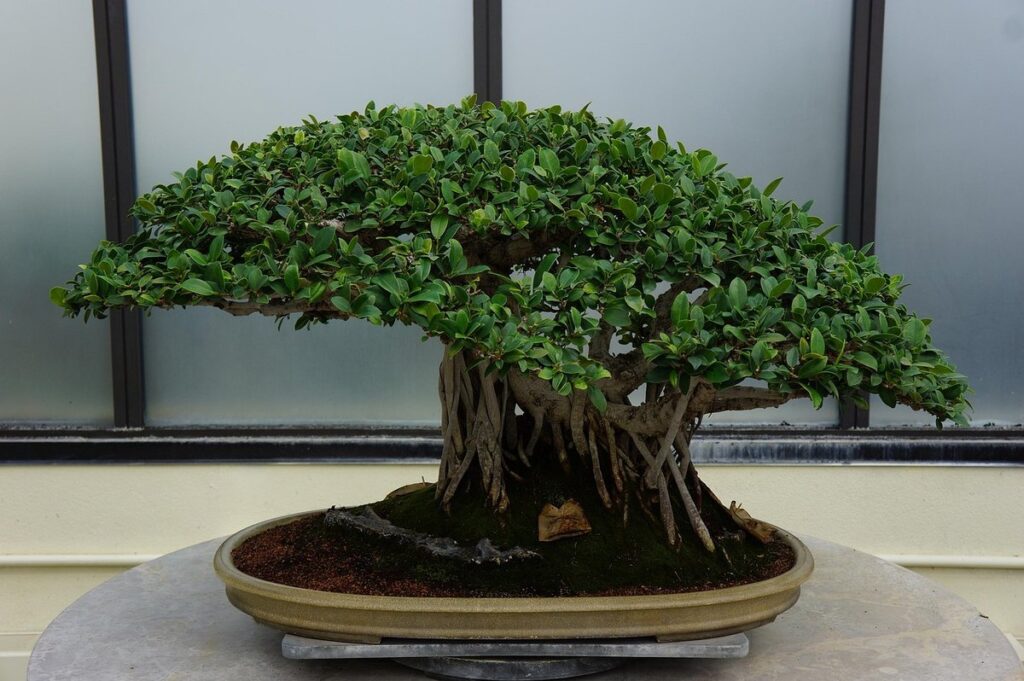
Understanding the Basics of Bonsai Pruning
Bonsai pruning is a delicate art that requires patience and precision, so let’s start by covering the fundamental techniques to get you growing beautiful bonsais. We’ll break down the basics of cutting and shaping your tree.
Why Prune a Bonsai Tree?
Pruning a bonsai tree is a crucial aspect of its cultivation, and it serves several purposes. One of the primary reasons for pruning is to maintain the desired shape and appearance of the tree. This involves trimming branches to achieve the ideal proportions, balance, and harmony between the tree’s overall form and individual components.
Pruning also plays a significant role in promoting healthy growth by removing diseased or damaged areas. When you prune, make sure to cut just above a node, as this encourages new growth from that point. This not only helps the tree recover but also strengthens its immune system. Encouraging root development is another essential function of pruning. By carefully shaping the roots and pruning back the branches, you promote a strong connection between the roots and the foliage.
When pruning your bonsai tree, it’s essential to remove no more than one-third of the total growth at any given time. This will help prevent shock to the tree and ensure it continues to thrive under your care. With regular pruning and careful attention, your bonsai tree will remain healthy, balanced, and visually appealing for years to come.
Types of Pruning in Bonsai
Pruning is an essential part of bonsai cultivation, and it’s often misunderstood as simply cutting branches. In reality, there are different techniques used to achieve specific goals, such as reduction pruning, maintenance pruning, and creative pruning.
Reduction pruning involves removing large sections of the tree to control its size or shape. This method is often used on newly acquired bonsai trees that need a significant reduction in size. For example, if you’ve purchased a young tree with an overly developed root system, you’ll use reduction pruning to carefully remove excess branches and create a more balanced structure.
Maintenance pruning, on the other hand, focuses on maintaining the overall health and appearance of the tree. This involves regular trimming of new growth to maintain shape, promote healthy development, and encourage the desired foliage pattern. For instance, if your bonsai has developed an uneven canopy, maintenance pruning will help balance it out by selectively removing branches.
Creative pruning is used for shaping and styling the tree’s silhouette. This technique requires a great deal of skill and practice to achieve the desired results. It involves strategically cutting and shaping individual branches to create unique shapes and patterns.
Basic Pruning Tools and Techniques
When it comes to bonsai pruning, having the right tools is essential for achieving precise cuts and preventing damage to your tree. At its core, a bonsai pruner’s kit should consist of three fundamental tools: scissors, concave cutters, and wire cutters.
Scissors are used for trimming small branches and delicate tips, while concave cutters come in handy for removing thicker sections of the trunk or branches. Wire cutters, on the other hand, are specifically designed to snip through the thin aluminum wires often used in bonsai wiring techniques.
To avoid shock or damage, it’s crucial to learn basic pruning techniques. This includes using a “follow-the-bark” approach when making cuts, where you follow the natural curve of the bark to minimize scarring and promote healthy growth. Additionally, always make clean, precise cuts just above a node (where a branch meets the trunk) to encourage new growth.
The Role of Wiring in Bonsai Development
Wiring is a crucial aspect of bonsai development, allowing you to shape and reposition branches without damaging them. Let’s explore how wiring can be used to achieve specific design goals in your bonsai trees.
Introduction to Bonsai Wiring
Wiring is an essential technique in bonsai development that allows you to shape and direct the growth of your tree’s branches. Without wiring, it would be extremely difficult to achieve the desired design for your bonsai, as the natural growth pattern of the tree would often contradict our intentions.
When creating a bonsai, we aim to create a visually appealing and balanced structure with harmonious lines and curves. Wiring enables us to manipulate the branch growth in a way that achieves this aesthetic goal. By carefully selecting which branches to bend or shape, you can create a sense of movement and flow throughout your tree.
Proper wiring also helps prevent unwanted forkings or splits on your bonsai’s branches. This is particularly important when working with delicate or sensitive species, as excessive branch splitting can cause irreparable damage.
Choosing the Right Wire for Your Bonsai
When it comes to choosing the right wire for your bonsai, there are several factors to consider. The two most common types of wire used in bonsai development are aluminum and copper.
Aluminum wire is a popular choice among bonsai enthusiasts due to its flexibility and affordability. It’s ideal for delicate branches and styles that require precise control. However, it can be prone to oxidation over time, which may cause unsightly discoloration on the trunk or branches.
Copper wire, on the other hand, is more durable and resistant to corrosion. It’s often used for thicker branches and styles that require a bit more force to shape. Copper wire is also a good choice if you’re working with deciduous trees, as it can withstand the rigors of seasonal changes.
To select the right gauge for specific branches or styles, consider the thickness and flexibility needed for each area. A general rule of thumb is to use thinner wire (2-3 mm) for delicate branches and thicker wire (4-5 mm) for more substantial trunks. Always read the manufacturer’s instructions and follow proper wrapping techniques to avoid damaging your tree.
Correct Wiring Techniques for Branches and Trunks
Proper wiring techniques are crucial when it comes to shaping branches and trunks in bonsai development. When working with wire, it’s essential to create clean, defined shapes without damaging the tree’s bark. To achieve this, start by cleaning the area where you’ll be applying the wire with a soft brush or cloth to remove any dirt or debris.
Next, wrap the wire around the trunk or branch in a gentle, consistent pattern, making sure not to overtighten and cause damage to the bark. It’s better to apply multiple thin layers of wire rather than one thick layer that can constrict the tree. Leave about 1/4 inch of wire exposed at the end to secure it later.
When wiring branches, use a slightly thinner gauge wire than for trunks to avoid damaging the smaller twigs and foliage. As you work, inspect your wire job regularly to ensure it’s not causing any damage or pinching the tree’s bark. Remember to remove the wire carefully once the desired shape is achieved to prevent scarring the trunk.
When wiring branches and trunks, consider the direction of growth, keeping in mind that new growth will be influenced by where you place the wire. To promote healthy growth and maintain balance, aim for a symmetrical shape with evenly spaced wires.
Advanced Pruning Techniques for Experienced Bonsai Enthusiasts
Now that you’ve mastered the fundamentals, it’s time to take your bonsai pruning skills to the next level with expert techniques for precise branch selection and strategic removal.
Reduction Pruning for Shape and Size Control
When it comes to advanced pruning techniques, reduction pruning is an essential skill for experienced bonsai enthusiasts. This technique allows you to control both size and shape of your bonsai tree by removing select branches. To identify areas that need reduction, examine your bonsai’s overall balance and proportion.
Look for sections where the canopy is overcrowded or branches are competing with each other for resources. Reduction pruning helps in addressing these issues by selectively removing weaker branches, promoting healthy growth, and maintaining a balanced silhouette. For instance, if you notice two adjacent branches growing in opposite directions, consider reducing one to create space and encourage air circulation.
When performing reduction pruning, make precise cuts just above a growth node using sharp, sterile tools. Cut at an angle, following the natural direction of the branch, and avoid removing too much tissue at once. This technique will help you refine your bonsai’s shape while maintaining its overall health and vigor. By mastering reduction pruning, you’ll be able to achieve more precise control over your bonsai’s size and silhouette.
Creative Pruning for Unique Styles and Designs
When it comes to advanced bonsai styles like Satsuki, Ficus, and Maple designs, creative pruning techniques take center stage. These unique styles require a deeper understanding of pruning principles and the ability to think outside the box. For instance, in Satsuki designs, the emphasis is on creating intricate, layered branches that resemble a natural forest floor.
To achieve this look, bonsai enthusiasts use a technique called “ramification,” where multiple branches are carefully pruned and shaped to create a dense, three-dimensional effect. Ficus designs, on the other hand, often feature dramatic, curved trunks that seem to defy gravity. To create these striking forms, bonsai artists employ techniques like wiring and pinning to shape the trunk and branch structure.
For Maple designs, the focus is on creating vibrant, dynamic shapes that evoke a sense of energy and movement. This can be achieved through careful pruning of the roots and branches to encourage new growth in desired areas. By mastering these creative pruning techniques, bonsai enthusiasts can take their art to the next level and create truly one-of-a-kind masterpieces.
Tips for Avoiding Common Mistakes in Advanced Pruning
When working with advanced bonsai trees, it’s easy to get carried away with pruning and wiring techniques. However, making common mistakes can be detrimental to the health and aesthetic of your tree. To avoid this, always remember that less is often more. Over-pruning can lead to weakened roots and a higher risk of disease.
Before you begin pruning, take the time to assess your tree’s needs. Consider its species, age, and current state. Are there any areas where branches are crossing or rubbing against each other? These should be addressed first to prevent damage and promote healthy growth.
When making cuts, always follow proper sanitation techniques to prevent the spread of disease. Use clean tools and disinfect them regularly. Cut just above a node, about one-quarter inch from the trunk. This will encourage new growth and help maintain the tree’s natural shape.
Keep an eye on your tree’s response to pruning and adjust as needed. Some species may require more or less maintenance than others. By being mindful of these factors, you can avoid common mistakes and achieve a stunning, balanced bonsai design.
Tips and Tricks for Bonsai Beginners
Now that you’ve learned the basics of bonsai pruning and wiring, let’s dive into some practical tips to help you get started with creating your own beautiful mini tree. You’ll discover essential techniques for success.
Essential Tools and Supplies
To embark on the art of bonsai pruning and wiring, you’ll need some essential tools and supplies. Don’t worry; we’ve got you covered with a list of must-haves to get started.
First and foremost, invest in a good pair of pruning scissors specifically designed for bonsai trees. These scissor sets usually include multiple blades and are made from high-quality steel that resists corrosion. Look for ones with sharp, curved blades that can cut through branches up to 1/4 inch thick.
You’ll also need a sharpener to keep your pruning tools in top condition. A whetstone or ceramic sharpener will help you maintain the perfect edge on your scissors and other pruning instruments. Regular sharpening is crucial for making precise cuts and preventing damage to your tree.
A potting kit is another essential item, which typically includes a root hook, wire cutters, and a gentle tie. These tools will come in handy when repotting your bonsai or adjusting its position within the container.
Simple Pruning Techniques for Newbies
Pruning is an essential part of bonsai tree maintenance, and it can seem intimidating for newbies. However, with a few simple techniques under your belt, you’ll be able to keep your bonsai tree healthy and thriving.
First things first: safety. Always wear protective gloves when handling pruning tools to prevent cuts and scratches. Next, choose the right tool for the job – bonsai shears are ideal for cutting small branches, while concave cutters are better suited for larger limbs. To prune a bonsai tree correctly, follow these basic steps:
* Remove any dead or diseased branches to maintain the tree’s overall health.
* Cut back new growth by about one-third to control its size and shape.
* Thin out inner branches to improve air circulation and prevent overcrowding.
Remember, it’s better to err on the side of caution. Avoid cutting too much at once – this can shock the tree and lead to further problems down the line. Instead, prune in small increments, allowing your bonsai tree time to recover between sessions. With patience and practice, you’ll become a pro at pruning your bonsai trees in no time!
Resources for Bonsai Learning
As you begin to master the art of bonsai pruning and wiring, it’s essential to have access to reliable resources that can help you stay on track. Fortunately, there are numerous online communities, tutorials, and books available for bonsai enthusiasts. Let’s start with some must-read books that every beginner should consider:
* “The Art of Bonsai” by John Naka is an excellent starting point, covering the basics of bonsai cultivation and care.
* “Bonsai: Living Art” by Michael Hagiwara provides comprehensive guidance on tree selection, pruning techniques, and wire application.
Online forums like Reddit’s r/bonsai and Bonsai Empire offer a wealth of knowledge from experienced growers. These platforms are ideal for asking questions, sharing your experiences, and learning from others in the bonsai community.
Additionally, consider subscribing to bonsai-specific YouTube channels, such as The Bonsai Channel or Bonsai Empire TV, which feature expert-led tutorials on pruning and wiring techniques. By combining these resources with hands-on practice and patience, you’ll be well-equipped to refine your skills and achieve stunning bonsai results.
Common Problems and Solutions in Bonsai Pruning
Pruning a bonsai tree can be challenging, especially when you encounter common issues that hinder its growth and shape. Let’s tackle some of these problems together and explore effective solutions to overcome them.
Identifying Over-Pruned or Under-Pruned Trees
When it comes to bonsai pruning, making mistakes can have long-lasting effects on the health and appearance of your tree. Identifying over-pruned or under-pruned trees is crucial to correct these issues before they cause irreparable damage.
Over-pruning occurs when a tree has been cut back too severely, often resulting in weak, spindly growth. This can be identified by looking for bare spots on the trunk, branches that are too thin, and leaves that appear sparse or wilted. To correct over-pruning, start by stopping all pruning activities immediately to prevent further damage. Then, begin fertilizing your tree regularly to promote healthy growth. Next, focus on developing a robust root system through techniques like air-layering.
Under-pruning is equally problematic, as it allows the tree to become too dense and unbalanced. Signs of under-pruning include branches that are overcrowded, leaving little room for light penetration, and roots that have grown too close to the surface. To address this issue, prune your tree more aggressively to promote air circulation and balance. Be sure to remove any dead or diseased wood, as well as any branches that are rubbing against each other.
It’s also essential to note that corrective pruning should be done gradually over several years to avoid shocking the tree further. This will allow it to recover at a safe pace while minimizing the risk of disease and pest infestations.
Dealing with Bonsai Wiring Mistakes
Dealing with bonsai wiring mistakes can be frustrating, but it’s not the end of the world. If you notice that your tree is showing signs of damage from improper wire use, such as discoloration, scarring, or even broken branches, don’t panic. Here are some steps to help you repair the damage and prevent further harm.
First, carefully remove any damaged wire using a pair of bonsai scissors or cutters. Be gentle, as you don’t want to cause more damage while trying to fix it. If the wire is wrapped too tightly around a branch, try to gently unwind it without causing further scarring.
To prevent future mistakes, make sure to wrap wire in a way that allows for growth and flexibility. Use a small amount of wire, as excessive wrapping can cause permanent damage. Also, be mindful of your tree’s natural growth patterns and avoid forcing branches into unnatural positions.
By taking these steps, you can repair wiring mistakes and give your bonsai the care it needs to thrive. Remember, experience comes with time, so don’t get discouraged if things don’t go as planned initially. With patience and practice, you’ll become a pro at bonsai pruning and wiring in no time!
Seasonal Pruning and Maintenance for Optimal Growth
To achieve a thriving bonsai, it’s essential to understand how seasonal pruning and maintenance can boost growth and keep your tree healthy throughout the year. We’ll cover the key techniques to adopt for optimal results.
Spring Pruning for New Growth
As winter’s chill begins to fade, spring arrives with renewed vitality, and it’s time to awaken your bonsai from its dormant slumber. Spring pruning is an essential step in promoting new growth and revitalizing your tree for the upcoming growing season.
When removing winter protection such as wraps or tarps, inspect your bonsai for any damage caused by harsh weather conditions. Gently remove any debris or weak branches that may have been damaged during the winter months.
Now’s the perfect time to promote new growth by pruning back your bonsai to encourage branching and foliage development. Prune your tree with a concave cutter, making clean cuts just above a leaf node (the point where a leaf meets the stem). This will help direct energy towards producing healthy, vigorous new growth.
Don’t be too aggressive – spring pruning is about stimulating growth, not drastically reducing the size of your bonsai. Cut no more than one-third of the existing foliage to avoid shocking the tree and promoting disease susceptibility. As you prune, keep in mind the desired shape and balance of your bonsai, making adjustments as needed to achieve harmony and proportion.
Summer Pruning for Shape and Size Control
Summer is an excellent time to focus on shaping and size control for your bonsai trees. During this season, new growth is abundant, making it easier to shape and prune your tree with minimal damage. To maintain the desired form, regular pruning is essential.
When pruning in the summer, keep a few things in mind. First, reduce any overgrown branches or sections that may have developed during the spring growth spurt. Cut back about one-third of new growth on deciduous trees to encourage balanced development and prevent excessive size increase. Also, inspect for any weak or damaged areas and remove them entirely.
To maintain shape, it’s crucial to prune with a clear vision of your desired outcome. Look at your tree from multiple angles, noting where you’d like to see more tapering or refinement. Prune strategically, making cuts just above a growth node (where the leaf meets the branch) to encourage healthy branching and new growth.
Pruning in the summer also presents an opportunity to address any issues with balance or size control that may have arisen since the last pruning session.
Conclusion and Final Tips for Bonsai Enthusiasts
As you’ve made it through this comprehensive guide on bonsai pruning and wiring, it’s time to put your newfound knowledge into practice. Remember that patience and persistence are key when working with these delicate trees. To avoid damaging the tree’s natural shape or structure, always prioritize gentle and subtle changes over drastic ones. For example, consider wiring your tree in small increments, gradually shaping its branches and trunk over several months.
When refining your techniques, experiment with different tools and approaches to find what works best for you and your specific trees. And don’t be afraid to make mistakes – they’re an essential part of the learning process! As you continue on this journey, stay up-to-date with the latest bonsai trends and techniques by attending workshops or online forums.
Frequently Asked Questions
What are some common mistakes to avoid when pruning a bonsai tree for the first time?
When starting out with bonsai pruning, it’s easy to over-prune or under-prune your tree. To avoid this, start by practicing on a smaller branch and focus on removing only what’s necessary for shape and balance. Regularly refer to images of professionally pruned trees to get an idea of the desired proportions and shapes.
How often should I prune my bonsai tree during different seasons?
The frequency of pruning depends on the season. For example, in spring, you’ll want to focus on new growth and prune lightly to encourage healthy development. In summer, you can prune more aggressively for shape and size control. Be sure to research seasonal pruning tips specific to your tree species.
What’s the best way to deal with wire marks or scars on my bonsai tree?
Wire marks can be unsightly and detract from the overall appearance of your bonsai. To avoid this, gently wrap copper or aluminum wire around branches in a direction that will help conceal the wire mark as it heals. For existing scars, use a gentle pruning technique to shape the branch around the scar.
Can I use any type of wire for bonsai wiring, or are there specific types recommended?
While most soft wires can be used for bonsai wiring, some types work better than others. Aluminum and copper wires are popular choices due to their flexibility and durability. Avoid using steel wire as it can cause damage and leave lasting marks.
How do I know if my bonsai tree is being pruned too aggressively or not enough?
Over-pruning can be just as detrimental as under-pruning. Regularly inspect your tree for signs of stress, such as yellowing leaves or sparse new growth. If you notice these symptoms, adjust your pruning schedule accordingly. Consult with experienced enthusiasts or experts if you’re unsure about the health of your bonsai.