
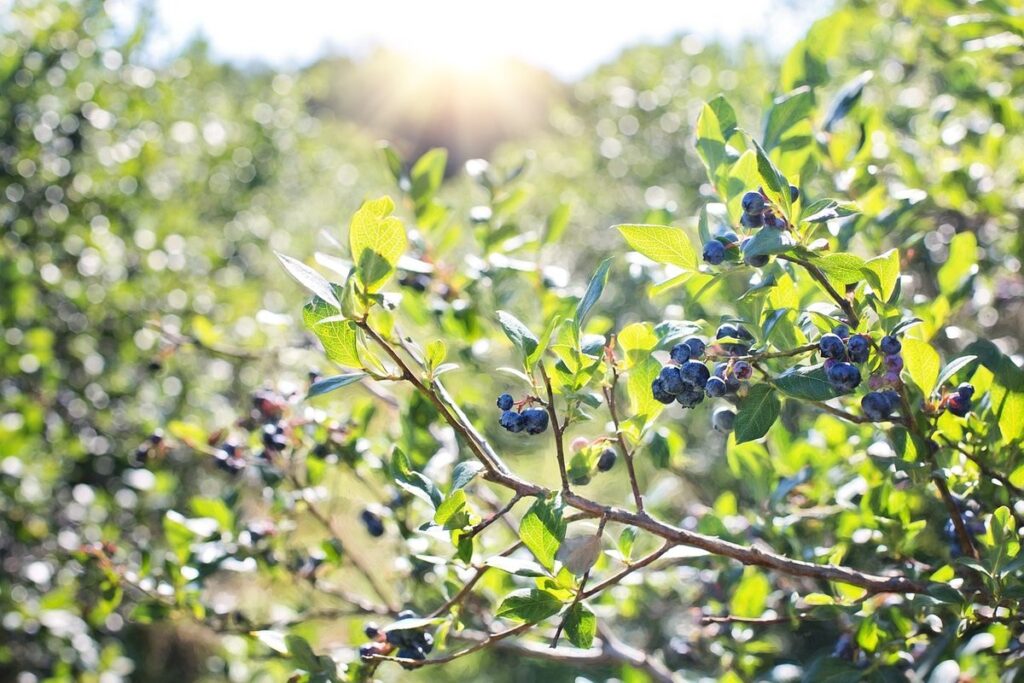
Blueberries are one of the most sought-after superfoods today, and for good reason. Not only do they pack an antioxidant punch that can boost your overall health, but they’re also incredibly versatile in both cooking and baking. As a plant-based food enthusiast or simply someone looking to incorporate more nutrient-dense ingredients into their diet, you’re probably curious about the benefits of blueberry bush food. But did you know that growing and harvesting your own blueberries can be a fun and rewarding experience? In this comprehensive guide, we’ll delve into the nutritional benefits, provide expert growing tips, and share creative culinary uses for blueberries – from sweet treats to savory dishes – so you can start enjoying the best of these little blue gems in no time.
The Nutritional Benefits of Blueberries
Blueberries are often touted as a superfood, and for good reason – they’re packed with vitamins, minerals, and antioxidants that can have a significant impact on our overall health. In this section, we’ll explore the nutritional benefits of blueberries in more detail.
Antioxidant Properties and Their Effects
Blueberries are renowned for their exceptionally high antioxidant content, earning them the title of one of the top antioxidant-rich foods available. These powerful compounds play a crucial role in combating oxidative stress and inflammation within the body. When consumed regularly, blueberries can help mitigate the negative effects of free radicals, which have been linked to various chronic diseases such as heart disease, cancer, and neurodegenerative disorders.
The anthocyanins present in blueberries are responsible for their deep purple color and have been shown to possess potent anti-inflammatory properties. These compounds work by inhibiting pro-inflammatory enzymes and cytokines, ultimately reducing inflammation and alleviating symptoms associated with conditions like arthritis and gout. Regular consumption of blueberries can also help improve cognitive function and memory by protecting the brain from oxidative stress.
Incorporating blueberries into your diet is easier than you think. Try adding them to oatmeal or yogurt for a quick breakfast, blending them into a smoothie, or simply snacking on fresh or frozen berries throughout the day. Aiming for 1/2 cup of fresh or frozen blueberries daily can provide a significant boost of antioxidants and support overall health and well-being.
Boosting Brain Health with Blueberries
When it comes to maintaining peak brain function and overall well-being, a nutrient-dense diet plays a vital role. Blueberries, as one of the most nutritious foods available, have been extensively researched for their cognitive benefits. Studies show that consuming blueberries regularly can improve memory and focus by promoting the growth of new neurons in the brain.
The high content of anthocyanins, powerful antioxidants found in blueberries, is responsible for this effect. These molecules help to protect against oxidative stress, inflammation, and damage caused by free radicals – all factors that contribute to age-related cognitive decline.
To experience these benefits firsthand, incorporate 1/2 cup of fresh or frozen blueberries into your daily routine. You can enjoy them as a snack on their own or blend them into a smoothie with other brain-boosting ingredients like walnuts and spinach. Additionally, consider adding dried blueberry powder to your oatmeal or yogurt for an extra dose of cognitive support.
Blueberries’ impact on brain health is particularly evident in older adults. One study found that seniors who consumed blueberries daily showed improved memory performance compared to those who did not consume them. With their high nutrient density and versatility, blueberries are a simple yet effective way to support brain function and promote overall well-being.
Anti-Inflammatory Effects on the Body
When it comes to the nutritional benefits of blueberries, one of the most significant advantages is their potent anti-inflammatory effects on the body. Scientific research has consistently shown that the anthocyanins and other polyphenols present in blueberries have a profound impact on reducing inflammation, which is at the root of many chronic diseases.
Inflammation can manifest in various ways, from mild joint pain to life-threatening conditions like cardiovascular disease. The anti-inflammatory properties of blueberries have been linked to improved insulin sensitivity, reduced blood pressure, and even a lower risk of certain cancers. One study published in the Journal of Agricultural and Food Chemistry found that consuming a daily dose of 100 grams of blueberry powder for six weeks significantly reduced systemic inflammation markers in healthy adults.
To incorporate more anti-inflammatory effects into your diet, try adding fresh or frozen blueberries to your breakfast oatmeal, yogurt, or smoothies. You can also make a batch of blueberry jam using minimal added sugar and enjoy it on whole grain toast as a snack. With its rich nutrient profile and versatility in the kitchen, blueberries are an excellent addition to any healthy eating plan.
Growing Blueberry Bushes for Maximum Yield
To maximize your blueberry harvest, it’s essential to understand how to grow healthy and productive bushes that thrive year after year. This section will cover key tips on achieving optimal yields from your blueberry bushes.
Choosing the Right Variety for Your Climate
When it comes to growing blueberry bushes for maximum yield, choosing the right variety is crucial. This decision is largely dependent on your climate and region. Did you know that some blueberry varieties are more resistant to heat and drought than others?
There are three main types of blueberry bushes: highbush, lowbush, and rabbiteye. Highbush blueberries (Vaccinium corymbosum) are the most common variety, but they require a colder climate with temperatures between 35°F and -10°F (-1°C to -23°C). Lowbush blueberries (Vaccinium angustifolium), on the other hand, thrive in cooler climates with moderate winters. Rabbiteye blueberries (Vaccinium ashei) are more heat-tolerant and adaptable to warmer climates.
Before selecting a variety, consider your region’s hardiness zone, temperature fluctuations, and precipitation levels. Check the specific growth requirements for each variety you’re interested in and ensure they match your local climate conditions. By choosing a suitable blueberry variety, you’ll be well on your way to enjoying a bountiful harvest of these nutritious berries.
Planting and Maintenance Techniques
When it comes to growing blueberry bushes for maximum yield, proper planting and maintenance techniques are crucial. To begin with, select a location that provides full sun (at least 6 hours of direct sunlight) and has well-draining acidic soil with a pH between 4.0 and 5.5.
Plant the bush in early spring or fall, when the weather is cooler. Dig a hole twice as wide and just as deep as the root ball, adding organic matter like peat moss or compost to improve drainage and fertility. Gently place the plant in the hole, spreading its roots evenly, and water thoroughly. Mulch around the base to retain moisture and suppress weeds.
Pruning is essential for promoting healthy growth and encouraging fruiting. Remove any dead or damaged branches, cutting them back to the ground. Thin out select canes to about 6-8 inches apart, allowing sunlight to reach all parts of the bush. Water regularly, providing about 1 inch of water per week through rainfall or irrigation.
Regular fertilization with an acidic fertilizer will also support optimal growth and fruit production. A well-cared-for blueberry bush should produce two to three pounds of fresh berries per year, depending on variety and growing conditions.
Common Pests and Diseases Affecting Blueberries
When growing blueberries, it’s essential to be aware of common pests and diseases that can impact yields. Two of the most significant threats are aphids and spider mites.
Aphids are small, soft-bodied insects that feed on plant sap, causing curled or distorted leaves. They can also transmit plant viruses like virus X and virus Y. To prevent aphid infestations, use neem oil or insecticidal soap to repel them. If you do notice aphids, spray the affected area with a strong jet of water to dislodge them.
Spider mites are tiny, eight-legged arachnids that suck plant sap, causing yellowing leaves and white webs on stems. They thrive in hot, dry conditions. To prevent spider mite infestations, maintain high humidity around your blueberry bushes and avoid over-watering. If you notice spider mites, treat the area with a mild detergent solution.
Other common diseases affecting blueberries include powdery mildew, root rot, and anthracnose. These can be prevented by maintaining good air circulation, ensuring proper drainage, and disinfecting pruning tools regularly.
Using Blueberries in Culinary and Medicinal Applications
You’ll discover how to harness the incredible culinary value of blueberries, from sweet treats to savory dishes, as well as their medicinal uses that promote overall health.
Sweet Treats: Blueberries in Baking and Cooking
Blueberries are an incredibly versatile ingredient that can elevate both sweet and savory dishes. When it comes to baking, blueberries add natural sweetness, moisture, and a burst of flavor to cakes, muffins, scones, and cookies. Try adding fresh or frozen blueberries to your favorite pancake or waffle recipe for a delicious breakfast treat.
In addition to baked goods, blueberries can be used in a variety of sweet treats like crisps, cobblers, and tarts. They pair particularly well with oats, nuts, and seeds, making them a great addition to homemade granola or energy bars. Blueberry jam or preserves made from fresh or frozen blueberries are also a tasty way to enjoy this fruit.
When cooking with blueberries, don’t be afraid to think outside the box. Use them in savory dishes like stews, braises, and sauces for meats, poultry, or fish. The sweetness of the blueberries will balance out the acidity and richness of other ingredients. For example, try adding fresh blueberries to your favorite BBQ sauce recipe for a sweet and tangy glaze.
Incorporating blueberries into your cooking and baking is easier than you think. Simply rinse them gently and pat dry with a paper towel before using in recipes. Frozen blueberries can be substituted 1:1 for fresh, making it easy to enjoy this fruit year-round. Experiment with different types of sugar and spices to enhance the flavor of your blueberry creations.
Savory Uses: Adding Flavor with Blueberries
When it comes to using blueberries in savory dishes, many people think of sweet treats like muffins and pies. However, these little berries are incredibly versatile and can add a tangy burst of flavor to everything from main courses to side dishes.
Try adding fresh or dried blueberries to your favorite stir-fry recipe for a surprising twist on an old classic. The sweetness of the blueberries pairs perfectly with the savory flavors of soy sauce and ginger, creating a harmonious balance of flavors. You can also use blueberries to add depth to soups like butternut squash or lentil soup.
To take your blueberry game to the next level, try using them in place of pomegranate seeds in Middle Eastern-inspired dishes. Simply sprinkle fresh or dried blueberries over a bowl of hummus or tabbouleh for an instant flavor boost. Another idea is to use blueberries as a topping for grilled meats like chicken or pork. The sweetness of the blueberries complements the smoky flavors of the grill perfectly, creating a match made in heaven.
Medicinal Properties and Applications
Blueberries have been touted as one of the most potent superfoods due to their high antioxidant content. When used as a medicinal ingredient or supplement, blueberries offer a wealth of potential health benefits. One of the primary advantages of incorporating blueberries into your diet is their ability to reduce inflammation and oxidative stress.
Studies have shown that consuming blueberry extract can help alleviate symptoms associated with conditions such as arthritis and Alzheimer’s disease. The high anthocyanin content in blueberries has been linked to improved cognitive function, memory, and even a reduced risk of certain cancers.
To harness the medicinal properties of blueberries, consider incorporating them into your diet through smoothies, jams, or baked goods. You can also purchase blueberry extract supplements online or at local health food stores. When choosing a supplement, opt for products that have been tested by third-party organizations to ensure quality and purity.
When using blueberries medicinally, it’s essential to start with small doses and monitor your body’s response. Additionally, consult with a healthcare professional before adding any new supplements to your regimen, especially if you’re already taking medications or have underlying health conditions.
Blueberry Bush Care and Troubleshooting
To keep your blueberry bush thriving, it’s essential to understand how to provide proper care, address common issues, and troubleshoot problems that may arise. Let’s dive into some practical tips and solutions.
Common Issues and Their Solutions
When growing blueberry bushes, you may encounter some common issues that can impact their health and productivity. One of the most common problems is nutrient deficiencies. Blueberries require a balanced diet of nitrogen, phosphorus, potassium, and other essential micronutrients to thrive.
If you notice yellowing leaves or reduced fruit production, it could be a sign of inadequate nutrients. Regular soil testing can help identify any deficiencies. For instance, if your test reveals low levels of magnesium, consider adding dolomitic limestone to the soil to provide this critical nutrient.
Pests like aphids, spider mites, and sawflies can also harm blueberry bushes. Inspect your plants regularly for signs of infestation, such as curled or distorted leaves, sticky honeydew droplets, or actual insects on the plant. Use integrated pest management techniques, including introducing beneficial insects, practicing good sanitation, and using targeted pesticides only when necessary.
By being proactive and addressing these common issues early on, you can minimize damage and ensure your blueberry bushes remain healthy and productive.
Soil and pH Requirements for Optimal Growth
When it comes to providing optimal growing conditions for your blueberry bushes, soil quality and pH levels play a crucial role. Blueberries require acidic soils with a low pH level between 4.0 and 5.5 to thrive. If the soil is too alkaline or has a high pH level, it can lead to nutrient deficiencies and reduced fruit production.
To test your soil pH, you can purchase a DIY kit or send a sample to a lab for analysis. Based on the results, you may need to add sulfur or aluminum sulfate to lower the pH level. It’s essential to note that the ideal pH level can vary depending on the blueberry variety, with some requiring more acidic conditions than others.
For example, the popular ‘Duke’ variety prefers a slightly acidic soil with a pH of 4.5-5.0, while the ‘Bluecrop’ variety tolerates a slightly higher pH range of 4.8-6.0. By ensuring your blueberry bushes are planted in well-draining, acidic soils with the right pH level, you’ll be providing them with the optimal growing conditions for maximum fruit production and health.
Preserving Blueberries for Year-Round Enjoyment
Want to enjoy your blueberry harvest year-round? We’ll show you how to preserve blueberries through freezing, canning, and dehydrating to make them last throughout the seasons.
Freezing and Dehydrating Methods
Preserving blueberries through freezing and dehydration is an excellent way to enjoy them year-round. When it comes to freezing, start by washing and pat-drying the berries to prevent clumping. Then, spread them out in a single layer on a baking sheet lined with parchment paper. Place the sheet in the freezer until the berries are frozen solid, about 1-2 hours. Transfer the frozen blueberries to an airtight container or freezer bag for long-term storage.
Dehydrating is another popular method, and it’s perfect for making blueberry powder or dried snackable bites. Preheat your dehydrator to 135°F (57°C) and spread the blueberries out in a single layer on the trays. Dehydrate for 6-8 hours or until the berries reach your desired level of dryness. Alternatively, you can use your oven on its lowest temperature setting with the door ajar to mimic dehydration. Keep an eye on the blueberries as they dehydrate to ensure even drying.
Both methods require proper storage to maintain flavor and texture. Transfer frozen blueberries to airtight containers or freezer bags and store in the coldest part of your freezer. For dried blueberries, place them in an airtight container at room temperature to prevent moisture absorption.
Canning and Jam-Making Techniques
When it comes to preserving blueberries for year-round enjoyment, canning and jam-making are excellent techniques to explore. Not only do they allow you to enjoy the flavor of fresh blueberries throughout the year, but they also provide a convenient way to store them without refrigeration.
To get started with canning, you’ll need to follow safe food handling practices to avoid spoilage and foodborne illness. This includes sterilizing your equipment, jars, and lids in boiling water for 10-15 minutes before filling them with blueberry puree or jam. The general rule of thumb is to fill the jar, leaving about 1/4 inch headspace, and then process the filled jars in a boiling water bath for 10-20 minutes.
Making jams is also a straightforward process that involves cooking down fresh or frozen blueberries with sugar and pectin (a natural gelling agent) to create a thick, syrupy consistency. Some popular jam-making techniques include using a candy thermometer to ensure the perfect gel point, as well as experimenting with different spices and flavor combinations to add depth to your creations.
When canning or making jams, be sure to follow tested recipes from reputable sources and note any specific guidelines for altitude, acidity, or other factors that may affect the preservation process. By following these simple steps and techniques, you’ll be enjoying homemade blueberry jam and preserves in no time!
Conclusion: Incorporating Blueberry Bush Food into Your Lifestyle
Now that you’ve learned about the benefits and uses of blueberry bush food, it’s time to incorporate it into your daily life. Start by experimenting with different recipes in your kitchen, such as adding fresh or frozen berries to oatmeal or yogurt. You can also use dried blueberries as a sweetener in homemade granola or energy bars.
Consider growing your own blueberry bushes for an endless supply of fresh fruit and the satisfaction of harvesting your own food. If space is limited, start with a compact variety that thrives in containers. Once you’ve got a steady supply, try incorporating blueberry bush food into your wellness routine by adding them to smoothies or using as a face mask.
Make blueberry bush food a part of your family’s traditions and meals by trying new recipes together or hosting a “pick-your-own” day at a local farm.
Frequently Asked Questions
How Do I Know If My Blueberry Bushes Are Getting Enough Sunlight?
Blueberries typically require full sun to partial shade, depending on your climate. Check the specific sunlight requirements for your blueberry variety and ensure it’s getting at least 6 hours of direct sunlight per day. You can also consider pruning nearby trees or shrubs to provide more sunlight.
What’s the Best Way to Store Fresh Blueberries?
To keep fresh blueberries fresh, store them in a cool, dry place like the refrigerator. Keep them away from heat sources and moisture. If you’re not planning to use them within a week, consider freezing or dehydrating to preserve their nutritional value.
Can I Use Organic Fertilizers on My Blueberry Bushes?
Yes, using organic fertilizers is an excellent option for maintaining healthy blueberry bushes. Opt for natural, slow-release fertilizers that promote soil health and avoid chemical-based products that can harm your plants. Consider composting or making your own fertilizer to reduce waste.
How Do I Prevent Common Pests Like Aphids and Spider Mites?
To prevent common pests like aphids and spider mites, maintain good air circulation around your blueberry bushes and ensure they’re receiving enough water. Use physical barriers or introduce beneficial insects like ladybugs or lacewings to control pest populations.
Can I Mix Blueberries with Other Fruits in a Jam or Preserves Recipe?
While you can mix blueberries with other fruits, be mindful of their sugar content and flavor profiles. Balance the sweetness and acidity levels when combining blueberries with other fruits like raspberries or strawberries. Experiment with small batches to achieve the desired taste and texture.