
Blueberries are one of the most rewarding fruits to grow in your backyard, but they require specific attention to thrive. If you’re new to blueberry bush care, choosing the right variety for your climate and soil type can be a daunting task. Not only that, but knowing when to prune, fertilize, and harvest your blueberries is crucial to get the most out of your crop.
In this article, we’ll walk you through the essential tips and tricks for growing healthy, productive blueberry bushes. From selecting the perfect variety to post-harvest care, we’ve got you covered. Whether you’re a seasoned gardener or just starting out, our expert advice will help you achieve bountiful blueberry harvests year after year.
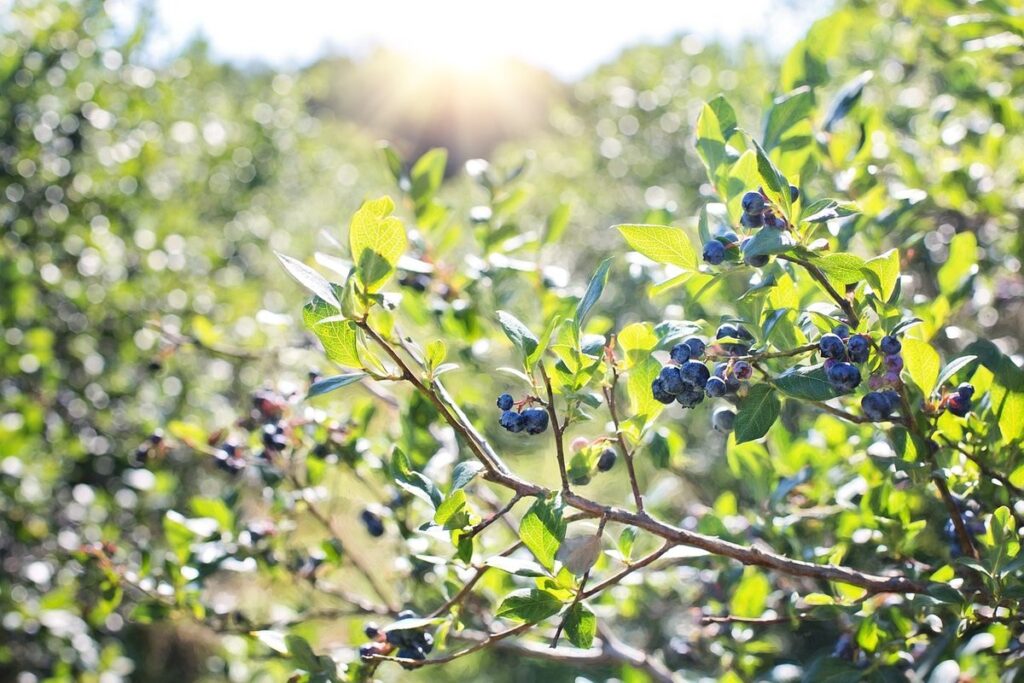
Choosing the Right Blueberry Variety
When selecting blueberry bushes, it’s essential to choose a variety that suits your climate, soil type, and desired level of maintenance. Let’s explore the most popular varieties to help you make an informed decision.
Understanding Climate and Soil Requirements
When selecting a blueberry variety, it’s essential to consider whether your climate and soil meet their specific requirements. Blueberries are sensitive plants that thrive in acidic soils with optimal nutrient levels.
To determine if your climate is suitable for blueberries, assess the average temperature range in your area. Most blueberry varieties require temperatures between 35°F and 90°F (-1°C to 32°C) to grow well. If you live in an area with extremely hot summers or cold winters, choose a variety that’s tolerant of those conditions.
Soil pH is another critical factor for blueberries. They prefer acidic soils with a pH between 4.0 and 5.5. Test your soil pH to determine if it falls within this range. If not, amend the soil with organic matter like peat moss or elemental sulfur.
In addition to pH, nutrient availability is vital for blueberry growth. Ensure that your soil has adequate levels of phosphorus, potassium, and magnesium. A soil test will help you identify any nutrient deficiencies and provide guidance on necessary amendments.
When evaluating climate and soil conditions, consider the specific requirements of your chosen variety. Some popular varieties like ‘Duke’ and ‘Bluecrop’ are more adaptable to varying conditions than others.
Selecting High-Yielding Varieties
When selecting high-yielding blueberry varieties for your garden, it’s essential to consider factors such as disease resistance, adaptability, and climate suitability. Some popular varieties known for their exceptional productivity include ‘Duke’, ‘Bluecrop’, and ‘Patriot’. These varieties have been bred to thrive in various conditions, from cooler temperatures to warmer climates.
For example, ‘Duke’ blueberries are well-suited for zones 3-7, producing an abundance of large, juicy berries. They also exhibit excellent disease resistance, making them a great choice for gardeners who want low-maintenance care. On the other hand, ‘Bluecrop’ is more adaptable to warmer temperatures and produces two crops per year, extending the harvest season.
Before selecting a high-yielding variety, consider your specific climate, soil type, and available space. Research local nurseries or online resources to find varieties that are well-suited for your region. By choosing the right blueberry variety, you’ll be on your way to enjoying a bountiful harvest of delicious berries. Some other factors to keep in mind when selecting high-yielding varieties include plant vigor, chill hours, and pest tolerance.
By weighing these factors and doing some research, you can choose the best blueberry variety for your needs and ensure a successful harvest.
Planting Blueberries: The Right Way
When planting blueberries, it’s essential to get the right conditions from the start, including acidity and drainage, which can make all the difference in their long-term health. Let’s dive into the specifics of creating a suitable environment.
Preparing the Soil for Blueberry Plants
When it comes to planting blueberry bushes, preparing the soil is one of the most critical steps. Blueberries require a specific set of conditions to thrive, and the right soil preparation can make all the difference.
First and foremost, you’ll need to test the pH level of your soil. Blueberries prefer acidic soils with a pH between 4.0 and 5.5. If your soil is too alkaline, you’ll need to amend it with elemental sulfur or aluminum sulfate to lower the pH.
Next, add organic matter such as compost or peat moss to improve drainage and fertility. A general rule of thumb is to mix in 2-3 inches of compost into the top 6-8 inches of soil. This will also help to retain moisture and suppress weeds.
It’s also essential to choose a location with full sun and well-draining acidic soil, such as peat or sandy loam. Avoid planting blueberries in areas with standing water or where water tends to collect. With the right soil preparation, your blueberry bushes should be off to a healthy start.
Choosing the Best Location for Your Blueberry Bushes
When it comes to planting blueberry bushes, choosing the right location is crucial for their health and productivity. As you select a spot for your blueberries, consider three key factors: sunlight exposure, water accessibility, and air circulation.
Sunlight exposure is essential for blueberries, which require at least six hours of direct sunlight per day. However, be mindful that intense sunlight can cause scorching, especially in warmer climates. Aim for a location that receives partial shade to full sun, depending on your region’s climate. For example, if you live in an area with hot summers, choose a spot with morning sun and afternoon shade.
Water accessibility is another critical consideration. Blueberries need consistent moisture, especially when they’re producing fruit. Ensure the planting site has good drainage and is close to a water source. A nearby garden hose or irrigation system can make it easier to keep your blueberries hydrated during dry spells. Finally, consider air circulation to prevent fungal diseases that thrive in humid environments. Planting blueberry bushes 3-4 feet apart will help promote airflow and prevent moisture buildup. By choosing a location with optimal sunlight, water accessibility, and air circulation, you’ll set your blueberry bushes up for success.
Watering and Irrigation Strategies
When it comes to giving your blueberry bushes a drink, timing is everything. Let’s dive into some expert watering and irrigation tips to keep your plants happy and thriving.
Understanding Blueberry Water Requirements
When it comes to watering blueberry bushes, understanding their water requirements is crucial for optimal growth and production. The frequency and amount of water needed depend on several factors, including soil type, climate, and the age of the plants.
In general, blueberries prefer well-draining acidic soils with a pH between 4.0 and 5.5. Sandy loam or peat-based soils work best for blueberry cultivation. If your soil is heavy clay or sandy, you may need to amend it with organic matter to improve drainage and structure.
Climate also plays a significant role in determining water requirements. Blueberries grown in hot and dry climates require more frequent watering, while those in cool and humid environments can get by with less frequent watering. As a general rule of thumb, aim to provide about 1-2 inches of water per week through a combination of rainfall and irrigation.
For young plants (0-2 years old), it’s essential to keep the soil consistently moist but not waterlogged. As the plants mature, you can gradually reduce watering frequency, allowing the top 2-3 inches of soil to dry out slightly between waterings.
Drip Irrigation and Mulching for Efficient Water Use
When it comes to watering and caring for blueberry bushes, adopting efficient irrigation methods is crucial. Drip irrigation and mulching are two innovative techniques that not only conserve water but also promote healthy growth. Drip irrigation involves delivering water directly to the roots of the plants through a network of tubes and emitters. This method reduces evaporation and runoff, allowing for up to 50% more efficient water use compared to traditional sprinkler systems.
Mulching is another essential component of efficient watering. Organic mulch helps retain moisture in the soil while regulating temperature fluctuations. As an added benefit, it suppresses weeds that compete with blueberries for water and nutrients. Aim to apply a 2-3 inch layer of organic mulch around the base of your bushes. Keep in mind that as the mulch breaks down, you’ll need to replenish it periodically.
To implement these strategies, start by installing a drip irrigation system specifically designed for blueberry bushes. Next, create a maintenance routine that includes regularly checking the system and adjusting the flow rate as needed. For mulching, select materials such as wood chips or pine straw that are rich in nutrients and will not compact over time. By incorporating these water-saving techniques into your care routine, you’ll be well on your way to establishing a thriving blueberry bush garden.
Fertilization and Pruning Techniques
To keep your blueberry bushes thriving, you’ll need to master two essential skills: fertilizing for optimal growth and pruning to maintain a healthy shape. Let’s dive in!
Fertilizing Blueberries: Organic and Synthetic Options
When it comes to fertilizing blueberries, you have two main options: organic and synthetic. Organic options are derived from natural materials like plants, animals, and minerals, while synthetic fertilizers are created through chemical processes.
If you’re looking for an organic option, consider using compost tea. This liquid solution is made by steeping compost in water, which allows the beneficial microbes to break down into a nutrient-rich fertilizer. Compost tea can be especially helpful for blueberries, as it provides essential micronutrients like nitrogen, phosphorus, and potassium.
Synthetic fertilizers, on the other hand, are created from chemical compounds like ammonium sulfate (21-0-0 N-P-K). While these fertilizers can provide quick results, they also have drawbacks. Overuse of synthetic fertilizers can lead to soil degradation and harm beneficial microorganisms in the soil.
When using either type of fertilizer, be sure to follow label instructions carefully, as over-fertilization can damage your blueberry bush. It’s generally recommended to use a balanced fertilizer (10-10-10 N-P-K) in early spring, followed by a bloom-boosting fertilizer high in phosphorus in late winter.
Keep in mind that you may need to adjust the type and amount of fertilizer based on your specific climate and soil conditions.
Pruning Strategies for Optimal Growth and Fruit Production
Pruning blueberry bushes is an essential part of their care, as it promotes optimal growth and fruit production. The goal of pruning is to remove dead, diseased, or damaged branches, allowing the bush to focus its energy on producing healthy new growth.
For young plants, prune in the first year to establish a strong root system and encourage upright growth. Remove any weak or spindly branches, and cut back the leader (main stem) to about 6-8 inches from the ground. This will help the plant develop a robust framework for future growth.
As your blueberry bush matures, prune it annually to maintain its shape and promote fruiting. Cut out any dead or diseased wood, as well as crossing branches that rub against each other. Remove one-third of the oldest canes each year to encourage new growth from the base of the plant. This will help maintain a balanced structure and ensure a consistent crop of blueberries.
By pruning your blueberry bush regularly, you’ll be rewarded with a healthy, productive plant that provides an abundance of delicious fruit for years to come.
Pest and Disease Management
To grow healthy, thriving blueberry bushes, it’s essential to stay on top of pest and disease management. We’ll explore common issues and share practical tips for keeping your plants protected and productive.
Common Blueberry Pests: Identification and Control Methods
Blueberries are susceptible to various pests that can cause significant damage if left unchecked. One of the most common pests affecting blueberry bushes is the aphid. These tiny insects feed on the sap of the plant, causing curled or distorted leaves and stunted growth. To control aphids, spray your blueberry bush with a strong jet of water to dislodge them, followed by a soap-based insecticide.
Another pest that targets blueberries is the spider mite. These tiny arachnids feed on the sap of the plant, causing yellowing leaves and fine webbing. To manage spider mites, use a combination of neem oil and horticultural oil to suffocate them. Repeat applications every 7-10 days until you notice improvement.
Japanese beetles are also a nuisance for blueberry growers. These insects feed on the leaves and flowers of the plant, causing significant damage. To control Japanese beetles, hand-pick them or use a pyrethrin-based spray to repel them. Additionally, practice good sanitation by removing weeds and debris around your blueberry bush to reduce hiding spots for these pests.
Recognizing and Managing Common Blueberry Diseases
Blueberry diseases can be devastating to your crop if left unchecked. One of the most common issues is powdery mildew, which manifests as a white, powdery coating on leaves and stems. To prevent this, make sure to provide adequate air circulation by pruning nearby plants and removing any debris that may be obstructing airflow.
Leaf spot diseases like anthracnose and Septoria leaf spot can also wreak havoc on your blueberries. Look for yellow or brown spots with purple or black edges on the leaves. To treat these issues, apply a fungicide as soon as you notice symptoms, and follow up with regular applications throughout the growing season.
Another concern is root rot, which occurs when the roots are exposed to excess moisture and oxygen deprivation. This can be caused by overwatering or poor drainage. To prevent root rot, ensure that your soil drains well and avoid watering during periods of high rainfall. Regularly inspect your plants’ root systems to catch any issues early on.
Fungal diseases like botrytis and monilinia often thrive in humid environments. Keep your blueberries dry by providing good air circulation and preventing water from pooling around the base of the plants.
Harvesting and Post-Harvest Care
Now that you’ve grown your delicious blueberries, it’s time to think about harvesting and caring for them after they’re picked. We’ll walk you through the best practices for a successful harvest.
Timing Your Blueberry Harvest for Maximum Flavor and Quality
When it comes to harvesting blueberries, timing is everything. You want to pick them at the optimal moment to ensure maximum flavor and quality. A ripe blueberry is a sweet one, but over-ripeness can lead to mushy texture and poor taste.
So, how do you know when your blueberries are ready? Start by checking their color. Most blueberry varieties will turn from green or pale yellow to a vibrant purple-blue hue when they’re fully ripe. However, some varieties like ‘Duke’ and ‘Bluecrop’ may remain more blue than purple even when fully ripe.
Another way to determine ripeness is to gently pull on the berry. A ripe blueberry should come off the bush easily, leaving a small piece of stem behind. If it’s too green or hard, give it a few more days. And if it’s over-ripe and mushy, consider using it for baking or jam-making instead.
For optimal flavor, aim to harvest your blueberries in the morning after the dew has dried but before the heat of the day sets in. This will help prevent spoilage and ensure your berries stay fresh for longer.
Storing and Preserving Fresh-Picked Blueberries
When you’ve got a fresh batch of blueberries straight from your bush, it’s essential to store them properly to maintain their freshness and quality. The key is to keep them away from heat, light, and moisture, which can cause spoilage and reduce their shelf life.
Refrigeration is one of the best methods for storing fresh blueberries. Place them in a single layer on a covered dish or container and store it in the coldest part of your refrigerator at around 32°F (0°C). This will slow down the ripening process, keeping them fresh for up to two weeks. You can also freeze them to preserve their flavor and nutrients.
Freezing is an excellent way to enjoy blueberries year-round. Rinse the berries and pat them dry with a paper towel before spreading them out on a baking sheet lined with parchment paper. Place the baking sheet in the freezer until they’re frozen solid, then transfer them to an airtight container or freezer bag for long-term storage.
Dehydrating is another option for preserving blueberries. You can use a food dehydrator or your oven on the lowest temperature setting to dry out the berries. This method concentrates their flavor and makes them easy to store in small containers or jars.
To freeze or dehydrate blueberries, it’s crucial to wash and dry them properly before processing. Excess moisture can lead to mold growth and spoilage during storage. Consider drying a few extra batches of blueberries by spreading them out on paper towels to speed up the process. This method also allows you to store individual berries in airtight containers or bags for easy access when needed.
Regularly cleaning your refrigerator’s crisper drawers will help maintain optimal humidity levels and prevent moisture buildup. By following these simple storage tips, you can enjoy fresh blueberries throughout their entire shelf life and even beyond, frozen or dried for future use.
Frequently Asked Questions
Can I grow blueberries in containers if my soil isn’t ideal for them?
Yes, growing blueberries in containers can be a great option if your soil doesn’t meet their acidic requirements. Choose a container with good drainage and use a high-quality potting mix specifically designed for acid-loving plants like blueberries.
How often should I fertilize my blueberry bushes, and what type of fertilizer is best?
Fertilize your blueberry bushes in early spring with an acidic fertilizer (pH 4.0-5.5) to promote healthy growth and fruit production. Repeat the process every 6-8 weeks during the growing season, following the manufacturer’s instructions.
What are some common pests that can affect my blueberry bushes, and how do I control them?
Some common pests that target blueberries include aphids, spider mites, and Japanese beetles. Use a combination of physical barriers (row covers), neem oil sprays, or insecticidal soap to manage infestations.
Can I prune my blueberry bushes in the fall instead of spring, and will it still promote healthy growth?
No, pruning your blueberry bushes in the fall can actually lead to disease problems and reduced growth. Prune in late winter to early spring when the plant is dormant to minimize stress and encourage new growth.
How do I store fresh-picked blueberries to keep them fresh for an extended period?
To store fresh-picked blueberries, place them in a single layer on a baking sheet lined with parchment paper. Freeze them until solid, then transfer the frozen berries to an airtight container or freezer bag for long-term storage. This will help preserve their flavor and texture.