
Blue oat grass has been gaining attention in recent years for its unique beauty, versatility, and surprising benefits. As gardeners and landscapers look for sustainable and low-maintenance options to enhance their outdoor spaces, blue oat grass is emerging as a top choice. This stunning ornamental grass boasts vibrant blue foliage that adds a touch of elegance and sophistication to any landscape design. But blue oat grass offers more than just aesthetic appeal – it also has environmental and health advantages that make it an attractive option for eco-conscious individuals. In this article, we’ll delve into the surprising uses and benefits of blue oat grass, exploring its potential applications in landscaping, gardening, and beyond. Whether you’re a seasoned gardener or just starting out, discover why blue oat grass is set to become a game-changer in the world of horticulture.
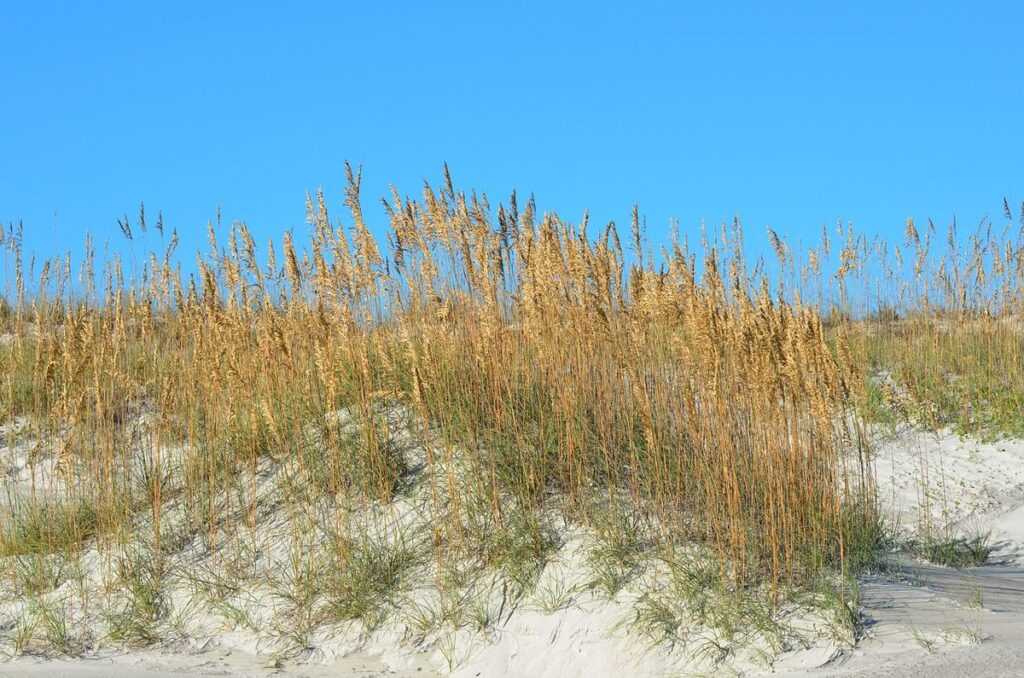
Introduction to Blue Oat Grass
Let’s start by exploring what makes blue oat grass so unique and attractive, and how you can incorporate it into your garden or indoor space. We’ll dive right in to its key characteristics.
What is Blue Oat Grass?
Blue oat grass is a stunning ornamental grass that’s quickly gaining popularity among gardeners and landscapers. Its botanical name is Helictotrichon sempervirens, which might sound complex, but trust us, it’s worth getting to know. Native to Europe, Turkey, and parts of Asia, this hardy perennial has been cultivated for over a century and has become a favorite among horticulturists.
So, what makes blue oat grass so special? For starters, its unique blue-green foliage adds a touch of elegance to any landscape or garden design. Its delicate, wispy blades sway gently in the breeze, creating a soothing visual effect that’s perfect for calming environments like meditation gardens or serene courtyards. Plus, it’s incredibly low-maintenance – just mow it down once a year and watch it thrive.
As urbanization continues to rise, blue oat grass is gaining traction as a sustainable landscaping option. Its ability to tolerate drought, heat, and cold makes it an excellent choice for areas with extreme weather conditions. Whether you’re a seasoned gardener or a beginner, incorporating blue oat grass into your outdoor space can add visual interest, texture, and depth – not to mention its numerous environmental benefits.
History and Cultural Significance
Blue oat grass has a rich history that spans centuries, and its cultural significance is deeply rooted in various societies around the world. In ancient China, blue oat grass was used for medicinal purposes, particularly to treat digestive issues and skin problems. Its beauty and versatility also made it a sought-after ornamental plant, often featured in traditional Chinese gardens.
In Europe, blue oat grass was prized by Renaissance gardeners for its striking foliage and architectural shape. It was commonly used as a design element in grand estates and gardens of the aristocracy. The ornate blades of blue oat grass were even used to create intricate patterns and borders in formal landscaping.
Today, blue oat grass is experiencing a renaissance of sorts, as it’s being rediscovered for its modern uses in both indoor and outdoor spaces. With its ability to purify the air and provide natural beauty, blue oat grass is finding new life as a low-maintenance addition to modern homes and offices. Whether used as a decorative accent or a soothing element in a wellness space, blue oat grass continues to captivate audiences with its timeless charm.
Characteristics and Growth Habits
Blue oat grass is a unique and adaptable plant, and understanding its characteristics and growth habits will help you make the most of it in your garden. Let’s take a closer look at what makes blue oat grass tick.
Physical Description and Appearance
Blue oat grass is a striking ornamental grass that boasts a unique physical appearance. Its foliage is characterized by slender, blue-green blades that grow upright and form a vase-shaped habit. In maturity, the plant can reach heights of 3-6 feet (90-180 cm), making it an excellent choice for adding vertical interest to gardens or landscapes.
One notable feature that sets blue oat grass apart from other ornamental grasses is its striking bluish hue. This attractive coloration provides a beautiful contrast to other plants in the garden, particularly when paired with warm-toned flowers and foliage. Additionally, the delicate texture of its blades adds an elegant touch to any design scheme.
When selecting blue oat grass for your garden or landscape, be sure to choose a location that receives full sun to partial shade. This will allow the plant to reach its full height and maintain its vibrant coloration throughout the growing season. With proper care and maintenance, blue oat grass can become a stunning focal point in any outdoor space.
Growing Conditions and Maintenance
Blue oat grass thrives in well-draining soil and full sun to partial shade conditions. To replicate its native environment, choose a spot with direct sunlight for at least six hours a day. However, if you live in an area with intense heat, providing some afternoon shade will help prevent scorching.
When it comes to soil type, blue oat grass is adaptable but prefers slightly acidic to neutral pH levels between 6.0 and 7.5. Avoid planting in areas with standing water or where water tends to collect, as this can lead to root rot.
Proper watering is essential for maintaining the health of your blue oat grass. Water deeply once a week during hot summer months, but allow the soil to dry slightly between waterings. Reduce frequency during cooler periods, as overwatering can cause more harm than good. To promote healthy growth and prevent disease, prune dead or damaged foliage immediately, and divide mature clumps every three to four years to maintain plant vigor.
Uses in Landscaping and Gardening
When it comes to adding some visual interest to your yard, blue oat grass is a versatile choice that’s perfect for landscaping and gardening projects. Let’s explore its many uses in these areas.
Ornamental Value
Blue oat grass is a stunning addition to any garden or landscape, offering a unique ornamental value that elevates its aesthetic appeal. When used as a specimen plant, blue oat grass can be the focal point of a garden bed, drawing attention with its delicate, blue-green foliage and subtle wispy plumes. Its slender stems sway gently in the breeze, creating movement and visual interest even when not in flower.
As a border plant, blue oat grass provides a soft, feathery texture that complements a variety of flowering perennials and shrubs. Its mounded habit allows it to create a cohesive look with other plants, while its airy foliage adds depth and dimension to the border. Alternatively, when used as a groundcover, blue oat grass can be planted in mass to create a striking carpet of blue-green foliage that filters sunlight and softens hardscapes.
When choosing blue oat grass for your garden or landscape, consider pairing it with plants that provide contrasting textures and colors to maximize its ornamental value. For example, combine it with bold, architectural plants like succulents or coneflowers to create a striking visual contrast.
Wildlife Habitat and Erosion Control
Blue oat grass is an excellent choice for landscaping and gardening projects due to its benefits as a wildlife habitat plant and for erosion control. As a native species to Europe and Asia, blue oat grass provides a haven for various wildlife species.
The seeds of the blue oat grass are particularly attractive to birds, including finches, sparrows, and goldfinches. These birds feed on the seeds, providing them with essential nutrients during their breeding seasons. Additionally, the foliage of the plant offers shelter from harsh weather conditions and predators for small mammals like voles and mice.
In terms of erosion control, blue oat grass is highly effective due to its deep root system. The roots hold soil in place, preventing it from being washed away by water or wind. This makes it an ideal choice for slopes, embankments, and areas prone to landslides. When planting blue oat grass, be sure to provide adequate moisture during the establishment phase. Once established, the plant is drought-tolerant and requires minimal maintenance.
By incorporating blue oat grass into your landscaping project, you can create a thriving ecosystem that supports local wildlife while protecting your soil from erosion.
Benefits for the Environment
Not only does blue oat grass add a touch of elegance to your garden, but it also provides numerous benefits for the environment that are worth exploring. Let’s dive into its eco-friendly advantages.
Soil Stabilization and Water Filtration
When it comes to soil stabilization and water filtration, blue oat grass is an unsung hero. This versatile plant helps reduce erosion and improves water quality in several ways. Firstly, its deep roots break up compacted soil, allowing air and water to penetrate more easily, which reduces runoff and prevents soil from washing away.
Blue oat grass also has a remarkable ability to absorb excess nutrients and pollutants from the soil, purifying it as it grows. Its extensive root system can even help stabilize steep slopes and embankments, reducing the risk of landslides and soil erosion. By using blue oat grass in your landscaping or gardening projects, you can create a natural barrier against erosion and improve water quality.
In areas prone to heavy rainfall or flooding, blue oat grass is particularly effective at preventing soil erosion. Its dense growth also helps filter out sediments and pollutants from the water, making it an excellent choice for riparian zones or near waterways. By incorporating this plant into your environmental efforts, you can make a significant impact on reducing erosion and improving water quality.
Carbon Sequestration and Climate Change Mitigation
Blue oat grass has been found to play a significant role in carbon sequestration and climate change mitigation. Research conducted by the University of California, Los Angeles (UCLA) revealed that this species is capable of absorbing up to 20% more CO2 than traditional lawn grasses. This makes it an attractive option for those looking to reduce their carbon footprint.
One study published in the Journal of Environmental Science & Health found that blue oat grass was able to sequester significantly higher amounts of CO2 compared to other common grass species. The researchers attributed this to the plant’s unique root system, which allows it to absorb more nutrients and water from the soil, thereby increasing its photosynthetic activity.
For those looking to incorporate blue oat grass into their landscape design, there are several tips to keep in mind. Firstly, ensure that your blue oat grass is planted in well-draining soil to prevent waterlogging. Secondly, maintain a regular watering schedule to encourage healthy growth and promote carbon sequestration. Finally, consider combining blue oat grass with other native plant species to create a diverse ecosystem that supports local wildlife and enhances environmental sustainability.
Health Benefits and Potential Applications
As we explore the uses of blue oat grass, let’s dive into its impressive health benefits and potential applications that can enhance our well-being. From skincare to culinary uses, its advantages are numerous.
Air Quality Improvement and Noise Reduction
Blue oat grass is not only a stunning addition to any landscape design but also offers numerous health benefits through its air quality improvement and noise reduction capabilities. This remarkable plant has been shown to absorb pollutants such as particulate matter, nitrogen dioxide, and ozone from the air, contributing to cleaner and healthier environments.
In urban planning and design, blue oat grass can be effectively utilized for green roofs and walls, providing a natural barrier against pollution while also reducing noise levels in densely populated areas. For instance, incorporating blue oat grass into a city’s green infrastructure can help decrease the amount of pollutants that enter homes through ventilation systems, thereby improving indoor air quality.
To maximize its potential, urban planners can consider using blue oat grass in conjunction with other eco-friendly materials to create more effective pollution barriers. This holistic approach not only improves air quality but also enhances aesthetics and provides additional noise reduction benefits for residents.
Medicinal Properties and Research Opportunities
Blue oat grass has been gaining attention for its potential medicinal properties, and researchers are just starting to scratch the surface of its bioactive compounds. Studies have shown that this versatile plant contains saponins, flavonoids, and phenolic acids, which have been linked to various health benefits. For instance, one study found that a specific saponin present in blue oat grass exhibited anti-inflammatory properties, making it a promising candidate for treating conditions such as arthritis.
Further research could lead to new discoveries and applications of blue oat grass in the medical field. For example, scientists might investigate its potential in developing novel treatments for neurological disorders or cancer. Additionally, the plant’s antimicrobial properties make it an attractive subject for study in the development of natural preservatives and antiseptics.
While more research is needed to fully unlock the medicinal potential of blue oat grass, preliminary findings suggest that this plant may have a significant impact on various health issues. As scientists continue to explore its bioactive compounds, we can expect new breakthroughs and applications to emerge, making blue oat grass an increasingly important area of study in the world of natural medicine.
Conclusion and Future Perspectives
As you’ve learned about the unique benefits of blue oat grass, let’s take a step back to summarize what we’ve covered so far and explore its potential future applications.
Recap of Key Points
In reviewing the key points discussed throughout this article, it’s clear that blue oat grass offers numerous benefits and uses for both gardeners and homeowners. Notably, its adaptability to various lighting conditions and low maintenance requirements make it an ideal choice for those new to gardening or seeking a hassle-free option.
As we’ve seen, one of the primary advantages of blue oat grass is its ability to thrive in challenging environments. Its tolerance for drought, heat, and cold temperatures eliminates the need for extensive care, allowing you to focus on other aspects of your outdoor space. Additionally, blue oat grass has been shown to improve air quality by releasing oxygen and filtering pollutants.
When considering the uses of blue oat grass, it’s essential to remember that its ornamental value lies in its vibrant color and unique texture. You can incorporate it into a variety of design schemes, from modern landscapes to traditional gardens. By adding blue oat grass to your outdoor space, you’ll not only enhance its aesthetic appeal but also create a more sustainable environment for years to come.
Ultimately, the benefits and uses of blue oat grass make it an attractive choice for those seeking to elevate their garden’s visual and ecological value. By understanding its unique characteristics and incorporating it into your landscape design, you can unlock a range of possibilities that will leave a lasting impression on your outdoor space.
Future Directions for Research and Adoption
As we conclude our exploration of blue oat grass, it’s exciting to consider the vast possibilities that lie ahead for this versatile and low-maintenance plant. One potential area for further research is investigating its drought tolerance and exploring ways to breed even more resilient varieties. This could have significant implications for gardeners in water-scarce regions or those looking to create sustainable landscapes.
From an adoption perspective, blue oat grass is poised to become a staple in eco-friendly landscaping designs. Its ability to thrive in poor soil conditions makes it an ideal choice for areas with challenging terrain or soil types. We encourage readers to experiment with incorporating this plant into their own gardens and landscapes, whether as a statement piece or as part of a larger design.
Consider using blue oat grass as a natural groundcover, erosion control measure, or even as a habitat creator for local wildlife. With its unique, soft texture and vibrant color, it’s sure to add visual interest to any outdoor space. By embracing the possibilities of this underappreciated plant, we can work together to create more beautiful, sustainable, and resilient gardens that thrive with minimal maintenance.
Frequently Asked Questions
Can blue oat grass be grown indoors?
Yes, blue oat grass can thrive indoors with proper care. Provide it with bright indirect light, maintain a consistent temperature between 60-70°F (15-21°C), and water it sparingly to avoid overwatering. This will help you enjoy its ornamental value year-round.
Is blue oat grass invasive in my area?
Blue oat grass can be considered invasive in some regions due to its aggressive growth habits. Check with local authorities or a gardening expert to determine if it’s suitable for your area and take necessary precautions to prevent spreading.
How does blue oat grass contribute to soil stabilization and erosion control?
Blue oat grass has extensive root systems that help stabilize soil, preventing erosion and landslides. Its dense foliage also reduces runoff, allowing rainwater to penetrate the soil and recharge groundwater.
Can I use blue oat grass as a natural air purifier in urban areas?
Yes, blue oat grass can contribute to improving air quality by absorbing pollutants and releasing oxygen. Its compact size makes it an ideal choice for urban gardens or indoor spaces with limited area.
Is blue oat grass suitable for small-scale gardening projects, such as container gardens or terrariums?
Yes, blue oat grass is a versatile option that can thrive in small containers or terrariums, provided you maintain optimal growing conditions and prune it regularly to control its size. This makes it an excellent choice for compact spaces or small-scale gardening projects.