
If you’re looking to grow delicious and healthy blackberries in your garden, you’ve probably heard that trellising is key. But if you’re new to gardening or even just starting out with blackberries, it can be overwhelming trying to figure out how to trellis them effectively.
In this article, we’ll walk you through the benefits of using a trellis for your blackberry plants, including increased yields and reduced disease risk. We’ll also cover the different types of trellising systems available, so you can choose the one that best suits your garden’s needs. From installation to maintenance and troubleshooting common issues, our comprehensive guide will give you the knowledge and confidence to trellis your blackberries like a pro.
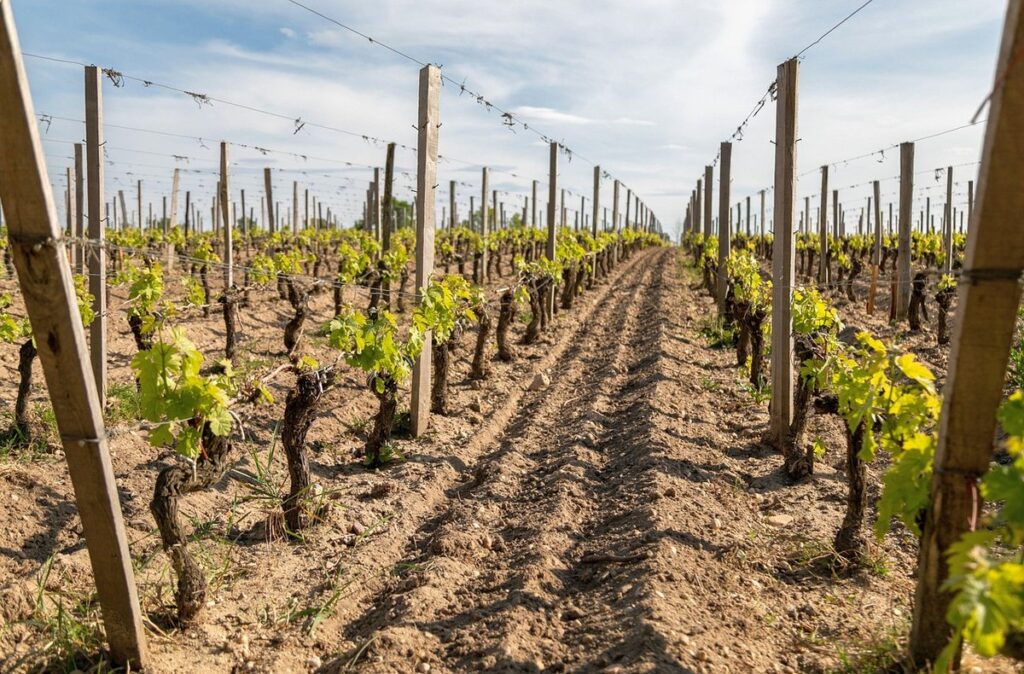
Benefits of Trellising Blackberries
Trellising your blackberry plants has numerous advantages, from improved fruit production to easier maintenance and reduced disease risk. By understanding these benefits, you’ll be motivated to set up a trellis for your own blackberries.
Improved Air Circulation
Trellising blackberries not only provides support for the canes but also significantly improves air circulation around the plants. This increased airflow plays a crucial role in reducing disease and pest issues that often plague blackberry bushes.
When blackberry bushes are densely planted without adequate trellising, the air pockets between the canes become minimal. This compact growth creates an ideal environment for fungal diseases to spread rapidly, as spores thrive in humid conditions. By providing a more open structure with trellises, you’re allowing beneficial air currents to circulate freely, reducing moisture accumulation and subsequent disease risks.
Furthermore, better air circulation also discourages pests like mites, aphids, and spider mites from infesting your blackberry bushes. These unwanted critters prefer humid environments where they can feed on sap and multiply quickly. With trellised plants, you’re creating an unfavorable environment for pests to inhabit, thus minimizing the risk of infestations.
To maximize air circulation benefits when trellising your blackberries, ensure that the structure is spaced far enough apart (at least 3 feet) to allow for adequate airflow. Regular pruning and training will also contribute to maintaining optimal plant density and air movement within the trellis system.
Increased Space Efficiency
One of the most significant benefits of trellising blackberries is the increased space efficiency it offers. Unlike traditional sprawling canes that require a large area to spread out, trellised blackberries make the most of available space by growing upwards. This means you can fit more plants in a smaller garden or landscape, making trellising an ideal solution for compact spaces.
There are several trellising systems you can use for your blackberries, each with its own advantages and flexibility. For example, you can opt for a simple stake system where individual canes are tied to stakes using twine or clips. Alternatively, you can choose a more elaborate system like an obelisk trellis that provides support for multiple canes while also adding visual appeal.
When choosing a trellising system, consider the mature size of your blackberry plants and leave enough space between them for easy maintenance and harvesting. With proper planning and execution, you’ll be able to grow a bountiful crop of delicious blackberries in even the smallest of gardens or landscapes.
Choosing the Right Trellis System
When it comes to supporting your blackberry vines, selecting a trellis system that suits your needs is crucial. This section will help you navigate the different options available.
Types of Trellises
When choosing the right trellis system for your blackberries, it’s essential to consider the various types available. One popular option is wooden stakes, which are lightweight and easy to install. They’re ideal for smaller spaces or areas with limited access. However, they may not provide enough support for larger plants or heavy fruit production.
Another type of trellis system is metal posts, which offer more durability and stability than wooden stakes. They can be used as a standalone structure or combined with other types of trellises to create a more extensive support system. Metal posts are also relatively low-maintenance and resistant to rot and insect damage.
If you’re looking for a more sustainable option, consider living trellises, such as willow branches or hazelnut poles. These natural supports can be trained to grow around the blackberry plant, providing additional structure without needing additional materials. Just ensure that the living trellis is disease-free and won’t harm your blackberries.
When selecting a trellis system, weigh the pros and cons of each type based on your specific needs and space constraints. For example, wooden stakes may be suitable for smaller areas with limited sunlight, while metal posts or living trellises might be more practical for larger spaces or areas with high winds.
Considerations for Blackberry Varieties
When selecting a trellis system for your blackberries, it’s essential to consider the specific needs of your variety. Different varieties have unique growth habits, mature sizes, and pruning requirements that can impact the type of support they need.
For example, thornless blackberry varieties like ‘Apache’ and ‘Navaho’ tend to be more compact and require less pruning, whereas varieties like ‘Triple Crown’ and ‘Arapaho’ are larger and may need more extensive support. Some varieties, such as ‘Chester Thornless’, have a more upright growth habit and can benefit from a sturdier trellis system.
Consider the mature size of your variety when choosing a trellis. A general rule of thumb is to provide at least 3-4 feet of clearance around each plant for easy access and maintenance. Additionally, think about how often you’ll be pruning your blackberries – some varieties may require more frequent pruning to maintain their shape and promote healthy growth.
When selecting a trellis system, keep in mind that it should not only provide structural support but also facilitate air circulation and sunlight penetration. A well-designed trellis can make all the difference in promoting healthy growth and maximizing yields for your specific blackberry variety.
Planning Your Trellis Installation
Before you start installing your trellis, take a few minutes to plan out the perfect layout for your blackberry plants. This will ensure a healthy and thriving crop in no time!
Measuring and Marking the Area
Measuring and marking the area where your blackberry trellis will be installed is crucial for its optimal performance. First, identify a location that receives at least six hours of direct sunlight per day. Blackberries need plenty of sunlight to produce an abundance of fruit.
Consider the surrounding landscape and ensure the area has good drainage. Avoid installing the trellis in low-lying areas where water tends to collect. A spot with well-draining soil will help prevent root rot and other diseases that thrive in damp conditions.
To mark the area, use a hose or a rope to outline the perimeter of your trellis system. This will give you an idea of how much space you’ll need for the structure and its supporting posts. Take note of any nearby utilities or obstacles that may impact installation. Measure the distance between support posts and the trellis itself to ensure proper spacing.
When marking the area, also consider the mature size of your blackberry plants. They can grow quite large, so allow enough space for future growth and easy maintenance.
Preparing the Soil
Before installing your blackberry trellis, it’s essential to prepare the soil properly. Blackberries thrive in well-draining, fertile soil with a slightly acidic pH between 5.5 and 6.5. If you’re unsure about your soil’s pH level, consider getting it tested by your local nursery or extension office.
To ensure optimal nutrient availability, add a balanced fertilizer (such as 10-10-10 NPK) according to the manufacturer’s instructions. Organic options like compost or well-rotted manure can also be beneficial. Be cautious not to over-fertilize, as this can damage your plants and the environment.
Mulching is another crucial aspect of soil preparation for blackberries. Apply a 2-3 inch layer of organic mulch (like wood chips, bark, or straw) around the planting area. This helps retain moisture, suppress weeds, and regulate soil temperature. Keep in mind that mulching should be done after planting, not before. By taking these steps, you’ll create an ideal environment for your blackberry plants to grow strong and healthy under their trellis support.
Installing Your Blackberry Trellis
Now that you’ve chosen your ideal location and prepared your blackberry plants, it’s time to focus on installing a sturdy trellis to support their growth. This essential step ensures a successful harvest and beautiful display of your blackberries.
Step-by-Step Instructions
To install your blackberry trellis effectively, follow these step-by-step instructions. Begin by selecting a location with full sun and well-draining soil to ensure optimal growth.
Gather the necessary materials: a sturdy trellis frame, twine or wire for support, and stakes to secure the structure. Next, prepare the area around your blackberry bushes by clearing any debris and loosening the soil.
Dig holes for the trellis posts, placing them about 10-12 feet apart. Insert the posts into the holes and secure with concrete. Tie the top of the trellis frame between the two posts using twine or wire, ensuring a sturdy base to support the growing canes.
Begin training your blackberry canes onto the trellis by gently weaving them through the wires or twine. Use stakes to secure any weak or wayward growth, and adjust as necessary. Regularly inspect and maintain your trellis system to ensure continued support for healthy growth and maximum fruit production.
Tips for Training Canes
Training blackberry canes onto your trellis requires careful attention to detail and some basic pruning techniques. Begin by selecting the strongest canes from each plant, ideally those that are around 12-18 inches tall. Gently tie these canes to the trellis using twine or wire, working from the bottom up to maintain even tension.
Prune any weak or damaged growth from the rest of the plants, removing them entirely to prevent competition for resources. This will encourage the remaining canes to focus their energy on producing fruit. As the season progresses and new growth emerges, prune back any tips that have reached the top of the trellis to control height and promote a bushy habit.
To secure the canes in place, use clips or U-shaped ties to gently grasp the stem just above a node (where a leaf meets the cane). This will help prevent rubbing against the trellis and encourage healthy growth.
Maintaining Your Blackberry Trellis
Regular maintenance is crucial for your blackberry trellis’s health and productivity, ensuring a bountiful harvest year after year. We’ll walk you through essential tasks to keep it thriving.
Regular Pruning
Regular pruning is an essential aspect of maintaining a healthy blackberry trellis. Pruning helps to control the plant’s growth, promote fruiting, and prevent disease. By removing dead, diseased, or damaged canes, you’re also reducing the risk of pests and diseases spreading throughout the plant.
Prune your blackberry trellis at least twice a year: once in late winter or early spring, before new growth begins, and again after harvesting in mid-to-late summer. This regular pruning helps maintain air circulation around the plant, which is crucial for preventing fungal diseases that thrive in moist environments.
To prune effectively, use sharp, clean tools like loppers or pruning saws to make precise cuts just above a bud eye (the small swelling on the cane from which new growth emerges). Cut back canes that are more than five years old and have stopped producing fruit. Remove any weak or spindly growth as it develops. By incorporating regular pruning into your blackberry trellis maintenance routine, you’ll be rewarded with healthier plants, improved yields, and a more manageable trellis system overall.
Monitoring for Pests and Diseases
Monitoring for pests and diseases is an essential part of maintaining your blackberry trellis. Blackberries are susceptible to a variety of common issues that can impact their growth and productivity. One of the most prevalent problems is aphids, tiny insects that feed on plant sap, causing curled or distorted leaves. To monitor for aphid infestations, inspect your plants regularly during warm weather months when these pests thrive. Look for sticky honeydew droplets on leaves and stems, as well as ants marching along stems in search of the sweet substance.
Another issue blackberry growers face is powdery mildew, a fungal disease that causes white, powdery growth on leaves and stems. Monitor your plants closely during periods of high humidity or excessive rain, when this disease tends to spread rapidly. Regularly inspect for yellowing leaves, grayish-white patches, and a cottony appearance on the underside of leaves.
To prevent these issues, maintain good air circulation around your trellis by pruning nearby vegetation and ensuring adequate spacing between plants. Use organic methods like neem oil or insecticidal soap to control aphid infestations before they reach epidemic levels. Regularly remove infected foliage to prevent powdery mildew from spreading further.
Troubleshooting Common Issues
Sometimes you may encounter issues with your blackberry trellis, such as canes not producing fruit or plants being too dense. Let’s troubleshoot these common problems together.
Identifying and Resolving Problems
When setting up and maintaining your blackberry trellis, it’s not uncommon to encounter problems along the way. Weak or broken canes can be a major issue, as they compromise the structure of your trellis and may even cause damage to nearby plants.
One common reason for weak canes is overwatering, which can lead to fungal diseases that weaken the plant’s stalks. To avoid this, ensure you’re not watering too frequently and consider installing a drip irrigation system to deliver water directly to the roots of your blackberry plants.
Another issue you might encounter is broken or snapped canes. This could be due to wind or ice damage, animal activity, or even excessive pruning. To prevent breakage, make sure your trellis is sturdy enough to support the weight of your blackberry plants and consider using plant ties or clips to secure loose stems.
If you do experience a broken cane, don’t panic – simply remove any weak or damaged wood and replace it with new canes or sections from healthy plants. This will help maintain the integrity of your trellis and promote healthy growth for years to come.
Some additional tips to keep in mind include:
* Regularly inspecting your trellis for signs of weakness or damage
* Pruning your blackberry plants regularly to promote bushy growth and prevent over-vigorous canes from forming
* Considering using a trellis with built-in support, such as a teepee-style trellis, to help distribute the weight of your plants more evenly
Solutions for Specific Challenges
If your blackberry trellis is struggling to thrive due to inadequate sunlight, consider pruning nearby trees or shrubs to allow more direct sunlight to reach the area. Alternatively, you can train a vining plant like clematis or honeysuckle to grow up the trellis and provide shade for the blackberries during the hottest part of the day.
Poor soil quality is another common challenge many gardeners face when growing blackberries on a trellis. To address this issue, test your soil pH and adjust it accordingly. Add organic matter like compost or well-rotted manure to improve soil structure and fertility. If you’re dealing with poor drainage, consider installing a French drain or raised bed to ensure the roots of your blackberry plants don’t sit in waterlogged soil.
Pest infestations can also be a problem for trellised blackberries. Keep an eye out for signs of pests like aphids, spider mites, and raccoons, which can cause significant damage if left unchecked. Use organic or integrated pest management (IPM) strategies to control infestations, such as introducing beneficial insects or applying targeted pesticides only when necessary.
When dealing with any of these challenges, remember that prevention is often the best approach. Regular maintenance tasks like pruning, fertilizing, and monitoring for pests can help prevent problems from arising in the first place.
Frequently Asked Questions
Can I trellis blackberries that are already established without disturbing the roots?
Yes, it’s possible to install a trellis for existing blackberry plants, but it’s essential to carefully dig around the canes and roots while avoiding damage. This may require some pruning to create space for the trellis installation. It’s recommended to consult with a gardening expert or conduct thorough research before attempting this process.
How often should I inspect my trellised blackberries for signs of pests or diseases?
Regular monitoring is crucial in maintaining healthy blackberry plants. Aim to inspect your trellised blackberries at least once a week, looking out for any visible signs of pests, such as aphids or spider mites, and diseases like fungal infections or crown rot.
What’s the best way to manage canes that grow too long on my trellis?
Regular pruning is essential in maintaining your trellised blackberries. To control overgrown canes, you can either tie them back onto the trellis using twine or wire, or remove them entirely if they’re no longer productive. Make sure to cut back new growth to encourage bushy growth and prevent weak tips from breaking off.
Can I use a trellis system for both blackberry varieties, such as thornless and traditional?
Yes, you can use the same trellis system for different blackberry varieties, including thornless and traditional. However, keep in mind that some varieties may require more support or have specific pruning needs due to their unique growth habits.
What’s the ideal spacing between trellises when planting multiple rows of blackberries?
When planning your trellised blackberry garden, aim for about 3-5 feet (90-150 cm) between each row and 2-3 feet (60-90 cm) between individual plants within a row. This will provide sufficient space for air circulation and allow you to easily access the plants for maintenance.