
Are you familiar with the amazing health benefits of black around grapes? Also known as black raisins, these tiny powerhouses have been a staple in many cultures for centuries. Not only are they delicious and versatile in cooking, but they also pack a punch when it comes to nutritional value and medicinal properties. From adding sweetness and depth to your favorite recipes to providing an array of health advantages, black around grapes are truly a superfood worth exploring.
In this article, we’ll delve into the rich history and uses of black around grapes, as well as their numerous health benefits and advantages. We’ll discuss how these tiny fruits can be used in both culinary delights and medicinal applications, making them an essential addition to any healthy lifestyle or diet.
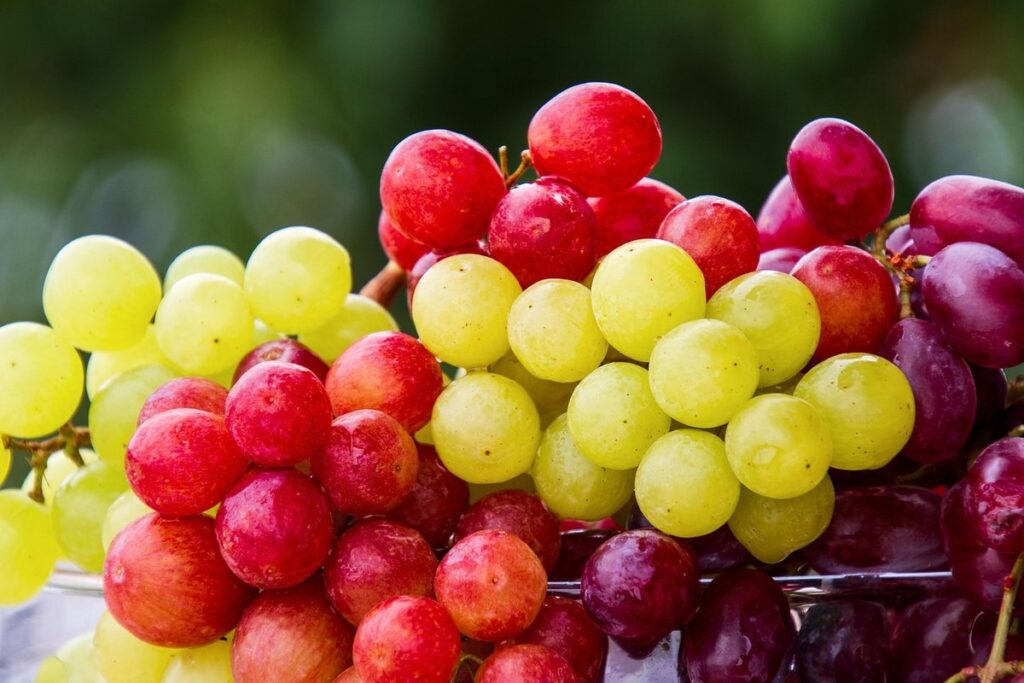
What is Black Around Grape?
Black around grape is a fascinating concept that may seem simple at first, but holds secrets to its unique flavor and uses. Let’s dive in and explore what it really means.
History and Origins
Black around grape has been a staple ingredient in various cultures for centuries. Its early uses date back to ancient civilizations in Africa and Asia, where it was valued not only for its medicinal properties but also for its culinary and spiritual significance. In traditional African medicine, black around grape was used to treat a range of ailments, from fever and digestive issues to skin conditions and wounds.
In many Asian cultures, black around grape is still revered as a powerful ingredient in teas, tonics, and other remedies aimed at promoting overall well-being. Its popularity has also been influenced by its use in traditional cosmetics, where it’s prized for its antioxidant properties and ability to nourish the skin.
Today, black around grape continues to be celebrated for its unique blend of medicinal and culinary uses. With its rich history and cultural significance, it’s no wonder that this versatile ingredient has become a sought-after addition to modern health regimens and gourmet recipes alike. By incorporating black around grape into your daily routine, you can tap into its powerful benefits and experience the full range of its healing properties firsthand.
Modern Uses and Applications
Black around grape is being increasingly utilized across various industries due to its unique properties and versatility. In the food industry, it’s used as a natural coloring agent and preservative. This is evident from the rise of black around grape-based beverages and sauces, which have gained popularity worldwide. Companies like Coca-Cola and PepsiCo have experimented with incorporating this ingredient into their products.
Beyond the food sector, cosmetics companies are discovering the potential benefits of black around grape in skin care products. Its antioxidant properties make it an effective ingredient against aging and sun damage. Many skincare brands now incorporate black around grape extracts into their creams and serums.
In addition to its applications in food and cosmetics, black around grape has other uses. It’s being researched for its medicinal properties, including the potential to combat certain types of cancer. Moreover, its antibacterial and anti-inflammatory properties make it an attractive ingredient for pharmaceutical companies.
The versatility of black around grape is indeed impressive, and its growing popularity reflects its immense potential in various industries. As consumers become increasingly health-conscious, demand for natural products continues to rise.
Nutritional Benefits and Properties
Black around grape is not only a versatile ingredient but also boasts an impressive array of nutritional benefits and unique properties. Rich in vitamins C and E, potassium, and dietary fiber, this incredible fruit has the potential to boost our health in numerous ways.
One of its most notable benefits lies in its antioxidant properties. With its high concentration of polyphenols, black around grape can help protect cells from damage caused by free radicals, which can lead to chronic diseases such as heart disease and cancer. This makes it an excellent addition to a healthy diet aimed at reducing the risk of these conditions.
Black around grape is also renowned for its anti-inflammatory properties, which have been linked to improved cardiovascular health, reduced blood pressure, and even better management of type 2 diabetes. Furthermore, its high fiber content supports digestive health by promoting regular bowel movements, preventing constipation, and even aiding in weight management.
To harness the full potential of black around grape’s nutritional benefits, consider incorporating it into your daily meals as a snack or adding it to salads, smoothies, and other recipes for an extra nutritional boost.
Types of Black Around Grape
There are actually several distinct types of black around grape, each with its own unique characteristics and uses. Let’s take a closer look at these varieties together!
Black Muscat: A Sweet and Versatile Variety
Black Muscat is one of the most popular black around grape varieties known for its unique flavor profile and adaptability to various applications. When it comes to taste, Black Muscat is characterized by a sweet, fruity, and floral flavor with hints of honey, berries, and rose petals. This distinctive flavor makes it an excellent choice for creating sweet and dessert wines.
Black Muscat’s versatility also extends to its suitability for various products. Its high sugar content and mild acidity make it an ideal variety for producing rosé wines, sparkling wines, and even still wines with a touch of sweetness. In addition, Black Muscat is often used in table grape production due to its large berries, making them easy to eat fresh or use in cooking.
When working with Black Muscat grapes, consider pairing them with complementary flavors like citrus or mint to create unique blends. Alternatively, you can also experiment with different fermentation techniques, such as cold fermentation, to enhance the grape’s natural sweetness and aroma. By understanding the characteristics of Black Muscat and experimenting with its versatility, you can unlock new opportunities for creating exceptional wines and other products.
Black Globe: A Popular Choice for Winemaking
Black globe grapes have gained immense popularity among winemakers due to their exceptional performance in wine production. One of the primary advantages of black globe grapes is their high sugar content, which contributes to the rich flavor and full-bodied texture often desired in wines. Their thick skin also makes them more resistant to diseases and pests, reducing the need for pesticides and other chemicals.
In addition to these benefits, black globe grapes are relatively easy to cultivate and maintain, making them an excellent choice for both novice and experienced growers. They are also highly adaptable, thriving in a variety of climates and soil types. When it comes to winemaking, black globe grapes tend to produce wines with intense fruit flavors and subtle tannins, making them well-suited for a range of wine styles.
When working with black globe grapes, it’s essential to balance their natural acidity with other components to create a harmonious flavor profile. By paying attention to factors like temperature control, fermentation time, and oak aging, winemakers can unlock the full potential of these versatile grapes.
Other Varieties: Exploring the Range of Options
In addition to the popular varieties we’ve discussed, there are several other types of black around grape that offer unique characteristics and uses. One such variety is the ‘Black Opal’, a dark-colored wine grape known for its intense flavors of dark fruit, spice, and subtle earthy notes. This makes it an excellent choice for bold red wines and rosés.
Another lesser-known variety is the ‘Regent’, a cross between a black around grape and a Vitis riparia species. It’s highly disease-resistant and produces medium-sized clusters with high sugar levels, making it suitable for cooler climates. The Regent grape also boasts flavors of dark berries, plum, and subtle spice, making it an attractive option for red wine producers.
For those looking to experiment with something even more unique, the ‘Saperavi’ is a type of black around grape originating from Georgia. It’s known for its intense colors and robust tannins, which make it perfect for aged wines. The Saperavi variety also offers flavors of dark fruit, spice, and hints of vanilla, adding depth to any blend.
When working with these varieties, consider the climate and soil conditions in your region when deciding which type to plant or use in your winemaking process.
Health Benefits and Potential Uses
As we delve into the wonderful world of black around grape, let’s explore its impressive health benefits and potential uses that will take your knowledge to the next level.
Antioxidant Properties and Anti-Inflammatory Effects
Research has shown that black around grape extracts possess significant antioxidant properties, which can help protect cells from oxidative damage caused by free radicals. In a study published in the Journal of Agricultural and Food Chemistry, scientists found that the extract exhibited high levels of polyphenolic compounds, including anthocyanins and flavonoids. These antioxidants play a crucial role in neutralizing free radicals, thereby reducing inflammation and promoting overall health.
The anti-inflammatory effects of black around grape extracts have also been extensively studied. A study published in the European Journal of Nutrition found that consuming black around grape extract reduced inflammation markers in individuals with metabolic syndrome. Another study revealed that the extract inhibited the production of pro-inflammatory cytokines, which contribute to chronic inflammation and various diseases.
The antioxidant and anti-inflammatory properties of black around grape extracts can be attributed to their high content of polyphenolic compounds. Incorporating these extracts into your diet may help mitigate oxidative stress, reduce inflammation, and promote overall well-being.
Potential Applications in Cosmetics and Skincare
Black around grape has been gaining attention for its potential applications in cosmetics and skincare. Its rich antioxidant properties make it an attractive ingredient for skin health and anti-aging benefits. Cosmetic companies can incorporate black around grape into their products to create a more comprehensive approach to skincare.
For instance, face creams or serums containing black around grape extract may help reduce fine lines and wrinkles by neutralizing free radicals that cause oxidative stress. This, in turn, can lead to smoother, firmer skin with improved elasticity. Moreover, the antioxidant properties of black around grape may also help protect the skin from environmental damage caused by UV radiation.
To harness these benefits, look for products labeled as containing ‘black around grape extract’ or ‘Vitis vinifera rachis extract.’ When shopping for skincare products featuring this ingredient, be sure to read labels carefully. Choose products with a sufficient concentration of black around grape (around 5-10%) and follow the recommended usage guidelines. With its potential anti-aging properties and antioxidant benefits, incorporating black around grape into your skincare routine may be worth considering.
Therapeutic Uses and Medicinal Properties
Black around grape has been used for centuries in traditional medicine to address various health concerns. In many parts of the world, it’s valued for its potential therapeutic uses, from treating digestive issues to alleviating anxiety and stress.
Traditionally, black around grape is believed to possess anti-inflammatory properties, which can help soothe conditions like arthritis and eczema. Studies have shown that compounds present in black around grape have potent antioxidant effects, neutralizing free radicals and combating oxidative stress. This has led some researchers to explore its potential as a natural remedy for chronic diseases.
To harness the medicinal properties of black around grape, try brewing it into a tea or making a tincture by steeping dried leaves in water. For digestive issues, you can also consume black around grape juice as an additive to food or taken as a supplement. When using black around grape for therapeutic purposes, start with small doses and monitor your body’s response before increasing the amount.
Incorporating black around grape into your wellness routine may help alleviate symptoms of anxiety and stress. Its potential uses in traditional medicine have been explored in various forms, from topical creams to ingestible supplements.
Preparations and Methods of Consumption
To unlock the full potential of black around grape, it’s essential to understand how to properly prepare and consume it. Let’s dive into some versatile methods for enjoying its unique flavor and benefits.
Winemaking: The Art of Crafting Fine Wines
When it comes to winemaking, the art of crafting fine wines from black around grapes is a delicate process that requires great skill and attention to detail. The journey begins with harvesting, where ripe black around grapes are carefully hand-picked at dawn to preserve their natural acidity and flavor.
During fermentation, the crushed grapes undergo a series of transformations that convert their sugars into alcohol. This process can take anywhere from 7-14 days, depending on factors such as temperature, yeast strain, and desired level of dryness. To achieve optimal results, winemakers must balance variables like pH levels, oxygenation, and nutrient input.
Aging techniques play a crucial role in developing the complex flavor profiles characteristic of fine wines. Oak barrels, for instance, impart subtle notes of vanilla and spice, while stainless steel tanks emphasize fruitiness and crispness. Through careful blending and maturation, winemakers can coax out the unique potential within each vintage.
By understanding these intricacies, wine enthusiasts can gain a deeper appreciation for the craftsmanship that goes into creating exceptional wines from black around grapes.
Culinary Uses: Incorporating Black Around Grape into Recipes
Black around grape is an incredibly versatile ingredient that can elevate a wide range of recipes. When it comes to desserts, consider using black around grape as a topping for yogurt parfaits, oatmeal bowls, or even ice cream sundaes. Its sweet and slightly earthy flavor pairs particularly well with vanilla or caramel.
In salads, black around grape adds a delightful burst of flavor and texture. Toss it with mixed greens, crumbled goat cheese, and a citrus vinaigrette for a refreshing summer salad. You can also use it in savory dishes like stir-fries or braises, where its slightly bitter undertones help balance rich flavors.
To incorporate black around grape into your cooking routine, start by experimenting with small amounts in familiar recipes. For example, add a handful to your favorite smoothie recipe for an instant boost of antioxidants and flavor. As you become more comfortable working with this ingredient, feel free to get creative and come up with your own unique combinations.
Herbal Remedies and Infusions: Preparing for Health Benefits
When it comes to harnessing the health benefits of black around grape, herbal remedies and infusions offer a delicious and potent way to experience its effects. To prepare these remedies, start by gathering fresh or dried black around grape leaves and flowers, depending on your preference.
Begin by steeping 1-2 teaspoons of dried black around grape leaves in a cup of boiling water for 5-7 minutes. You can also add the flowers to create a more floral infusion. Strain the liquid and enjoy as is or with a squeeze of lemon. For a stronger remedy, you can combine equal parts black around grape and another herb like peppermint or chamomile.
Some potential health benefits of black around grape infusions include reducing inflammation, improving digestion, and supporting immune function. To get started, experiment with small batches and adjust the steeping time to suit your taste preferences. Consider pairing black around grape with other herbs to create unique blends that cater to your needs.
Sustainable Practices and Environmental Impact
As we explore the many uses of black around grape, it’s essential to consider its environmental impact and the sustainable practices that can be implemented when working with this versatile ingredient. Let’s dive into some eco-friendly tips and considerations.
Ecological Importance of Black Around Grape Cultivation
Cultivating black around grapes has numerous ecological benefits that extend beyond its potential as a food source. When grown alongside grapevines, black around plants have been shown to positively impact soil health and biodiversity.
One of the most significant advantages is their ability to attract beneficial insects like bees and butterflies, which are essential pollinators for many crops. By incorporating black around into your vineyard or garden, you can create a more diverse ecosystem that supports these vital pollinators.
In terms of soil health, black around plants have been found to improve soil structure, increase its water-holding capacity, and even reduce erosion. This is particularly beneficial in areas with poor soil quality or those prone to droughts. To maximize the ecological benefits of growing black around alongside grapes, consider implementing permaculture principles, such as companion planting and crop rotation.
By adopting these sustainable practices, you can create a thriving ecosystem that not only promotes biodiversity but also reduces your environmental footprint.
Eco-Friendly Production Methods: Reducing the Carbon Footprint
As we delve into the world of black around grape, it’s essential to acknowledge that its production methods can significantly impact the environment. To minimize harm and promote sustainability, many farmers are adopting eco-friendly practices that not only benefit the planet but also enhance crop quality.
One notable method is regenerative agriculture, which focuses on soil health, biodiversity, and efficient water use. This approach allows black around grape plants to thrive while sequestering carbon dioxide from the atmosphere. For instance, using cover crops and composting reduces the need for synthetic fertilizers, thereby decreasing greenhouse gas emissions.
Another effective technique is integrated pest management (IPM), which combines physical barriers, biological controls, and cultural practices to minimize pesticide use. This holistic approach ensures that black around grape farms are healthier ecosystems, teeming with beneficial insects and microorganisms. By implementing these eco-friendly methods, we can reduce the carbon footprint of black around grape cultivation and production, creating a more sustainable future for this versatile crop.
Farmers can also adopt precision agriculture techniques to optimize irrigation, reducing water waste and runoff. This involves using sensors and data analytics to adjust watering schedules according to soil moisture levels, temperature, and other factors. By doing so, we can conserve precious resources while maintaining the quality of black around grape.
These innovative practices demonstrate that sustainability and profitability go hand-in-hand in black around grape production. By embracing eco-friendly methods, farmers can not only reduce their environmental impact but also improve crop yields, enhance biodiversity, and contribute to a healthier ecosystem.
Supporting Local Farmers and Communities: The Benefits of Sustainable Practices
When it comes to black around grape, one of the most significant benefits of adopting sustainable practices is its positive impact on local farmers and communities. By choosing locally grown produce that follows environmentally friendly methods, you’re not only getting a high-quality product but also contributing to the well-being of those who work tirelessly to bring it to your table.
By supporting local farmers, you’re directly investing in the economic growth and development of your community. This ripple effect can be seen in various ways – from creating jobs and stimulating innovation to fostering a sense of pride and ownership among residents. Plus, when farmers are able to earn a fair income for their efforts, they’re more likely to reinvest their profits back into sustainable practices.
This symbiotic relationship between consumers and producers is especially crucial in the context of black around grape, where sustainable cultivation methods can significantly improve soil health, reduce water consumption, and minimize waste. By embracing these eco-friendly practices, farmers not only protect the environment but also produce a product that’s free from harmful chemicals – making it safer for you to enjoy.
Frequently Asked Questions
Can I grow black around grapes in my home garden?
Yes, with the right climate and care, you can successfully grow black around grapes in your home garden. Ensure a sunny location with well-draining soil and provide regular watering and pruning to encourage healthy growth.
How do I incorporate black around grapes into my skincare routine?
Black around grapes are rich in antioxidants and have anti-inflammatory properties, making them an excellent addition to homemade face masks or skin serums. Simply puree the grapes and mix with a carrier oil like coconut or olive oil for a nourishing treatment.
Are black around grapes suitable for children to eat?
Yes, black around grapes are a nutritious and healthy snack option for kids. Rich in fiber, vitamins, and minerals, they can be easily incorporated into their diet as part of smoothies, salads, or as a quick energy boost on-the-go.
Can I use black around grapes in cooking without losing their medicinal properties?
To retain the medicinal benefits of black around grapes, cook them gently over low heat or consume them raw. Avoid high-heat processing, which can damage the delicate compounds responsible for their health advantages.
How do I store black around grapes to maintain their nutritional value and shelf life?
Store black around grapes in an airtight container in the refrigerator to preserve their nutrients and extend shelf life. Regularly check for signs of spoilage and replace as needed to ensure freshness and quality.