
Are you ready to ignite your senses with one of the hottest peppers in the world? The Bhut Jolokia, also known as the Ghost Pepper, is infamous for its intense heat and unique aroma that’s sure to leave a lasting impression. This Indian pepper has gained a cult following among spice enthusiasts and chefs alike, who swear by its ability to add depth and complexity to any dish. But what makes this pepper so special? In this comprehensive guide, we’ll delve into the history of the Bhut Jolokia, explore its cultivation and characteristics, and discuss its various uses in cooking, as well as its potential health benefits and cultural significance. Whether you’re a seasoned foodie or just starting to experiment with new flavors, get ready to discover the wonders of this fiery pepper!
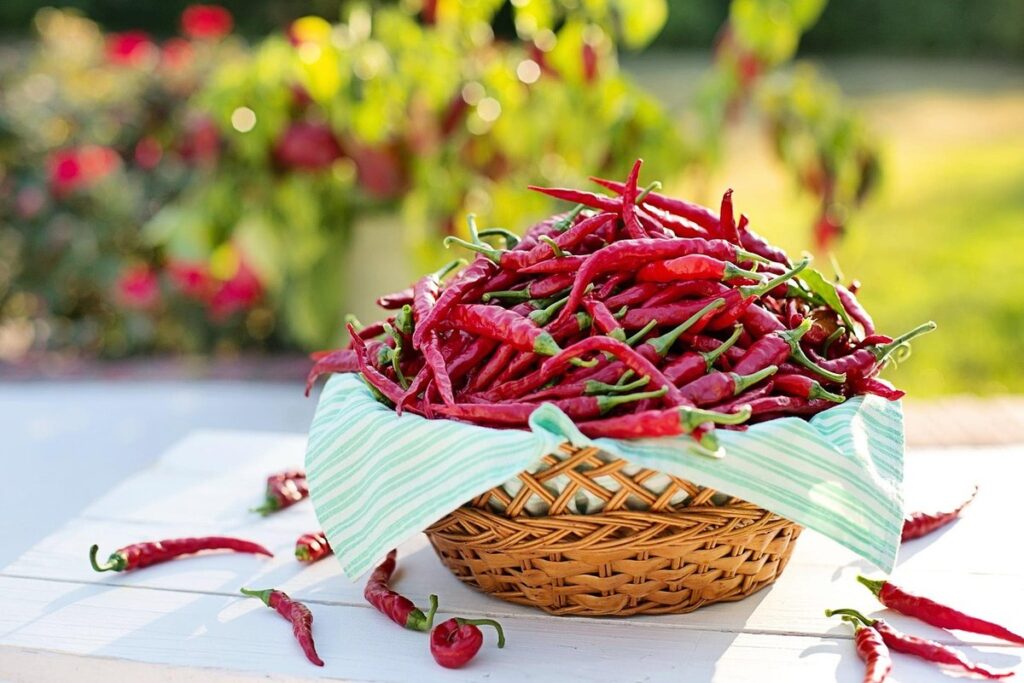
What is Bhut Jolokia and Where Does it Originate?
Bhut Jolokia, a pepper so notorious for its intense heat that it’s often referred to as the “King of Hot Peppers”. Let’s delve into the origins and characteristics that make this pepper truly unique.
History of Bhut Jolokia
The Bhut Jolokia’s intense heat and unique flavor profile have made it a sought-after ingredient for spice enthusiasts. But where did this pepper come from? The origins of the Bhut Jolokia date back to the 1970s, when it was first cultivated in the North Eastern Indian states of Assam, Nagaland, and Manipur.
The name “Bhut Jolokia” roughly translates to “ghost pepper,” which is fitting given its infamous heat. However, it’s worth noting that the Bhut Jolokia is not technically a ghost pepper, but rather a separate species (Capsicum chinense) that has gained popularity for its intense Scoville rating.
In India, the Bhut Jolokia was initially used in traditional medicine and as a spice in local cuisine. However, it wasn’t until the 1990s that it gained international recognition for its intense heat. This exposure led to its widespread cultivation and adoption by chefs around the world. Today, the Bhut Jolokia is prized for its unique smoky flavor and fiery heat, making it a staple in many hot sauce recipes.
Cultivation and Distribution
Bhut Jolokia is primarily cultivated in the North Eastern states of India, particularly in the regions of Assam and Meghalaya. This remote area provides an ideal climate for the pepper to thrive, with a unique combination of high altitude, cool temperatures, and ample rainfall. The indigenous farmers in these regions have been cultivating Bhut Jolokia for generations, passing down their techniques and knowledge from one generation to the next.
Today, India is the largest producer and exporter of Bhut Jolokia, accounting for over 80% of global production. The pepper is mainly cultivated on small-scale farms, with each farm typically producing around 1-2 tons per acre. The high demand for Bhut Jolokia has led to its widespread cultivation in other parts of the world, including the United States, Europe, and Australia.
Interestingly, India’s export market is dominated by a few key players, with countries like the US, UK, and Germany being the top importers of Bhut Jolokia. The pepper is not only sought after for its intense heat but also for its unique aroma, which is often used in traditional medicine and cooking. If you’re looking to try your hand at growing or cooking with Bhut Jolokia, be sure to source high-quality seeds or peppers from reputable suppliers to ensure the best results.
Characteristics that Set Bhut Jolokia Apart
So, what makes the Bhut Jolokia so special? Let’s dive into its unique characteristics that have earned it a spot as one of the hottest peppers in the world.
Scoville Heat Units (SHU)
The Scoville Heat Units (SHU) system is the gold standard for measuring the heat level of peppers like the Bhut Jolokia. Developed by Wilbur Scoville in 1912, this method involves dissolving a pepper in water and then measuring the amount of capsaicin present using a technique called High-Performance Liquid Chromatography (HPLC). The resulting SHU rating is a numerical value that represents how much capsaicin is present in one gram of pepper.
Bhut Jolokia’s intense heat earns it an impressive 855,000 – 1,041,427 SHU rating. To put this into perspective, the relatively mild jalapeño pepper has a rating of just 2,500 – 8,000 SHU. When handling Bhut Jolokia peppers, you’ll want to exercise caution: even a small amount can cause intense burning and discomfort.
To give you a better idea of how to handle these fiery peppers, here’s a simple guide:
* Wear gloves when handling Bhut Jolokia peppers to prevent capsaicin oil from transferring to your skin.
* Avoid touching your face or eyes after handling the pepper.
* If you do accidentally get capsaicin on your skin, wash it off immediately with soap and water.
Unique Aroma and Flavor Profile
When you first encounter a Bhut Jolokia, one of the most striking things about it is its unique aroma and flavor profile. Unlike other hot peppers, Bhut Jolokia has an intense, pungent scent that’s both intriguing and overwhelming. This distinct aroma is due to the pepper’s high concentration of volatile compounds, particularly geranyl acetone and 2-isobutyl-3-methoxypyrazine.
When you take a bite of a ripe Bhut Jolokia, the flavor explosion is just as intense. The initial sweetness gives way to a slow-building heat that’s followed by a deep, smoky undertone. This complex flavor profile is due in part to the pepper’s unique combination of capsaicinoids and other compounds.
One of the key things to remember when working with Bhut Jolokia is that its aroma and flavor can be quite overpowering. To bring out the best in this pepper, it’s essential to use it judiciously and balance its intense flavors with other ingredients. When cooking with Bhut Jolokia, start by using small amounts and adjust to taste. This will help you harness its unique characteristics without overwhelming your dish.
The Science Behind Bhut Jolokia’s Heat
But what makes Bhut Jolokia so scorchingly hot? We’re diving into the fascinating world of capsaicinoids and the unique chemistry behind its intense heat.
Capsaicin Content
At the heart of the Bhut Jolokia’s intense heat lies a tiny molecule called capsaicin. This potent compound is responsible for the burning sensation we experience when consuming hot peppers. Capsaicin is produced by the pepper plant as a defense mechanism to deter predators and attract pollinators.
When you eat a Bhut Jolokia, the capsaicin binds to pain receptors on your tongue, tricking your brain into thinking you’re experiencing intense heat. This binding process triggers a response in your nervous system, releasing chemical signals that travel to the brain. The brain interprets this signal as pain, which is why we feel that characteristic burning sensation.
In addition to its role in pepper heat, capsaicin has been shown to have potential health benefits, including reducing inflammation and alleviating pain. However, it’s essential to consume capsaicin-rich foods in moderation, as excessive consumption can lead to discomfort and digestive issues.
Other Bioactive Compounds
In addition to capsaicin, Bhut Jolokia is rich in other bioactive compounds that contribute significantly to its unique properties. One such compound is ferulic acid, a naturally occurring antioxidant found in the pepper’s skin and seeds. Ferulic acid has been shown to exhibit anti-inflammatory and antimicrobial properties, making it an effective ingredient in skincare products. It also plays a crucial role in protecting the pepper from pathogenic microorganisms, contributing to its long shelf life.
Other beneficial compounds present in Bhut Jolokia include flavonoids, alkaloids, and saponins. These compounds not only enhance the pepper’s flavor and aroma but also possess medicinal properties that have been explored for their potential health benefits. For instance, flavonoids like kaempferol and quercetin have been found to have anti-cancer and cardiovascular protective effects. The presence of these diverse bioactive compounds is a testament to the complexity and richness of Bhut Jolokia’s nutritional profile.
When handling or cooking with Bhut Jolokia, be mindful of the potential interactions between its various compounds. For example, heat can enhance the release of ferulic acid, making it more effective in skincare applications. Conversely, excessive heat can damage some of these beneficial compounds, reducing their potency. By understanding the interplay between Bhut Jolokia’s bioactive compounds, you can unlock new uses and benefits from this incredible pepper.
Culinary Uses and Preparations
When cooking with Bhut Jolokia, it’s essential to understand its unique flavor profile and heat level to use it effectively in various recipes. We’ll explore some popular culinary uses for this infamous pepper.
Traditional Dishes
The Bhut Jolokia is an integral part of traditional cuisine in many countries, particularly in India and Southeast Asia. One of its most iconic uses is in the Indian dish “Naga Jolokia Chicken,” a spicy curry made by combining marinated chicken with a blend of aromatic spices, including cumin, coriander, and turmeric, along with the fiery Bhut Jolokia pepper. This dish showcases the versatility of the Bhut Jolokia as a flavor enhancer rather than just a heat source.
In Manipur, a northeastern Indian state, the Bhut Jolokia is used to make a traditional fermented fish sauce called “Ukhrul,” which adds depth and umami flavor to local dishes. The pepper’s unique properties also make it an essential ingredient in Thai cuisine, where it’s used to add heat and aroma to soups like “Tom Yum” and salads like “Som Tam.”
To incorporate the Bhut Jolokia into your cooking, start by using a small amount, as its intense heat can quickly overpower other flavors. Experiment with different recipes and find the perfect balance of spice and flavor that suits your taste. With its distinct aroma and intense heat, the Bhut Jolokia is sure to elevate any dish it’s added to.
Modern Applications
In recent years, modern chefs have been experimenting with Bhut Jolokia to create innovative and mouth-numbing dishes that push the boundaries of culinary art. One notable example is the use of Bhut Jolokia in Asian-fusion cuisine. Chefs are pairing this fiery pepper with ingredients like Korean chili flakes (gochugaru), Japanese miso paste, and Thai fish sauce to create bold and aromatic sauces for noodle dishes.
Another creative application of Bhut Jolokia can be seen in the use of its pureed form as a condiment or marinade. Chefs are using it to add depth and heat to everything from grilled meats to roasted vegetables. For instance, try mixing equal parts Bhut Jolokia puree with mayonnaise and lemon juice for a spicy aioli that’s perfect for dipping fries.
Some adventurous chefs are even incorporating Bhut Jolokia into desserts, where its smoky, slightly sweet flavor complements the richness of chocolate or caramel. To get started, simply add a few drops of Bhut Jolokia extract to your favorite ice cream recipe or use it as an unexpected flavor component in a spicy mango salsa.
Health Benefits and Potential Risks
While indulging in the intense flavor of Bhut Jolokia, it’s essential to consider its potential health effects and the risks associated with consuming such a fiery pepper. Here’s what you need to know.
Nutritional Value
Bhut Jolokia is more than just a spicy addition to your meals; it’s also a nutrient-rich superfood. Packed with vitamins A and C, potassium, and iron, this pepper offers numerous health benefits when consumed in moderation. The vitamin C content in Bhut Jolokia makes it an excellent natural remedy for fighting off colds and flu, as well as promoting healthy skin.
The antioxidants present in the pepper also contribute to its potential health benefits. These powerful compounds help protect against cell damage, reduce inflammation, and may even lower the risk of certain cancers. For example, a study published in the Journal of Agricultural and Food Chemistry found that the antioxidant properties of Bhut Jolokia were effective in inhibiting the growth of human breast cancer cells.
To reap the nutritional benefits of Bhut Jolokia, incorporate it into your cooking as you would any other pepper. You can use fresh or dried forms in various dishes, from curries to stir-fries. When using fresh peppers, be sure to wash them thoroughly and remove seeds before consuming. This will not only reduce heat but also minimize potential stomach discomfort caused by the pepper’s high capsaicin content.
Precautions for Consumption
When handling extremely hot peppers like Bhut Jolokia, it’s essential to exercise caution. The intense heat can cause discomfort and potentially lead to more severe issues for some individuals.
If you’re new to consuming spicy food or haven’t had the Bhut Jolokia before, start with a small amount. This will allow your taste buds to adjust and help prevent overwhelming discomfort. Be cautious of the tear-inducing properties of capsaicin, the compound responsible for the pepper’s intense heat.
When preparing meals that include Bhut Jolokia, avoid touching your eyes or other sensitive areas after handling the peppers. The oils in the pepper can cause irritation and potentially lead to long-term damage if not properly managed.
For those with pre-existing conditions, such as acid reflux or stomach issues, it’s crucial to approach consumption with extra caution. Even a small amount of Bhut Jolokia may exacerbate these conditions. If you’re unsure about your tolerance, consider starting with a very small amount and observing how your body reacts before gradually increasing the quantity.
In addition to individual precautions, always be mindful of your environment when consuming extremely hot peppers like Bhut Jolokia. Avoid eating in public or around others who may be disturbed by the smell or taste.
Conclusion: The Lasting Impact of Bhut Jolokia
As we’ve delved into the fiery world of Bhut Jolokia, it’s time to reflect on its lasting impact and explore how this pepper has left an indelible mark on the culinary scene. Let’s take a final look at its enduring legacy.
Legacy and Cultural Significance
The Bhut Jolokia’s impact on global cuisine is undeniable. Its intense heat and unique flavor have made it a staple in many high-end restaurants and exotic food scenes worldwide. Chefs and home cooks alike are drawn to its versatility, using it as an ingredient in everything from sauces to marinades.
But the Bhut Jolokia’s influence extends beyond the culinary world. It has also played a significant role in our understanding of heat and flavor profiles. Its Scoville heat unit (SHU) rating of 855,000-1,041,427 is one of the highest among all known peppers, making it a benchmark for measuring capsaicin levels.
The Bhut Jolokia has also had a profound impact on cultural traditions. In its native Assam region, the pepper is not only used as a condiment but also holds spiritual significance. Its use in traditional medicine and rituals highlights the importance of preserving indigenous knowledge and practices.
As enthusiasts and chefs continue to experiment with the Bhut Jolokia, its legacy will undoubtedly continue to shape the world of cuisine and beyond.
Final Thoughts and Recommendations
As we conclude our journey into the realm of the Bhut Jolokia, it’s essential to remember that this pepper is not just a novelty for thrill-seekers. For those willing to take on its intense heat and complexity, it offers a world of flavor and aroma that can elevate any dish. To safely and effectively incorporate Bhut Jolokia into your life, start by using it in moderation. Begin with small amounts – even as little as 1/4 teaspoon per serving – and gradually increase the quantity based on your tolerance.
Consider pairing the pepper with ingredients that complement its unique flavor profile, such as rich oils or creamy cheeses. This will help balance out its intense heat. When working with Bhut Jolokia, always use gloves to protect your skin from the oil’s irritating properties. Additionally, have a glass of milk or other dairy product on hand to neutralize any discomfort caused by excessive heat.
Frequently Asked Questions
Can I grow Bhut Jolokia peppers at home, or do they require special conditions?
Growing Bhut Jolokia peppers can be a rewarding experience for enthusiasts, but it does require specific conditions. They thrive in tropical regions with high humidity and temperatures between 65°F to 85°F (18°C to 30°C). To grow them successfully at home, ensure you provide the right climate and soil conditions.
How do I handle the intense heat of Bhut Jolokia peppers when consuming or cooking with them?
The intense heat of Bhut Jolokia peppers can be overwhelming for some. When handling or consuming these peppers, start with a small amount and gradually increase the quantity to acclimate your taste buds. Also, have milk or other dairy products on hand to help neutralize the capsaicin.
Are there any health benefits associated with consuming Bhut Jolokia peppers regularly?
Research suggests that consuming spicy foods like Bhut Jolokia can have several health benefits, including anti-inflammatory properties and improved circulation. However, it’s essential to consume them in moderation due to their intense heat and potential stomach upset.
Can I substitute other hot peppers for Bhut Jolokia in recipes, or will the flavor be significantly different?
While other hot peppers like habaneros or scorpions share some similarities with Bhut Jolokia, they have distinct flavor profiles. If you want to achieve a similar heat level and aroma, it’s best to use Bhut Jolokia specifically.
What precautions should I take when handling or storing Bhut Jolokia peppers?
When handling or storing Bhut Jolokia peppers, be sure to wear gloves to avoid transferring the capsaicin oil to your skin. Also, store them in airtight containers to maintain their potency and prevent drying out.