
Composting is an essential practice for any gardener looking to create nutrient-rich soil for their plants. By turning food scraps, yard waste, and other organic materials into a valuable resource, you can improve soil structure, fertility, and overall health. However, many of us struggle with setting up a composting system that works efficiently and effectively.
In this article, we’ll explore the best practices for composting, covering topics such as different methods and bin setup options. We’ll also delve into troubleshooting common issues like odors, pests, and slow decomposition rates. By mastering the art of composting, you’ll be able to create a nutrient-rich soil amendment that will take your garden to the next level. Whether you’re a seasoned gardener or just starting out, this guide is designed to help you get started with composting and see real results in your garden.
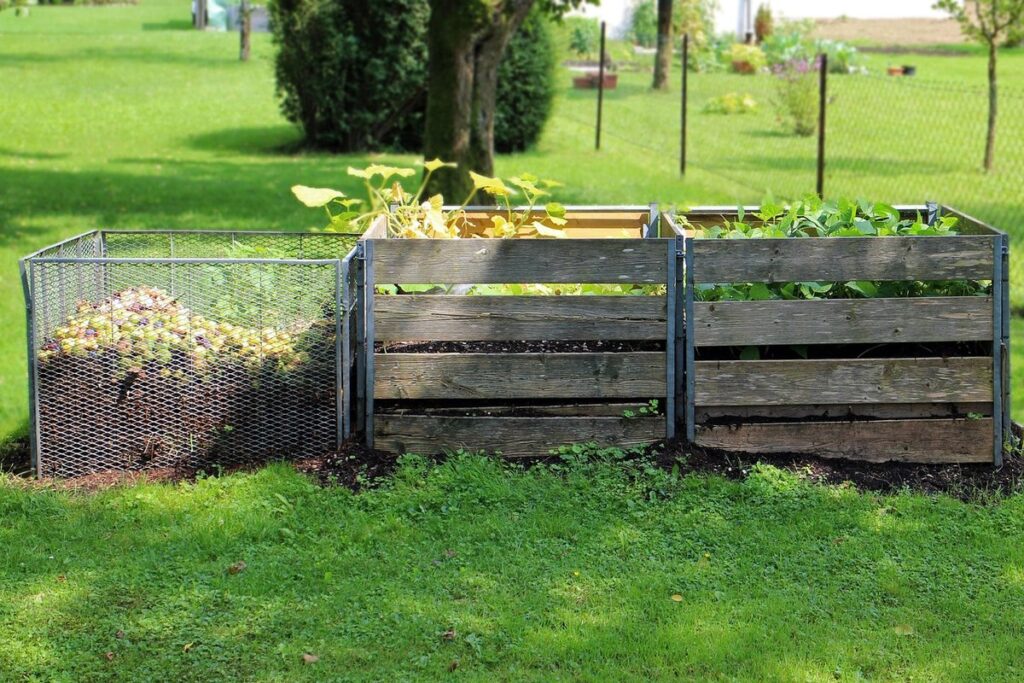
Choosing the Right Composting Method
With so many composting methods out there, it can be overwhelming to decide which one is right for you. Let’s break down the pros and cons of popular techniques to find your perfect match.
Cold Composting vs. Hot Composting
Composting is an art that requires patience and understanding of different methods. When it comes to composting, you’ll often come across two popular techniques: cold composting and hot composting. While both methods can produce rich, nutrient-dense compost, they have distinct advantages and disadvantages.
Cold composting involves adding organic waste to a pile or bin without actively managing its carbon-to-nitrogen ratio. This method is ideal for small-scale household composting, as it requires minimal maintenance and effort. Cold composting is also beneficial for breaking down larger items like branches and twigs. However, it can take anywhere from 6 months to 2 years to complete the composting process.
Hot composting, on the other hand, involves actively managing the carbon-to-nitrogen ratio by layering “green” (nitrogen-rich) materials like food scraps and grass clippings with “brown” (carbon-rich) materials like leaves or shredded newspaper. This method accelerates the composting process, typically taking 1-3 months to complete. However, it requires regular turning of the pile and monitoring of moisture levels to maintain optimal conditions.
In practice, cold composting is often preferred for its low-maintenance requirements and ability to break down larger items. Hot composting, while more labor-intensive, produces faster results and is ideal for large-scale or commercial composting operations.
Vermicomposting for Indoor Spaces
Vermicomposting is an excellent option for indoor composting using worms. This method allows you to turn kitchen scraps into nutrient-rich fertilizer right in the comfort of your own home.
One of the primary benefits of vermicomposting is that it’s odor-free and low-maintenance. Worms are efficient at breaking down organic matter, reducing the likelihood of unpleasant odors. Additionally, they can handle high temperatures and humidity levels, making them well-suited for indoor composting.
To get started with vermicomposting, you’ll need a worm bin specifically designed for this purpose. These bins typically consist of a tray or container that allows for easy waste collection and harvesting of the finished compost. It’s essential to maintain proper pH levels (around 6-7) and avoid overfeeding your worms, as this can lead to anaerobic conditions.
Some popular types of worms for vermicomposting include red wigglers and European nightcrawlers. These species are ideal due to their high reproduction rates and ability to thrive in a controlled environment.
Setting Up Your Compost Bin or Pile
Now that you’ve decided on a composting method, it’s time to set up your bin or pile. Learn how to position and prepare your compost area for maximum efficiency.
Essential Components of a Compost Bin
When setting up your compost bin or pile, it’s essential to consider its components. A well-designed bin can make a significant difference in the composting process, ensuring it breaks down efficiently and effectively.
Size is a crucial factor when choosing a compost bin. Aim for a minimum size of 3×3 feet (0.9m x 0.9m) with a height of about 3-4 feet (0.9-1.2m). This space allows for easy turning, maintains optimal carbon-to-nitrogen ratios, and prevents overcrowding.
Material is another critical consideration. Opt for bins made from breathable materials like wire mesh or wooden pallets to allow for airflow. These will help prevent moisture buildup and reduce odors. Avoid using plastic bins as they can trap heat and inhibit decomposition.
Accessibility features are also essential. Ensure the bin has a secure lid that can be easily opened and closed, making it simple to add materials without creating messes. Consider bins with built-in handles for convenient turning and maintenance.
Building a DIY Compost Pile on a Budget
Building a DIY compost pile on a budget requires some creativity and resourcefulness, but it’s entirely possible to create an effective composting system without breaking the bank. One of the most significant costs associated with composting is the purchase of a dedicated bin or enclosure, but this can be avoided by using readily available materials.
Consider repurposing old pallets, wire mesh, or wooden crates to build your compost pile’s framework. These items are often free or inexpensive and can provide a sturdy base for your composting system. You can also use cardboard boxes or plastic containers to collect kitchen scraps and yard waste before adding them to the main compost pile.
When selecting materials, prioritize durability and ease of cleaning. Avoid using materials that may harbor pests or attract rodents, such as wood shavings or untreated lumber. Instead, opt for wire mesh or hardware cloth to prevent animals from accessing your compost pile.
By repurposing materials you already have on hand, you can create a functional composting system without incurring significant costs.
Understanding Composting Parameters
When it comes to composting, there are a few key parameters you need to understand to create nutrient-rich soil for your garden. Let’s dive into what these parameters are and how to optimize them.
The Role of pH in Composting
pH levels play a crucial role in composting, as they can significantly impact microbial activity and nutrient availability. Microorganisms thrive within a narrow pH range of 6.5 to 7.5, making it essential to maintain optimal acidity or alkalinity levels.
To determine the pH of your compost, you’ll need to conduct regular tests using a pH meter or pH test strips. These tools will provide an accurate reading, helping you identify any potential issues with acidity or alkalinity.
Adjustments can be made to achieve optimal pH levels by adding materials rich in carbon (such as peat moss) to neutralize excessive acidity or incorporating calcium carbonate to raise the pH. Aim to maintain a slightly acidic to neutral environment, where the compost will experience ideal microbial activity and nutrient retention. Regular monitoring of pH levels ensures you’re providing an optimal environment for decomposers, ultimately leading to high-quality compost that’s rich in nutrients.
Maintaining Optimal Moisture Levels
Maintaining optimal moisture levels is crucial for successful composting. Excessive water can lead to anaerobic conditions, causing unpleasant odors and attracting pests, while inadequate moisture can slow down the decomposition process.
To monitor moisture levels, you’ll need to check on your pile regularly. Stick your hand into the pile, and if the material feels dry, it’s time for a drink. On the other hand, if it’s soggy or waterlogged, let it breathe. The ideal consistency is like a damp sponge – not too wet, not too dry.
To adjust moisture levels, you can add a mix of “green” materials (high in nitrogen) and “brown” materials (high in carbon). For example, adding some fresh grass clippings to balance out a dry pile of leaves. Another approach is to sprinkle water evenly over the surface, working it down into the pile.
Consequences of overwatering can be severe: anaerobic conditions lead to pathogens, reduced nutrient retention, and even compost failure. Conversely, underwatering slows decomposition, leading to incomplete breakdown and lower quality compost.
Aim for a 50-60% moisture level to promote optimal microbial activity. This ensures balanced decomposition and minimizes the risk of spoilage or pests. With regular monitoring and adjustments, you’ll achieve a perfectly balanced and thriving compost ecosystem.
Managing Compost Odors and Pests
Now that you’re composting, let’s tackle some common challenges: odors and pests. We’ll share expert tips to keep your bin fresh and pest-free.
Natural Methods for Minimizing Odor
Composting can be an smelly process if not managed properly. Fortunately, there are several natural methods to minimize odors during composting. One effective way is through aeration. Regular turning and mixing of the pile allows oxygen to penetrate, breaking down organic matter efficiently without producing unpleasant smells.
Another approach is incorporating odor-reducing materials like charcoal, sawdust, or shredded newspaper into your compost pile. These items help absorb excess moisture and odors while also adding carbon-rich content for balanced decomposition.
Reducing waste generation can also minimize odors. Focus on using kitchen scraps in moderation, separating “green” materials (food waste, grass clippings) from “brown” ones (dried leaves, straw). Avoid adding meat, dairy products, or oily foods as these create strong smells and attract pests.
When composting indoors, consider using a worm composter which is specifically designed for reducing odor and pest issues. By implementing these strategies, you can enjoy a relatively odor-free composting experience while still producing nutrient-rich soil amendments for your garden.
Organic Pest Control for Your Compost Pile
As you work on creating a thriving compost pile, it’s essential to address potential pest problems early on. Integrated Pest Management (IPM) techniques and natural deterrents can help prevent pests from infesting your compost heap. To start, maintain good housekeeping habits by removing any debris or finished compost that may attract pests.
Some common compost pests include fruit flies, rodents, and unwanted insects like ants and beetles. To deter them, use natural deterrents such as diatomaceous earth, a powder made from fossilized algae that dehydrates insect exoskeletons. You can also incorporate red pepper flakes or hot sauce into your compost pile to repel pests.
Another effective method is to implement a “pest-free” layering system in your compost bin. Alternate between carbon-rich materials like straw and nitrogen-rich materials like food scraps, ensuring adequate airflow and moisture control. This balance will discourage pest growth while promoting decomposition.
Accelerating Composting with Additives and Aids
Now that you’re familiar with the basics of composting, let’s dive into some game-changing additives and aids that can take your pile to the next level. We’ll explore what works best.
Benefits and Drawbacks of Using Compost Accelerators
Using compost accelerators can be a game-changer for speeding up the composting process. These additives, available in both chemical and biological forms, can help break down organic materials faster and more efficiently.
Chemical accelerators typically contain nitrogen-rich compounds that stimulate microbial activity and increase decomposition rates. While they may produce quick results, their use has some drawbacks. For instance, excessive application can lead to an overabundance of nitrogen, causing potential burning or damage to plants if the compost is not properly balanced. Moreover, these chemicals might not be suitable for all types of composting operations, particularly those focused on organic and sustainable practices.
Biological accelerators, on the other hand, offer a more natural approach by introducing beneficial microorganisms that enhance decomposition processes. These can include fungal or bacterial inoculants that stimulate microbial growth and reduce odors. When used correctly, biological additives can promote faster composting without compromising the quality of the final product. However, their effectiveness depends heavily on factors such as temperature, moisture levels, and carbon-to-nitrogen ratios.
If you decide to use accelerators in your composting process, it’s essential to follow manufacturer instructions carefully and monitor the progress closely. A balanced approach that combines natural methods with targeted additives can yield impressive results while minimizing potential drawbacks.
DIY Compost Tea: Fertilizer or Compost Aid?
Composting with additives and aids can be an effective way to accelerate the composting process. One such aid is compost tea, a liquid solution made by steeping compost in water. The benefits of using compost tea as a fertilizer or compost aid are numerous. It’s rich in beneficial microbes that help break down organic matter efficiently.
Research has shown that compost tea can increase microbial populations by up to 40 times more than regular compost. This means that your compost pile will be able to degrade materials faster, reducing odors and mess. However, there’s also a potential risk of over-aeration, which can lead to the loss of beneficial microbes.
To minimize this risk, it’s essential to use a proper brewing method. Steep the compost in water at room temperature for 24 hours, then strain it before using. You should aim to apply about 5-10 gallons of compost tea per square foot of compost area. Always monitor your compost pile and adjust the ratio of compost to tea accordingly.
Using compost tea can also help reduce pest problems by introducing beneficial microbes that repel pests naturally. For example, a study found that compost tea reduced fungal pathogens in plant leaves by up to 80%.
Monitoring Progress and Maintaining Quality
As you start composting, it’s essential to regularly check on your progress and maintain high-quality results. This involves tracking temperature, moisture levels, and carbon-to-nutrient ratios.
Checking Compost Maturity and Readiness
Determining when your compost is ready for use can be a bit tricky, but there are several methods to ensure it’s mature and of high quality. One way to check is by testing the texture – if it feels smooth and crumbly like potting soil, it’s likely ready to go. Conversely, if it still has large chunks or clumps, it needs more time to break down.
Another indicator of maturity is color. Compost should have an earthy, brown hue, although some may retain a hint of green from added nitrogen-rich materials. A good rule of thumb is that it’s ready when the compost pile no longer smells strongly of rotting food or other organic matter. To test nutrient content, you can perform a simple ‘squeeze test’: if the compost holds its shape but crumbles easily when pressed, it’s likely rich in nutrients and ready for use.
It’s also worth noting that mature compost is typically teeming with beneficial microorganisms, which help support plant health. By checking texture, color, and nutrient content, you can confidently determine when your compost is ready to improve soil structure and fertility in your garden.
Troubleshooting Common Composting Issues
One of the most frustrating aspects of composting is when things don’t go as planned. Whether it’s slow decomposition or an unpleasant odor, these issues can be discouraging and even lead to abandoning the composting process altogether. But fear not! Troubleshooting common composting problems is often simpler than you think.
If your compost is taking too long to break down, check for imbalance in the carbon-to-nitrogen ratio. Too many “green” materials (food scraps, grass clippings) can lead to anaerobic conditions, slowing decomposition. Add more “brown” materials (dried leaves, shredded newspaper) to balance things out. A general rule of thumb is to aim for 2/3 carbon-rich materials and 1/3 nitrogen-rich materials.
Another common issue is unpleasant odors. This is often caused by too many high-nitrogen materials (food scraps, manure) without sufficient “browns” to absorb excess moisture and carbon. Regularly turning the pile can help aerate it and reduce odor. Also, make sure your composting bin has adequate ventilation.
To minimize issues like these, maintain a consistent feeding schedule and avoid overloading your composting bin. Regular monitoring will also allow you to catch problems before they become major headaches.
Frequently Asked Questions
How can I ensure my compost bin is maintaining optimal moisture levels throughout the process?
Maintaining optimal moisture levels is crucial for efficient decomposition. To achieve this, ensure your compost bin has adequate drainage holes to prevent waterlogging. Also, regularly inspect the pile’s moisture level by inserting a stick or probe; if it feels damp but not soggy, you’re on the right track. Aim for a mix of 40-60% moisture content.
Can I add weeds with seeds to my compost pile, and how will they affect the process?
Yes, adding weeds with seeds can be beneficial as long as they don’t contain invasive species or plants toxic to humans or animals. However, it’s essential to ensure that you’re not inadvertently spreading weeds to your garden. Chop or shred the weeds before adding them to the compost pile to help control their spread.
How do I deal with pest infestations in my compost pile without using chemical pesticides?
Pests can be a common issue in composting. To manage pests naturally, ensure your compost has adequate carbon-to-nitrogen ratios (aim for 2/3 ‘brown’ materials and 1/3 ‘green’ materials). Also, add a layer of finished compost or well-rotted manure on top of the pile to deter pests.
Can I use household kitchen scraps in my vermicomposting system?
Yes, you can use household kitchen scraps in your vermicomposting system. In fact, adding nutrient-rich food waste will promote healthy worm growth and reduce odors. However, avoid overfeeding, as this can lead to anaerobic conditions and unpleasant odors.
How do I know when my compost is mature and ready for use?
Maturity indicators include a rich earthy aroma, crumbly texture, and a uniform color. To check maturity, perform the ‘squeeze test’: if your compost holds its shape but breaks apart easily when pressed, it’s ready to use. Also, ensure that the temperature of the compost pile has cooled down significantly (ideally below 131°F).