
Are you tired of biting into bland, flavorless tomatoes from your home garden? You’re not alone! Growing great-tasting tomatoes is an art that requires the right combination of variety, care, and technique. But don’t worry, I’ve got you covered. In this comprehensive guide, we’ll dive into the world’s best-tasting tomato varieties, perfect for any home gardener looking to elevate their harvest.
From heirloom favorites like Brandywine and Cherokee Purple to new breeders like Sungold and Black Krim, we’ll explore the top flavors, textures, and growth habits that make these varieties stand out. Plus, learn how to coax the best flavor from your tomatoes through simple tips on growing conditions, pruning techniques, and preservation methods. Whether you’re a seasoned gardener or just starting out, get ready to discover the secrets of growing delicious, mouth-watering tomatoes right in your own backyard!
Choosing the Right Variety
When selecting a tomato variety, consider factors such as taste preferences and growing conditions to ensure you choose the best fit for your needs. We’ll break down some top performers below.
Considerations for Flavor Profile
When choosing the best-tasting tomato varieties, it’s essential to consider their flavor profile. The key factors that influence a tomato’s taste are acidity levels, sweetness, and umami taste. A balanced blend of these elements will result in a more complex and enjoyable flavor experience.
Acidity levels play a significant role in determining a tomato’s tartness or brightness. Some popular varieties, such as the San Marzano, have naturally higher acidity levels, which makes them perfect for sauces where acidity is desired. On the other hand, varieties like the Brandywine are sweeter due to their lower acidity levels.
Umami taste is another crucial aspect of a tomato’s flavor profile. Varieties with high umami levels, such as the Cherokee Purple, develop deeper and richer flavors when cooked. This is because the Maillard reaction, a chemical reaction between amino acids and reducing sugars, amplifies the umami taste during cooking.
When selecting varieties for their specific flavor profiles, consider your personal taste preferences and the intended use of the tomatoes in your recipes.
Growing Conditions and Climate Suitability
When it comes to growing tomato varieties that taste their best, climate, soil quality, and sunlight exposure play crucial roles. In regions with scorching summers, look for heat-tolerant and drought-resistant varieties like ‘Brandywine’ or ‘Cherokee Purple’. These heirloom tomatoes can handle the high temperatures and dry conditions, ensuring a flavorful harvest.
On the other hand, cooler climates require more delicate varieties that mature quickly. ‘Early Girl’ or ‘Patio’ are good options for northern growers. They ripen faster and produce smaller fruits, making them ideal for areas with shorter growing seasons.
Soil quality also affects tomato taste. Well-draining soil rich in organic matter allows tomatoes to absorb essential nutrients, resulting in sweeter and more complex flavors. If your soil is poor, consider raised beds or container gardening to improve drainage and fertility.
When selecting a variety, research its specific requirements and adjust accordingly. For example, ‘San Marzano’ tomatoes thrive in alkaline soils but can be challenging to grow in areas with acidic conditions. By choosing the right variety for your climate and soil type, you’ll enjoy a bountiful harvest of delicious, homegrown tomatoes.
Popular Varieties Known for Their Taste
If you’re looking for tomatoes that burst with flavor, we’ve got you covered – here are some of the most popular varieties that will elevate your dishes to a whole new level.
Cherry Tomatoes: Sweet and Juicy
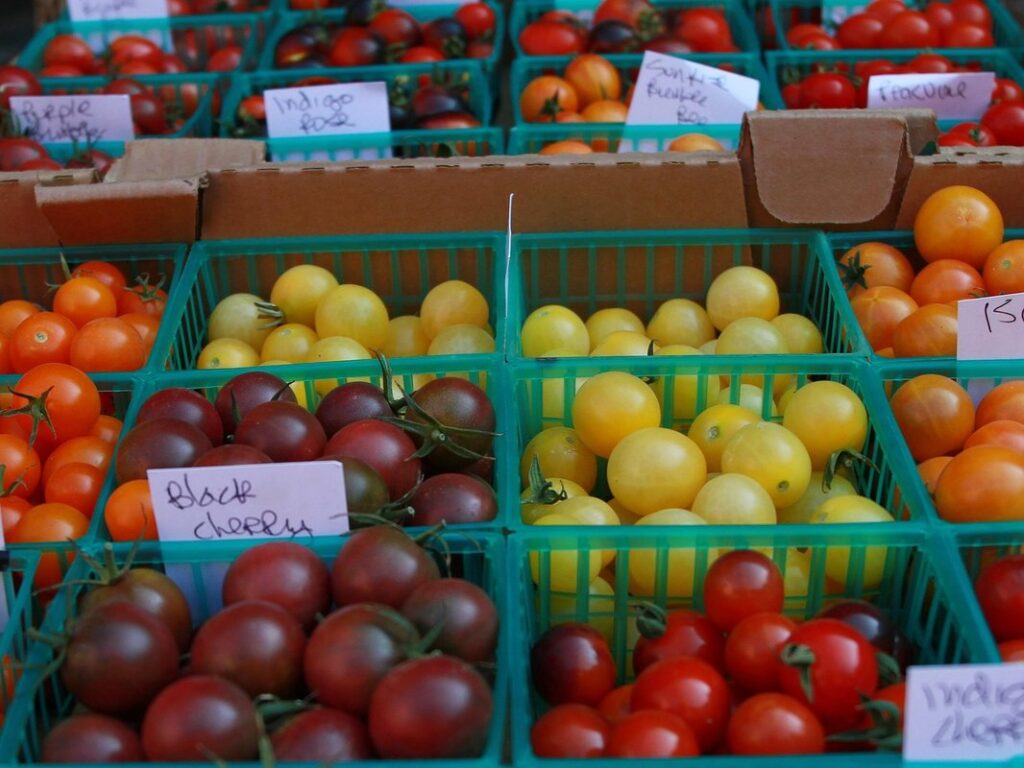
Cherry tomatoes are a beloved variety among home gardeners and chefs alike, prized for their sweetness, juiciness, and compact growth habit. These bite-sized treasures pack a punch of flavor, making them perfect for snacking, salads, and sauces.
When it comes to cherry tomato varieties, some stand out from the rest. ‘Sweet 100’ is a popular choice among gardeners, producing hundreds of small, red fruits with exceptional sweetness. Another favorite is ‘Sungold’, known for its intense orange color and bursting juiciness. For those who prefer a slightly smaller size, ‘Red Cherry’ is a great option, yielding plenty of sweet and tangy fruit.
To grow cherry tomatoes in your garden, make sure to provide them with full sun (at least 6 hours of direct sunlight) and well-draining soil. Plant seeds about 1/4 inch deep and 2-3 inches apart, watering regularly as they mature. With a little care and attention, you’ll be enjoying sweet and juicy cherry tomatoes in no time!
Beefsteak Tomatoes: Meaty and Flavorful
Beefsteak tomatoes are undoubtedly one of the most mouth-watering varieties out there. What sets them apart is their meaty texture and robust flavor profile, which makes them a favorite among tomato enthusiasts. Their large size and dense flesh provide a satisfying crunch that’s simply irresistible.
If you’re looking to elevate your tomato game with more intense flavors, we recommend trying some of the top-rated beefsteak varieties. Some popular options include ‘Brandywine’, ‘Cherokee Purple’, and ‘Black Krim’. These heirloom tomatoes are renowned for their exceptional taste and are perfect for slicing fresh or using in a variety of dishes.
One of the best ways to bring out the full flavor potential of beefsteak tomatoes is by growing them yourself. With proper care, you can cultivate these behemoths in your backyard garden, ensuring that each bite is bursting with juicy sweetness. Another option is to try different cooking methods, such as grilling or roasting, which will unlock even more depth in the flavors.
Incorporating beefsteak tomatoes into your meals will undoubtedly elevate the taste experience. They’re perfect for adding a twist to classic tomato salads, sandwiches, and sauces. Give these stunning tomatoes a try and discover why they’ve become a staple among gardening enthusiasts and foodies alike!
Unconventional Varieties Worth Trying
If you’re looking to mix things up, we’ve got some unexpected tomato varieties that will add excitement to your garden and plate. From Brandywine to Black Krim, get ready for a flavor adventure!
Heirloom Tomatoes: Unique Flavors and Textures
Heirloom tomatoes have long been prized by chefs and home gardeners alike for their unique flavors and textures. These varieties offer a world of possibilities beyond the bland, uniform taste of hybrid tomatoes. Take Brandywine, for example – its rich, tangy flavor is unlike anything you’ll find in a grocery store. Or consider Cherokee Purple, with its deep, almost black color and smoky sweetness.
What sets heirloom tomatoes apart from their hybrid counterparts? For one, they’ve been grown using traditional methods that preserve the genetic diversity of each variety. This means you get to experience a wide range of flavors and textures in every bite. Unlike hybrid tomatoes, which are bred for consistency above all else, heirlooms offer a true taste explosion.
If you’re looking to try your hand at growing heirloom tomatoes, start by selecting varieties that suit your climate and available space. Many popular heirlooms can be grown using container gardens or compact spaces, making them perfect for small-scale growers. With proper care, these incredible tomatoes will reward you with a flavor experience unlike any other – so don’t settle for bland hybrid tomatoes when the world of heirloom flavors is waiting to be explored!
Small-Scale Production Varieties
When it comes to growing tomatoes in small spaces, compact varieties are a game-changer. These specialized breeds are bred specifically for patio or container gardens, and they’re perfect for adding variety to your home garden without taking up too much room.
Some popular examples of small-scale production varieties include ‘Patio’ and ‘Tiny Tim’, which produce smaller fruits that are packed with flavor. These compact plants thrive in containers and can be grown on balconies, patios, or even indoors in a sunny spot.
One advantage of growing compact tomatoes is that they’re often disease-resistant and require less support than larger varieties. This makes them perfect for gardeners who want to try something new without the hassle of pruning and staking. Plus, their smaller size means you can try multiple varieties in a small space, which is ideal for experimenting with different flavors and textures.
To get started, choose a container that’s at least 5-gallons deep to give your compact tomatoes enough room to grow. Use a well-draining potting mix and follow the same care instructions as larger tomato plants. With proper care, these small-scale varieties can produce fruit in as little as 60 days.
Tips for Enhancing Tomato Flavor
To get the most out of your favorite tomato varieties, try these simple tips and tricks to bring out their natural sweetness and depth of flavor.
Soil Quality and Nutrient Balance
Soil quality and nutrient balance are crucial factors in producing flavorful tomatoes. When the soil is rich in nutrients, it allows tomato plants to grow robustly, resulting in a burst of flavors in each fruit. Conversely, poor soil conditions can lead to bland or even unpalatable tomatoes.
To maintain optimal soil conditions, start by testing your soil pH and nutrient levels. Most tomatoes prefer a slightly acidic to neutral soil pH between 6.0 and 7.0. Add organic matter like compost or well-rotted manure to improve soil structure and fertility. A balanced fertilizer application is also essential. Aim for a ratio of 10-10-10 (nitrogen-phosphorus-potassium) and adjust as needed based on your soil test results.
Additionally, consider using cover crops to improve soil health and retain moisture. Plant legumes like beans or peas in the off-season to fix nitrogen and add organic matter. By following these tips, you’ll be well on your way to growing tomatoes with exceptional flavor profiles.
Watering Strategies and Pest Management
When it comes to growing tomatoes that burst with flavor, proper watering techniques and pest management play a significant role. Watering is often overlooked, but it’s crucial for maintaining optimal tomato flavor. Aim to provide about 1-2 inches of water per week through a combination of rainfall and irrigation.
Efficient watering methods include drip irrigation, soaker hoses, or mulching around the plants to retain moisture in the soil. These methods help prevent overwatering, which can lead to dilute flavors and reduced yields. Mulch also helps suppress weeds that compete with tomatoes for water and nutrients.
For pest management, opt for natural solutions like introducing beneficial insects, such as ladybugs or lacewings, to control aphids and whiteflies. Neem oil, horticultural soap, and garlic spray are other effective alternatives to chemical pesticides. Regularly inspect your plants and remove any infested leaves or stems to prevent the spread of pests. By implementing these efficient watering methods and natural pest control solutions, you’ll be well on your way to growing tomatoes that taste as good as they look.
Preserving Fresh Tomato Flavor
When you’ve finally found a tomato variety that tastes amazing, it’s frustrating when its flavor fades after only a few days. Let’s talk about how to preserve fresh tomato flavor and make your favorite varieties last longer.
Storage Methods and Handling Tips
Proper storage and handling of fresh tomatoes are crucial to maintaining their quality and flavor. When it comes to storing your prized varieties at home, keep them away from direct sunlight, as this can cause over-ripening and loss of moisture. Instead, place them in a breathable container or bag, such as paper bags or mesh bags, allowing for airflow.
Store tomatoes at room temperature until they’re fully ripe, then refrigerate to prolong their shelf life. Keep them away from strong-smelling foods, as tomatoes can absorb odors easily. If you don’t plan on using your fresh tomatoes within a few days, consider freezing or roasting them to preserve their flavor and nutrients.
To prevent bruising and spoilage, handle tomatoes gently when washing and storing them. Avoid washing them until just before use, and dry them thoroughly with a clean cloth to remove excess moisture. When transporting tomatoes, place them in a sturdy container to prevent damage during transport.
Remember that even the best-tasting tomato varieties can be affected by improper storage. By following these simple tips, you’ll be able to enjoy your fresh tomatoes for longer and maintain their signature flavor.
Preservation Techniques: Canning, Freezing, and More
When you’ve spent all that time carefully tending to your tomato plants, it’s heartbreaking to see them come to an end. But fear not! As a home gardener, you can enjoy the fruits of your labor (literally) throughout the year with various preservation techniques.
Canning is a popular method for preserving tomatoes, and with good reason. Not only does it allow you to store tomatoes in airtight jars, but it also gives them a shelf life of up to 12 months. To can tomatoes, simply blanch and chop your harvest, then pack them into clean, sterilized jars along with some salt and spices. Process the jars in a boiling water bath for 30 minutes, and you’ll have delicious, home-canned tomatoes all year round.
Freezing is another great option, especially for those who want to preserve their tomatoes without losing any of their flavor or texture. Simply chop your tomatoes, place them on a baking sheet lined with parchment paper, and put them in the freezer. Once frozen solid, transfer the tomato chunks to airtight containers or freezer bags for storage.
For the more adventurous home gardener, dehydrating is a great way to preserve tomatoes. By removing the water content from your harvest, you can create dry, powdery tomato flakes that are perfect for adding depth and flavor to soups, stews, and sauces. Use a food dehydrator or simply place your chopped tomatoes in a low oven (150°F – 200°F) for several hours.
Lastly, consider the benefits of roasting your tomatoes before preserving them. This simple step enhances their natural sweetness and adds an incredible depth of flavor to any dish. Whether you choose canning, freezing, dehydrating, or roasting, with these techniques, you’ll be enjoying the rich taste of fresh, homegrown tomatoes all year long.
Conclusion
As you’ve made it to the end of this guide on the best tasting tomato varieties, we hope you’re excited to start planting and enjoying your new favorite tomatoes! By now, you should have a good understanding of the characteristics that make certain varieties stand out from the rest. Whether you’re a seasoned gardener or just starting out, incorporating these flavorful options into your garden will take your harvests to the next level.
Take Brandywine, Cherokee Purple, and Sungold for example – each boasts its own unique taste profile that’s sure to delight. Now it’s time to put this knowledge into action! Before you begin, consider factors like climate, space, and personal preference when selecting which varieties to grow in your garden. Happy planting, and enjoy the delicious fruits of your labor!
Frequently Asked Questions
Can I grow multiple tomato varieties with different flavor profiles together, or will they compete for resources?
Growing multiple tomato varieties can be a great way to have a diverse harvest, but it’s essential to consider the space and resource needs of each variety. Tomatoes with similar growth habits and requirements can be grown together, but those with different needs should be planted separately.
How do I preserve fresh tomatoes at their best flavor potential? Are there any tips for storing them long-term?
To preserve fresh tomatoes, it’s crucial to handle them gently to avoid bruising. Store them in a cool, dry place away from direct sunlight, and consider using breathable containers or paper bags to maintain humidity levels. For longer storage, consider freezing or canning methods.
Can I grow great-tasting tomatoes in a small space, such as a balcony or patio?
Yes! There are many compact tomato varieties perfect for small spaces. Look for ‘patio’ or ‘container’ varieties that have been bred specifically for their ability to thrive in limited growing conditions. These plants typically produce smaller fruits but pack a big flavor punch.
How do I know if my tomatoes are getting enough nutrients, and what are some signs of nutrient deficiencies?
Tomato plants require a balanced diet of nutrients to produce healthy fruit. Look for signs like yellowing leaves, stunted growth, or small fruit size as indicators of nutrient deficiencies. Consider using soil tests or consulting with a gardening expert to determine the best fertilizer for your specific growing conditions.
Can I grow my own tomato seedlings from scratch, or should I purchase them from a nursery?
Growing tomato seedlings from scratch can be rewarding, but it requires patience and careful attention to detail. If you’re new to growing tomatoes, consider starting with purchased seedlings that have already overcome the initial stages of growth. This will give you a head start on the growing season and increase your chances of success.