
Are you ready to brighten up your garden with the most stunning sunflowers around? With their tall stature, vibrant blooms, and effortless charm, sunflowers are a gardener’s dream come true. But not all sunflower varieties are created equal – some truly stand out from the rest when it comes to size, color, and growing ease.
If you’re a home gardener looking to attract pollinators and wildlife to your yard, or a cut flower enthusiast seeking the perfect addition to your arrangements, you’ll want to know about the best sunflower varieties. In this article, we’ll dive into the top performers like Velvet Queen and Mammoth, and share expert tips on how to grow these magnificent flowers for maximum impact. Whether you’re a seasoned gardener or just starting out, get ready to fall in love with these sun-kissed superstars of the garden.
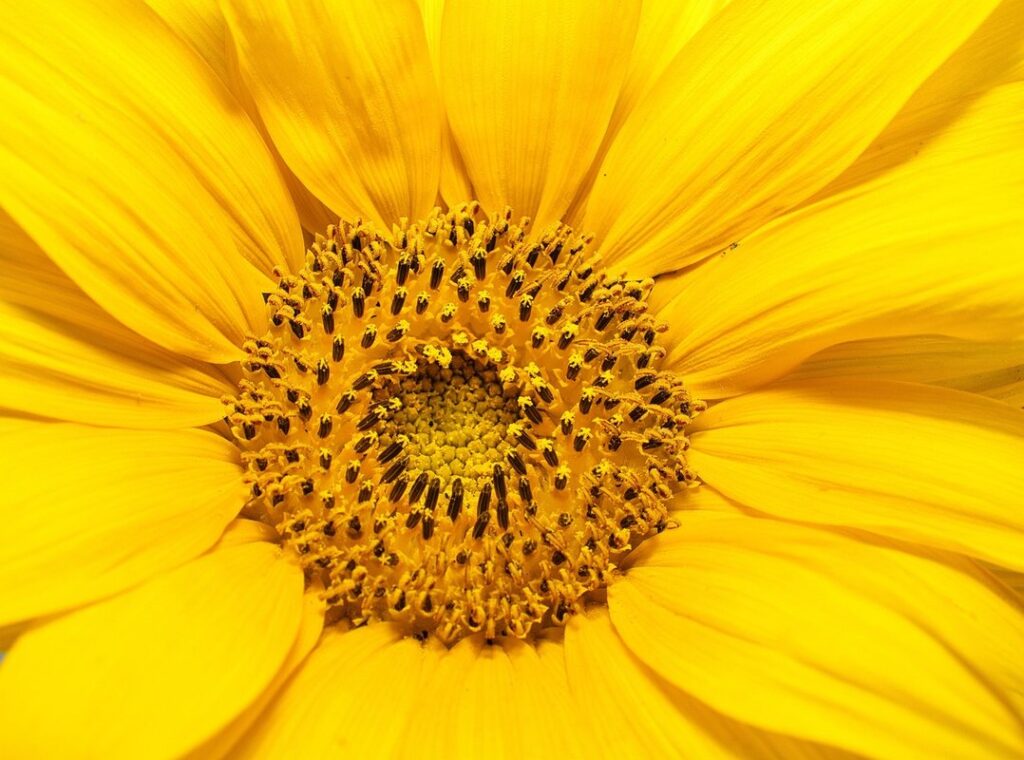
Types of Sunflowers
Sunflowers come in a variety of shapes, sizes, and bloom times, so let’s explore some of the most popular types to help you choose the perfect one for your garden.
Annual vs Perennial Sunflowers
When it comes to sunflowers, you have two main options: annual and perennial varieties. While both types of sunflowers share some similarities, they also have distinct differences that set them apart.
Annual sunflowers are the most common type of sunflower grown by gardeners. They complete their life cycle within a year, blooming in as little as 60 days after sowing seeds. Annual sunflowers are ideal for adding a pop of color to your garden or yard and can be harvested for their edible seeds. However, they typically require replanting every season.
Perennial sunflowers, on the other hand, live for multiple years and often bloom repeatedly throughout their lifespan. They tend to grow larger and produce more flowers than annual varieties. Perennials also have deeper taproots, which allow them to access water sources more efficiently during dry spells.
When deciding between annual and perennial sunflowers, consider your personal preferences and gardening needs. If you want a quick and easy way to add color to your garden, annuals might be the better choice. But if you’re looking for a low-maintenance option that will provide blooms year after year, perennials could be the way to go.
Hybrid vs Open-Pollinated Sunflowers
When it comes to choosing sunflowers for your garden, you may come across two main types: hybrid and open-pollinated. Understanding the differences between these varieties can help you make an informed decision that suits your needs.
Hybrid sunflower varieties are bred specifically for their large size, high yields, and disease resistance. They often produce uniform blooms with consistent characteristics. However, they can be more expensive than open-pollinated varieties and may not come true to seed, meaning the seeds won’t produce identical offspring. This lack of genetic diversity can make them more susceptible to diseases.
On the other hand, open-pollinated sunflower varieties allow you to save seeds from one season’s blooms and replant them in future seasons. They offer greater genetic diversity, which can lead to healthier plants that are better adapted to your specific climate and soil conditions. However, they may not produce as large or uniform blooms as hybrids.
Ultimately, the choice between hybrid and open-pollinated sunflowers depends on your priorities. If you’re looking for a high-yielding crop with minimal maintenance, hybrids might be the way to go. But if you want to preserve seed diversity and enjoy a more natural gardening experience, open-pollinated varieties are worth considering.
It’s worth noting that some growers choose to plant hybrid sunflowers in one area of their garden and open-pollinated varieties elsewhere. This allows them to take advantage of both the high yields and disease resistance of hybrids while still preserving seed diversity.
Dwarf vs Tall Sunflowers
When it comes to choosing sunflowers, one of the main decisions you’ll need to make is whether to grow dwarf or tall varieties. Both types have their own unique characteristics and uses, so let’s take a closer look at each.
Dwarf sunflowers are a great option for small spaces or containers. They typically grow to be around 1-2 feet tall, making them perfect for growing on patios, balconies, or in raised beds. Not only do they save space, but they also bloom faster than their taller counterparts, often producing flowers in as little as 6 weeks. This makes them ideal for adding a pop of color to your garden without taking up too much room.
Tall sunflowers, on the other hand, can grow to be quite statuesque – some varieties can reach heights of over 12 feet! They’re perfect for creating a dramatic focal point in your garden or making a statement in a large field. Tall sunflowers also tend to bloom later than dwarf varieties, often taking around 10-14 weeks to produce flowers.
When deciding between these two types, consider the space you have available and how much time you want to dedicate to caring for your sunflowers. If you’re short on space or want quick results, dwarf sunflowers are a great choice. But if you have plenty of room to spare and want to make a statement with your garden, tall sunflowers are the way to go.
Keep in mind that both types require full sun (at least 6 hours of direct sunlight per day) and well-draining soil to thrive. Be sure to choose a variety that’s suitable for your climate and growing conditions to ensure the best results.
Top Performing Sunflower Varieties for Home Gardeners
For home gardeners, selecting the right sunflower variety can be overwhelming due to the vast array of choices available. Here are our top picks that consistently thrive in small gardens and backyards.
‘Velvet Queen’ Sunflower
The Velvet Queen sunflower is a popular variety among home gardeners, and for good reason. This stunning flower boasts large, soft-petaled blooms that are a deep velvety red color with dark centers, giving it the nickname ‘Velvet Queen’. Reaching heights of 36-48 inches, this sunflower is a great choice for adding drama to your garden borders or creating a statement cut flower arrangement.
One of the key benefits of growing Velvet Queen sunflowers is their relatively easy growth requirements. They prefer well-draining soil and full sun, making them suitable for most home gardens. They also have a moderate growth habit, producing an abundance of blooms with minimal maintenance.
When planting Velvet Queen sunflowers, be sure to provide support as they can grow quite tall. This can be achieved using stakes or a trellis system to keep the stems upright and promote even blooming. With proper care, you can expect to harvest these gorgeous blooms in mid-to-late summer, adding a pop of color and texture to your garden for months to come.
‘Mammoth’ Sunflower
The Mammoth sunflower is an impressive variety that has gained popularity among home gardeners and professional growers alike. This towering giant can grow up to 12-18 feet tall, making it a standout feature in any garden or landscape. Its massive blooms, which can reach up to 12 inches in diameter, are a vibrant yellow with dark centers, creating a stunning contrast that’s sure to draw attention.
One of the key benefits of growing Mammoth sunflowers is their relatively long blooming period, which typically lasts from mid-summer to early fall. This means you’ll have an extended period of enjoying these beautiful flowers in your garden or as cut arrangements. However, be aware that they require full sun and well-draining soil to prevent root rot.
To grow Mammoth sunflowers successfully, make sure to plant them at least 6 feet apart to accommodate their large size. Also, provide support for the plants using stakes or a trellis, especially in areas prone to strong winds. With proper care and attention, you can enjoy these impressive blooms from mid-summer through early fall, adding a dramatic touch to your garden.
‘Soraya’ Sunflower
The ‘Soraya’ sunflower is a popular choice among home gardeners due to its compact growth habit and vibrant blooms. This variety grows to be around 4-6 feet tall, making it an excellent option for smaller gardens or spaces with limited sunlight.
One of the standout features of the ‘Soraya’ sunflower is its large, bright yellow petals that are almost always free of streaks or patterns. The blooms are also relatively long-lasting, often remaining vibrant and intact for several weeks. To get the most out of your ‘Soraya’ sunflowers, be sure to provide them with full sun (at least 6 hours of direct sunlight) and well-draining soil.
In terms of care, the ‘Soraya’ sunflower is relatively low-maintenance. Simply remove any dead blooms as they fade, and trim back the plant after it finishes flowering. This will help promote new growth and encourage the plant to produce more blooms throughout the season.
By following these simple tips, you can enjoy a bountiful harvest of bright yellow ‘Soraya’ sunflowers in your own home garden. Their compact size and long-lasting blooms make them an excellent choice for adding a pop of color and beauty to any outdoor space.
Best Sunflower Varieties for Cut Flower Arrangements
When it comes to creating stunning cut flower arrangements, choosing the right sunflower variety is crucial. We’ll be highlighting our top picks perfect for adding a pop of color and texture to your bouquets.
‘Red Sun’ Sunflower
The ‘Red Sun’ sunflower is a standout variety that brings a bold pop of color to cut flower arrangements. Its striking red petals are a sight to behold, and its large blooms will make a statement in any arrangement. Measuring up to 12 inches in diameter, these blooms are sure to impress.
One of the unique characteristics of the ‘Red Sun’ sunflower is its ability to retain its vibrant color even when dried. This makes it an excellent choice for seasonal arrangements or as a long-lasting addition to home decor. Whether you’re looking to add a dramatic touch to your bouquets or create a stunning centerpiece, the ‘Red Sun’ sunflower is an ideal choice.
In terms of growing conditions, the ‘Red Sun’ sunflower prefers full sun and well-drained soil. It’s also relatively easy to care for, making it a great option for gardeners of all skill levels. With its unique color and large blooms, the ‘Red Sun’ sunflower is sure to be a showstopper in any arrangement, adding a touch of drama and elegance that’s hard to replicate with other varieties.
‘Sunny Skyscraper’ Sunflower
If you’re looking to add some drama and height to your cut flower arrangements, look no further than the Sunny Skyscraper sunflower. This stunning variety is known for its incredibly tall stalks, which can reach heights of up to 12 feet or more in ideal growing conditions.
The bright yellow blooms of the Sunny Skyscraper are just as impressive as their stature, with large, rayed petals that create a beautiful, sunny effect. The flowers have a classic sunflower shape and size, making them perfect for adding a pop of color and texture to bouquets and arrangements.
One of the advantages of growing Sunny Skyscrapers is that they bloom later than many other varieties, often continuing to produce bright yellow blooms well into August and September. This means you can enjoy their beauty for an extended period, even in areas with shorter growing seasons. When choosing a spot for your Sunny Skyscrapers, be sure to give them plenty of room to spread out – those tall stalks need elbow room to reach their full potential!
‘Ring of Fire’ Sunflower
The Ring of Fire sunflower is a stunning variety that’s perfect for adding a pop of color to your cut flower arrangements. Its unique bi-colored blooms feature a striking combination of bright yellow and deep red petals, with the petals gradating from one color to the other towards the center of the bloom. This eye-catching effect creates a beautiful ombre-like appearance that’s sure to grab attention.
One of the best things about Ring of Fire sunflowers is their compact growth habit, which makes them ideal for smaller gardens or containers. They typically reach a height of around 3-4 feet (90-120 cm) and have a spread of around 2-3 feet (60-90 cm), making them perfect for adding a splash of color to patios, balconies, or small gardens.
To get the most out of your Ring of Fire sunflowers, try planting them in well-draining soil with full sun. They’re relatively low maintenance and can thrive in a range of conditions, but they do require regular watering and fertilization to promote healthy growth. By following these simple tips, you can enjoy vibrant, long-lasting blooms that will add a unique touch to your cut flower arrangements all season long.
Growing Sunflowers for Pollinators and Wildlife
Growing sunflowers isn’t just about their stunning blooms, it’s also a great way to attract pollinators and wildlife to your garden. We’ll show you how to grow these beautiful flowers for nature’s benefit.
Attracting Bees and Butterflies to Your Garden
Attracting beneficial pollinators like bees and butterflies to your garden is one of the greatest joys of growing sunflowers. Sunflowers are not only a striking addition to any landscape, but they also provide an essential source of food for these vital creatures. Bees, in particular, are drawn to the bright yellow petals and rich nectar of sunflower blooms. In fact, studies have shown that bees can collect up to 20 times more nectar from sunflowers than from other flowers.
To attract bees and butterflies to your garden, make sure to plant a variety of sunflowers that bloom at different times throughout the growing season. This will provide a constant source of nectar for these pollinators. Also, consider planting native wildflowers alongside your sunflowers, as these will also attract beneficial insects and add diversity to your landscape.
Some tips to keep in mind when planting sunflowers for pollinators include choosing varieties that are rich in pollen and nectar, such as the Mammoth or Velvet Queen.
Creating a Sunflower Meadow
Creating a sunflower meadow is a wonderful way to attract beneficial insects and provide habitat for small animals. By planting multiple varieties of sunflowers together, you can create a vibrant and diverse ecosystem that supports local pollinators and wildlife. This type of meadow is particularly beneficial for monarch butterflies, which rely on sunflowers as a crucial food source during their migration.
When designing your sunflower meadow, consider choosing a mix of annual and perennial varieties to ensure year-round interest and nectar-rich blooms. Plant sunflowers in clusters or blocks to create a visually appealing landscape, rather than spacing them out individually. This will also help to attract pollinators and other beneficial insects, which are naturally drawn to the large, bright flowers.
By incorporating native wildflowers into your meadow design, you can further enhance its biodiversity and appeal to local wildlife. For example, planting milkweed alongside sunflowers will provide a vital source of food for monarch caterpillars, supporting the entire life cycle of these iconic insects.
Tips for Growing Sunflowers in Containers
Growing sunflowers in containers is a great way to add some beauty and wildlife-friendly charm to your outdoor space. If you’re looking to attract pollinators and other beneficial insects, consider using large containers (at least 14-16 inches deep) with good drainage holes.
When selecting soil for container-grown sunflowers, choose a well-draining potting mix specifically designed for containers. Avoid regular garden soil, as it can compact and prevent proper water circulation. Instead, opt for a mix that contains perlite or vermiculite to ensure optimal drainage.
Sunlight requirements are crucial for healthy growth. Place your container in full sun (at least 6 hours of direct sunlight) and rotate the plant regularly to maintain even growth. Water thoroughly when the top inch of soil feels dry to the touch, but avoid overwatering, which can lead to root rot.
When choosing varieties for containers, select compact or dwarf sunflowers (around 3-4 feet tall). These smaller plants will still provide plenty of flowers and attract pollinators without overwhelming your container. Some popular options include ‘Teddy Bear’, ‘Red Sun’, and ‘Velvet Queen’.
Common Problems with Sunflower Varieties and How to Fix Them
We know that even with the best varieties, sunflowers can be prone to certain issues. Let’s explore some common problems and practical solutions to get your plants thriving.
Dealing with Pests and Diseases
Sunflowers are susceptible to various pests and diseases that can impact their growth and yield. Among the most common ones are aphids, whiteflies, and spider mites, which feed on plant sap and weaken the plant’s defenses. To prevent infestations, use neem oil or insecticidal soap as a foliar spray, targeting areas with high pest pressure.
Another concern is powdery mildew, caused by fungi that thrive in humid conditions. Remove weeds around sunflower plants to improve air circulation and reduce moisture accumulation on leaves. Apply fungicides like sulfur or copper-based products when symptoms first appear.
Root rot and fusarium wilt are soil-borne diseases that can also affect sunflowers. To mitigate these risks, ensure the soil has good drainage and use crop rotation techniques to break disease cycles. Regularly inspect your plants for signs of stress, and take prompt action to address any issues before they spread.
Keep in mind that integrated pest management (IPM) strategies often involve a combination of cultural controls, biological controls, and chemical treatments. Be sure to follow local regulations and use the most environmentally friendly options available when managing pests and diseases in your sunflower fields.
Improving Soil Quality for Better Sunflower Growth
Soil quality plays a crucial role in sunflower growth and development. Sunflowers are heavy feeders and require well-draining, fertile soil to produce high-quality yields. To improve soil structure and fertility for better sunflower growth, start by testing the pH level of your soil. Most sunflower varieties prefer a slightly acidic to neutral soil pH (6.0-7.0).
If your soil is too alkaline or acidic, amend it with lime or sulfur accordingly. You can also add organic matter like compost or manure to improve soil fertility and structure. For example, adding 2-3 inches of compost on top of the soil can provide essential nutrients and help retain moisture.
Another way to enhance soil quality is by incorporating cover crops into your rotation plan. Cover crops like winter rye or clover can help improve soil health, reduce erosion, and provide nutrients for future sunflower crops. By implementing these simple tips, you can create an optimal growing environment for your sunflowers, leading to healthier plants and higher yields.
Troubleshooting Common Sunflower Growing Issues
As you work with sunflower varieties, you may encounter some common growing issues that can affect their health and productivity. One of the most common problems is uneven germination, where some seeds fail to sprout while others do well. To prevent this, make sure to plant your sunflowers in well-draining soil and maintain a consistent moisture level. Sowing seeds at the correct depth and spacing can also help ensure even growth.
Another issue you may face is powdery mildew, a fungal disease that causes white patches on the leaves and stems. To prevent powdery mildew, use crop rotation to break the disease cycle, and ensure good air circulation around your plants. If an outbreak occurs, treat the affected area with a fungicide specifically designed for sunflowers.
Additionally, some varieties may experience lodging or stem weakness due to strong winds or excessive moisture. To mitigate this, choose varieties that are bred for stronger stems, and provide support using stakes or trellises as needed.
Frequently Asked Questions
Can I grow sunflowers in containers if they are annual varieties?
Yes, you can definitely grow annual sunflowers in containers! Make sure the container is at least 12-18 inches deep to accommodate the taproot, and use a well-draining potting mix. Keep in mind that container-grown sunflowers may require more frequent watering due to warmer soil temperatures.
How long do sunflower varieties take to mature?
Maturity times vary depending on the specific variety, but most annual sunflowers take between 60-90 days from sowing seeds to blooming. Some dwarf varieties can be ready in as little as 45 days, while larger varieties may take up to 120 days.
Will tall sunflower varieties outcompete other plants in my garden?
Tall sunflower varieties can grow quite large, but they’re actually beneficial for companion planting! Their height creates a natural support structure for climbing plants like peas or beans. Plus, their large leaves provide shade and help retain moisture in the soil.
Can I mix different sunflower varieties together to create a unique blend?
Mixing different sunflower varieties can add visual interest to your garden, but keep in mind that some varieties may have different growth habits, bloom times, or flower sizes. It’s best to choose varieties with similar growing requirements and blooming periods for a harmonious display.
How do I protect my sunflowers from extreme weather conditions like high winds or heavy rain?
To shield your sunflowers from extreme weather, provide support with stakes or a trellis for tall varieties. You can also use row covers or individual plant wraps to protect against wind damage and heavy rainfall. If necessary, prune damaged leaves or stems to promote healthy growth.