
Are you looking to add some visual interest to your garden or landscape, but don’t want to sacrifice on low-maintenance options? Look no further than shrubs with stunning green and white leaves! These beautiful plants come in a variety of shapes and sizes, making them perfect for adding texture and color to your outdoor space. From compact varieties that thrive in small gardens to larger shrubs that make a statement, there’s a green and white leafed shrub out there for every homeowner.
In this article, we’ll take a closer look at the top shrub varieties featuring gorgeous green and white leaves, including their care tips, pest control measures, and disease prevention strategies. Whether you’re a seasoned gardener or just starting out, our expert advice will help you choose the perfect green and white leafed shrub for your needs and keep it thriving all year round.
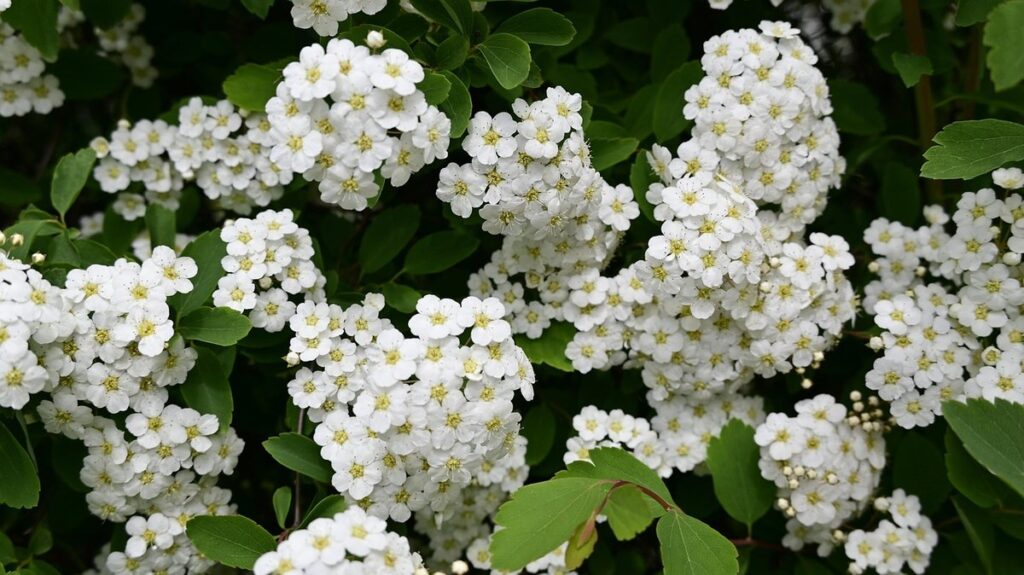
Choosing the Right Shrubs
When selecting shrubs for your garden, it’s essential to consider factors such as climate, soil type, and desired growth habits to ensure a successful addition. Let’s explore some key considerations to keep in mind.
Factors to Consider Before Selecting Shrubs
When selecting shrubs for your garden or landscape, it’s essential to consider several factors that will ensure their survival and thrive. First and foremost, think about the climate you live in. Different shrub species have varying tolerances to heat, cold, wind, and moisture levels. For instance, if you reside in an area with scorching summers, look for shrubs like Hydrangea or Spirea that can withstand high temperatures. Conversely, if your region experiences harsh winters, opt for shrubs such as Rhododendron or Azalea that are more resistant to frost.
Next, consider the soil type in your garden. Different shrubs prefer different types of soil, so it’s crucial to match their needs with your soil conditions. For example, some shrubs like Camellia and Gardenia require acidic soils, while others like Boxwood and Holly can tolerate alkaline or neutral soils.
Finally, think about the maintenance level you’re willing and able to commit to. Some shrubs are low-maintenance and perfect for busy gardeners, while others may require regular pruning, fertilizing, or training. By taking these factors into account, you’ll be able to choose shrubs that not only fit your aesthetic preferences but also thrive in their new environment.
Popular Types of Shrubs with Green and White Leaves
When it comes to shrubs with green and white leaves, there are numerous popular options that can add a touch of elegance to your garden. One such stunning option is the Hydrangea, which boasts large clusters of delicate white blooms surrounded by lush green foliage. Another beautiful variety is the Rhododendron, known for its vibrant green leaves and showy white flowers that bloom in late spring.
For those who prefer a more exotic look, the Pieris plant is an excellent choice. Its glossy green leaves provide a striking backdrop for its clusters of tiny white flowers, which hang like ornaments from the branches. If you’re looking to create a dramatic effect, consider pairing these shrubs with others that share similar color schemes and textures.
To incorporate these plants into your garden design, remember to choose varieties that suit your climate and soil type. With proper care and maintenance, shrubs like Hydrangea, Rhododendron, and Pieris can thrive in partial shade to full sun conditions and bring a pop of green and white color to your outdoor space.
Low-Maintenance Options
If you’re looking for shrubs that are easy to care for, we’ve got you covered. In this section, we’ll highlight some of the best low-maintenance options with striking green and white foliage.
Hydrangeas: A Timeless Favorite
If you’re looking for a low-maintenance shrub with green and white leaves that can thrive in various conditions, look no further than hydrangeas. These beautiful plants have been a timeless favorite among gardeners for centuries, and it’s easy to see why. With over 75 different species to choose from, hydrangeas offer a wide range of options to suit any landscape.
One of the key benefits of growing hydrangeas is their adaptability. They can tolerate full sun to partial shade, as well as a variety of soil types, making them perfect for gardeners with limited space or tricky soil conditions. Plus, they’re relatively pest- and disease-free, reducing the need for harsh chemicals.
When it comes to flowers, hydrangeas are truly the star of the show. In shades of pink, blue, and white, these stunning blooms will add a touch of elegance to any garden. To encourage blooming, make sure to provide your hydrangea with plenty of sunlight (at least 4-6 hours per day) and water it regularly during dry spells.
To get started, choose a variety that suits your climate and available space. ‘Limelight’ and ‘Vanilla Strawberry’ are popular options for their striking white blooms, while ‘Bigleaf’ hydrangeas offer gorgeous blue flowers in acidic soil conditions.
Boxwood and Topiaries: Versatile Shrubs for Any Space
Boxwood and topiaries are some of the most versatile shrubs you can have in your garden. They come in a variety of shapes and sizes, making them perfect for adding texture and visual interest to any space. One of their most notable features is their ability to be pruned into intricate shapes and forms, which makes them ideal for topiaries.
To create a stunning topiary, start by selecting a boxwood or topiary variety that suits your desired shape and size. Next, choose the right pruning tools, such as shears, loppers, or even hedge clippers for more complex designs. The key to creating a beautiful topiary is to prune regularly, ideally during the growing season, and maintain a consistent shape.
When used as hedges or screens, boxwood and topiaries can be trained to grow in different forms. You can let them grow naturally into a formal hedge or train them to grow upwards to create a lush screen. Regular pruning will help keep your boxwood or topiary looking neat and tidy, while also promoting healthy growth.
Keep in mind that some varieties of boxwood are more prone to disease than others, so be sure to choose a variety that is resistant to pests and diseases. Additionally, plant them in well-draining soil and provide regular watering to ensure they thrive.
Evergreen Shrubs with Green and White Leaves
When it comes to shrubs that add a touch of elegance to your garden, those with striking green and white leaves are always in style. Let’s explore some gorgeous options together.
Holly and Ilex: Durable and Versatile
When it comes to shrubs with green and white leaves, few options are as durable and versatile as holly (Ilex). These hardy plants have been a staple in gardens for centuries, prized for their beauty and ability to thrive in a wide range of conditions. Whether you’re looking to add some ornamental flair or create a natural barrier against pests, holly shrubs are an excellent choice.
One of the key benefits of holly is its durability. With proper care, these plants can live for decades, providing years of enjoyment and beauty. They’re also relatively low-maintenance, requiring only occasional pruning to maintain their shape and promote healthy growth. This makes them perfect for busy gardeners or those new to shrub gardening.
In addition to their ornamental value, holly shrubs have a secret talent: they can repel pests! The sharp leaves of these plants are unappealing to many insects, making them an excellent natural deterrent against aphids, whiteflies, and other unwanted critters. By incorporating holly into your garden design, you’ll not only add visual interest but also create a healthier environment for your other plants.
When selecting a holly shrub, consider the size and growth habits of the variety. Some popular options include English holly (Ilex aquifolium) and American holly (Ilex opaca), both of which are well-suited to USDA zones 5-9. With proper care and attention, these plants will provide years of beauty and benefit in your garden.
Yew and Taxus: Timeless and Low-Maintenance
If you’re looking for a low-maintenance shrub that can thrive in shade and tolerate dry conditions, then yew (Taxus) is an excellent choice. These evergreen shrubs have been around for centuries and are still popular today due to their timeless beauty and hardy nature.
One of the key benefits of growing yew shrubs is their ability to grow well in shade. While many plants struggle to survive with minimal sunlight, yews can thrive in areas that receive as little as 2-3 hours of direct sun per day. This makes them perfect for planting under trees or on north-facing walls.
Yew shrubs are also incredibly drought-tolerant and require very little maintenance. They need only occasional watering during prolonged dry spells and can even survive with neglect for short periods. When pruning is necessary, it’s best to do so in the spring, removing any dead or damaged branches to maintain shape and promote healthy growth.
With over 100 species of yew to choose from, you’re sure to find a variety that suits your garden style and climate. Whether you’re looking to add some structure and texture or simply want a low-maintenance option for your landscaping needs, yew shrubs are an excellent choice.
Shrub Care and Maintenance
To keep your new shrubs thriving, proper care and maintenance are crucial. This section will walk you through essential tips for caring for these beautiful plants.
Watering and Fertilization Tips
When it comes to caring for shrubs with green and white leaves, proper watering and fertilization are crucial. The right balance of moisture and nutrients will ensure your plants thrive, but the wrong approach can lead to stress, disease, or even death.
Start by understanding your soil type. If you have sandy soil, water more frequently as it drains quickly. Clay soil, on the other hand, may require less frequent watering due to its higher water-holding capacity. For loamy soil, a balanced approach is usually suitable.
Water your green-and-white leafed shrubs when the top 2-3 inches of soil feel dry to the touch. Avoid overwatering, which can lead to root rot and other problems. Fertilize during the growing season (spring-fall) with a balanced fertilizer (10-10-10 NPK). Consider using organic options like compost or fish emulsion for added benefits.
Keep in mind that fertilization needs may vary depending on your climate and region. For example, if you live in an area with high temperatures and humidity, you may need to adjust the frequency of fertilization. Monitor your plant’s response and adjust accordingly.
Pruning Techniques for Optimal Growth
Pruning is an essential aspect of shrub care that not only maintains their shape but also promotes healthy growth and encourages new blooms. For shrubs with stunning green and white leaves, pruning techniques are crucial to preserve their unique aesthetic appeal. By understanding the right pruning methods for different types of shrubs, you can enjoy their vibrant colors and beauty throughout the seasons.
When it comes to pruning, timing is everything. Prune your shrubs during their dormant season, typically in late winter or early spring, to minimize stress on the plant. Start by removing any dead, diseased, or damaged branches, using clean, sharp pruning tools to prevent spreading diseases. For multi-stemmed shrubs like Hydrangea or Weigela, cut back individual stems to a third of their height to maintain shape and promote new growth.
For flowering shrubs like Gardenia or Viburnum, prune immediately after blooming to encourage repeat blooms in the following season. Remove about one-third of the old flowers along with some of the surrounding foliage to stimulate new flower buds. Remember to make clean cuts just above a node, and water your shrub thoroughly after pruning to help it recover from any stress. Regular pruning will not only enhance the beauty of your green and white leafed shrubs but also ensure their overall health and well-being.
Common Pests and Diseases
You’ll also want to be aware of some common issues that can affect your beautiful shrubs, including pests and diseases that can cause damage. This is what you need to know.
Identifying Common Issues with Shrubs
When it comes to maintaining shrubs with stunning green and white leaves, it’s essential to be aware of common pests and diseases that can damage these beautiful plants. One of the most significant issues is spider mites, tiny arachnids that feed on plant sap, causing yellowing or bronzing of leaves.
Mealybugs are another common pest that can infest green-and-white leafed shrubs, leaving behind a sticky substance called honeydew and spreading disease. To control these pests, thoroughly inspect your plants for any signs of infestation, and use neem oil or insecticidal soap to treat affected areas.
Root rot is another problem that can affect shrubs with green and white leaves, often caused by overwatering or poor drainage. Inspect the roots carefully, and if you notice soft or mushy tissue, it’s likely a sign of root rot. To prevent this issue, ensure your plants are receiving the right amount of water, and make sure the pot has adequate drainage holes.
By being vigilant about these common issues, you can enjoy healthy and thriving shrubs with beautiful green and white leaves for years to come. Regularly inspect your plants, and take action promptly if you notice any signs of pests or disease.
Prevention and Treatment Strategies
Preventing pests and diseases is crucial to maintaining the health and vibrancy of your shrubs with green and white leaves. Regularly inspect your plants for signs of infestation or infection, such as yellowing leaves, black spots, or aphid colonies.
To prevent pest issues, adopt organic practices like introducing beneficial insects that prey on pests, using neem oil to repel unwanted visitors, or creating a barrier around your plants with copper tape. For instance, lacewings are known to feed on aphids and whiteflies, making them an excellent addition to your garden’s ecosystem.
When fungicides become necessary, choose products labeled for use on ornamentals or shrubs. Apply these according to the product instructions, typically at first signs of fungal infection. Be cautious when using chemical controls, as they can harm beneficial microorganisms and contaminate soil.
Additionally, ensure good air circulation by pruning nearby plants or thinning foliage to reduce moisture buildup around your shrub’s base. Water carefully, avoiding overwatering which creates ideal conditions for root rot and other pathogens to take hold.
Conclusion and Final Thoughts
As you’ve explored this comprehensive guide on the best shrubs with green and white leaves, we hope you now have a clearer picture of the possibilities for your garden or landscape. Choosing the right shrub can be overwhelming, but by considering factors like mature size, growth rate, and maintenance needs, you’re already ahead of the game. Remember to also think about the overall aesthetic you want to achieve – do you prefer a formal, manicured look or something more natural and relaxed? Take note of the hardiness zone in your area and select shrubs that can thrive in those conditions.
Ultimately, selecting a beautiful shrub is all about finding one that fits your unique needs and preferences.
Frequently Asked Questions
Can I plant shrubs with green and white leaves in containers?
Yes, many types of shrubs can thrive in containers as long as you provide them with well-draining soil and sufficient sunlight. When planting in containers, be sure to choose a pot that is at least 1-2 times the size of the root ball and has drainage holes to prevent waterlogged soil.
How often should I prune my green and white leafed shrubs for optimal growth?
Pruning frequency depends on the specific type of shrub and its growth habits. Generally, it’s recommended to prune shrubs with green and white leaves in late winter or early spring before new growth begins. This will help maintain shape, promote healthy growth, and encourage blooming.
Can I grow shrubs with green and white leaves indoors?
While some shrubs can tolerate indoor conditions, others may not thrive due to limited light, air circulation, and temperature fluctuations. If you’re looking to grow shrubs indoors, choose compact or dwarf varieties that are specifically bred for container gardens or indoor spaces. Provide them with bright, indirect light and maintain a consistent temperature between 65-75°F (18-24°C).
How do I prevent pests and diseases in my green and white leafed shrubs?
To prevent common pests like aphids, whiteflies, and spider mites, keep your shrubs well-watered but not waterlogged. Regularly inspect your plants for signs of infestation or disease, and treat promptly if issues arise. Use organic or integrated pest management (IPM) methods whenever possible to minimize harm to beneficial insects.
Can I propagate my green and white leafed shrubs through cuttings?
Yes, many types of shrubs can be propagated through stem cuttings, layering, or division. However, not all shrubs are suitable for cutting propagation. Research the specific needs of your shrub variety before attempting propagation. Make clean cuts just above a node (where a leaf meets the stem), and use rooting hormone to increase success rates.