
Are you tired of feeling like your shade garden is missing something? Do you want to add some lush greenery and vibrant blooms to your outdoor space without breaking a sweat? Choosing the right shrubs for shade can be overwhelming, especially when there are so many options available. But don’t worry, we’ve got you covered! In this article, we’ll dive into the top-performing shade shrubs that thrive in various climate zones, including hydrangea and rhododendron. We’ll also share expert tips on how to select the best plants for your specific region and create a stunning, low-maintenance shade garden that’s perfect for any season. Whether you’re a seasoned gardener or just starting out, keep reading to discover the secret to transforming your outdoor space into a beautiful oasis.
Choosing the Right Shade-Tolerant Shrubs
When selecting shade-tolerant shrubs, it’s essential to consider the level of sunlight your garden receives and choose plants that thrive in similar conditions. This section will guide you through the process of making an informed decision.
Characteristics of Ideal Shade Shrubs
When selecting shade-tolerant shrubs, it’s essential to consider their ability to thrive in low-light conditions. Look for shrubs that can adapt to varying light levels and maintain their shape without becoming leggy. Some ideal options include Hydrangea, Rhododendron, and Azalea, which can tolerate partial shade.
Another crucial factor is the shrub’s adaptability to different soil types. Shade-tolerant shrubs should be able to grow well in a range of soils, from acidic to alkaline. Consider shrubs like Boxwood, Holly, and Gardenia, which can thrive in various soil conditions.
In addition to light and soil tolerance, it’s also important to consider the shrub’s resistance to pests and diseases. Choose shrubs with natural defense mechanisms or those that have been bred for disease-resistance. For example, the Japanese Pieris has glossy leaves that repel pests, while the Sasanqua Camellia is more resistant to root rot.
When selecting shade-tolerant shrubs, consider these key characteristics: low light tolerance, adaptability to various soil types, and resistance to pests and diseases. By choosing shrubs with these traits, you can ensure they will thrive in your shaded areas and require minimal maintenance.
Considerations for Different Climate Zones
When selecting shade-tolerant shrubs, it’s essential to consider the climate zone you’re in. Different regions have unique temperature, humidity, and sunlight patterns that can impact a plant’s performance.
In hot and humid climates like those found in the southeastern United States, shrubs need to be able to handle high temperatures and excessive moisture. Good options for these areas include gardenias, azaleas, and hibiscus. These plants are not only shade-tolerant but also resistant to heat stress.
In cooler and drier climates like those in the Pacific Northwest or California, shrubs should be chosen for their ability to conserve water and thrive in low-light conditions. Boxwood, rhododendron, and hydrangea are excellent choices for these regions.
It’s also important to consider the sunlight patterns in your area. In areas with mild winters and cool summers, like those found in the UK or northern Europe, shrubs should be selected for their ability to handle partial shade. Camellias, pieris, and wintergreen are good options for these climates.
Ultimately, it’s crucial to choose a shade-tolerant shrub that is well-suited to your specific climate zone. This will ensure that the plant thrives in its environment and provides the beauty and benefits you’re looking for.
Top Performing Shade Shrubs
When it comes to adding some greenery to a shaded area, you’ll want to focus on shrubs that can thrive in low-light conditions. In this section, we highlight our top picks for shade-tolerant shrubs.
1. Hydrangea (Bigleaf and Panicle)
Hydrangeas are a popular choice for shade gardens due to their stunning blooms and versatility. Bigleaf hydrangeas (Hydrangea macrophylla) produce large, rounded clusters of flowers that range from pink to blue depending on the soil pH. Panicle hydrangeas (Hydrangea paniculata), on the other hand, have longer stems with smaller flowers that turn white as they mature.
When grown in shade, hydrangeas tend to be more compact and may not reach their full potential size. Bigleaf hydrangeas typically grow 3-6 feet tall and wide, while panicle hydrangeas can reach 6-12 feet tall and 4-8 feet wide. To encourage blooming, provide at least 4 hours of direct sunlight per day or supplement with artificial light.
Choose a location with well-draining soil to prevent root rot. Hydrangeas prefer slightly acidic to neutral soil pH (5.5-7.0). Mulch around the base to retain moisture and suppress weeds. Prune in late winter or early spring to maintain shape and promote new growth. With proper care, hydrangeas can thrive in shade gardens, providing beautiful blooms from mid-spring to fall.
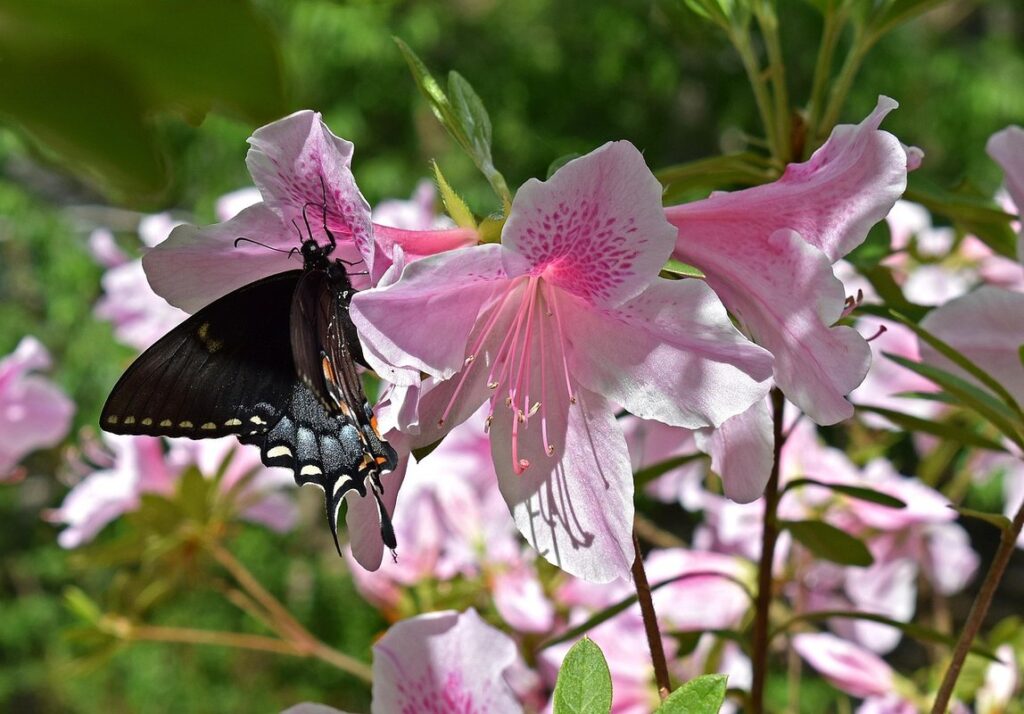
2. Rhododendron and Azalea
Rhododendrons and azaleas are two popular shrubs that thrive in shaded environments. These plants have unique growth requirements, which we’ll explore below.
When it comes to growing rhododendrons and azaleas in shade, it’s essential to provide the right amount of sunlight. While they can tolerate partial shade, direct sunlight for more than 4-6 hours a day can scorch their leaves. East- or north-facing locations are ideal for these shrubs.
In terms of flowering habits, rhododendrons and azaleas produce stunning blooms in shades of pink, purple, and white. These flowers typically appear in late spring and early summer, but some varieties may bloom in the fall. To encourage healthy growth and profuse blooming, fertilize your plants annually with an acidic fertilizer.
Rhododendrons and azaleas prefer slightly acidic soils with a pH between 5.5 and 6.5. If you’re unsure about your soil’s acidity level, perform a soil test before planting. Keep in mind that these shrubs are susceptible to root rot if the soil is too wet or waterlogged.
Some common pests that affect rhododendrons and azaleas include deer, rabbits, and spider mites. To minimize pest issues, use physical barriers, repellents, or organic pesticides as needed. Regular pruning also helps promote healthy growth and prevents pest infestations.
Evergreen Shade Shrubs
If you’re looking for low-maintenance shrubs that thrive in shade, this section highlights some of the top picks that are perfect for adding year-round interest to your garden. From compact varieties to tall and stately options, we’ve got you covered!
1. Holly (Ilex spp.)
Holly is an excellent choice for shade gardens, offering year-round interest and a unique set of benefits. Its glossy, dark green leaves remain vibrant even in the dead of winter, providing a pop of color when other plants are dormant. But that’s not all – holly shrubs can be easily pruned to form dense hedges or screens, making them an ideal choice for defining boundaries or adding structure to your garden.
One of the most notable features of holly is its edible berries, which attract birds and add a burst of flavor to salads and other recipes. However, it’s essential to note that not all holly species are suitable for eating – look for varieties like ‘Nellie R. Stevens’ or ‘Blue Prince’, which produce non-toxic berries.
To keep your holly shrub healthy and thriving, be sure to prune it regularly to maintain its shape and promote new growth. Remove any dead or damaged branches in the spring, and thin out the center of the plant to allow air and light to penetrate. With proper care and attention, a holly shrub can provide years of beauty and functionality in your shade garden.
2. Boxwood (Buxus sempervirens)
Boxwood (Buxus sempervirens) is a versatile evergreen shrub that thrives in shaded areas. Its dense foliage and compact growth habit make it an ideal choice for topiaries, hedges, and borders. In fact, boxwood has been used for centuries as a decorative element in gardens and landscapes.
When growing boxwood in shade, it’s essential to provide regular pruning to maintain its shape and promote healthy growth. Prune your boxwood shrub in the spring or fall, removing any dead or damaged branches to encourage new growth. You can also use boxwood as a foundation plant, where it provides a lush backdrop for perennials and annuals.
To keep your boxwood healthy and pest-free, be aware of potential issues like boxwood blight and scale insects. Regularly inspect your shrub for signs of disease or pests, and treat any problems promptly to prevent damage. With proper care and maintenance, boxwood can thrive in shaded areas, providing year-round interest and beauty to your garden.
In terms of growth habits, boxwood typically grows 3-6 feet tall and wide, making it a great choice for hedges and borders.
Deciduous Shade Shrubs
When it comes to adding some much-needed shade to your yard, deciduous shrubs are a fantastic option, offering beauty and functionality without being too high-maintenance. Here’s what you need to know about them.
1. Viburnum (Viburnum spp.)
Viburnums are versatile and low-maintenance options for shaded areas, with over 150 species to choose from. They thrive in a range of soil types, from acidic to alkaline, making them adaptable to various environments. In terms of flowering periods, viburnums typically bloom in late spring or early summer, producing white, pink, or purple flowers that attract pollinators and add visual interest to the landscape.
For optimal growth, ensure your viburnum receives partial shade to full shade conditions, with some species tolerating more sun than others. Be mindful of soil moisture levels, as viburnums prefer well-drained soil that’s neither too dry nor waterlogged. Regular watering and fertilization can help maintain healthy foliage and prevent pest issues.
Keep an eye out for potential pests like aphids, spider mites, and scale insects, which can be managed with organic or chemical controls. Prune your viburnum annually to promote bushy growth, remove dead branches, and encourage new flowering stems. With proper care and attention, viburnums can provide structure, texture, and beauty to shaded areas for years to come.
2. Weigela (Weigela florida)
Weigela (Weigela florida) is often overlooked as a shade option, but it’s an excellent choice for adding color and texture to those hard-to-reach areas. This deciduous shrub typically blooms in late spring with trumpet-shaped flowers that are usually pink or red, although some varieties can have white or bi-colored blooms. While weigela prefers full sun, it can thrive in partial shade conditions as long as it receives at least four hours of direct sunlight.
When growing weigela in a shade garden, keep in mind its growth pattern. This shrub can grow quite large, up to 10 feet tall and wide, so regular pruning is necessary to maintain a compact shape. Prune after blooming to encourage new growth and promote healthy foliage. Also, fertilize annually with a balanced, slow-release fertilizer to ensure optimal performance.
Some popular weigela varieties for shade include ‘Red Prince’, which boasts vibrant red blooms, and ‘Alden Bay’, featuring pink flowers with yellow throats. These shrubs are relatively low-maintenance and can tolerate a range of soil conditions, making them perfect for adding some much-needed color to your shaded areas.
Low-Maintenance Shade Shrubs
For those who want beautiful shade without a lot of fuss, we’ve curated a list of low-maintenance shrubs that thrive in partial to full shade. These shrubs are perfect for busy gardeners.
1. Burning Bush (Euonymus alatus)
The Burning Bush (Euonymus alatus) is an excellent choice for those seeking low-maintenance shade shrubs. This versatile plant boasts impressive tolerance for drought and poor soil conditions, making it an ideal option for areas with challenging growing environments.
One of the primary benefits of the Burning Bush is its ability to thrive in a range of conditions. It can tolerate extreme temperatures, from scorching heatwaves to harsh winters, without showing significant stress. Additionally, its roots are capable of extracting moisture and nutrients from poor soil, reducing the need for frequent watering and fertilization.
Pruning and care for the Burning Bush are relatively straightforward. To maintain shape and promote healthy growth, prune the plant in late winter or early spring, removing any dead or damaged branches. Water regularly during its first year after planting, but reduce frequency once established. With minimal maintenance, this shrub will provide vibrant red foliage during autumn months and a stunning display of greenery throughout the growing season.
2. Wintergreen (Gaultheria procumbens)
Wintergreen (Gaultheria procumbens) is an excellent choice for shaded areas, forming a dense groundcover that can thrive in environments with as little as 1-2 hours of direct sunlight. Its adaptability to low-light conditions makes it an ideal option for areas where other shrubs may struggle.
To care for wintergreen, water it regularly during its first growing season to establish a strong root system. Once established, it’s relatively drought-tolerant and requires minimal watering. Fertilize with an acidic fertilizer in the spring to promote healthy growth, but avoid over-fertilizing as this can lead to reduced flowering.
Keep an eye out for potential pest issues like deer damage, aphids, and scale insects. Regularly inspect your wintergreen plants for signs of infestation, and treat promptly if necessary. By providing the right conditions and regular maintenance, wintergreen can thrive in shaded areas, adding a touch of greenery to even the most difficult-to-reach spaces.
It’s also worth noting that wintergreen is a great option for woodland gardens or under trees, where its spreading habit can help suppress weeds and create a uniform appearance. With proper care, wintergreen can provide years of low-maintenance beauty in shaded environments.
Incorporating Shade Shrubs into Your Garden Design
When incorporating shade shrubs into your garden design, it’s essential to consider their mature size, growth habits, and the amount of sunlight they’ll receive in different seasons. This will ensure a balanced look that thrives year-round.
Planning and Layout Considerations
When incorporating shade shrubs into your garden design, planning and layout are crucial considerations to ensure their optimal growth and performance. As you select the perfect shade shrub for your space, think about where it will thrive, taking into account sunlight patterns and soil conditions.
Before planting, observe your yard’s sunlight patterns over the course of a year to determine which areas receive direct or dappled shade. This will help you choose locations that suit your selected shrub’s light requirements. For example, if your chosen shrub prefers partial shade, avoid placing it directly under tall trees or in an area with no sun at all.
In addition to sunlight, consider the soil conditions of each location. Shade shrubs have varying root depths and soil preferences, so ensure you plant them in areas with suitable drainage and nutrient levels. You may need to amend your soil before planting or choose a shrub that can tolerate poor conditions. By carefully considering these factors, you’ll be able to place your shade shrubs where they’ll truly shine.
Maintenance Tips for Established Shade Gardens
To keep your established shade garden thriving, regular maintenance is crucial. Start by pruning your shrubs to maintain their shape and promote healthy growth. For most shade shrubs, a moderate prune in late winter or early spring is sufficient. However, some varieties like rhododendrons and azaleas require more frequent pruning.
Fertilization is another essential aspect of maintaining your shade garden. Choose a balanced fertilizer with a slightly acidic pH to match the needs of your plants. Apply it according to the manufacturer’s instructions, usually in early spring and again after blooming. Regular watering is also vital, but be cautious not to overwater, which can lead to root rot and other problems.
Pest management strategies are necessary for many shade gardens, especially those with evergreen shrubs like boxwood or holly. Use organic methods whenever possible, such as neem oil or insecticidal soap. When dividing or transplanting your shade shrubs, do so during their dormant season to minimize stress. Water thoroughly before and after the process, and provide plenty of support for young plants until they establish a strong root system.
Frequently Asked Questions
Can I grow shade-tolerant shrubs indoors, or do they require outdoor conditions?
While some shade-tolerant shrubs like hydrangea can thrive in containers, most varieties still need direct sunlight for a few hours a day. Consider using a sunny windowsill or a south-facing patio to provide the necessary light.
How often should I water my shade garden with shrubs?
The watering needs of your shade garden depend on climate and soil type. As a general rule, water your plants when the top 2-3 inches of soil feel dry to the touch. Water thoroughly, then let the soil drain completely to prevent root rot.
Can I use native shrubs in my shade garden if they’re not specifically listed as shade-tolerant?
Yes, many native shrubs are naturally adapted to low-light conditions and can thrive in shaded areas. Research local options that match your climate zone and plant them accordingly for a more eco-friendly and resilient landscape.
What’s the best way to prune my shade shrubs to maintain their shape?
Pruning depends on the specific shrub type, but as a general rule, remove about one-third of new growth each year to encourage bushy growth. Use clean, sharp tools and cut just above a bud or leaf node for optimal recovery.
Will shade shrubs attract pests or create maintenance headaches in my garden?
While some shade shrubs may attract pests like aphids or slugs, many others are resistant or repel them naturally. Consider pairing plants with built-in pest control, like boxwood’s natural resistance to deer and rabbits. Regular maintenance can also help prevent issues, so monitor your plants regularly and address problems promptly.