
When it comes to creating a beautiful and inviting exterior space, the right shrubs can make all the difference. Whether you’re looking to add some year-round interest or seasonal color to your front yard, choosing the right shrubs is crucial. With so many options available, it’s easy to get overwhelmed – but don’t worry, we’ve got you covered! In this article, we’ll explore the top shrub species for front yard landscaping, including both evergreen and deciduous options that provide texture and visual appeal. We’ll also delve into how to choose the right shrubs based on your specific climate, soil type, home style, and maintenance needs – so you can create a stunning and low-maintenance outdoor space that reflects your personal taste and complements your home perfectly.
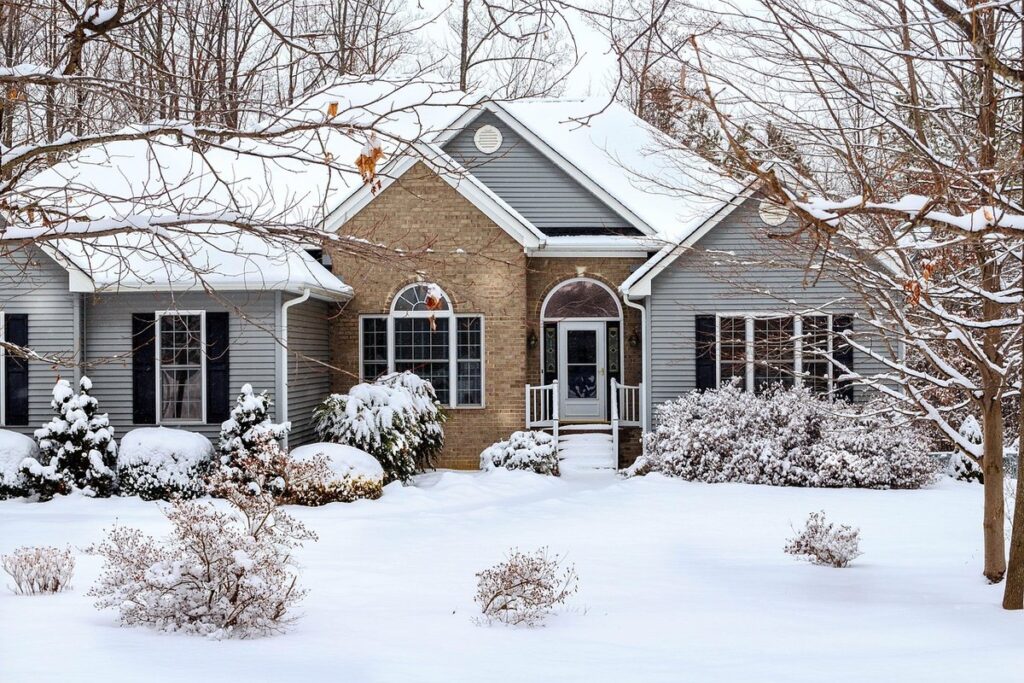
Choosing the Right Shrubs for Your Home’s Curb Appeal
When selecting shrubs for your front yard, it’s essential to consider factors such as climate, soil type, and maintenance needs to ensure you choose varieties that thrive in your specific conditions.
Understanding Your Climate and Soil Type
To choose the best shrubs for your home’s curb appeal, you need to understand the specific conditions of your local climate and soil type. First, determine your local climate by considering factors like temperature, humidity, and sunlight exposure. If you live in a hot and dry region, select drought-tolerant shrubs that require minimal watering. On the other hand, if you reside in a cool and humid area, opt for shrubs that thrive in moist conditions.
Next, assess your soil type by checking its pH levels and texture. Most plants prefer well-draining acidic or neutral soils with a pH between 6.0 and 7.0. If your soil is alkaline or heavy clay, choose shrubs that are tolerant of these conditions. For instance, azaleas and rhododendrons love acidic soils, while boxwood and holly can tolerate a range of pH levels.
Consider the sunlight exposure in your area as well. If your front yard receives full sun, select shrubs that can handle intense light, such as lilac or rosemary. For shaded areas, choose shade-tolerant shrubs like hydrangea or astilbe. By understanding these climate and soil factors, you’ll be able to select the best shrubs for your home’s curb appeal.
Considering Your Home’s Style and Architecture
When choosing shrubs to enhance the curb appeal of your home, it’s essential to consider the style and architecture of your property. A well-placed shrub can either complement or clash with your home’s design, making a significant impact on its overall aesthetic. If you have a modern home with clean lines and minimal ornamentation, opt for sleek and low-maintenance shrubs like boxwood or topiary, which will add a touch of sophistication without overwhelming the space.
For traditional homes with ornate details and classic charm, flowering shrubs like hydrangea or lilac are an excellent choice. These varieties not only add color and texture but also provide a sense of history and character to your property’s facade. In contrast, Mediterranean-style homes benefit from drought-tolerant shrubs like rosemary or olive tree, which evoke the warm, sun-kissed climate of their namesake region.
Ultimately, selecting shrubs that harmonize with your home’s design will create a seamless transition between indoors and outdoors, making your property more inviting and beautiful. Take into account your home’s architectural style, climate, and maintenance needs when choosing the perfect shrub for your front yard.
Popular Evergreen Shrubs for Year-Round Interest
When it comes to adding year-round interest to your front yard, evergreen shrubs are a fantastic option that can thrive in various climates and soil types. Look to these popular varieties for a beautiful, low-maintenance solution.
Top 5 Evergreen Options for Front Yard Landscaping
When it comes to creating a stunning front yard landscape that provides year-round interest, evergreen shrubs are an excellent choice. Here are five top-notch options to consider:
Boxwood (Buxus sempervirens) is a low-maintenance favorite among gardeners. Its compact growth habit makes it perfect for hedges or topiaries, and its small leaves require minimal pruning. With proper care, Boxwood can thrive in containers or directly in the ground, adding structure and definition to your front yard.
English Ivy (Hedera helix) is another versatile option that’s easy on the maintenance requirements. It’s an excellent choice for hedges, walls, or even indoor spaces. English Ivy requires minimal watering and fertilization but does benefit from regular pruning to maintain its desired shape.
Yew (Taxus baccata) is a classic evergreen shrub with a conical growth habit, making it ideal for hedges or specimen plantings. It prefers well-draining soil and partial shade, but once established, it’s relatively low-maintenance. Yew also attracts birds and other wildlife to your front yard.
Holly (Ilex aquifolium) is a striking option with glossy leaves and vibrant berries that add color and interest year-round. Its slow growth rate means less frequent pruning, making it perfect for gardeners who want a hassle-free experience. Holly also serves as a natural deterrent against pests and diseases.
Oregon Grape (Mahonia aquifolium) boasts yellow flowers in spring and purple berries in fall, providing visual interest throughout the seasons. It prefers well-draining soil and partial shade but can tolerate full sun with adequate watering. Its compact growth habit makes it suitable for smaller front yards or as a specimen plant.
Dwarf Varieties for Small Spaces and Containers
When space is limited but you still want to add some evergreen charm to your front yard, dwarf varieties are an excellent choice. These compact shrubs are specifically bred to be smaller in size, making them perfect for small spaces, containers, or tight corners.
Some popular options include the ‘Compacta’ variety of Boxwood (Buxus sempervirens), which grows up to 2-3 feet tall and wide, and the Dwarf Korean Lilac (Syringa ‘Palibin’), which reaches a mature height of around 6-8 feet but can be pruned to maintain a smaller shape. For containers, consider the Prostrate Rosemary (Rosmarinus officinalis) or the Dwarf Gardenia (Gardenia jasminoides), both of which are compact and require minimal maintenance.
When choosing a dwarf variety for your front yard, keep in mind that they may still need regular pruning to maintain their shape. However, with proper care, these shrubs can add year-round interest to even the smallest spaces.
Deciduous Shrubs for Seasonal Color and Texture
Deciduous shrubs offer a unique advantage when it comes to adding seasonal color and texture to your front yard, and we’ll show you some of the best options. From vibrant reds in autumn to delicate blooms in spring, these shrubs are a must-consider.
Choosing Deciduous Shrubs Based on Your Climate Zone
When selecting deciduous shrub species for your front yard, it’s essential to consider your local climate zone. Different zones have unique temperature and frost patterns that can affect the health and appearance of your shrubs. To choose the right deciduous shrubs for your area, you’ll need to know your USDA Hardiness Zone.
Start by checking your zone on a map or by entering your zip code into an online tool. This will give you a general idea of the temperature range in your area. For example, if you’re in Zone 5, you’ll want to choose shrubs that are hardy down to at least -20°F (-29°C).
Look for shrub species with a low chill hour requirement, which means they can thrive in warmer climates without needing prolonged periods of cold weather. Some good options for warm zones include Crape Myrtle (Lagerstroemia indica) and Gardenia (Gardenia jasminoides). In contrast, cooler zones benefit from shrubs like Witch Hazel (Hamamelis x intermedia) and Redbud (Cercis canadensis), which tolerate frost well.
When choosing deciduous shrubs for your front yard, be sure to check the specific growing requirements for each species. This will help you ensure that they’ll thrive in your local climate zone and provide beautiful seasonal color and texture year after year.
Top 3 Deciduous Shrubs for Fall Color and Interest
When it comes to adding fall color and interest to your front yard, deciduous shrubs are an excellent choice. Not only do they provide a pop of color during the autumn season, but they also offer year-round texture and structure to your landscape. Here are three top-performing deciduous shrub species that excel in this department.
First up is the Burning Bush (Euonymus alatus), which boasts vibrant red foliage in the fall. This shrub is relatively low-maintenance, requiring only occasional pruning to maintain its shape. Its compact growth habit makes it an excellent choice for smaller spaces or hedges. For added interest, consider planting a Burning Bush near a walkway or entry point, where its bright colors can be fully appreciated.
Another standout deciduous shrub is the Red Osier Dogwood (Cornus sericea). This shrub’s white or pink flowers in spring are followed by red berries in summer, which attract birds and add visual interest. Its striking fall color is a deep crimson, making it an excellent choice for adding warmth to your landscape.
Lastly, consider planting a Japanese Maple (Acer palmatum) for its stunning fall color display. This shrub’s small size makes it ideal for corners or containers, and its delicate leaves offer year-round texture. With regular pruning to maintain its shape, the Japanese Maple is a low-maintenance choice that will add beauty to your front yard for years to come.
When selecting deciduous shrubs for fall color, remember to consider factors like sunlight exposure, soil type, and mature size to ensure they thrive in their new home. By incorporating one or more of these top performers into your landscape design, you’ll be sure to enjoy a stunning display of autumn color every year.
Low-Maintenance Shrubs for Busy Homeowners
For busy homeowners, adding some curb appeal without a lot of upkeep can be a challenge. That’s why we’ve rounded up our top picks for low-maintenance shrubs that thrive in front yards.
Drought-Tolerant Options for Water-Conscious Gardeners
As a busy homeowner, you’re probably looking for shrubs that not only add beauty to your front yard but also require minimal upkeep. If you’re concerned about water conservation and want to reduce your environmental footprint, consider drought-tolerant options.
When selecting drought-tolerant shrubs, look for species native to your region or plants with deep root systems that can absorb moisture from the soil more efficiently. Some excellent choices include:
* Cistus, a Mediterranean native with silvery-gray leaves and vibrant flowers
* Yucca, a versatile plant with sword-shaped leaves and tall stalks of white blooms
* Lavender, a fragrant favorite that’s perfect for hot, dry climates
These shrubs require minimal watering and can thrive in conditions where other plants would struggle. To further reduce water consumption, make sure to:
* Water your drought-tolerant shrubs during the cooler parts of the day to minimize evaporation
* Mulch around the base to retain moisture and suppress weeds
* Monitor soil moisture by sticking your finger into the soil up to the first knuckle – if it feels dry, it’s time for a drink
Shrubs with Natural Pest- and Disease-Resistance
When it comes to choosing shrubs for your front yard, one of the key considerations is finding species that require minimal upkeep. Not only do these plants save you time and effort, but they also promote a healthier garden by reducing the need for pesticides and other chemicals. Certain shrub species boast natural pest- and disease-resistance, making them an excellent choice for busy homeowners.
Some examples of shrubs with inherent resistance include boxwood (Buxus sempervirens), which is resistant to spider mites and root-knot nematodes; rosemary (Rosmarinus officinalis), which repels pests like whiteflies and aphids; and lavender (Lavandula spp.), known for its natural ability to deter moths, flies, and beetles. These plants not only require less maintenance but also contribute to a balanced ecosystem by attracting beneficial insects.
When selecting shrubs with natural pest- and disease-resistance, look for species that are native to your region or have been bred specifically for their resistance traits. By incorporating these plants into your front yard landscape, you’ll be creating a low-maintenance and environmentally friendly space that requires fewer chemicals and more TLC from Mother Nature.
Shrubs as a Barrier or Screen for Privacy
If you’re looking to add some visual interest and create separation between your property and neighbors, shrubs can be a fantastic solution. They can also help block out unwanted views and maintain your home’s privacy.
Using Shrubs to Block Unwanted Views and Noise
When it comes to creating a private and serene front yard, using shrubs to block unwanted views and noise is a clever strategy. Shrubs can be an effective barrier against nosy neighbors, busy roads, or neighboring properties that encroach on your personal space.
To effectively use shrubs as a view blocker, consider the mature size of the plant and its growth habits. For example, if you’re trying to block a neighbor’s house, choose a tall, upright shrub like the Thuja Green Giant (Thuja occidentalis ‘Green Giant’) that can grow up to 15 feet in just a few years.
In terms of placement, position your shrubs strategically to direct unwanted views away from windows or doors. You can also use layered planting to create depth and minimize visibility. For noise reduction, select shrubs with dense foliage like boxwood (Buxus sempervirens) or holly (Ilex spp.) that can act as a natural sound barrier.
Remember to research the specific growing conditions for your chosen shrub to ensure it thrives in your climate and soil type.
Creating a Natural Hedge with Shrubs
Creating a natural hedge with shrubs is an effective way to achieve privacy for your front yard. To start, choose a mix of shrub species that have different growth habits and bloom times, ensuring year-round interest and visual appeal.
When it comes to spacing, consider the mature size of each shrub and allow enough space between them for proper air circulation and easy maintenance. A general rule of thumb is to plant shrubs 12-18 inches apart, but this may vary depending on the specific variety. For example, if you’re using compact or dwarf varieties, you can get away with planting them as close as 6-8 inches apart.
Pruning is also crucial in creating a natural hedge. Regular pruning helps maintain shape and encourages new growth, while also promoting a fuller appearance. Train your shrubs to grow into a dense hedge by cutting back tall stems in late winter or early spring, and removing any dead or damaged branches throughout the growing season. By following these simple steps, you can create a beautiful and effective natural hedge using shrubs that will provide years of privacy and charm for your front yard.
Shrubs as a Habitat for Wildlife and Pollinators
When it comes to choosing shrubs for your front yard, consider not just their aesthetic appeal but also their ability to support local wildlife and pollinators. Many shrubs can serve as a vital habitat for these creatures, making them an excellent choice for eco-friendly gardeners.
Choosing Shrubs That Support Local Biodiversity
When choosing shrubs for the front of your house, it’s essential to consider their impact on local biodiversity. A well-planned selection can provide habitat and support for a variety of wildlife, including birds, bees, and butterflies.
To select shrub species that support local biodiversity, research native plants in your area. These plants have evolved alongside local wildlife and are more likely to attract the desired pollinators and birds. For example, if you live in an area with hummingbirds, consider planting shrubs like fuchsia or coral bells that produce nectar-rich flowers.
Consider a mix of shrub species that provide food, shelter, and breeding grounds for different types of wildlife. For instance, plant coneflowers to attract pollinators, while also incorporating native berry-producing shrubs like holly or American beautyberry to support birds and other small mammals.
When selecting specific varieties, look for plants with dense foliage, multiple flowers per stem, or interesting seed heads that can provide food and shelter. Don’t forget to incorporate some taller shrubs to create a layered effect in your landscape and provide habitat for larger animals like birds and bats. By choosing the right shrub species, you can create a thriving ecosystem at the front of your house that benefits both local wildlife and the environment.
Top 5 Shrubs for Attracting Butterflies and Hummingbirds
When it comes to creating a butterfly and hummingbird-friendly landscape, incorporating the right shrubs can make all the difference. Not only do they provide a haven for these beautiful creatures, but they also add beauty and character to your front yard.
If you’re looking to attract butterflies and hummingbirds to your home, consider planting the following top-performing shrub species:
* Butterfly Bush (Buddleja): This drought-tolerant shrub produces long, conical flowers that are a favorite of monarch butterflies. Plant it in full sun for optimal performance.
* Lantana: With its clusters of small, fragrant flowers, lantana is a butterfly magnet. It’s also heat-tolerant and requires minimal maintenance.
* Fuchsia: Hummingbirds adore the tubular flowers of fuchsia shrubs, which come in a range of colors including pink, red, and purple. Plant it in partial shade to keep it looking its best.
* Red Salvia (Salvia coccinea): This tall, upright shrub produces spikes of bright red flowers that are irresistible to hummingbirds. It’s also deer-resistant, making it a great choice for those with wildlife concerns.
* Weigela: With its funnel-shaped flowers in shades of pink and white, weigela is a popular choice for attracting hummingbirds and butterflies alike. Plant it in well-draining soil for optimal growth.
Remember to choose shrubs that are suitable for your climate and soil type to ensure they thrive and provide the best results for attracting wildlife. By incorporating these shrub species into your front yard landscape, you’ll be well on your way to creating a haven for butterflies and hummingbirds.
Frequently Asked Questions
How Do I Know Which Shrubs Are Drought-Tolerant for My Specific Region?
Determine your local climate zone and research shrub varieties that are naturally adapted to it. Look for species with low watering requirements, such as succulents or drought-tolerant conifers like Juniperus or Thuja. You can also consult with a local nursery or gardening expert for specific recommendations.
Can I Mix Evergreen and Deciduous Shrubs in the Same Landscape Design?
Yes! Mixing evergreen and deciduous shrubs is a great way to create visual interest throughout the year. Evergreens like holly, boxwood, or topiary provide structure and texture, while deciduous shrubs add seasonal color and drama. Balance their placement to ensure year-round appeal.
How Can I Use Shrubs as a Barrier for Noise Reduction?
Choose dense, evergreen shrubs like Arborvitae, Holly, or Boxwood that can be planted as a hedge or border. Plant them closely together (about 2-3 feet apart) and maintain regular pruning to ensure optimal density and sound-absorbing properties.
What Are Some Good Shrubs for Small Spaces and Containers?
Opt for compact or dwarf varieties like Dwarf Japanese Garden Juniper, Boxwood, or Holly. These shrubs are naturally smaller in size and can thrive in containers with proper care and pruning. Choose species that fit your specific climate and soil type to ensure success.
Can I Use Shrubs as a Habitat for Local Wildlife?
Yes! Many shrub species attract pollinators, birds, or butterflies. Select plants native to your region, like Lavender, Rosemary, or Butterfly Bush, which provide nectar-rich flowers that support local biodiversity. Plant them in a wildlife-friendly area with minimal pruning and maintenance to create an inviting habitat for nature’s visitors.