
If you’re looking to create a private oasis in your backyard, you know how essential a good privacy hedge can be. But with so many plant options available, it can be overwhelming to choose the right ones for your needs. In this article, we’ll take a closer look at the best plants for a private hedge that are both beautiful and low-maintenance. Whether you’re looking for flowering shrubs or dense foliage, we’ve got expert advice on pruning techniques to ensure your outdoor space stays secure and visually appealing. We’ll cover popular options like boxwood, Privet, and evergreen trees, as well as some unexpected choices for a unique look. By the end of this article, you’ll be equipped with the knowledge to create a stunning and private outdoor space that’s perfect for relaxing or entertaining.
Choosing the Right Plants
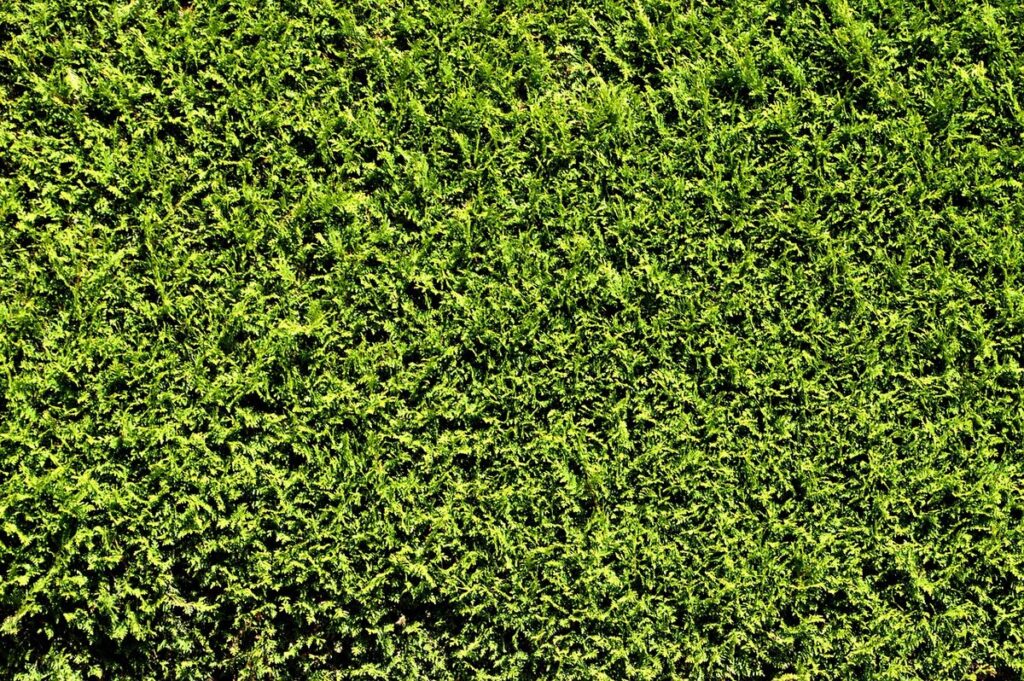
When it comes to choosing plants for a privacy hedge, you’ll want to consider factors like growth rate, mature size, and maintenance requirements to ensure your selection thrives.
Climate and Soil Considerations
When choosing plants for a privacy hedge, it’s essential to consider the climate and soil conditions of your area. Plant hardiness zones play a significant role in determining which plants will thrive in your specific region. In the US, there are 11 plant hardiness zones, ranging from Zone 3 (coldest) to Zone 11 (warmest). Check the USDA Plant Hardiness Zone Map to determine your zone and select plants that are suitable for it.
Sun requirements are another crucial factor to consider. Some plants prefer full sun, while others require partial shade or full shade. Make sure to choose plants that receive the right amount of sunlight for optimal growth. For example, evergreen shrubs like Arborvitae and Holly perform well in full sun to partial shade conditions, making them ideal for a sunny location.
In terms of moisture needs, some plants prefer dry soil, while others require consistently moist soil. Check the specific watering requirements for your chosen plant species to ensure you’re providing the right amount of water.
Plant Size and Growth Rate
When selecting plants for your privacy hedge, it’s essential to consider their mature size, growth rate, and pruning needs. This will ensure that your hedge remains well-maintained and continues to provide the desired level of seclusion.
Mature plant size is a crucial factor to consider when choosing plants for your hedge. A general rule of thumb is to choose plants with a mature height that is 2-3 times their current height. For example, if you’re considering planting a row of shrubs that are currently 3 feet tall, opt for varieties that will reach 6-9 feet in maturity. This will give you a clear indication of the plant’s ultimate size and prevent overgrowth.
In addition to mature size, growth rate is another key consideration. Some plants grow rapidly, while others develop more slowly. Fast-growing plants like bamboo or privet may require regular pruning to maintain their shape and keep them from becoming too unruly. On the other hand, slower-growing plants like boxwood or holly may need less frequent pruning but still require regular maintenance.
Pruning needs should also be taken into account when selecting plants for your hedge. Some plants are naturally compact and require minimal pruning, while others benefit from regular shaping to maintain their desired form. Consider the amount of time and effort you’re willing to dedicate to pruning and choose plants that fit within your schedule and skill level. By considering these factors, you can select plants that will thrive in your climate and provide the desired level of seclusion for years to come.
Low-Maintenance Options for Busy Homeowners
For busy homeowners who want a lush and private outdoor space without the hassle, low-maintenance options are a game-changer. We’ll explore some of these incredible plants that deliver on both fronts.
Drought-Tolerant Plants
If you’re a busy homeowner looking to create a low-maintenance privacy hedge, consider incorporating drought-tolerant plants into your design. Succulents and cacti are excellent choices, as they require minimal watering and can thrive with infrequent care. For example, the Prickly Pear Cactus (Opuntia spp.) is a popular option that can grow up to 6 feet tall and provide an impressive screen of spiny stems.
Other drought-tolerant options include Yucca and Agave plants, which can tolerate extreme heat and dryness. To care for these plants, water them sparingly during hot summer months, allowing the soil to dry out completely between waterings. This will help prevent root rot and ensure your plants remain healthy.
When planting a drought-tolerant hedge, be sure to space plants 12-18 inches apart to allow for proper growth and air circulation. Regular pruning is also essential to maintain shape and promote new growth. By choosing the right drought-tolerant plants and following proper care instructions, you can enjoy a stunning, low-maintenance privacy hedge that requires minimal upkeep.
Evergreen Shrubs
When it comes to low-maintenance options for busy homeowners, evergreen shrubs are an excellent choice. Unlike deciduous plants that shed their leaves seasonally, evergreen shrubs maintain their foliage year-round, providing a consistent look and feel to your privacy hedge. Boxwood, holly, and laurel are popular examples of evergreen shrubs that fit the bill.
One advantage of evergreen shrubs is their ability to thrive in a variety of conditions, including full sun or partial shade. They also require less pruning than deciduous plants, as they don’t shed leaves seasonally. For example, boxwood can be pruned to maintain its shape and size, but it doesn’t need to be trimmed back annually like some deciduous plants.
If you’re considering adding an evergreen shrub to your privacy hedge, look for varieties that are disease-resistant and drought-tolerant. Some popular options include ‘English’ holly (Ilex aquifolium) and ‘Compacta’ boxwood (Buxus sempervirens). Plant them at a density of 3-4 feet apart to create a solid screen, and enjoy the benefits of year-round foliage with minimal maintenance.
Deciduous Options for Seasonal Interest
If you’re looking to add some seasonal flair to your privacy hedge, deciduous options are a great place to start. These trees and shrubs change colors with the seasons, creating a beautiful display of nature’s artistry.
Trees with Broad Canopies
When it comes to creating a lush and verdant privacy hedge, trees with broad canopies are an excellent choice. Not only do they provide instant shade and beauty, but their sprawling branches also offer a natural screen from the outside world. Trees like oak, maple, or cherry are perfect examples of this type.
One of the key benefits of planting these types of trees is that they continue to provide interest throughout the seasons. In the spring, they burst forth with vibrant blossoms or fresh green leaves, while in summer and fall, their broad canopies create a soothing canopy above. Even in winter, when other plants may be dormant, their skeletal branches still offer a striking visual element.
If you’re looking for trees that can grow up to 50-60 feet tall, providing an impressive screen from the outside world, consider planting a silver maple or a white oak. These sturdy trees are also relatively low-maintenance and can thrive in a variety of soil conditions.
Shrubs with Vibrant Fall Colors
When it comes to creating a stunning privacy hedge that offers year-round interest, shrubs with vibrant fall colors are an excellent choice. One of the most popular options is the burning bush (Euonymus alatus), which puts on a spectacular display of bright red foliage in autumn. Its compact growth habit and ability to thrive in full sun make it an ideal choice for a hedge.
Another option is the dogwood (Cornus spp.), which boasts showy white or pink flowers in spring, followed by berries that attract birds and other wildlife. In fall, its leaves turn a vibrant red or purple, adding a pop of color to your landscape. For a more compact option, consider the viburnum (Viburnum spp.), which produces fragrant flowers in spring and has stunning fall foliage in shades of yellow, orange, or red.
These shrubs are perfect for creating a beautiful and functional privacy hedge that offers seasonal interest. Plant them in clusters to create a dense screen, and prune regularly to maintain their shape and promote healthy growth.
Plants for Small Spaces and Compact Gardens
When it comes to tiny gardens, you don’t have to sacrifice beauty for brevity. We’ve rounded up our top picks for compact plants that thrive in small spaces.
Dwarf Varieties of Popular Trees
When it comes to creating a lush and dense hedge for smaller spaces, compact tree varieties are an excellent choice. Take, for instance, the dwarf apple tree (Malus domestica ‘Red Sentinel’ or ‘Golden Hornet’). These trees can grow up to 6-8 feet tall, but with regular pruning, they can be kept even shorter, making them perfect for compact gardens.
Dwarf cherry trees (Prunus avium) are another option. They require minimal maintenance and can thrive in smaller spaces, growing up to 10-15 feet tall. Compact cypress trees (Taxodium distichum ‘Compacta’ or ‘Monica’) are also a great choice for small hedges, offering year-round interest with their feathery foliage.
To ensure your compact tree hedge remains dense and healthy, be sure to water regularly, mulch around the base, and prune annually. For example, prune your dwarf apple tree in late winter or early spring to promote new growth and encourage a bushy shape.
Miniature Shrubs with High Density
When it comes to miniature shrubs with high density, there are several options that can pack a punch despite their small size. Japanese quince (Chaenomeles japonica), for instance, is a low-maintenance shrub that grows up to 3 feet tall and wide, making it an excellent choice for compact gardens. Its dense foliage creates a nearly impenetrable barrier, providing excellent privacy while also attracting pollinators with its fragrant flowers.
Another option is the English yew (Taxus baccata), which can grow up to 6 feet tall but has a spread of only 2-3 feet. This evergreen shrub’s dense foliage and ability to tolerate shade make it an ideal choice for creating a private boundary in areas with limited sunlight.
Lavender (Lavandula spp.) is also worth considering, as its low-growing habit and high density make it perfect for creating a fragrant privacy screen. Not only does lavender repel pests and attract pollinators, but it also requires minimal maintenance, making it an excellent choice for busy gardeners.
Maintenance Tips for a Thriving Hedge
To keep your hedge looking its best, regular maintenance is key. This includes tasks like pruning, watering, and monitoring soil health to ensure optimal growth.
Pruning Techniques
Proper pruning techniques are essential to maintain the health and structure of your privacy hedge. Regular pruning helps control the growth of the plants, encourages new foliage, and promotes a balanced shape. When pruning, it’s crucial to remove only what is necessary, as excessive pruning can stress the plant.
To prune effectively, start by assessing the hedge’s shape and density. Identify any dead or damaged branches, which should be removed immediately to prevent further decay. Use sharp, clean pruning tools to make precise cuts, cutting just above a growth node (where a branch meets the stem) at a 45-degree angle. This helps the plant heal quickly and promotes new growth from that point.
For dense hedges, consider ‘topping’ – removing the top section of branches to maintain shape and control height. For more extensive pruning, prune in sections over several sessions, allowing the hedge to recover before resuming. Regular maintenance will keep your privacy hedge thriving throughout the year.
Seasonal Tasks for Optimal Growth
As you tend to your privacy hedge throughout the year, it’s essential to stay on top of seasonal tasks that promote optimal growth and health. These regular maintenance activities will not only keep your hedge looking its best but also ensure it continues to provide the desired level of seclusion.
In the spring, fertilize your hedge with a balanced, slow-release fertilizer (10-10-10 NPK) to give it a boost after a winter of dormancy. This is usually around late March or early April, depending on your location and climate. Follow the manufacturer’s instructions for application rates to avoid over-fertilizing.
Summer months require regular watering, but be mindful not to overwater, as this can lead to root rot. Mulch around the base of your hedge to retain moisture and suppress weeds. Deadhead spent blooms to encourage repeat flowering and maintain a tidy appearance.
In autumn, rake up fallen leaves to prevent them from accumulating at the base of your hedge, which can attract pests and diseases. Apply a layer of winter mulch (4-6 inches thick) to protect the roots from freezing temperatures and retain moisture during dry spells.
Additional Considerations and Tips
To get the most out of your new privacy hedge, consider a few extra details that can make all the difference in its success and maintenance. We’ve got some valuable tips to share.
Local Regulations and Zoning Laws
When selecting plants for your privacy hedge, it’s essential to navigate local regulations and zoning laws to avoid any potential issues. One critical aspect to consider is the presence of invasive species in your area. These plants can quickly spread beyond your property boundaries, causing damage to the environment and potentially violating local regulations.
Before making a final decision on your plant selection, check with your local government or homeowners association (if applicable) to determine which plants are prohibited or restricted in your area. Some states and cities have specific laws regarding invasive species, such as Japanese knotweed or English ivy. Familiarize yourself with these regulations to avoid any fines or penalties.
You can also consult with a certified arborist or landscape professional who’s familiar with local regulations. They can help you choose plants that meet your needs while complying with local laws and regulations. Additionally, consider planting species that are naturally less aggressive and require regular maintenance to keep them under control.
Integrating Plants with Other Design Elements
When selecting plants for your privacy hedge, it’s easy to focus solely on their aesthetic and functional benefits. However, integrating these plants with other design elements can elevate the overall look of your outdoor space.
To create a cohesive look, consider how your plant selection will interact with patios, walkways, or outdoor lighting. For instance, choose plants with varying textures and heights to add visual interest to your patio area. You might pair tall shrubs like lavender or rosemary with smaller, spreading groundcovers like thyme or creeping juniper.
Outdoor lighting can also be a great way to highlight the beauty of your plant selection while maintaining seclusion. Consider using string lights or lanterns that will cast dappled shadows on surrounding plants, creating a sense of depth and dimensionality. By thoughtfully combining your plant choice with other design elements, you’ll create an outdoor space that not only provides privacy but also visual interest.
Frequently Asked Questions
Can I plant a mix of different species to create a diverse privacy hedge?
Yes, planting a mix of different species can be an excellent way to create a diverse and thriving privacy hedge. This approach allows you to take advantage of the unique benefits of each plant, such as varying growth rates and mature sizes. When selecting multiple species, ensure they have similar climate and soil requirements to minimize maintenance. Also, consider the potential for disease transmission between plants.
How do I know if my chosen plants will grow too tall or wide for my space?
To avoid overgrown plants that may encroach on your neighboring properties or create unwanted shade, measure your available space carefully before planting. Research the mature size of each plant species to ensure they fit within your designated area. Consider factors like pruning requirements and growth rates to anticipate potential issues.
Are there any plants suitable for areas with heavy foot traffic?
Yes, some plants are more resilient to frequent use than others. For example, Boxwood is a popular choice for hedges in high-traffic areas due to its dense foliage and ability to withstand wear and tear. However, even the most durable plants may require occasional pruning to maintain their shape and appearance.
Can I still achieve good privacy with small or compact gardens?
While larger spaces can accommodate more substantial plants, it’s entirely possible to create a private oasis in smaller areas. Consider using densely growing shrubs like Holly or Yew, which thrive in confined spaces and provide effective screening for neighbors.
How often should I water my new hedge plants during the first year of growth?
During their initial establishment period (the first 12-18 months), newly planted hedges require regular watering to promote healthy root development. Water deeply but infrequently to encourage deep root growth, rather than shallow watering that may lead to weak, shallow roots. The frequency will depend on climate and soil conditions; aim for about 1 inch of water per week.