
The wonderful world of peppers! Whether you’re a seasoned chef or just starting to explore the realm of cooking, incorporating a variety of peppers into your diet can be a game-changer. Not only do they add flavor and texture to any dish, but they also pack a punch when it comes to nutrition. From the sweet and crunchy bell pepper to the spicy kick of hot peppers like jalapenos or habaneros, there’s a world of possibilities waiting to be explored.
In this article, we’ll delve into the best types of peppers to eat, including some lesser-known specialty varieties that are sure to tantalize your taste buds. We’ll also cover tips on growing and storing peppers at home, as well as creative ways to use them in recipes. Whether you’re looking for a burst of flavor or a healthy boost, we’ll help you discover the perfect pepper for your needs.
Types of Peppers
You’re likely eager to explore the diverse world of peppers, and one great place to start is by learning about the different types that grow around the globe. Let’s dive into some popular varieties you might not know about.
Sweet Bell Peppers
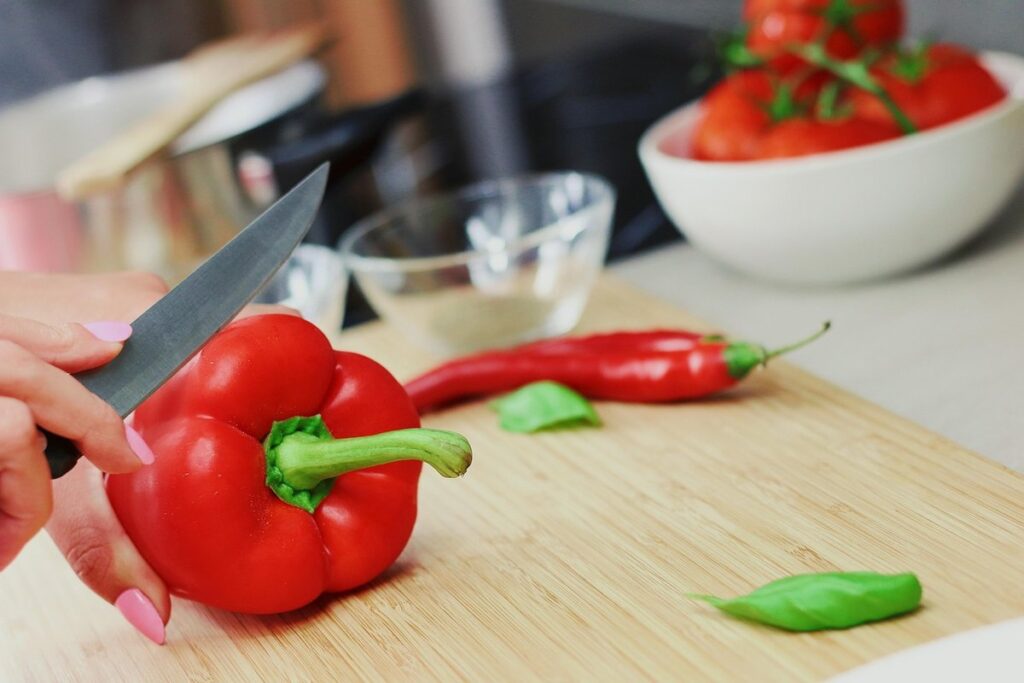
Sweet bell peppers are one of the most versatile and widely consumed types of peppers. Not only do they add a burst of sweetness to dishes, but they’re also packed with nutrients. One cup of sliced bell peppers contains over 100% of the daily recommended intake of vitamin C, making them an excellent addition to salads, stir-fries, and sautéed meals.
Their sweet flavor profile is due in part to their high water content and low acidity level. This makes them a great choice for snacking on raw or roasting them to bring out their natural sweetness. Bell peppers are also a good source of fiber, vitamin A, and potassium, making them a nutritious addition to your diet.
In cooking, sweet bell peppers can be used in a variety of ways. Slice them thin for adding to sandwiches, salads, and wraps. Use them as a crunchy topping for soups or stews. Or, roast them whole with olive oil, salt, and pepper for a simple yet flavorful side dish. Experiment with different colors like green, red, yellow, orange, and purple to add visual appeal and varying levels of sweetness to your dishes.
Hot Peppers
Hot peppers are a staple in many cuisines around the world, adding flavor and heat to various dishes. With Scoville Heat Units (SHU) ranging from 1,000 to over 2 million, there’s a hot pepper for every palate. The Jalapeño, with its moderate SHU of 2,500-8,000, is a popular choice in Mexican cuisine. It adds a spicy kick to dishes like tacos and nachos.
Other hot peppers include the Serrano (SHU: 10,000-23,000), known for its bright, fresh flavor and often used in salsas; the Cayenne (SHU: 30,000-50,000), which adds a pungent heat to sauces and marinades; and the infamous Ghost Pepper (SHU: 855,000-1,041,427), not for the faint of heart. In Indian cuisine, hot peppers like the Scotch Bonnet (SHU: 100,000-350,000) are used in curries and chutneys.
When working with hot peppers, it’s essential to handle them carefully, as the oils can cause skin irritation. Wear gloves when chopping or handling hot peppers, and avoid touching your eyes or other sensitive areas.
Specialty Peppers
When it comes to specialty peppers, there are several varieties that stand out for their unique characteristics and flavors. Let’s take a look at three popular options: Padrón, Shishito, and Banana peppers.
Padrón peppers hail from Spain and are known for their distinctive flavor profile, which can range from sweet to spicy. One of the most interesting things about Padrón peppers is that only about 1 in 10 will be hot, making them a fun and unpredictable addition to any dish. Try pan-frying them with garlic as a side dish or adding them to a hearty stew.
Shishito peppers are another popular variety from Japan, prized for their crunchy texture and mild flavor. While they’re not typically hot, some Shishitos may have a slight kick, but overall they’re great for snacking on raw or tossing into salads. Try grilling them with some olive oil and lemon juice for a tasty summer snack.
Banana peppers are sweet and slightly smoky, making them perfect for adding to sandwiches or pasta dishes. They can be sliced up and added to salads or stuffed with cheese for a fun appetizer. No matter how you use them, specialty peppers like Padrón, Shishito, and Banana add a burst of flavor and excitement to any meal.
Nutritional Benefits of Peppers
Peppers are more than just a tasty addition to your meals, they also pack a punch when it comes to nutritional benefits. Let’s explore what makes them so good for you.
Vitamin C Content
Peppers are an excellent source of vitamin C, with bell peppers ranking among the top 10 fruits and vegetables for their high content. In fact, one medium-sized red bell pepper can provide up to 125% of the recommended daily intake of vitamin C, making them a potent antioxidant booster.
Vitamin C is essential for a healthy immune system, helping to protect against illnesses like the common cold and flu. But that’s not all – it also plays a crucial role in collagen production, iron absorption, and even supports healthy skin and eye health. Bell peppers are particularly rich in this nutrient, but other varieties like jalapeños and Anaheim peppers also pack a punch.
To get the most out of the vitamin C content in peppers, aim to include them in your diet as soon as they’re picked – their vitamin C levels can drop significantly after harvesting. You can add sliced bell peppers to salads, stir-fries, or even enjoy them raw with hummus for a healthy snack. Experiment with different pepper varieties and preparation methods to unlock the full potential of this nutrient-packed superfood.
Antioxidant Properties
Peppers are not only a flavorful addition to various dishes but also a rich source of antioxidants. These compounds play a crucial role in maintaining overall well-being by neutralizing free radicals that can damage cells and contribute to chronic diseases. Bell peppers, for instance, contain an impressive amount of vitamin C, which has potent antioxidant properties.
One bell pepper can provide up to 125% of the daily recommended intake of vitamin C. This makes them an excellent choice for those looking to boost their immune system. The vitamin C in peppers also helps in reducing inflammation and oxidative stress, which are associated with various health issues such as cancer, cardiovascular disease, and neurodegenerative disorders.
Incorporating a variety of colored peppers into your diet can provide a range of antioxidant benefits. Red bell peppers contain lycopene, while green peppers contain kaempferol. These compounds have been shown to have anti-inflammatory properties and may help in reducing the risk of certain cancers.
Anti-Inflammatory Effects
When it comes to fighting inflammation, peppers are one of the best foods you can add to your diet. Certain compounds found in peppers have potent anti-inflammatory properties that can help reduce pain and swelling. One such compound is capsaicin, a natural oil contained in chili peppers that has been extensively studied for its medicinal benefits.
Research has shown that capsaicin can inhibit the production of pro-inflammatory enzymes, reducing inflammation and alleviating symptoms associated with conditions like arthritis, fibromyalgia, and even some types of cancer. In addition to its anti-inflammatory effects, capsaicin also has analgesic properties, making it a natural pain reliever.
To reap the benefits of peppers’ anti-inflammatory effects, you can start by incorporating them into your meals in various ways. Try adding sliced jalapeños or habaneros to your salads for an extra kick, or use chili powder as a seasoning in your favorite recipes. You can also take advantage of pepper-based supplements, such as capsaicin creams and ointments, to target specific areas of pain and inflammation.
Remember, when consuming peppers with high levels of capsaicin, it’s essential to start slowly and gradually increase the amount to allow your body to adjust. This will help you avoid discomfort or irritation while still enjoying the anti-inflammatory benefits of these incredible foods!
Growing and Storing Peppers
To get the most out of your pepper harvest, it’s essential to know how to grow and store these delicious fruits successfully. Here are some expert tips on growing and storing peppers.
Choosing the Right Variety
When it comes to growing peppers, selecting the right variety is crucial for success. Climate and soil type play significant roles in determining which pepper varieties will thrive. For instance, if you live in a hot and dry climate, opt for drought-tolerant pepper varieties like ‘Thai Hot’ or ‘Cayenne’. On the other hand, if your area receives heavy rainfall, choose pepper varieties that are resistant to fungal diseases, such as ‘Bell Boy’ or ‘California Wonder’.
In addition to climate considerations, soil type is also essential when choosing a pepper variety. Bell peppers, for example, prefer well-draining soils with a pH between 6.0 and 7.0. On the other hand, sweet pepper varieties like ‘Pimento’ thrive in slightly acidic soils.
Your desired flavor profile is another critical factor to consider when selecting pepper varieties. If you’re looking for intense heat, choose varieties like ‘Ghost Pepper’ or ‘Scorpion’. For a milder taste, opt for sweet peppers like ‘Sweet Banana’ or ‘Red Bell’.
To ensure success, research the specific growing requirements and characteristics of each variety before making your selection. Consult online resources, gardening books, or visit local nurseries to gather information about the best pepper varieties suited to your climate and soil conditions.
Planting and Maintenance
When planting peppers, it’s essential to provide them with the right conditions for optimal growth. Start by choosing a location that receives full sun and has well-draining soil. Peppers prefer a slightly acidic to neutral soil pH between 6.0 and 7.0.
To plant peppers correctly, space them about 12-18 inches apart, depending on their variety. This allows for proper air circulation, which is crucial in preventing diseases like powdery mildew and leaf spot. Water your pepper plants deeply once or twice a week, depending on weather conditions. Make sure the soil isn’t waterlogged, as this can lead to root rot.
Fertilization is also vital for pepper growth. Use a balanced fertilizer that contains nitrogen, phosphorus, and potassium. Follow the instructions on the label for application rates. You can also side-dress with a high-phosphorus fertilizer (10-20-10 NPK) once the plants are about 6 inches tall. This promotes fruiting and flowering.
Remember to rotate your pepper crop every season to avoid depleting the soil of nutrients. By following these guidelines, you’ll be well on your way to growing healthy and productive pepper plants that will reward you with a bountiful harvest.
Storage and Preservation
Proper storage and preservation of peppers is crucial to maintaining their flavor and texture. When storing peppers, keep them away from direct sunlight and heat sources, as this can cause moisture loss and spoilage. Store them in a cool, dry place with good air circulation. For longer-term storage, consider refrigerating or freezing your peppers.
Refrigeration slows down the ripening process and helps maintain pepper freshness for up to two weeks. To store peppers in the refrigerator, wrap them individually in plastic bags or aluminum foil to prevent moisture loss. Freeze peppers by blanching them in boiling water for 2-3 minutes, then immediately submerging them in an ice bath to stop the cooking process. Package frozen peppers in airtight containers or freezer bags and store them at 0°F (-18°C) or below.
When freezing bell peppers, consider chopping or slicing them before freezing for easy use in future meals. For hot peppers, freeze whole or chop them with gloves on to avoid irritating skin.
Culinary Uses of Peppers
Whether you’re looking for a burst of heat in your stir-fry or a sweet crunch in a salad, peppers are an incredibly versatile ingredient to work with. Let’s explore some exciting ways to use them in cooking.
Add to Salads
When it comes to adding sliced or chopped peppers to salads, the possibilities are endless. One classic combination is pairing sweet bell peppers with fresh mozzarella, basil, and a drizzle of balsamic glaze for an Italian-inspired twist on caprese salad.
For a spicy kick, try combining diced jalapeños or serranos with creamy avocado, cherry tomatoes, and crumbled queso fresco for a south-of-the-border flair. Alternatively, sweet and smoky peppers like Poblanos pair beautifully with roasted beets, goat cheese, and a citrus vinaigrette.
To take your salads to the next level, experiment with unique pepper pairings. For example, try pairing delicate Anaheim peppers with fresh arugula, shaved parmesan, and a lemon-tahini dressing for a refreshing summer salad. Or, combine bold Habaneros with crunchy apple, crumbled blue cheese, and a tangy cider vinaigrette for a sweet and spicy treat.
Remember to balance the flavors by adjusting the amount of pepper and other ingredients according to your taste. With these simple ideas, you can create a variety of delicious salads that showcase the versatility of peppers in your culinary creations.
Use in Stir-Fries
When it comes to stir-fries, peppers are an essential ingredient that can elevate the dish to new heights. In Asian-inspired cuisine, peppers play a starring role in many popular recipes. Bell peppers, jalapeños, and Thai chilies are just a few examples of the many varieties that pair perfectly with savory sauces and aromatics.
To use peppers effectively in stir-fries, consider the following tips:
* Slice bell peppers into thin strips or chop them into small pieces to add texture and crunch.
* Use fresh chili peppers like jalapeños or serranos for an added kick of heat. You can either slice them thinly or mince them before adding them to the wok.
* For a more authentic Asian flavor, try using Szechuan peppercorns or Korean chili flakes (gochugaru) to add depth and warmth to your stir-fry.
Some popular Asian-inspired stir-fry recipes that showcase peppers include Kung Pao chicken with bell peppers and Thai basil, beef and broccoli stir-fry with jalapeños, and spicy Korean-style pork with gochujang sauce. Experiment with different pepper varieties and combinations to find the perfect balance of flavors for your next stir-fry creation!
Roasting and Grilling
When it comes to unleashing the full flavor potential of peppers, roasting and grilling are two techniques that bring out their natural sweetness and smoky flavors. Roasting involves heating peppers in a hot oven until they’re tender and caramelized, which enhances their sweetness and depth.
To roast peppers, preheat your oven to 425°F (220°C). Place the peppers on a baking sheet, drizzle with olive oil, and sprinkle with salt. Roast for 30-40 minutes or until the skin is blistered and charred. Remove from heat and let cool before peeling off the skin.
Grilling adds a smoky flavor to peppers, making them perfect for summertime dishes. Preheat your grill to medium-high heat. Place the peppers directly on the grates and cook for 10-15 minutes per side or until they’re charred and tender. Remove from heat and let cool before peeling off the skin.
For added depth, try roasting or grilling a combination of sweet and hot peppers together. The result is a harmonious balance of flavors that will elevate any dish.
Top Pepper-Producing Countries
As we explore the world of peppers, let’s take a look at where these tasty treats come from, starting with the top pepper-producing countries globally.
Overview of Global Production
When it comes to peppers, understanding where they’re produced can give you a deeper appreciation for the journey from farm to table. The world’s top pepper-producing countries are a testament to their widespread popularity and versatility. According to the Food and Agriculture Organization (FAO), China leads the way as the largest producer of peppers, accounting for over 16% of global production.
India ranks second, followed closely by the United States, with each country producing around 10-12% of the world’s peppers. Other significant producers include Mexico, Indonesia, and Brazil. These countries’ climates and soil conditions make them ideal for pepper cultivation, resulting in a diverse range of varieties being grown.
The FAO reports that global pepper production has been steadily increasing over the years, with some regions experiencing fluctuations due to weather patterns and pests. To get the best out of your peppers, choose ones that are locally sourced or imported from countries with strict quality control measures in place.
Regional Variations
When it comes to peppers, regional variations play a significant role in their flavors, uses, and availability. For instance, in Southeast Asia, where chilies are an integral part of the cuisine, you’ll find a diverse range of hot peppers like Thai bird’s eye chilies or Vietnamese jalapeños. These peppers add depth and heat to local dishes such as Tom Yum soup and Pho.
In contrast, Europe is famous for its sweet peppers, particularly in Italy and Spain where bell peppers are used extensively in Mediterranean cuisine. The sweetness of these peppers is showcased in Italian caprese salads and Spanish gazpachos. Meanwhile, in the Americas, you’ll find a mix of South American aji amarillo peppers and Mexican chipotle peppers that add smoky heat to local dishes.
To explore regional variations, try experimenting with different pepper types from around the world. For example, pair Japanese shishito peppers with soba noodles for a flavorful summer dish or use Indian green chilies in a spicy curried chicken recipe. By embracing regional flavors and techniques, you can take your cooking to the next level and discover new favorite pepper varieties.
Frequently Asked Questions
How do I choose the best variety of pepper for my garden or kitchen?
Choosing the right pepper variety depends on your climate, cooking preferences, and the space available for growth. Consider factors like temperature tolerance, disease resistance, and maturation time when selecting a variety. For example, sweet bell peppers prefer warmer temperatures and well-drained soil, while hot peppers can thrive in cooler conditions with adequate moisture.
Can I grow peppers indoors if I don’t have outdoor space?
Yes, you can grow peppers indoors using containers or indoor gardens. Most pepper varieties require at least 6 hours of direct sunlight per day, but some compact varieties like ‘Thai Hot’ or ‘Bird’s Eye’ can tolerate low light conditions. Ensure your indoor growing space has good air circulation and maintain a consistent temperature between 65-75°F (18-24°C) for optimal growth.
How do I store peppers to keep them fresh for longer?
Proper storage is crucial to maintaining the flavor and texture of peppers. Store sweet bell peppers at room temperature, away from direct sunlight, until they’re ripe. For hot peppers, refrigerate them to slow down the ripening process or freeze them whole or chopped for later use. Remove stems and seeds before storing sliced or diced peppers to prevent spoilage.
Can I use pepper varieties in combination with other ingredients for unique flavors?
Peppers pair well with a variety of ingredients, making it easy to create unique flavor combinations. For example, pairing sweet bell peppers with herbs like basil or oregano adds depth to salads and stir-fries. Hot peppers can be combined with citrus, ginger, or garlic for an aromatic kick in sauces and marinades.
Are there any specific pepper varieties that are more suitable for roasting?
Yes, some pepper varieties are better suited for roasting due to their sweet, smoky flavor profile. Sweet bell peppers, Anaheim peppers, and Poblano peppers are popular choices for roasting. They retain their shape and texture when roasted, making them perfect for adding to soups, stews, or as a side dish.