
If you’re like many gardeners, you want to do your part in supporting local bee populations. But did you know that certain plants are more beneficial than others when it comes to providing nectar and pollen for these vital pollinators? By incorporating native plants into your landscape, you can create a haven for bees to thrive. Not only is this good for the environment, but it’s also a great way to attract these busy buzzing friends into your garden. In this article, we’ll dive into the best native plants for bees and provide tips on how to select and care for them effectively. From choosing the right species to ensuring they’re well-suited for your local climate, we’ve got you covered with our comprehensive guide to creating a bee-friendly landscape.
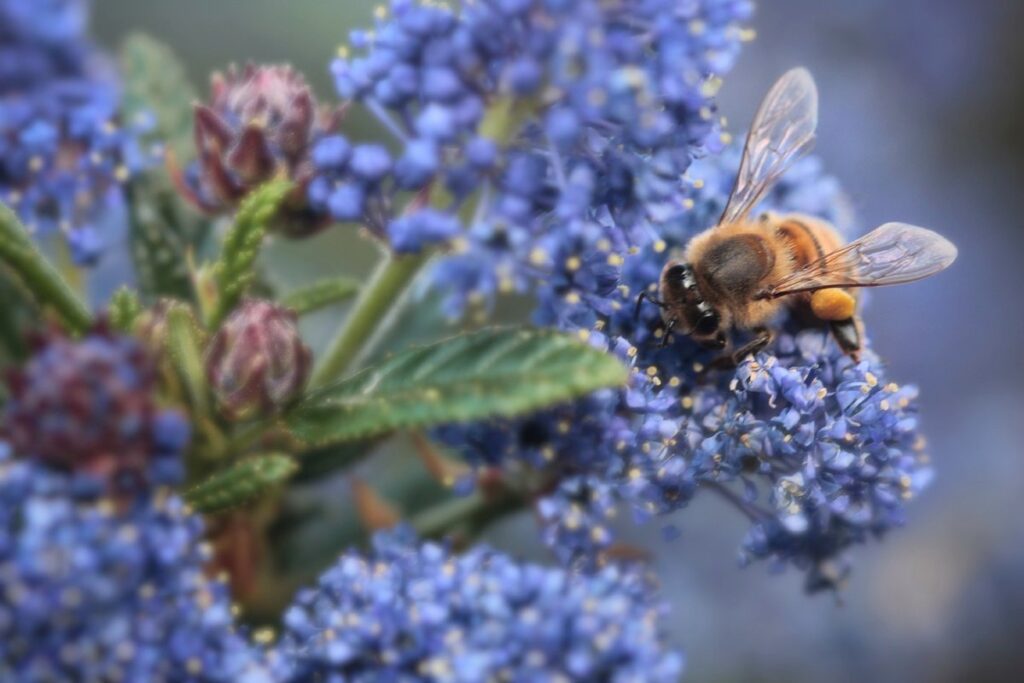
Understanding the Importance of Native Plants for Bees
When it comes to supporting our local bee populations, understanding why native plants are crucial is key. Let’s dive into the importance of incorporating these flowers into your garden.
The Decline of Bee Populations and Its Consequences
Bee populations have been on a steady decline over the past few decades, with alarming consequences for ecosystems worldwide. The impact of this decline is multifaceted: without bees to pollinate crops, food production and security are at risk. According to a study by the United Nations, about one-third of the world’s crop species rely heavily on bee pollination, accounting for 15-30% of global food production.
The repercussions extend far beyond agriculture. Bees play a crucial role in maintaining ecosystem balance, with a single hive capable of pollinating hundreds of thousands of flowers in a single day. Their disappearance has led to the decline or even extinction of certain plant species that rely on them for reproduction.
Native plants are essential in supporting these dwindling bee populations. By choosing plants native to your region, you’re creating a haven for local pollinators. Incorporate native wildflowers and shrubs into your garden design to provide bees with an abundance of nectar-rich flowers throughout the growing season. This not only supports their health but also contributes to maintaining biodiversity in your area.
Benefits of Choosing Native Plants Over Non-Native Options
When it comes to providing a natural habitat for bees, native plants are far superior to their non-native counterparts. One of the primary reasons is that native plants offer the right amount and quality of nectar and pollen that bees need to thrive.
Native plants have co-evolved with local bee species over thousands of years, resulting in an optimal match between plant and pollinator. This means that the nectar content and sugar composition are tailored specifically for the local bee population, allowing them to feed efficiently and effectively. In contrast, non-native plants may provide a temporary source of food but lack the specific nutrients and compounds that bees require.
Pollen quality is another crucial factor where native plants excel. Native pollen is rich in protein, vitamins, and minerals essential for bee growth and development, whereas foreign pollen can be toxic or cause allergic reactions. By choosing native plants, you’re creating a disease-resistant environment that promotes bee health and well-being.
Identifying Your Region’s Best Native Plants for Bees
Now that you know which factors attract bees, it’s time to identify the native plants that will thrive and provide sustenance in your specific region. This section highlights the top choices for each area.
Step 1: Determine Your Plant Hardiness Zone
To select the best native plants for bees in your area, you first need to determine your region’s plant hardiness zone. This may seem like a straightforward task, but it’s essential in ensuring that the plants you choose can thrive in your local climate.
Your plant hardiness zone is determined by your location’s average annual extreme minimum temperature. In the US, the USDA Plant Hardiness Zone Map divides the country into 11 zones based on this criteria. You can find your zone by entering your zip code on the USDA website or consulting a local nursery professional. Knowing your zone is crucial because it helps you narrow down the list of native plants that are specifically adapted to your region’s climate.
For example, if you live in Zone 5, you’ll want to focus on plants like black-eyed Susan and coneflower, which can tolerate the occasional harsh winter. On the other hand, if you’re in Zone 9, you may prefer plants like coral honeysuckle and oakleaf hydrangea that are more suited to warmer temperatures.
Take a few minutes to determine your plant hardiness zone before selecting native plants for bees in your area. This simple step will help ensure that your chosen plants receive the right amount of care and can thrive where they’re planted, ultimately supporting the health and well-being of local bee populations.
Step 2: Research Local Native Plant Species
When it comes to selecting native plants that will thrive in your region and provide essential resources for bees, it’s crucial to research local species. To get started, let’s explore the various resources available for identifying native plant species in your area.
Firstly, consider visiting a nearby botanical garden or arboretum. These institutions are often home to a diverse range of native plants that have been carefully cultivated and labeled for easy identification. Take note of which plants are attracting bees and other pollinators – this can give you valuable insight into what works well in your specific climate.
Additionally, reach out to local nurseries or gardening experts who specialize in native plant species. They can provide expert advice on the best plants for your region’s unique conditions and offer recommendations tailored to your specific needs.
You can also turn to online databases such as the USDA PLANTS database or the Lady Bird Johnson Wildflower Center’s Native Plant Database. These resources allow you to search for native plants by region, soil type, and other criteria, making it easier to find the perfect species for your garden. By tapping into these resources, you’ll be well on your way to selecting native plants that will provide a haven for bees in your area.
Selecting the Right Plants for Your Garden or Yard
When choosing plants for your garden, it’s essential to select species that provide a constant source of nectar and pollen for our busy bee friends. This section will walk you through the considerations to make this happen effectively.
Choosing a Mix of Spring, Summer, and Fall-Blooming Plants
When selecting plants for your garden or yard, it’s essential to choose a mix of spring, summer, and fall-blooming varieties to provide a constant source of nectar and pollen throughout the growing season. This ensures that bees have access to food year-round, even when some plants may be dormant.
By incorporating a diverse range of bloom times, you can create a pollinator-friendly garden that attracts bees at every stage of their activity cycle. Consider planting native species like coneflowers (Echinacea spp.), which bloom in mid-summer and offer a rich source of nectar for foraging bees. In contrast, spring-blooming plants like trillium (Trillium spp.) provide an early-season bounty, while fall-blooming asters (Symphyotrichum spp.) extend the pollination season well into autumn.
To create this balanced garden, try to plant a mix of three to four species that bloom at different times. This will ensure that your garden remains attractive and beneficial for bees throughout the growing season. Some popular combinations include pairing spring-blooming perennials like crocus with summer-blooming flowers like black-eyed Susans (Rudbeckia hirta).
Incorporating Native Trees, Shrubs, and Ground Covers
Native trees, shrubs, and ground covers play a vital role in supporting bee populations. These plant types offer a wealth of nectar and pollen, which are essential for bees’ survival. When it comes to selecting native plants that provide sustenance for bees, consider the following options.
For instance, dogwood (Cornus florida) is a native tree that produces an abundance of nectar-rich flowers in the spring, making it a popular choice among bee enthusiasts. Shrubs like butterfly bush (Buddleja davidii) and lavender (Lavandula spp.) are also excellent choices, as they provide a constant source of pollen and nectar throughout the growing season.
Ground covers like creeping thyme (Thymus serpyllum) and wild strawberry (Fragaria virginiana) offer an added benefit: they’re low-maintenance and can thrive in poor soil conditions. These plants are perfect for areas with limited sunlight or where soil quality is a concern. By incorporating these native trees, shrubs, and ground covers into your garden or yard, you’ll be providing a vital food source for bees and supporting their overall health and well-being.
Planting and Maintenance Tips for Maximum Bee Support
To get the most out of your native bee-friendly plants, learn how to plant and maintain them correctly, ensuring a thriving ecosystem that supports these vital pollinators. Proper care is key to attracting bees all season long.
Preparing Your Soil for Native Plants
Preparing the soil is one of the most crucial steps when planting native plants for bees. These plants have evolved to thrive in specific conditions and can’t tolerate poor-quality soil. Before introducing native plants, it’s essential to test and adjust your soil pH levels.
Most native plants prefer a slightly acidic to neutral soil pH between 6.0 and 7.0. To determine your soil pH, purchase a DIY testing kit or consult with a local nursery professional. If your soil is too alkaline or acidic, add organic matter like compost or well-rotted manure to adjust the pH levels.
Native plants also require specific nutrient profiles, which can be determined by analyzing your soil type and native plant species. For instance, if you’re planting bee-friendly flowers in a sandy loam soil, ensure that it has adequate phosphorus for optimal growth.
To give your native plants a head start, add a 2- to 3-inch layer of compost or well-rotted manure before planting. This will not only improve the soil‘s structure but also provide essential nutrients for your new additions.
Mulching and Watering Strategies
When it comes to supporting local bee populations, proper mulching and watering strategies are crucial for maintaining the health of native plants. Mulch serves as a protective barrier that retains moisture, suppresses weeds, and regulates soil temperature. However, be cautious not to use too much mulch, as this can lead to root rot and other issues.
Aim to apply 2-3 inches of organic mulch around the base of your native plants, keeping it a few inches away from the trunk to prevent moisture accumulation. Some excellent options for mulch include wood chips, straw, or leaves. These materials are rich in nutrients and can even help to reduce soil erosion.
As for watering, remember that native plants are adapted to local rainfall patterns and may require less water than non-native species. Water your native plants deeply but infrequently to encourage deep root growth and drought resistance. Aim to provide about 1 inch of water per week, either through rain or irrigation. Be sure to check the soil moisture before watering, as overhydration can be detrimental to plant health.
Additional Tips for Creating a Bee-Friendly Landscape
Now that you’ve learned about the best native plants for bees, it’s time to take your bee-friendly landscape to the next level with some expert advice on creating a thriving haven. Here are some additional tips to keep in mind!
Incorporating Other Pollinator-Friendly Elements
When creating a bee-friendly landscape, it’s easy to focus solely on planting native flowers. However, incorporating other pollinator-friendly elements can further enhance the appeal of your garden for bees and other beneficial insects.
Consider adding birdhouses or bat boxes to your yard, as these provide shelter for other important pollinators like birds and bats. These animals often work in tandem with bees to pollinate plants, so it’s essential to create a welcoming environment for them too. For example, bluebirds are known to visit flowers to feed on nectar, making them valuable allies in the pollination process.
Other features you can consider adding include compost piles or worm bins, which provide a source of nutrients for your native plants and help maintain soil health. You can also install a rain garden or bioswale to collect and filter stormwater runoff, reducing the amount of pollutants that enter nearby waterways. By incorporating these elements, you’ll create a thriving ecosystem that supports not only bees but also other pollinators and wildlife.
Collaborating with Your Community or Neighborhood
Creating a bee-friendly landscape is not just about selecting the right native plants – it’s also about building a community that shares your passion for pollinator conservation. Collaborating with your neighbors and local organizations can amplify the impact of your individual efforts, transforming your neighborhood into a thriving network of bee-friendly gardens.
Start by talking to your neighbors and friends about your interest in creating a bee-friendly landscape. You might be surprised at how many like-minded individuals live nearby. Invite them over for a garden tour or join forces to host a pollinator-themed event, such as a plant sale or workshop. Partnering with local gardening clubs, community gardens, or environmental organizations can also provide access to valuable resources and expertise.
As you build relationships within your community, consider creating a “Bee-Friendly Block” initiative – where neighbors work together to plant native flowers, share knowledge, and monitor the progress of their collective efforts. This approach fosters a sense of camaraderie while promoting pollinator conservation on a larger scale. By engaging with your community, you’ll not only create a beautiful haven for bees but also inspire others to do the same, ultimately making your neighborhood a beacon of biodiversity.
Frequently Asked Questions About Native Plants for Bees
You’ve probably got some questions about native plants and bees, so we’re covering some of the most common ones below to help you get started on creating a bee-friendly garden. We’ll address the basics first.
Common Misconceptions About Native Plant Selection
When selecting native plants for bees, it’s common to come across misconceptions about their availability, growth rates, and maintenance requirements. One popular myth is that native plants are scarce or hard to find. However, many nurseries now specialize in native plant species, making them easily accessible. You can also check with local gardening clubs or online forums for recommendations.
Another misconception is that native plants require less maintenance than non-native varieties. While it’s true that native plants have adapted to the local climate and soil conditions, they still need proper care to thrive. Regular watering, pruning, and fertilization are essential for their health and beauty.
Some people also believe that native plants grow slowly or take years to mature. However, many species can bloom within a year of planting and provide nectar-rich flowers throughout the growing season. For example, coneflowers (Echinacea spp.) are popular choices for bee gardens and can produce vibrant blooms in as little as six months.
When selecting native plants for your bee garden, focus on choosing species that are well-suited to your local climate and soil conditions. This will help ensure their success and provide a constant source of nectar for pollinators.
How to Protect Your Native Plant Investments
When you’ve invested time and effort into cultivating native plants for bees, it’s natural to want to protect them from potential threats. To ensure their continued health and viability, consider the following strategies.
Monitor your plants regularly for signs of pests or diseases, such as aphids, whiteflies, or powdery mildew. For instance, look out for holes in leaves or stems, yellowing leaves, or black spots on petals. Early detection is key to preventing infestations from spreading and causing damage.
Take action promptly by introducing beneficial insects like ladybugs or lacewings, which prey on pests. You can also use physical barriers, such as fine mesh, to keep away unwanted visitors like birds or deer. For diseases, practice good hygiene by removing any affected parts and disinfecting tools.
Human impact is another consideration – ensure your plants receive sufficient sunlight and water without overwatering. Avoid compacting soil around plant roots, which can lead to root rot.
Frequently Asked Questions
What’s the best way to ensure my native plants are well-suited for my local climate?
When selecting native plants, consider factors like temperature, rainfall, and sunlight patterns specific to your region. Research local nurseries or consult with a gardening expert who can provide guidance on choosing varieties that thrive in your area.
How often should I water my native plants during their first growing season?
Yes, it’s essential to water native plants regularly during the first year after planting. Water them deeply once or twice a week, depending on weather conditions, until they establish themselves and become drought-tolerant. Be sure to mulch around the base of the plants to retain moisture.
Can I plant native flowers in containers if I have limited space?
Yes, you can still support local bees with container gardening! Choose native plant species that thrive in containers, such as milkweed or bee balm, and ensure the pots are at least 5-gallons to provide sufficient root growth. Use a well-draining potting mix and water regularly.
How do I identify which native plants attract specific types of bees, like honeybees or solitary bees?
Different species of bees are attracted to various plant shapes, sizes, and colors. Research the preferred flowers for each type of bee you want to support, such as long-tubed flowers for hummingbirds and carpenter bees. Consider incorporating a mix of plants that attract different types of pollinators.
What’s the most effective way to create a continuous source of nectar and pollen throughout the growing season?
Plan your garden with a mix of spring-blooming, summer-blooming, and fall-blooming native plants to provide a constant food source for bees. Consider incorporating native trees, shrubs, and ground covers that offer flowers or seeds at different times of the year.