
As a gardener or homeowner, you’re likely aware of the importance of attracting pollinators to your outdoor space. Not only do they provide a vital service by transferring pollen between plants, but they also add beauty and life to our gardens. But did you know that certain herbs are specifically tailored to attract these busy creatures? From fragrant favorites like lavender and mint to lesser-known nectar-rich options like hyssop and lemon balm, there’s an entire world of pollinator-friendly herbs waiting to be explored. In this article, we’ll dive into the top herbs for attracting pollinators, offering expert advice on how to create a year-round pollinator haven that will thrive in any garden or yard. Let’s get started on creating a haven for these vital visitors!
Understanding the Importance of Pollinator-Friendly Gardens
As you incorporate pollinator-friendly herbs into your garden, it’s essential to understand why these gardens are crucial for supporting local wildlife and maintaining ecosystem health. Let’s dive into the importance of these gardens now.
What is a Pollinator and Why Do They Matter?
Pollinators play a vital role in ecosystems worldwide. These tiny creatures – including bees, butterflies, moths, wasps, and flies – are responsible for transferring pollen between plants, facilitating the reproduction process that gives us fruits, vegetables, and nuts. Without pollinators, many plant species would struggle to produce seeds, and food production would plummet.
The decline of pollinator populations is a pressing concern. According to the United Nations Food and Agriculture Organization (FAO), nearly 75% of global crop types depend on animal-pollinated plants for reproduction. As their numbers dwindle, so do our food sources. In fact, it’s estimated that one-third of the world’s crops are at risk of collapse without adequate pollinator populations.
Supporting local pollinators is not just a moral imperative; it’s also an environmental necessity. By creating pollinator-friendly gardens with herbs like lavender and mint, we can provide vital habitats for these creatures, allowing them to thrive and do their essential work.
The Impact of Herbicides and Pesticides on Pollinators
When it comes to creating pollinator-friendly gardens, it’s essential to consider the impact of common gardening practices on these vital creatures. Herbicides and pesticides are often used in gardens to control pests and weeds, but they can have devastating effects on pollinators.
These chemicals can contaminate nectar and pollen, which bees, butterflies, and other pollinators rely on for food and nutrition. In fact, studies have shown that even small amounts of pesticide residues can impair a bee’s ability to navigate and communicate with its colony. Furthermore, herbicides can destroy the very flowers that pollinators need to survive.
To protect pollinators in your garden, it’s best to use natural methods to control pests and weeds. Instead of reaching for chemical-laden sprays, try using physical barriers like copper tape or fine mesh to keep pests at bay. You can also use neem oil, a natural insecticide that’s gentle on pollinators.
By making these simple changes, you can create a haven for local wildlife in your garden. This is especially important for herbs, which provide crucial pollen and nectar for pollinators as they bloom throughout the growing season.
Choosing the Right Herbs for Your Pollinator-Friendly Garden
When selecting herbs for your pollinator-friendly garden, you’ll want to choose plants that not only tantalize your taste buds but also provide a rich source of nectar and pollen. Let’s explore some top picks!
Fragrant Herbs That Attract Pollinators
When it comes to creating a pollinator-friendly garden, incorporating fragrant herbs is an excellent way to attract these essential creatures. Lavender, rosemary, and thyme are popular choices for their enticing aromas that not only delight humans but also draw in bees, butterflies, and other beneficial insects.
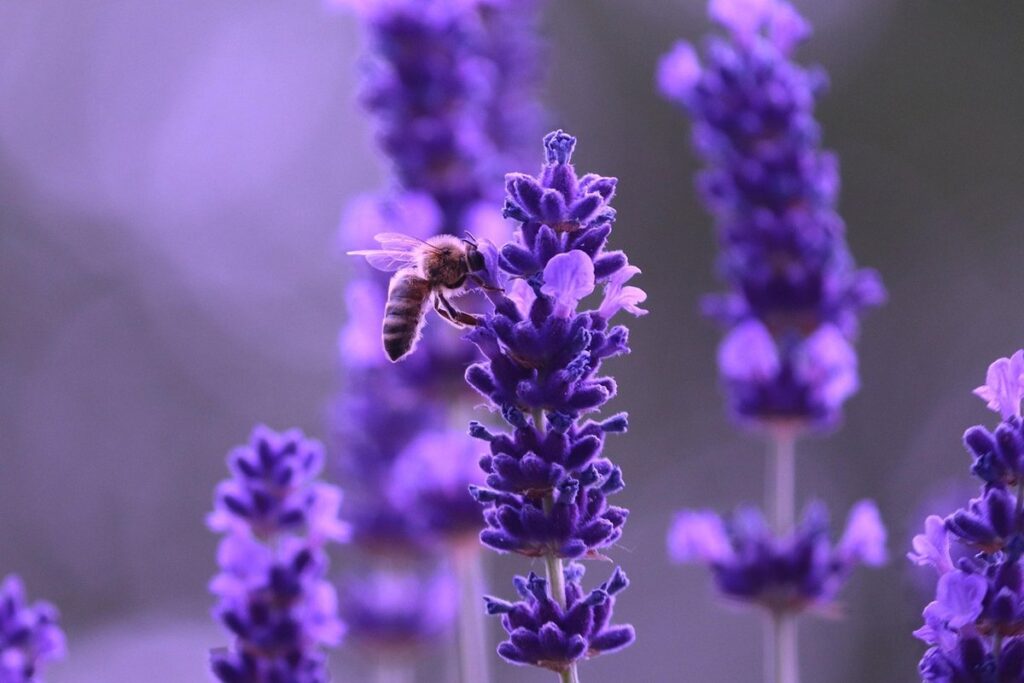
Lavender (Lavandula spp.) is a top pick for pollinators due to its rich, floral scent and abundance of nectar-rich flowers. These low-maintenance plants thrive in well-drained soil and full sun, making them perfect for Mediterranean-style gardens or containers on balconies and patios. Planting lavender near the entrance of your garden can help guide pollinators toward other herb plantings.
Rosemary (Rosmarinus officinalis) is another fragrant favorite among bees and butterflies, with its pungent aroma drawing in these beneficial insects like a magnet. This evergreen herb requires minimal care and can tolerate some shade, making it an excellent choice for gardens with varying light conditions.
Thyme (Thymus spp.) is a low-growing, spreading herb that emits a subtle yet alluring fragrance that’s particularly attractive to solitary bees. Planting thyme near the ground level can help these pollinators navigate easily through your garden.
Borage and Oregano: Unconventional Choices for a Pollinator Haven
When it comes to creating a pollinator haven, many of us turn to familiar favorites like lavender and rosemary. However, there are some lesser-known herbs that can provide an extra boost for these vital visitors. Two such gems are borage and oregano.
Borage (Borago officinalis) is a particularly rich source of nectar and pollen, making it a pollinator paradise. With its bright blue flowers and delicate foliage, this annual herb adds a burst of color to any garden. Not only that, but its edible flowers are also a tasty treat for humans! Simply add them to salads or use as a garnish for cocktails.
Oregano (Origanum vulgare), on the other hand, is often used in cooking, but its value extends far beyond the kitchen. This perennial herb produces clusters of small, white, pink, or purple flowers that are rich in nectar and pollen. As an added bonus, oregano repels pests like spider mites and aphids, creating a healthier environment for your garden.
By incorporating borage and oregano into your pollinator-friendly garden, you can attract even more of these vital visitors and create a thriving ecosystem that benefits both humans and wildlife.
Planting Strategies to Support Pollinator Diversity
To create a welcoming environment for pollinators, let’s dive into effective planting strategies that support diversity and attract these vital creatures. We’ll explore ways to plant herbs for maximum pollinator impact.
Creating a Pollinator-Friendly Meadow Garden
Creating a meadow garden that’s perfect for pollinators is easier than you think. To get started, choose a spot with full sun and well-draining soil – ideal conditions for many wildflowers. Consider the mature size of each plant when selecting species, ensuring a mix of bloom times to provide nectar throughout the growing season.
For a diverse meadow garden, include a variety of herbs such as coneflower (Echinacea spp.), black-eyed Susan (Rudbeckia hirta), and purple coneflower (Echinacea purpurea). These plants attract a range of pollinators, from bees to butterflies. Incorporate native wildflowers like bee balm (Monarda didyma) and butterfly milkweed (Asclepias tuberosa) for added biodiversity.
Regular maintenance is key. Remove weeds by hand or with a tool, taking care not to damage the roots of your desired plants. Leave some areas untidy – pollinators often nest in undisturbed vegetation. Water during dry spells but avoid overwatering, which can lead to disease and pests. By following these tips, you’ll create a haven for local wildlife that’s both beautiful and beneficial.
Incorporating Herbs into Your Existing Garden Design
If you’re already growing a garden and want to incorporate herbs that support pollinators, don’t worry – it’s easier than you think! Simply assess the existing layout of your garden and identify areas where you can fit in some herb plants. Consider companion planting ideas like pairing bee-friendly herbs with vegetables or flowers that benefit from their fragrance.
For example, basil repels pests that target tomatoes, while mint attracts pollinators to nearby vegetables. You can also intercrop herbs among other plants to maximize space – just be sure to leave enough room for proper growth and maintenance. If your garden is already quite dense, consider adding a dedicated herb bed or container garden to create a designated pollinator hotspot.
To get started, choose herbs that are well-suited to your local climate and the specific needs of your garden. Consider factors like sun requirements, soil preferences, and mature plant size to ensure a harmonious coexistence with existing plants. By thoughtfully integrating herbs into your garden design, you’ll be supporting pollinators while also enhancing your garden’s overall biodiversity.
Other Ways to Support Local Pollinators Beyond Herb Planting
Beyond herb planting, there are many other ways you can support local pollinators in your garden and community. Let’s explore these creative ideas together!
Providing a Source of Water for Pollinators
Providing a source of water is crucial for pollinators’ survival. Without access to clean drinking water, these vital creatures may not be able to sustain themselves and perform their essential duties. Consider creating a pollinator-friendly pond or bird bath in your garden.
When designing a water feature, prioritize shallow areas with rocks or twigs for landing spots. This will allow pollinators to easily access the water without having to drown. Ensure that the water is fresh and free from chemicals by changing it frequently. A minimum depth of 2-3 inches (5-7.5 cm) is recommended, as this allows bees and butterflies to comfortably reach the surface.
To make your pond even more pollinator-friendly, consider adding a mason bee hotel or a shallow dish filled with sand for solitary bees to extract mud from. You can also use a birdbath that has built-in shelves or ledges for resting spots. Regularly clean the water feature and remove any dead plants or debris to keep it safe and appealing to pollinators.
Remember, every garden needs a water source for pollinators. With a little creativity and planning, you can create a welcoming haven for these essential creatures in your own backyard.
Avoiding Common Mistakes in Creating a Pollinator-Friendly Garden
When creating a pollinator-friendly garden, it’s easy to fall into common pitfalls that can actually harm local wildlife. One major mistake is planting too many invasive species, which can outcompete native plants and disrupt the ecosystem. For example, Butterfly Bush (Buddleja davidii) is often touted as a favorite of monarch butterflies, but its aggressive growth habit has led to it being banned in some areas due to its ability to crowd out native vegetation.
To avoid this mistake, choose herbs and plants that are native to your region or have been cultivated specifically for pollinator support. Also, be mindful of the overall plant density in your garden – too many plants can create a monoculture that’s vulnerable to disease and pests. Instead, opt for a diverse mix of plants with varying growth habits and bloom times. This will not only provide a more sustainable environment but also offer a constant source of nectar-rich flowers throughout the growing season.
How to Create a Year-Round Pollinator Haven with Herbs
To create a pollinator haven, combine herbs that bloom at different times to provide nectar and shelter for wildlife throughout the seasons. This diverse approach will attract bees, butterflies, and other visitors year-round.
Choosing Perennial Herbs for Seasonal Interest
When it comes to creating a year-round pollinator haven with herbs, choosing perennials that provide nectar and pollen throughout the growing season is crucial. Herbs like coneflower (Echinacea spp.) and black-eyed Susan (Rudbeckia hirta) are excellent choices for their long-blooming periods.
Coneflower blooms from mid-summer to fall, attracting pollinators with its abundant nectar-rich flowers. This perennial herb is a favorite of butterflies and bees alike, providing a valuable source of energy during the summer months. Black-eyed Susan, on the other hand, flowers from spring to early summer, offering a continuous supply of pollen and nectar for pollinators.
Both of these herbs are relatively easy to care for and can thrive in a variety of conditions, making them perfect for a pollinator-friendly garden. To incorporate coneflower and black-eyed Susan into your herb garden, choose a spot with full sun and well-draining soil. Plant the seeds or seedlings in early spring or fall, depending on your climate.
By incorporating these perennials into your herb garden, you’ll be providing a vital source of nectar and pollen for pollinators throughout the growing season. Remember to plant multiple varieties to ensure a continuous supply of food for local wildlife.
Incorporating Native Herbs into Your Garden Design
When designing your pollinator haven with herbs, it’s essential to incorporate native herbs that are more likely to attract local pollinators. Native herbs have co-evolved with the native wildlife, making them a perfect match for each other. This symbiotic relationship means that these plants will thrive in their natural environment and provide a rich source of food and shelter for the pollinators.
Native herbs also tend to require less maintenance than non-native species, as they are adapted to the local climate and soil conditions. For example, the Monarda (Bee Balm) is native to North America and attracts hummingbirds, butterflies, and bees with its red, pink, or purple flowers. Similarly, the Liatris (Blazing Star) is a native herb that produces spikes of purple, pink, or white flowers, which are a favorite among butterflies and bees.
When selecting native herbs for your garden, consider consulting with local nurseries or gardening experts to determine which species will thrive in your specific region. By choosing native herbs, you’ll be creating a welcoming environment for local pollinators and supporting the biodiversity of your ecosystem.
Frequently Asked Questions
How can I incorporate herbs with different blooming times to create a year-round pollinator haven?
To ensure a constant source of nectar for pollinators, choose herbs that bloom at various times throughout the growing season. For example, plant early-blooming lavender in spring, followed by mid-summer blooms like oregano and borage, and finish with late-season favorites like hyssop and lemon balm. This staggered blooming will provide a steady supply of nectar for pollinators.
What are some common mistakes to avoid when creating a pollinator-friendly garden?
When designing your pollinator haven, be mindful of herb placement and spacing. Avoid overcrowding, which can make it difficult for pollinators to navigate the area. Also, steer clear of using invasive species that might harm local ecosystems. Finally, keep in mind the mature size of each plant when selecting varieties to ensure a harmonious layout.
How do I choose between perennial and annual herbs for my pollinator-friendly garden?
Perennial herbs like lavender and mint offer long-term benefits as they come back year after year, providing a consistent source of nectar. Annuals like borage and oregano may require more maintenance but offer flexibility in replanting each season. Consider your garden’s climate and space constraints when deciding between these options.
Can I use herbs that are not native to my region in my pollinator-friendly garden?
While it’s possible to use non-native herbs, they might not provide the same level of support for local pollinators as native species would. Instead, focus on incorporating native herbs like coneflower and black-eyed Susan, which will attract native pollinators and promote a healthier ecosystem.
How can I ensure my herb garden is accessible to pollinators with limited mobility or flight?
Consider using raised beds or containers to provide easier access for pollinators with mobility issues. Additionally, choose herbs with shallow roots like mint and oregano that won’t require extensive digging. Finally, consider creating a “pollinator hotel” by incorporating native plants with unique structures like catmint or bee balm, which offer sheltered spaces for pollinators to rest and nest.