
Are you looking to bring some fresh flavor to your outdoor space without sacrificing valuable garden real estate? Container gardening is a great way to grow your favorite herbs, and with the right selection, you can enjoy a bountiful harvest all season long. Whether you’re a seasoned green thumb or just starting out, choosing the best herbs for container gardening can be overwhelming.
Don’t worry – we’ve got you covered! In this article, we’ll reveal our top picks for easy-to-grow herbs that thrive in containers, including expert tips on care, pruning, and harvesting. From basil to rosemary, we’ll cover the most popular options and provide guidance on how to keep them happy and healthy. Whether you’re a busy cook or a gardening enthusiast, get ready to elevate your container garden game with our expert advice and insider knowledge.
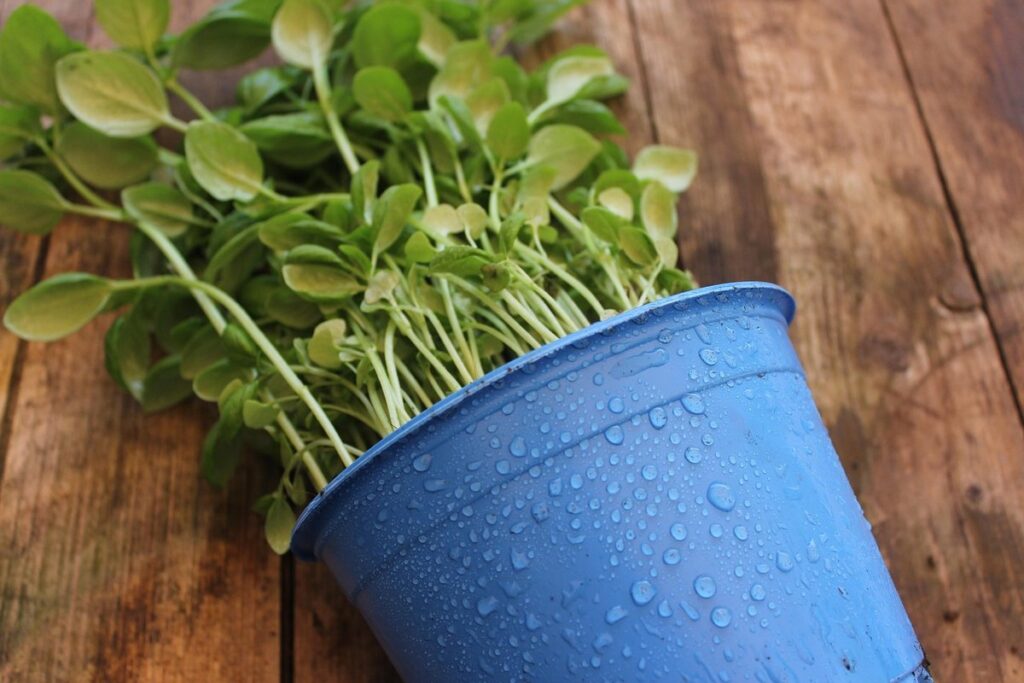
Choosing the Right Containers
When it comes to choosing the perfect herbs for container gardening, selecting the right containers is just as important. Let’s dive into what you need to consider when picking your herb containers.
Considering Space and Lighting
When it comes to choosing containers for herb gardening, one of the most critical factors is considering the space available and providing sufficient light for herbs to thrive. Herbs like basil and mint can grow quite tall, so make sure you have enough clearance between containers or near windowsills.
If you’re short on space, look for compact or dwarf varieties that can do well in smaller pots. For example, Thai basil is a popular choice for container gardening due to its bushy growth habit. Consider vertical gardening options like trellises or wall-mounted planters to maximize space and keep your herbs organized.
Lighting is also crucial for herb plants. Most herbs require at least 4-6 hours of direct sunlight per day. If you’re growing in a shaded area, choose varieties that can tolerate low light conditions, such as parsley or cilantro. Remember to select containers with good drainage, like terracotta pots or self-watering planters, to prevent waterlogged soil and root rot. By choosing the right container for your space and lighting needs, you’ll be well on your way to a thriving herb garden.
Selecting the Perfect Herb Mix
When it comes to container gardening, selecting the perfect herb mix can make all the difference. Not only do pre-mixed herbs save time and effort, but they also ensure a balanced blend of flavors and textures. If you’re new to container gardening or looking for a hassle-free option, consider using a popular herb mix specifically designed for containers.
Some top picks include ‘Italian Seasoning’ blends, which typically combine oregano, basil, thyme, rosemary, and marjoram for a classic Italian flavor profile. ‘French Herb Mixes’, on the other hand, often feature parsley, chives, tarragon, and dill for a fresh, French-inspired taste.
For beginners, a simple ‘Basil Blend’ or ‘Herb Garden Mix’ can provide a solid foundation for your container garden. These mixes usually include a mix of easy-to-grow herbs like basil, mint, cilantro, and parsley.
When selecting an herb mix, consider the climate, soil type, and amount of sunlight your containers will receive. Some herb mixes are specifically designed for full sun or partial shade, so make sure to choose one that suits your garden’s conditions.
Popular Herbs for Container Gardening
When it comes to container gardening, certain herbs thrive in these compact spaces. Here, we’ll explore some of the most popular and easy-to-grow herbs perfect for your containers.
Easy-to-Grow Herbs for Beginners
When it comes to container gardening, some herbs are easier to grow than others. If you’re new to herb gardening, consider starting with hardy varieties that thrive in containers. Basil, mint, and rosemary are excellent choices for beginners.
Basil is a popular choice for container gardens because it’s easy to care for and can be grown indoors or outdoors. To keep your basil healthy, make sure to water it regularly, but avoid overwatering, which can lead to root rot. Prune your basil regularly to encourage new growth and prevent it from flowering.
Mint is another hardy herb that grows well in containers. It’s a low-maintenance plant that can thrive in partial shade and requires minimal watering. To keep mint under control, be sure to prune it frequently, as it has a tendency to spread quickly. You can also grow mint in a hanging basket or container with good drainage to prevent root rot.
Rosemary is a drought-tolerant herb that grows well in containers with good drainage. Water it sparingly and fertilize regularly to promote healthy growth. Prune your rosemary plant frequently to encourage new growth and prevent it from becoming leggy. With proper care, these herbs will thrive in your container garden, adding fresh flavor to your cooking.
Fragrant Herbs for Culinary Delights
When it comes to fragrant herbs that add depth and excitement to various dishes, there are few better options than thyme, oregano, and lemon balm. These three herbs are not only easy to grow in containers but also pair well with a wide range of ingredients.
To start with thyme, this hardy herb requires minimal care and can thrive in well-drained soil with plenty of sunlight. It’s perfect for soups, stews, and roasted meats. To use it in your cooking, simply add a few sprigs to the dish towards the end of cooking time to preserve its flavor.
Oregano, on the other hand, is a popular choice for Mediterranean cuisine. It requires slightly more care than thyme but still grows well in containers with partial shade and moist soil. Use oregano to add a pungent flavor to pasta dishes, salads, and pizza sauces.
Lemon balm, with its citrusy scent, is perfect for adding a bright and refreshing touch to desserts like sorbet or lemon bars. It prefers moist soil and partial shade but can tolerate full sun if provided with adequate water. Simply chop fresh leaves over your dessert before serving for an instant flavor boost.
Growing Conditions for Herb Containers
To get the most out of your herb containers, it’s essential to understand the specific growing conditions required by each type of herb. Let’s dive into the ideal environments for some popular container herbs.
Understanding Soil pH and Nutrients
When growing herbs in containers, understanding soil pH and nutrient requirements is crucial for optimal plant growth. Soil pH refers to its acidity or alkalinity level, measured on a scale of 0-14, with 7 being neutral.
Most herb plants prefer slightly acidic to neutral soil pH, ranging from 6.0 to 7.0. For example, basil and mint thrive in slightly acidic conditions (pH 6.0-6.5), while rosemary and thyme prefer a more alkaline environment (pH 7.0-8.0). To ensure your herb plants’ optimal growth, choose potting mixes specifically designed for container gardens with a suitable pH level.
In addition to pH, consider the nutrient profile of your potting mix. A balanced fertilizer with essential nutrients like nitrogen, phosphorus, and potassium will provide herbs with the necessary building blocks for healthy growth. Look for potting mixes containing organic matter like peat moss or compost, which help retain moisture and suppress weeds.
When selecting a potting mix, check the label for recommended pH levels and nutrient content to ensure it meets your herb plant’s needs. Some popular potting mixes designed specifically for container gardens include Miracle-Gro and Espoma Organic Potting Mix.
Temperature and Humidity Control
When it comes to container gardening with herbs, temperature and humidity control are crucial factors that can make or break the success of your harvest. Different herbs have unique requirements when it comes to these conditions, so let’s take a closer look.
Most herbs thrive in temperatures between 65°F (18°C) and 75°F (24°C). Basil, mint, and lemongrass, for example, love warmer temperatures above 70°F (21°C), while delicate herbs like parsley and cilantro prefer slightly cooler conditions. If your container garden is exposed to direct sunlight, be mindful of temperature fluctuations, especially during the hottest summer months.
To maintain ideal humidity levels, make sure to water your herbs regularly, but avoid overwatering. A general rule of thumb is to check the soil moisture by inserting a finger into the soil up to the knuckle; if it feels dry, it’s time for watering. Mulching around the plants can also help retain moisture and regulate temperature extremes.
During extreme weather periods, consider providing shade or using shade cloth to protect your herbs from intense heat. Regular pruning and harvesting will also encourage healthy growth and prevent stress on the plants. By being mindful of these conditions, you’ll be well on your way to growing a thriving container garden full of fragrant, fresh herbs all season long.
Tips for Maintaining Healthy Herb Containers
Now that you’ve chosen your favorite herbs, let’s talk about how to keep them thriving in their containers by maintaining good air circulation and water balance.
Watering Strategies for Container Herbs
Watering Strategies for Container Herbs can be quite different from traditional soil-based gardens. This is because container-grown herbs dry out quickly due to their exposed roots and limited water-holding capacity.
To combat this, establish a consistent watering schedule that takes into account the specific herb variety and weather conditions. For example, basil requires more frequent watering than mint, which can survive with less moisture. Generally, check your soil daily by inserting your finger into the soil up to the knuckle; if it feels dry, it’s time for a drink.
Consider investing in a drip irrigation system or soaker hose to deliver water directly to the roots of your herbs while minimizing evaporation and runoff. These systems can help prevent overwatering, which is common when using traditional watering cans. You should also monitor your herb container’s drainage holes to ensure that excess water isn’t accumulating at the base of the pot.
By adopting these strategies, you’ll be able to keep your herb containers happy and thriving throughout the growing season.
Pruning and Harvesting Techniques
To keep your herb containers thriving, it’s essential to practice regular pruning and harvesting. Pruning not only promotes bushy growth but also prevents herbs from becoming leggy and weak. To prune effectively, remove the top sets of leaves on tall-growing herbs like rosemary and thyme, encouraging them to branch outwards. For shorter herbs like basil and mint, pinch off flower buds to direct energy towards leaf production.
When it comes to harvesting, timing is everything. Regular pinching encourages continuous growth and prevents herbs from flowering prematurely. Harvest leaves in the morning after the dew has dried, as this minimizes moisture loss and helps preserve flavor and aroma. To maximize yields, harvest individual sprigs or leaves instead of cutting back the entire plant at once.
To propagate new plants from your existing ones, take 2-3 inch stem cuttings with a small amount of leaf attached. Remove lower leaves, dip in rooting hormone powder, and plant in well-draining potting mix. Keep soil consistently moist but not waterlogged until roots develop.
Troubleshooting Common Issues
Even the most seasoned gardeners encounter problems when growing herbs in containers, but don’t worry, we’ve got some solutions to common issues you might be facing.
Identifying Pests and Diseases
When growing herbs in containers, it’s not uncommon to encounter pests and diseases that can damage your plants. Aphids, whiteflies, and spider mites are common culprits when it comes to herb gardens. These tiny insects feed on sap, weakening the plant and causing curled or distorted leaves. Regularly inspect your plants for signs of infestation, such as sticky honeydew droplets or actual insects.
To prevent pests, ensure good air circulation around your containers by keeping them at least 6-8 inches apart. You can also use neem oil or insecticidal soap to control infestations. For more severe cases, introduce natural predators like ladybugs or lacewings.
Diseases like root rot and powdery mildew can be just as destructive. Root rot is often caused by overwatering or poor drainage, while powdery mildew thrives in humid conditions. To prevent root rot, use well-draining potting mix and avoid getting water on the leaves. For powdery mildew, improve air circulation and reduce watering. Regularly inspect your plants’ roots and stems for signs of disease, and take action promptly to prevent its spread.
Addressing Nutrient Deficiencies
When growing herbs in containers, it’s not uncommon to encounter nutrient deficiencies. These can be caused by a variety of factors, including poor soil quality, inadequate fertilization, and insufficient light. As an herb gardener, it’s essential to recognize the signs of nutrient deficiencies to take corrective measures.
Some common signs include yellowing or pale leaves, stunted growth, and reduced yields. For instance, if your basil plants are developing yellow tips on their leaves, it could indicate a nitrogen deficiency. Similarly, if your rosemary is struggling with slow growth, it might be lacking in magnesium.
To diagnose the issue, inspect your herb plants regularly for any visible symptoms. Test your soil pH levels to ensure they’re within the optimal range for your herbs. Based on your findings, choose the right fertilizer for your herb garden. For example, if you’ve determined that your plants are low in nitrogen, use a balanced fertilizer with an N-P-K ratio of 20-20-20.
By recognizing and addressing nutrient deficiencies promptly, you can ensure your container-grown herbs receive the necessary nutrients to thrive.
Conclusion
In conclusion, container gardening is an excellent way to grow your favorite herbs, regardless of the space constraints you may have. With the right selection of herbs and proper care, you can enjoy fresh flavors and aromas all year round. By considering factors such as sunlight, watering needs, and growth habits, you can create a thriving herb garden in containers that will bring joy and freshness to your cooking.
To ensure continued success, remember to rotate your containers every few weeks to maintain even growth and prevent overcrowding. Regular pruning and harvesting will also keep your herbs healthy and productive. With these simple tips, you’ll be enjoying the best of container gardening with a variety of delicious herbs right at your fingertips!
Frequently Asked Questions
Can I use any type of pot for container gardening?
Yes, you can use a variety of pots for container gardening, but consider using ones with good drainage holes to prevent waterlogged soil. Also, make sure the pots are at least 5-7 gallons in size for most herbs to have enough room to grow.
How do I ensure my herb containers get sufficient light?
If your space is limited, consider placing containers near south-facing windows or under grow lights. For larger spaces, arrange containers to maximize sunlight exposure and maintain a distance of about 12 inches between them to prevent overcrowding and promote healthy growth.
What’s the best way to water herbs in containers?
Water herbs when the top inch of soil feels dry to the touch. Water thoroughly, allowing excess water to drain from the pot. To avoid overwatering, check the moisture level regularly and adjust your watering schedule accordingly.
Can I grow multiple types of herbs together in one container?
Yes, you can grow multiple herb types together, but choose complementary herbs with similar growing requirements. For example, pair mint with basil or rosemary with thyme. However, avoid planting strong-smelling herbs like garlic near other plants to prevent flavor contamination and potential pest issues.
How often should I prune my container-grown herbs?
Prune your container-grown herbs regularly to promote bushy growth and encourage new leaf production. For most herbs, prune back about 1/3 of the foliage every week or two, depending on growth rates and desired harvest quantities.