
As you tend to your garden this season, have you ever stopped to think about who might be visiting your blooms? Bees, butterflies, and other beneficial insects are essential pollinators that play a vital role in our ecosystem, but their numbers have been declining due to habitat loss and pesticide use. By creating a garden that attracts these important visitors, not only will you be supporting local conservation efforts, but you’ll also enjoy a colorful display of flowers all summer long. In this article, we’ll explore the best flowers for pollinators, from sun-kissed wildflowers to fragrant herbs and vibrant annuals. We’ll cover everything you need to know to create a pollinator-friendly garden that’s both beautiful and beneficial for the environment.
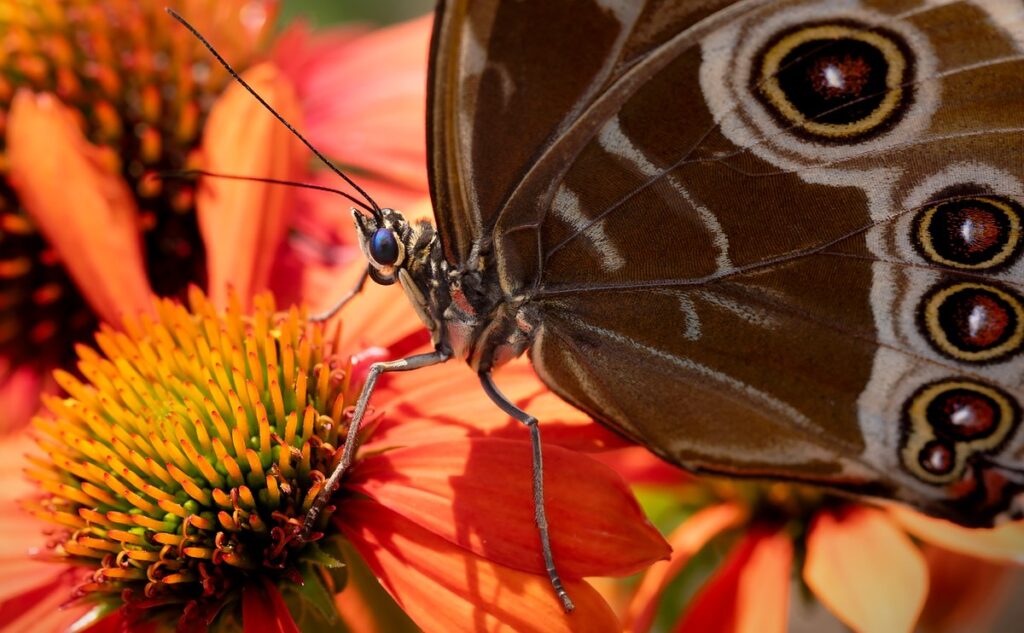
Understanding the Importance of Pollinator-Friendly Flowers
Pollinators need our help, and planting pollinator-friendly flowers is a simple yet effective way to make a difference in their survival. Let’s explore why this matters for these vital creatures.
What Do Pollinators Need in a Flower?
When it comes to choosing flowers that will attract pollinators like bees and butterflies, there are certain characteristics that these beneficial insects look for. One of the most important things is nectar-rich blooms. Bees, in particular, need a reliable source of nectar to sustain themselves as they go about their business, and they can tell when a flower has an abundance of this sweet liquid.
In fact, research has shown that bees are attracted to flowers with high nectar concentrations, often referred to as “nectar-rich” or “high-energy” blooms. These types of flowers tend to have larger, more prominent petals, which make it easier for the bee to access the nectar deep within the flower. On the other hand, accessible pollen is also crucial for pollinators.
For example, sunflowers are a great choice because their large, bright yellow petals make it easy for bees to land and access both the nectar and pollen within the flower’s center. By choosing flowers that meet these basic needs, you can create a welcoming environment for pollinators in your garden or yard.
Common Challenges Facing Pollinators Today
Pollinators are facing unprecedented challenges that threaten their very existence. Habitat loss and fragmentation have reduced the availability of flowers and food sources for pollinators, making it harder for them to survive. Pesticides, particularly neonicotinoids, have been linked to bee deaths and colony decline. Climate change is altering the timing of plant-pollinator interactions, disrupting the delicate balance between species.
These issues are not just limited to bees; butterflies, moths, and other pollinators are also struggling. In fact, it’s estimated that 40% of insect species are at risk of extinction due to these pressures. This is a wake-up call for gardeners and homeowners to take action. By creating pollinator-friendly habitats in our gardens, we can provide a haven for these vital creatures.
Here are some practical steps you can take:
* Plant a diverse range of flowers that bloom throughout the growing season
* Choose native plants, which require less maintenance and resources
* Avoid using pesticides, opting instead for integrated pest management techniques
* Provide a source of water for pollinators in your garden
Choosing the Right Flowers for Your Garden
When selecting flowers for your garden, it’s essential to choose varieties that will attract pollinators, such as bees and butterflies, that need them most. In this section, we’ll explore some top picks.
Native Wildflowers: A Natural Fit for Local Pollinators
When it comes to attracting pollinators like bees and butterflies to your garden, choosing flowers that are native to your region is a natural fit. Native wildflowers have co-evolved with local pollinators over thousands of years, developing a unique relationship that benefits both parties.
These plants are often more attractive to pollinators than non-native species because they produce nectar in the right amounts and at the right time for local bees and butterflies. They also require less maintenance, as they’re adapted to your region’s climate and soil conditions. By planting native wildflowers, you’ll create a welcoming environment that encourages pollinators to stay and thrive.
Consider adding plants like coneflower (Echinacea spp.), black-eyed Susan (Rudbeckia hirta), or butterfly milkweed (Asclepias tuberosa) to your garden. These flowers are not only beautiful, but they’ll also provide a vital source of food for local pollinators. To get started, research which native wildflowers grow best in your area and plant them alongside other pollinator-friendly blooms for maximum impact. By making this simple switch, you’ll be well on your way to creating a haven that supports the health and well-being of these crucial insects.
Colorful Blooms for Bees and Butterflies
When it comes to creating a pollinator-friendly garden, colorful blooms are a must. Bees and butterflies are drawn to flowers that offer a rich source of nectar and pollen, so incorporating a mix of vibrant, nectar-rich flowers is essential. Some standout options include coral bells (Heuchera sanguinea), with its delicate, bell-shaped flowers in shades of pink and red; lantana (Lantana camara), which produces clusters of small, fragrant blooms in a range of colors; and cosmos (Cosmos bipinnatus), boasting large, daisy-like flowers in white, pink, and red. These flowers are not only visually stunning but also provide the necessary nutrients for pollinators to thrive.
When choosing colorful blooms, consider planting a variety that will bloom at different times throughout the growing season. This ensures a constant source of nectar and pollen for bees and butterflies, even when other flowers may be out of bloom. Some other tips include:
* Planting a mix of annuals and perennials to provide year-round interest
* Incorporating native plants that are specific to your region
* Choosing single-petaled flowers over double-petaled varieties, which can make it more difficult for pollinators to access nectar
Flower Families and Their Pollinator Preferences
When it comes to attracting bees and butterflies, understanding which flower families are their favorites is key. We’ll break down some popular options that will draw in these beneficial pollinators to your garden.
Sunflowers: A Bright Choice for Large Pollinators
When it comes to large pollinators like bees and butterflies, sunflowers are an excellent choice. These towering flowers boast huge blooms that provide a feast of nectar for these beneficial visitors. Their bright yellow petals, often with dark centers, create a stunning visual display that’s hard to miss.
One reason sunflowers are so appealing to larger pollinators is their sheer size. Bees and butterflies can easily land on the large petals and access the abundant nectar, making them an efficient source of energy for these busy visitors. In fact, a single sunflower bloom can contain up to 2 inches (5 cm) of nectar, providing a rich reward for pollinators.
To attract larger pollinators like bees and butterflies to your garden, consider planting sunflowers in clusters or groups. This will create a sunny spot that’s perfect for these visitors to feed and socialize. Plus, their tall stalks can provide a natural support structure for other flowers, creating a diverse and thriving ecosystem.
Daisies and Aster: Favorites Among Small Pollinators
When it comes to attracting small pollinators like solitary bees and hoverflies, daisy-like flowers are often a hit. These tiny creatures have evolved over time to thrive on the nectar of certain flower families, including the daisies (Asteraceae) and asters themselves. The reason for this preference lies in the unique shape and structure of these flowers.
For example, the simple yet striking blooms of the daisy family feature large, central disks surrounded by clusters of smaller florets. This design creates a ‘landing strip’ effect that invites solitary bees and hoverflies to come and collect nectar. The tube-shaped flowers also provide an ideal platform for their long tongues to reach in and feed.
In your garden or meadow, consider planting daisy-like flowers such as cosmos, zinnias, and marigolds to attract these small pollinators. Not only will you be providing them with a valuable source of food, but you’ll also be supporting the local ecosystem by allowing them to thrive. Remember, it’s all about variety – mix different daisy-like flowers together to create a ‘pollinator hotel’ that offers something for everyone.
Incorporating Herbs into Your Pollinator Garden
When it comes to incorporating herbs into your pollinator garden, consider adding fragrant plants like mint, oregano, and lavender that also attract pollinators. These easy-to-grow herbs can add a lovely layer of complexity to your garden.
Lavender: A Low-Maintenance Favorite for Bees and Butterflies
Lavender is an excellent choice for pollinator gardens due to its attractive properties and low-maintenance requirements. This fragrant herb provides a long blooming season, typically from mid-summer through fall, which benefits bees and butterflies seeking nectar-rich flowers during this period.
One of the key advantages of incorporating lavender into your garden is its ability to attract pollinators. Bees are particularly drawn to the tubular shape of lavender’s purple flowers, which allow for easy access to their nectar. This makes lavender a valuable addition to gardens designed to support solitary bees and honeybees alike.
To incorporate lavender effectively in your pollinator garden:
* Choose varieties like ‘Hidcote’ or ‘Munstead’, known for their compact growth and prolific blooming.
* Plant multiple stems together to create a lush, fragrant display that attracts pollinators from a distance.
* Pair lavender with other pollinator-friendly herbs like rosemary and thyme to create a diverse, attractive landscape.
By adding lavender to your garden, you’ll not only enhance its visual appeal but also support the well-being of these essential pollinators.
Mint and Basil: Cool-Season Options for Pollinators
Mint and basil are two of the most popular cool-season herbs that can provide a welcome source of nectar and pollen during spring and fall. These plants thrive in temperate climates with moderate temperatures between 40°F to 70°F (4°C to 21°C). As they grow rapidly, mint and basil produce an abundance of small, fragrant flowers that are rich in nectar and pollen.
Beekeepers and gardeners alike love these herbs because they bloom at a time when many other plants are dormant. In fact, studies have shown that basil can attract up to 15% more pollinators than other popular herbs like rosemary and thyme. To incorporate mint and basil into your pollinator garden, simply plant them in a sunny spot with well-draining soil and adequate moisture. Prune the plants regularly to encourage bushy growth and promote blooming.
Some popular varieties of mint and basil that are perfect for attracting pollinators include peppermint (Mentha piperita), spearmint (Mentha spicata), sweet basil (Ocimum basilicum), and Thai basil (Ocimum basilicum var. thyrsiflora).
Creating a Pollinator-Friendly Landscape
To create a pollinator-friendly landscape, you’ll want to focus on incorporating flowers that are rich in nectar and pollen, providing a constant source of sustenance for bees and butterflies. This section provides tips on how to get started.
Designing Your Garden with Pollinators in Mind
When designing your garden with pollinators in mind, it’s essential to provide a diverse array of flowers that cater to different species’ needs. A mix of flower shapes and sizes will attract various types of pollinators, such as bees and butterflies. For instance, long-tongued bees like bumblebees can reach into deep, trumpet-shaped flowers like honeysuckle or fuchsia, while smaller pollinators prefer shallow, open-faced blooms like zinnias or marigolds.
To incorporate a variety of bloom times in your garden, plant flowers that bloom at different seasons. This will ensure that there is always something in bloom for the pollinators to feed on. For example, in the spring, consider planting crocuses or grape hyacinth, which provide early-season nectar sources. In the summer, add perennials like coneflower or black-eyed Susan, and in the fall, plant asters or goldenrod.
Remember to choose flowers that are native to your region, as these will be more attractive to local pollinators and require less maintenance.
Avoiding Common Mistakes: What Not to Do When Planting for Pollinators
When creating a pollinator-friendly landscape, it’s essential to avoid common mistakes that can harm these crucial creatures. One of the most significant pitfalls is the use of pesticides. Not only do they eliminate the very insects you’re trying to attract, but they also have long-lasting effects on the ecosystem.
Planting non-native species is another mistake to steer clear of. These plants may bloom profusely and seem like a great choice, but they often lack the necessary relationships with local pollinators. They may not provide the right food or shelter, leading to reduced biodiversity in your garden.
Here are some specific mistakes to watch out for:
* Planting invasive species that can crowd out native plants and harm local ecosystems
* Using systemic pesticides that seep into plant tissues and poison beneficial insects
* Ignoring the needs of different pollinator groups, such as bees, butterflies, or hummingbirds
By being mindful of these common pitfalls, you’ll be well on your way to creating a thriving pollinator-friendly landscape.
Supporting Local Pollinator Conservation Efforts
You can make a real difference by supporting local pollinator conservation efforts, and one simple way to do so is by planting bee-friendly flowers in your garden.
Partnering with Your Community: Collaborative Approaches to Pollinator Conservation
When it comes to pollinator conservation, community involvement is crucial for long-term success. By partnering with local organizations and government agencies, gardeners can amplify their impact and create a ripple effect of positive change. For instance, the Pollinator Partnership, a non-profit organization, has successfully collaborated with gardening clubs, schools, and municipal governments to establish pollinator-friendly habitats in public spaces.
In Oregon’s Willamette Valley, a coalition of farmers, gardeners, and conservationists worked together to create a “Pollinator Corridor” – a network of pollinator-friendly areas that provide vital resources for bees and butterflies. By sharing knowledge, resources, and expertise, this collaborative effort has resulted in significant improvements in local pollinator populations.
To replicate such successes, consider reaching out to your local community garden or park department to explore opportunities for partnership. You can also join forces with fellow gardeners and neighbors to establish a pollinator-friendly neighborhood network. By embracing collaborative approaches, you’ll not only attract more bees and butterflies to your garden but contribute to a broader conservation effort that will have far-reaching benefits.
Getting Involved: Volunteering for Pollinator Conservation Initiatives
Getting involved in pollinator conservation efforts is easier than you think. As you learn more about the best flowers for pollinators, consider taking it a step further by contributing to local initiatives that protect and preserve these vital ecosystems.
Start by researching organizations in your area focused on pollinator conservation. The Xerces Society, Pollinator Partnership, and Bee Conservancy are just a few examples of national groups with local chapters or programs. You can also search online for community gardens, parks, or wildlife refuges that offer volunteer opportunities.
Some ways to get involved include:
* Planting pollinator-friendly flowers in your own garden, and encouraging neighbors and friends to do the same
* Joining a local beekeeping association or participating in a citizen science project to monitor and track pollinator populations
* Volunteering for events like plant sales, workshops, or advocacy campaigns that raise awareness about pollinator conservation
* Supporting policies and legislation that protect pollinators by contacting your representatives or participating in public hearings
Frequently Asked Questions
Can I plant pollinator-friendly flowers in containers?
Yes, you can definitely plant pollinator-friendly flowers in containers to create a mini-garden that attracts beneficial insects. Just make sure the containers have good drainage and are at least 6-8 inches deep to accommodate the roots of larger plants like sunflowers or lavender. This is a great option for small spaces or balconies.
How do I know if my local flowers will attract pollinators?
To determine which flowers in your area attract pollinators, observe the types of insects that visit your garden and note the specific flowers they’re attracted to. You can also consult with local gardening experts, nurseries, or online resources like the USDA Plant Hardiness Zone Map to identify native wildflowers and other plants that are likely to attract pollinators.
Can I use pesticides in my garden if I’m trying to attract pollinators?
No, using pesticides in your garden is not compatible with creating a pollinator-friendly space. These chemicals can harm or kill beneficial insects, so it’s essential to adopt integrated pest management (IPM) strategies that prioritize natural methods of controlling pests and diseases.
How often should I water my pollinator garden?
Watering frequency will depend on the specific plants you’ve chosen and the climate in your area. As a general rule, pollinator-friendly flowers prefer moist soil but can tolerate some drought. Water deeply once or twice a week during hot summer months, but avoid overwatering, which can lead to root rot and other problems.
Can I incorporate flowers into my existing garden design?
Yes, incorporating pollinator-friendly flowers into your existing garden design is a great way to create a more sustainable and biodiverse space. Consider adding native wildflowers or low-maintenance plants like lavender or daisies to your borders or beds, and choose varieties that fit your climate and soil type.