
When it comes to creating a thriving garden, the quality of your soil is crucial. But did you know that adding the right compost can make all the difference? A good compost can boost nutrient levels, improve soil structure, and even help retain moisture – but not all composts are created equal. With so many options on the market, from eco-friendly blends to nutrient-rich mixes, it’s hard to know where to start. In this ultimate guide, we’ll break down the best compost for garden soil, covering everything from effective application methods to sustainable options that won’t harm the environment. Whether you’re a seasoned gardener or just starting out, this article will help you choose the perfect compost for your unique needs and watch your plants flourish.
Choosing the Right Compost Type
When it comes to adding compost to your garden soil, choosing the right type is crucial for optimal results. Let’s explore the different types of compost available.
Organic Composts vs. Synthetic Fertilizers
When it comes to choosing the right compost type for your garden soil, one of the most crucial decisions you’ll make is between organic compost and synthetic fertilizers. While synthetic fertilizers may seem like a quick fix to address nutrient deficiencies, they can have long-term consequences on the health of your soil.
Organic composts, on the other hand, are made from natural materials such as food waste, leaves, and grass clippings. These materials are rich in nutrients and microorganisms that help to break down organic matter and improve soil structure. By choosing organic compost, you’re not only providing essential nutrients for your plants but also building a healthy ecosystem in your garden.
One of the key benefits of organic compost is its ability to sequester carbon, reducing greenhouse gas emissions and mitigating climate change. In contrast, synthetic fertilizers can actually contribute to soil degradation and pollution. By opting for organic compost, you’re taking a step towards creating a more sustainable and environmentally friendly gardening practice.
In practical terms, look for composts that are labeled as “organic” or “natural,” and made from locally sourced materials whenever possible. This will ensure that your chosen compost is free from chemicals and artificial additives, and instead contains the beneficial microorganisms and nutrients your garden needs to thrive.
Understanding Compost Materials
When it comes to making compost, the type of materials you use is crucial for creating high-quality soil. The good news is that you can compost a wide range of organic matter, including food scraps, yard waste, and other household items.
Start by collecting food scraps like fruit and vegetable peels, eggshells, and tea bags. These will add valuable nutrients to your compost pile. You can also include bread, grains, and cereals, but avoid adding meat, dairy products, or oily foods as they can attract pests and create unpleasant odors.
Yard waste is another essential component of composting. Leaves, grass clippings, and branches are all great additions. Just be sure to shred large pieces into smaller bits to speed up decomposition. Other materials like coffee grounds, hair, and wool can also be used, but in moderation as they can make the pile too dense.
Remember to maintain a balanced mix of “green” (nitrogen-rich) and “brown” (carbon-rich) materials to ensure efficient composting. Aim for a ratio of 2/3 brown materials and 1/3 green materials to create an optimal environment for microorganisms to thrive.
Eco-Friendly Composts for a Sustainable Garden
When it comes to maintaining a sustainable garden, choosing eco-friendly compost options is essential. One of the most environmentally responsible choices is worm castings, also known as vermicompost. These nutrient-rich composts are created by worms breaking down organic matter, resulting in a highly concentrated fertilizer that promotes healthy plant growth.
Another option is compost tea, which involves steeping mature compost in water to create a liquid solution. This process extracts beneficial microbes from the compost, making it easier for plants to absorb them. Compost tea can be applied as a foliar spray or added directly to the soil, providing an instant boost of nutrients and beneficial microorganisms.
Bokashi compost is another sustainable choice that’s gaining popularity among gardeners. Made from fermented food waste, bokashi compost adds essential micronutrients and beneficial microbes to the soil while reducing greenhouse gas emissions. By incorporating these eco-friendly compost options into your gardening routine, you’ll not only improve your soil health but also contribute to a more environmentally conscious gardening practice.
Compost Ingredients: What Works Best for Your Soil Type
When creating a compost mix, understanding what ingredients work best for your soil type is crucial to avoid overloading it with excess nutrients. We’ll break down which materials thrive in different soil conditions.
Understanding pH Levels in Compost
Composting is an art that requires attention to detail, and pH levels are one of the most critical aspects to consider. The ideal pH range for compost is between 6.5 and 7.5, as it ensures optimal microbial activity and nutrient availability. However, if your compost has a pH level outside this range, it can lead to soil imbalances.
For example, if your compost has a high pH (above 8), it may contain too much alkalinity, which can cause nutrient deficiencies in plants. On the other hand, if it’s too acidic (below 5.5), it can lead to over-acidification of the soil, causing plant stress and potentially killing beneficial microbes.
To balance your compost’s pH levels, you can add ingredients like peat moss or elemental sulfur to lower pH, or oyster shells or dolomitic limestone to raise it. Aim for a balanced mix by testing your compost regularly and adjusting as needed.
Here are some general guidelines to follow:
* Test your compost every 2-3 weeks to monitor its pH levels.
* Aerate your compost pile regularly to prevent anaerobic conditions, which can contribute to pH imbalances.
* Add a 1:10 ratio of brown materials (like straw or peat moss) to green materials (like kitchen scraps or grass clippings) to maintain a balanced carbon-to-nitrogen ratio and promote healthy microbial activity.
Nutrient-Rich Composts for Vegetable Gardens
When it comes to creating a thriving vegetable garden, using nutrient-rich composts specifically designed for this purpose is crucial. These high-nitrogen options provide the essential nutrients that vegetables need to grow strong and healthy.
Look for composts that contain a balanced mix of nitrogen, phosphorus, and potassium (NPK). A good ratio is around 10-20% nitrogen, 5-15% phosphorus, and 5-10% potassium. These nutrients will promote leafy growth, fruiting, and root development in your vegetables.
Some popular nutrient-rich compost options include fish emulsion, bone meal, and blood meal. Fish emulsion provides a boost of nitrogen and micronutrients, while bone meal is high in phosphorus and calcium. Blood meal, made from dried animal blood, is rich in nitrogen and iron.
When selecting a nutrient-rich compost for your vegetable garden, consider the specific needs of each crop. For example, tomatoes love potassium-rich composts to promote fruiting, while leafy greens prefer nitrogen-rich options to encourage healthy growth.
Soil Conditioners: How to Improve Soil Structure
Soil conditioners play a vital role in improving soil structure and fertility. By incorporating these products into your compost recipe, you can enhance the overall health of your garden soil. Effective soil conditioners help to break down clay particles, improve drainage, and increase the water-holding capacity of the soil.
Some popular options for soil conditioners include worm castings, green sand, and alfalfa meal. Worm castings, in particular, are an excellent choice due to their high nutrient content and ability to improve soil structure. Green sand, on the other hand, helps to break down clay particles and improve drainage, while alfalfa meal adds essential micronutrients to the soil.
To use these products effectively, simply incorporate them into your compost pile at a rate of 10-20%. Be sure to mix them thoroughly with other ingredients to avoid creating hotspots in the compost. With regular use, you can expect to see improvements in soil structure and fertility within a matter of weeks. By combining soil conditioners with a balanced compost recipe, you’ll be well on your way to achieving optimal garden health.
Composting Methods: A Guide for Home Gardeners
Now that you’ve got your composting basics down, let’s dive into the various methods to create nutrient-rich soil for your garden, from hot to cold. We’ll explore them all here.
Backyard Composting 101
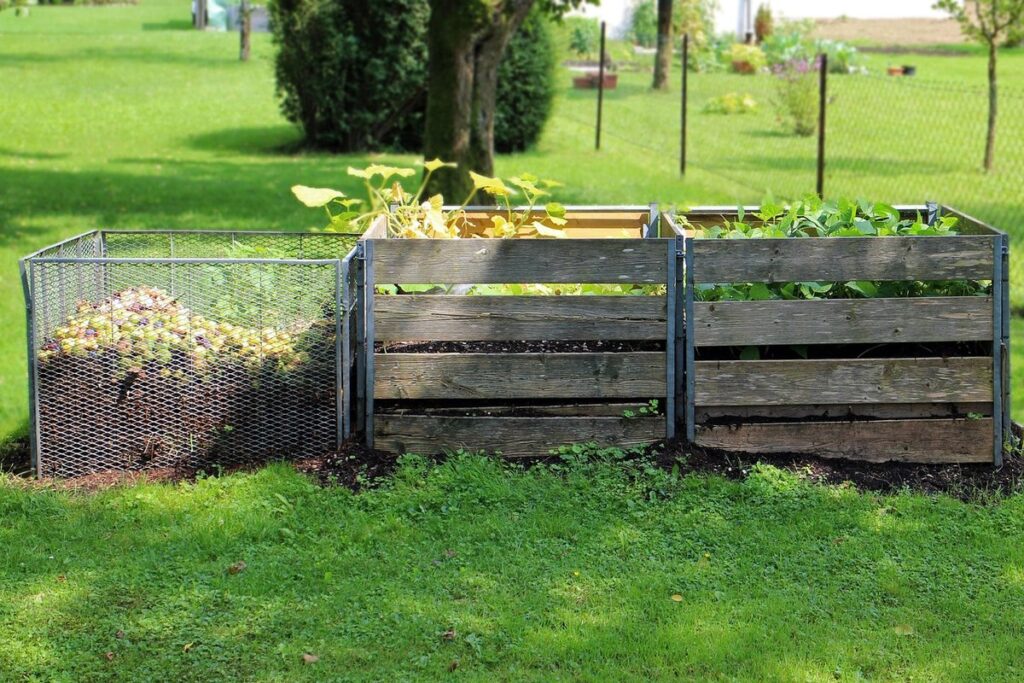
Starting a backyard composting program is an excellent way to create nutrient-rich soil for your garden while reducing household waste. To get started, you’ll need to set up a compost bin, which can be as simple as a wire mesh enclosure or as elaborate as a large wooden structure. Consider the size and location of your bin, keeping it accessible and well-ventilated to promote airflow and speed decomposition.
Next, choose the right materials for your compost pile. Aim for a mix of 2/3 “brown” materials (dried leaves, twigs, shredded newspaper) and 1/3 “green” materials (fresh grass clippings, vegetable scraps). Avoid adding meat, dairy, or oily foods as they can attract pests and create unpleasant odors.
Maintaining optimal conditions is key to successful composting. Aim for a moisture level like a damp sponge, ensuring the pile stays consistently moist but not waterlogged. Regularly turning your compost will also help speed up the decomposition process and prevent matting. With these basics in mind, you’ll be well on your way to creating nutrient-rich compost perfect for enriching your garden soil.
Vermicomposting: The Benefits of Worm Composting
Vermicomposting is an efficient and eco-friendly method of composting that involves using worms to break down food waste into nutrient-rich soil. By harnessing the power of red wiggler worms, you can create a high-quality compost that’s perfect for improving garden soil structure and fertility.
The benefits of vermicomposting are numerous. Not only does it reduce household waste, but it also produces a superior compost compared to traditional methods. Worm compost is rich in nitrogen, phosphorus, and potassium, making it an excellent fertilizer for plants. This method is also highly efficient, as worms can process up to 1 pound of food waste per day.
To set up a vermicomposting system, you’ll need a worm bin with adequate ventilation and moisture control. Add a mix of bedding materials like coconut coir or shredded newspaper, followed by layers of food scraps and worm castings. Maintain the right pH level (between 6.5-7.5) and keep the bin moist but not waterlogged. With proper care, your worm compost will be ready in as little as 2-3 months, providing you with a valuable resource for improving your garden soil’s health and fertility.
Bokashi Composting: Fermenting Organic Matter
Bokashi composting is an alternative approach to traditional composting methods that uses fermentation to break down organic matter. This process involves adding microorganisms to the waste, which feed on the materials and produce carbon dioxide, hydrogen gas, and other compounds. As a result, the organic matter is transformed into a nutrient-rich liquid fertilizer.
One of the key benefits of bokashi composting is its ability to handle high levels of nitrogen in food waste. This makes it an excellent option for households that generate a lot of kitchen scraps. The process typically takes 1-2 weeks, after which the fermented mixture can be buried underground or added to regular compost piles.
To get started with bokashi composting, you’ll need a bokashi bin and some microorganisms. You can purchase these online or at local gardening stores. It’s essential to follow the manufacturer’s instructions for adding materials and maintaining the correct moisture levels.
When choosing a bokashi system, consider its capacity, durability, and ease of use. Some popular options include Bokashi bins with carbon filters and those with built-in microorganism starters.
Compost Application: How to Use Compost Effectively in Your Garden
Now that you know what makes great compost, let’s talk about how to use it effectively in your garden. In this next step, we’ll explore the best ways to apply compost for optimal results.
Preparing Soil for Planting with Compost
Preparing soil with compost is a crucial step before planting to ensure healthy growth and development of your plants. When applying compost, it’s essential to mix it into the existing soil rather than just sprinkling it on top. This process allows the microorganisms present in compost to break down organic matter and improve soil structure.
To incorporate compost into your soil, start by tilling the area where you plan to plant. Then, spread a 2-3 inch layer of compost over the entire surface. Use a rake or shovel to mix it evenly throughout the soil, ensuring that it reaches a depth of about 6-8 inches. This will give your plants access to the nutrients and beneficial microbes present in the compost.
Another option is creating raised beds with a mixture of compost and topsoil. This approach allows for better drainage and aeration, which can be particularly beneficial for plants like vegetables and flowers that require extensive root growth. When using this method, make sure to layer the compost at the bottom of the bed to prevent it from washing away during watering.
Topdressing with Compost: A Quick and Easy Method
Topdressing with compost is an excellent way to give your garden a fertility boost without disrupting its existing ecosystem. This method involves spreading a thin layer of compost over the soil surface, allowing it to act as a mulch and gradually incorporate into the soil over time.
One of the key benefits of topdressing with compost is that it’s incredibly easy to do. Simply fork over the top 2-3 inches of soil, add a 1/4 inch layer of compost, and rake it in gently. You can also use this method to repair areas of your garden where soil fertility may be low.
The benefits of topdressing with compost are numerous. It improves soil structure, increases water retention, and adds essential nutrients for healthy plant growth. Additionally, it suppresses weeds by blocking light and preventing seed germination. By incorporating compost into the top layer of soil, you’re creating a healthy microclimate that encourages beneficial microbial activity.
Consider using a mix of finished compost and worm castings for optimal results. The earthworms’ digestive process breaks down organic matter into a rich, nutrient-dense liquid fertilizer.
Compost Tea: A Liquid Fertilizer for Healthy Plants
Composting tea is a liquid fertilizer that’s made by steeping compost in water. This liquid gold is packed with beneficial microbes and nutrients that can help promote healthy plant growth. To make it, you’ll need a bucket or container with a lid, some compost, and water.
First, fill the bucket about 1/4 to 1/2 with mature compost. Then, add enough water to submerge the compost completely. Stir well and let it steep for 24 hours in a cool, dark place. After the steeping process, strain the liquid and discard the solids. This is your compost tea.
As a liquid fertilizer, compost tea can be applied directly to the soil or used as a foliar spray. It’s especially useful for seedlings, young plants, and those that are struggling with pests or diseases. Compost tea has been shown to increase beneficial microbial populations in the soil by up to 50%, leading to improved plant growth and disease resistance.
When using compost tea, be sure to start with a small amount (about 1 quart per 100 square feet) and gradually increase as needed. This will help prevent over-fertilization and ensure your plants are receiving the right balance of nutrients.
Frequently Asked Questions
Can I use compost as a substitute for fertilizers completely?
Yes, with the right type of compost, you can reduce or eliminate synthetic fertilizers altogether. However, it’s essential to choose a high-quality compost that contains sufficient nutrients and micronutrients to support your plant’s needs.
How often should I add compost to my garden soil?
The frequency of adding compost depends on several factors, including the type of plants, soil type, and climate. A general rule of thumb is to add 2-3 inches of compost per year, either by mixing it into the topsoil or using it as a mulch.
Will using eco-friendly composts harm beneficial microorganisms in my soil?
No, many eco-friendly composts are specifically designed to promote beneficial microorganisms in your soil. Look for products that contain natural ingredients and have been certified as safe for use in organic gardening.
How can I determine if the compost I’m using is nutrient-rich enough for my garden?
To check if your compost is nutrient-rich, take a small sample and test its pH levels and nutrient content using a DIY kit or sending it to a laboratory. You can also look for certifications like OMRI (Organic Materials Review Institute) or USDA Organic.
Can I use compost tea as a substitute for regular water in my garden?
No, while compost tea is a liquid fertilizer that’s rich in beneficial microbes, it should not be used as a direct substitute for regular water. Instead, use it as a supplement to your watering schedule, diluting it according to the manufacturer’s instructions and applying it at a rate of 1-2% concentration.