
Pink Muhly Grass: A Game-Changer for Eco-Friendly Gardening
Are you looking for a low-maintenance, high-impact addition to your garden? Look no further than pink muhly grass! This stunning ornamental grass is not only a feast for the eyes but also offers numerous benefits that will make your heart sing. From its eco-friendly advantages to its medicinal properties, we’re about to dive into why this incredible plant deserves a spot in every sustainable gardener’s portfolio.
In this article, we’ll explore the landscaping potential of pink muhly grass, as well as its uses for water retention and air quality improvement. You’ll discover how this versatile grass can be used in everything from container gardens to large-scale landscapes, all while reducing your environmental footprint. Get ready to fall head over heels for the advantages of pink muhly grass!
What is Pink Muhly Grass?
Let’s dive into what makes pink muhly grass so special, starting with its unique characteristics and history that have made it a popular ornamental plant. But first, what exactly is pink muhly grass?
Overview of the Plant Species
Pink muhly grass (Muhlenbergia capillaris) is a stunning ornamental grass native to eastern North America. Its scientific classification places it within the family Poaceae and genus Muhlenbergia, which includes over 40 species of grasses. This beautiful plant can be found growing wild in its natural habitat, typically thriving on dry to moist soils in full sun to partial shade.
Native to the southeastern United States and Gulf Coast regions, pink muhly grass has adapted remarkably well to various environments. Its ability to grow in a wide range of conditions makes it an attractive option for gardeners seeking low-maintenance yet visually striking additions to their landscapes. With its slender stems reaching up to 3 feet tall and delicate foliage, this ornamental grass creates a soft, feathery texture that catches the eye.
When selecting pink muhly grass for your garden, consider providing well-draining soil and full sun to partial shade conditions for optimal growth. Regular watering will ensure this drought-tolerant plant remains healthy throughout the seasons.
Description of Its Appearance
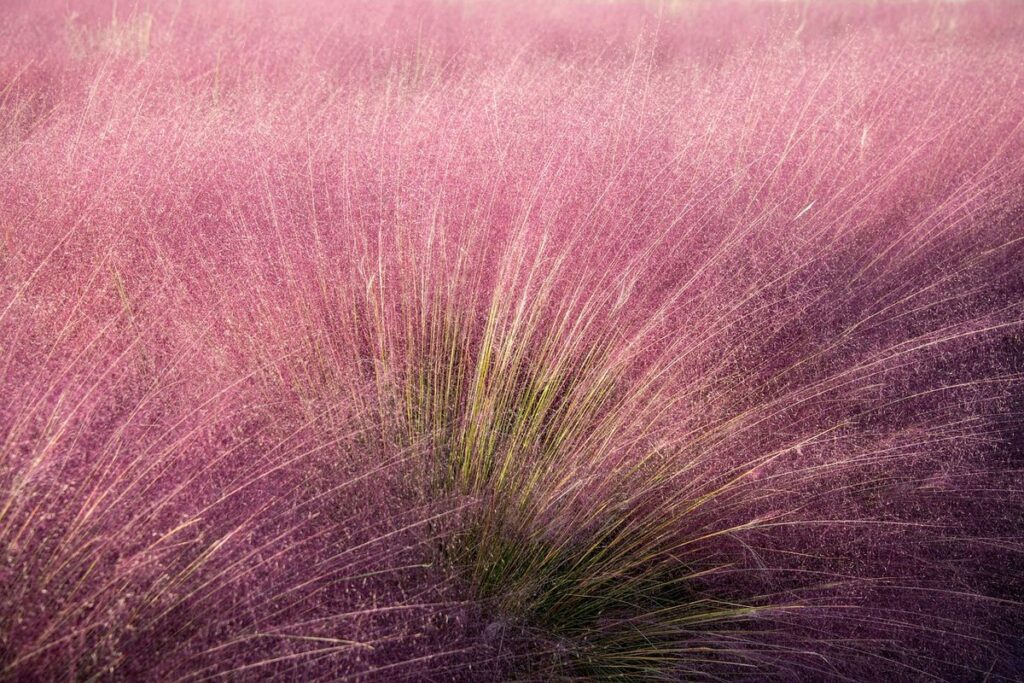
Pink muhly grass is a stunning ornamental grass that’s hard to miss. Its striking appearance is one of its most defining features. As a perennial grass, it grows upright and reaches heights of 2-3 feet, making it an excellent choice for adding texture and visual interest to any garden or landscape. The leaf structure of pink muhly grass is its first notable feature – they’re long, slender, and flat, resembling fine swords.
The most distinctive aspect of this plant, however, is its beautiful inflorescence, which appears in late summer through early fall. Long stems covered in delicate, feathery plumes rise above the foliage, creating a breathtaking display of color that’s reminiscent of cotton candy – soft pink hues dance across the tips of these panicles, creating a whimsical and eye-catching effect.
Its unique growth habits make it an excellent choice for adding movement to your garden or landscape. Plant multiple clumps together to create a stunning display of texture and color that will sway gently in the breeze, providing a soothing soundtrack to any outdoor space.
Uses and Benefits of Pink Muhly Grass
Whether you’re looking for a low-maintenance lawn alternative or want to add some natural beauty to your garden, pink muhly grass has got you covered. Let’s explore its many uses and benefits!
Ornamental Value in Landscaping
Pink muhly grass is not only a stunning addition to your landscape due to its beauty, but it also provides numerous benefits that make it an ideal choice for many gardeners. One of the key uses and benefits of pink muhly grass is its ornamental value in landscaping.
When used as borders, pink muhly grass can add a pop of color and texture to any garden bed. Its delicate pink plumes and slender leaves create a beautiful contrast with other plants and flowers, making it an excellent choice for edging gardens or defining different sections within your landscape. For example, you can use pink muhly grass as a border around a small pond or fountain, adding a touch of elegance to the surrounding area.
In mass plantings, pink muhly grass creates a stunning display of color and movement, especially during the fall season when its plumes turn a vibrant pink hue. This dramatic effect makes it an ideal choice for creating a focal point in your landscape. To incorporate pink muhly grass into a mass planting, choose a location with full sun to partial shade, and space the plants about 12-18 inches apart to allow for optimal growth.
When using containers, pink muhly grass can be used as a beautiful addition to hanging baskets or large pots. Its ability to thrive in poor soil conditions makes it an excellent choice for container gardening. To grow pink muhly grass in a container, choose a well-draining potting mix and place the plant in a location with full sun to partial shade. Water regularly, but avoid overwatering, which can lead to root rot.
By incorporating pink muhly grass into your landscaping design, you can add beauty, texture, and movement to your outdoor space while also providing a habitat for local wildlife. Its versatility and low maintenance requirements make it an excellent choice for gardeners of all skill levels.
Wildlife Habitat and Erosion Control
Pink muhly grass is not only a stunning addition to your landscape, but it also provides a haven for local wildlife and plays a crucial role in preventing soil erosion. Its tall, feathery plumes attract a variety of birds, including songbirds, sparrows, and even the occasional hummingbird. The grass’s long stems and dense foliage create a sheltered environment that allows small animals like rabbits and squirrels to feel safe.
As for soil erosion control, pink muhly grass is an excellent choice due to its deep root system, which helps hold the soil in place. This is especially important on slopes or areas prone to heavy rainfall, where loose soil can quickly become a muddy mess. By planting pink muhly grass in these areas, you’re not only preventing soil erosion but also reducing the risk of landslides.
To get the most out of your pink muhly grass’s wildlife-habitat benefits, consider creating a mini-meadow or native plant garden within your landscape. This will provide even more opportunities for local wildlife to thrive and allow you to observe the beauty of nature up close. Simply remember to choose companion plants that complement the growing conditions and needs of your pink muhly grass, and you’ll be well on your way to creating a thriving ecosystem in your own backyard!
Low-Maintenance Gardening Option
If you’re looking for a low-maintenance gardening option that still adds beauty and charm to your outdoor space, consider growing pink muhly grass. This ornamental grass is incredibly drought-tolerant, making it perfect for areas with limited water supply or where watering restrictions are in place.
In addition to its water-saving benefits, pink muhly grass also boasts impressive disease resistance, reducing the need for fungicides and other chemicals that can harm the environment. And when it comes to pruning, this grass requires minimal upkeep – a huge advantage for busy gardeners who want to enjoy their outdoor space without sacrificing too much time or effort.
To get the most out of your pink muhly grass, simply divide and replant every few years to maintain its health and vigor. With proper care, this gorgeous grass can thrive in full sun to partial shade conditions, adding a pop of color and texture to your landscape from late summer through early fall.
Growing and Caring for Pink Muhly Grass
To ensure your pink muhly grass thrives, it’s essential to provide it with the right growing conditions and regular maintenance, such as watering and pruning. With proper care, this stunning ornamental grass will bloom beautifully for years to come.
Planting and Propagation Methods
To successfully grow pink muhly grass from seed or division, it’s essential to understand the ideal soil conditions and moisture levels required. When planting from seeds, sow them on the surface of well-draining soil with a mix of compost and perlite. Keep the soil consistently moist during the first few weeks after sowing, but avoid overwatering which can lead to fungal diseases.
For division propagation, choose healthy clumps with at least three stems each. Dig around the plant, then gently separate the roots using a fork or knife. Replant the divisions in well-draining soil with a slightly acidic pH between 6.0 and 7.0. Water thoroughly after planting and keep the soil consistently moist during the first few weeks.
In both cases, it’s crucial to provide full sun (at least six hours of direct sunlight) and regular watering once established. Fertilize lightly in spring with a balanced fertilizer to promote healthy growth. By following these steps and providing optimal conditions, you’ll be on your way to growing beautiful pink muhly grass in no time.
Maintenance and Pruning Tips
Proper maintenance is crucial to keep your pink muhly grass looking its best. To begin with, pruning is essential for this ornamental grass, especially after the blooming period in late fall. Cut back the foliage to about 3-4 inches from the ground using gardening shears or a lawn mower on a low setting.
This process helps remove dead leaves and encourages new growth in spring. It’s also an excellent time to divide and replant sections of your grass if needed, promoting healthy spreading.
Fertilization should occur every few months with a balanced formula (10-10-10) for optimal growth. Be cautious not to over-fertilize, as this can lead to weak or leggy stems.
Regularly inspect your plants for signs of pests like aphids, spider mites, or scale insects, and treat promptly if necessary using integrated pest management strategies that minimize chemical usage whenever possible.
In terms of irrigation, pink muhly grass prefers well-draining soil and requires moderate watering. Adjust your schedule according to local weather patterns and observe the plant’s response to avoid overwatering.
Health Benefits of Pink Muhly Grass
Whether you’re looking for a natural solution to improve your air quality or boost your mood, pink muhly grass has numerous health benefits that can enhance your well-being. Let’s explore them further.
Medicinal Uses and Historical Significance
Pink muhly grass has been revered for its medicinal properties across various cultures. In traditional Chinese medicine, it’s known as “mu-xiang” and is used to treat a range of conditions, including digestive issues and respiratory problems. The plant’s roots are said to have anti-inflammatory and antioxidant effects, which may help alleviate symptoms associated with these conditions.
In Ayurvedic medicine, pink muhly grass is believed to possess properties that can balance the body’s doshas, or energies. It’s often used to treat skin issues such as acne and eczema, as well as respiratory problems like bronchitis and asthma. The plant’s leaves are said to be anti-inflammatory and antimicrobial, making it a popular choice for treating wounds and skin irritations.
Modern herbalism has also recognized the potential of pink muhly grass in treating various health conditions. Its roots contain compounds with antioxidant and anti-inflammatory properties, which may help protect against chronic diseases such as heart disease and cancer. To harness these benefits, you can try using dried or fresh pink muhly grass roots in teas or infusions, or take supplements after consulting a healthcare professional.
Antimicrobial and Antioxidant Properties
Pink muhly grass is not only a stunning addition to any landscape, but it also offers a wealth of benefits when it comes to human health and wellness. Research has shown that this beautiful grass possesses impressive antimicrobial properties, which can help combat the spread of disease-causing microorganisms. For instance, studies have isolated compounds from pink muhly grass that exhibit potent antibacterial activity against E. coli, Staphylococcus aureus, and Pseudomonas aeruginosa – all common culprits behind infections.
The plant’s antioxidant properties are equally impressive, providing a robust defense against oxidative stress and inflammation in the body. By neutralizing free radicals, pink muhly grass can help protect cells from damage and promote overall well-being. This is particularly relevant in today’s world, where environmental toxins and pollution can have detrimental effects on our health. Consider incorporating dried or powdered pink muhly grass into your daily routine as a natural supplement to boost your immune system and fight off illness.
Incorporating pink muhly grass into your diet or skincare routine is an easy way to tap into its antimicrobial and antioxidant properties. Try using it as a natural remedy for minor wounds, cuts, or scrapes – simply crush the leaves, mix with water, and apply topically to promote healing and prevent infection.
Environmental Impact of Pink Muhly Grass
As you’ve fallen in love with pink muhly grass’s beauty, let’s explore a more serious side: its potential environmental impact on your local ecosystem. This section will delve into those concerns.
Sustainable Gardening Practices
As you’ve grown to appreciate the beauty of pink muhly grass, it’s essential to consider its impact on the environment. One of the most significant benefits of this plant is its ability to sequester carbon. In fact, studies have shown that perennial grasses like pink muhly can store up to 4 times more carbon than annual crops. By incorporating pink muhly into your garden or landscape design, you’re not only adding a pop of color but also contributing to a reduction in greenhouse gas emissions.
Another eco-friendly aspect of growing pink muhly grass is its low water requirements. This drought-tolerant plant can thrive with minimal watering, making it an excellent choice for areas prone to dry spells or where water conservation is a priority. To maximize your pink muhly’s water efficiency, be sure to plant it in well-draining soil and avoid overwatering. By adopting sustainable gardening practices like these, you’ll not only enjoy the beauty of your pink muhly but also contribute to a more environmentally friendly garden.
Role in Supporting Local Ecosystems
One of the most significant benefits of pink muhly grass is its role in supporting local ecosystems. This beautiful ornamental grass provides a vital source of food and shelter for various wildlife species, helping to maintain healthy ecosystems.
Pink muhly grass serves as a haven for pollinators like bees and butterflies, offering them a source of nectar and pollen during the fall season when other plants are less active. The dense foliage also offers protection from harsh weather conditions and predators, creating a safe haven for small animals like rabbits and deer to hide and rest.
By incorporating pink muhly grass into your garden or landscape design, you can help create a wildlife-friendly environment that supports local biodiversity. Consider planting multiple patches of pink muhly grass in an area where you want to attract more wildlife, such as near a water source or along a migration route.
When selecting pink muhly grass for your ecosystem support efforts, choose varieties that are native to your region and suitable for the specific climate and soil conditions of your area.
Frequently Asked Questions
Can I grow pink muhly grass in containers?
Yes, you can grow pink muhly grass in containers, making it an ideal choice for small spaces or indoor gardens. Use a well-draining potting mix and provide full sun to partial shade. Water regularly, but avoid overwatering, as this can lead to root rot.
How do I propagate pink muhly grass?
Pink muhly grass is easily propagated through division in the spring or fall. Dig up the entire plant, gently separate the roots, and replant the divisions. Keep the soil consistently moist during the first growing season after propagation.
Can pink muhly grass help with air quality improvement indoors?
Yes, while pink muhly grass primarily benefits outdoor air quality, it can also be used in indoor spaces to improve air circulation and remove pollutants through transpiration. Consider using a humidifier or placing the plant near an air purifying device for enhanced results.
Does pink muhly grass have any potential invasive species risks?
Pink muhly grass is generally not considered invasive in most regions, but it can spread quickly in ideal conditions. Monitor your plant’s growth and keep a watchful eye out for any signs of overgrowth or spreading beyond its designated area.
Can I use pink muhly grass as a natural dye or cosmetic ingredient?
Yes, the flowers and leaves of pink muhly grass contain dyes that can be used to create natural colors for textiles, crafts, or even cosmetics. However, proper preparation and testing are essential to ensure safe use, as some plant compounds may cause skin irritation or allergic reactions.
What’s the best time to harvest pink muhly grass flowers for medicinal uses?
The best time to harvest pink muhly grass flowers is during peak blooming season, typically in late summer or early fall. Harvest individual stems with blooms intact and dry them immediately to preserve their potency for future use as herbal remedies.