
Are you considering upgrading your greenhouse to take your plant growth to the next level? If so, you’re likely aware that precise temperature control is key to achieving healthier crops and higher yields. But did you know that greenhouses with roof openings can provide exactly that? By allowing for improved air circulation and natural ventilation, these types of greenhouses give you unparalleled control over the environment within your greenhouse. This, in turn, enables you to nurture your plants more effectively, resulting in better growth and ultimately, a greater harvest. In this article, we’ll dive into the benefits of using a greenhouse with roof openings and explore how they can revolutionize your gardening experience.
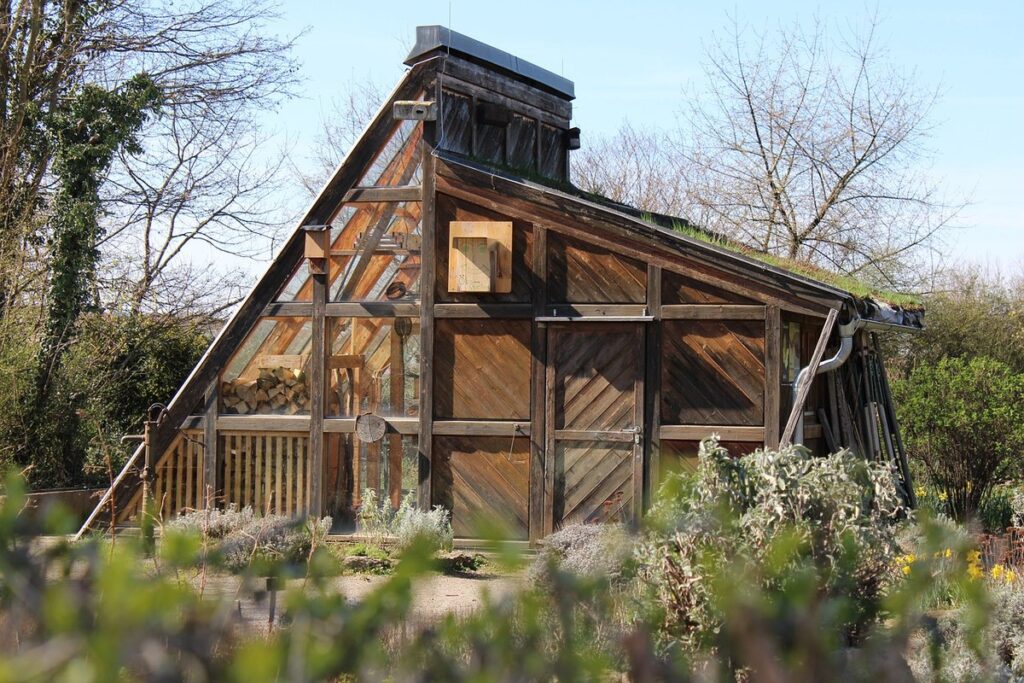
Introduction to Greenhouses with Roof Openings
If you’re considering a greenhouse with roof openings, this section will break down the benefits and importance of this design feature. Let’s explore what makes it so practical for growers.
What are Greenhouses?
A greenhouse is essentially an enclosed structure made of transparent materials such as glass or polycarbonate that provides a controlled environment for plants to grow. The primary function of a greenhouse is to harness solar energy and utilize it to heat the interior space, allowing for year-round plant growth regardless of external weather conditions.
In essence, greenhouses are mini-climates where the atmosphere can be regulated to optimize plant growth. By maintaining a consistent temperature, humidity level, and light exposure, greenhouses enable gardeners and farmers to cultivate plants more efficiently. The concept of greenhouses dates back thousands of years, with ancient civilizations such as the Romans and Persians using similar structures to grow crops in temperate climates.
The design and construction of modern greenhouses have evolved significantly over time, incorporating advanced technologies like climate control systems and automated irrigation. Today, greenhouses are used worldwide for a variety of purposes, including commercial agriculture, research facilities, and home gardening projects.
Importance of Ventilation in Greenhouses
Proper ventilation is crucial for maintaining healthy plant growth in greenhouses. When it comes to roof openings, they play a significant role in ensuring that plants receive the right amount of air circulation. Insufficient ventilation can lead to stagnant air, which fosters the development of diseases and promotes pest infestations. This can result in reduced crop yields and lower quality produce.
The key benefit of incorporating roof openings into greenhouse design is that they allow for natural airflow to enter and exit the structure. This is particularly important during periods of high temperatures or humidity, when plants are more susceptible to damage from heat stress or fungal diseases. By providing adequate ventilation, growers can maintain a stable environment that promotes optimal plant growth.
In practice, this means ensuring that roof openings are designed with careful consideration for factors such as size, orientation, and shading. A general rule of thumb is to provide at least 10-15% of the roof area as open vents or louvers. This allows for sufficient airflow while minimizing heat loss during cooler periods.
Design Considerations for Greenhouse Roof Openings
When designing greenhouses with roof openings, it’s essential to consider factors that affect temperature regulation and humidity levels. Let’s take a closer look at key considerations to keep in mind during this process.
Types of Roof Opening Mechanisms
When it comes to designing greenhouse roof openings, selecting the right mechanism is crucial for efficiency, ease of use, and overall performance. There are three primary types of mechanisms: manual, automated, and hybrid systems.
Manual roof opening mechanisms involve using physical effort to open or close the roof. This can be achieved through a variety of means, including pulleys, levers, and counterweights. While manual systems are often cost-effective and require little maintenance, they can be labor-intensive and may not be suitable for larger greenhouses.
Automated roof opening mechanisms use electric motors, sensors, and control systems to open or close the roof with minimal effort required from users. These systems offer increased convenience, speed, and precision but come at a higher upfront cost. They’re ideal for large commercial greenhouses or those with limited space.
Hybrid systems combine elements of both manual and automated mechanisms, providing flexibility and adaptability. For example, using solar panels to power an electric motor that opens the roof during sunny days but switching to manual operation during cloudy periods.
Key Factors Affecting Roof Opening Size and Placement
When designing roof openings for greenhouses, it’s essential to consider several key factors that influence their size and placement. Climate is a crucial factor, as regions with high temperatures or intense sunlight may require larger openings to allow for ventilation and heat dissipation. Conversely, areas with cooler climates might necessitate smaller openings to conserve heat.
The type of plants being grown also plays a significant role in determining roof opening size and placement. For example, if you’re cultivating delicate seedlings, smaller openings can help maintain a stable environment, while larger openings may be suitable for more robust crops like tomatoes or cucumbers. Structural considerations are another critical aspect to take into account, as the weight and load-bearing capacity of the greenhouse’s frame must support the roof opening.
In terms of placement, it’s vital to position roof openings strategically to maximize natural light and ventilation while minimizing wind exposure and potential damage from extreme weather conditions. A general rule of thumb is to place openings at a 45-degree angle to reduce wind pressure and ensure efficient airflow.
Integrating Roof Openings with Other Greenhouse Features
When integrating roof openings with other greenhouse features, it’s essential to consider how they can work together seamlessly. For instance, you can pair a roof opening with an automated shading system that adjusts based on the time of day and weather conditions. This allows for optimal sunlight penetration during colder months while preventing excessive heat buildup in warmer periods.
Some greenhouses also integrate their roof openings with irrigation systems, which can be triggered by sensors monitoring humidity levels inside the greenhouse. This ensures that plants receive just the right amount of water without overwatering. Additionally, heating and cooling systems can be integrated with roof openings to provide a consistent environment for sensitive crops. By incorporating these features, you can create a highly efficient and responsive greenhouse system.
It’s also worth considering the installation process, as it may impact how easily these components can be integrated. A well-designed layout with adequate space between features will make integration easier, allowing you to adjust settings remotely or automate processes to optimize performance.
Benefits of Greenhouses with Roof Openings
When it comes to maximizing your greenhouse’s potential, we’re excited to dive into the benefits of incorporating roof openings into their design. This unique feature can greatly enhance plant growth and operation efficiency.
Temperature Regulation
One of the most significant advantages of greenhouses with roof openings is the ability to regulate temperature more precisely. This allows growers to control the microclimate within their greenhouse, creating an ideal environment for specific crops. For instance, climate-controlled production enables growers to maintain a consistent temperature between 65°F and 75°F (18°C and 24°C) during the day and around 55°F (13°C) at night, which is perfect for producing high-quality lettuce or strawberries.
Roof openings can be automated to open and close in response to changing weather conditions, ensuring that the greenhouse remains within a narrow temperature range. This level of control is particularly useful for crops that are sensitive to temperature fluctuations, such as tomatoes or cucumbers. By maintaining a stable temperature, growers can reduce heat stress, prevent damage from frost, and promote healthy plant growth. As a result, yields increase, and crop quality improves significantly.
In practice, this means that growers can choose the optimal time for opening and closing the roof to maintain an ideal temperature. For example, if the outside temperature is too high during the day, the roof can be closed to prevent overheating. Conversely, on cooler nights, the roof can be opened to allow the greenhouse to warm up naturally. This precise control over temperature allows growers to optimize their production and achieve better results with their crops.
Improved Air Circulation and Humidity Management
One of the most significant advantages of greenhouses with roof openings is improved air circulation. When the roof is open, it allows for a natural exchange of air between the greenhouse and the outside environment. This helps to prevent the buildup of heat stress and reduces the risk of fungal diseases that thrive in stagnant air. By promoting airflow, roof openings enable growers to maintain optimal temperatures and humidity levels within the greenhouse.
In addition to improved air circulation, greenhouses with roof openings also offer better humidity management. The natural ventilation provided by these openings helps to regulate moisture levels, preventing the buildup of condensation on plants’ leaves and reducing the risk of root rot. This is particularly important for sensitive crops like orchids and bromeliads that require precise humidity control.
By incorporating roof openings into your greenhouse design, you can create a healthier and more productive growing environment for your plants.
Enhanced Plant Growth and Health
Greenhouses with roof openings have been shown to promote healthier plant growth and higher yields through various scientific studies. Research has demonstrated that the controlled ventilation provided by roof openings allows for optimal air circulation, reducing the risk of fungal diseases and pest infestations that thrive in stagnant environments.
A study published in the Journal of Environmental Science found that plants grown in greenhouses with roof openings exhibited improved photosynthetic activity, resulting in increased biomass production. Another study published in the HortTechnology journal noted a significant reduction in ethylene gas levels within greenhouses equipped with roof openings, which can lead to delayed fruit ripening and reduced yields.
By incorporating roof openings into your greenhouse design, you can create an optimal environment for plant growth. Consider implementing a ventilation system that allows for airflow exchange between the inside and outside of the greenhouse. This can be achieved through the use of operable skylights or louvers that open to allow fresh air to enter and stale air to escape. By doing so, you’ll not only promote healthier plants but also reduce your reliance on artificial lighting and temperature control systems.
Case Studies and Best Practices for Implementing Greenhouse Roof Openings
Let’s dive into real-world examples of how greenhouse roof openings have been implemented successfully, along with expert advice on best practices to follow.
Examples of Successful Greenhouse Designs Incorporating Roof Openings
When it comes to designing greenhouses with roof openings, there are numerous examples from around the world that showcase innovative and effective solutions. One such example is the Eden Project in Cornwall, UK, which features a massive biomes with complex roof systems that allow for natural ventilation and rainwater harvesting. The project’s designers incorporated large roof openings that provide natural light while also reducing the need for artificial lighting.
In another instance, the US Department of Agriculture’s (USDA) National Arboretum in Washington, D.C., boasts a beautiful greenhouse with a retractable roof system that allows for year-round plant growth and observation. This design feature enables visitors to walk under the roof and enjoy the surrounding gardens while providing essential natural light for the plants.
When creating your own greenhouse design, consider incorporating features like these to maximize benefits such as improved air circulation, reduced energy costs, and enhanced plant growth.
Tips for Designers and Builders on Selecting and Installing Roof Opening Mechanisms
When it comes to selecting and installing roof opening mechanisms for greenhouses, designers and builders must consider several factors to ensure optimal performance. One of the primary considerations is budget; while high-end systems may offer advanced features, they can also be prohibitively expensive. A cost-effective option is to choose a mechanism that balances durability with affordability.
In addition to budget, maintenance is another crucial consideration. Look for mechanisms with easy-to-clean designs and minimal moving parts to reduce upkeep requirements. For example, some roof opening systems feature removable covers or hoods that allow for quick cleaning without disassembling the entire system.
When evaluating long-term performance, consider factors such as wind load resistance and weather sealing. Ensure the chosen mechanism can withstand extreme weather conditions and maintain a tight seal when closed. Regular inspections and maintenance will also help prevent issues down the line. By weighing these considerations, designers and builders can select and install roof opening mechanisms that meet their needs while minimizing long-term costs and hassle.
Maintenance and Upkeep of Greenhouse Roof Openings
To keep your greenhouse running smoothly, it’s essential to understand how to properly maintain and upkeep its roof openings to prevent damage and ensure efficient ventilation. Regular checks can make all the difference in extending their lifespan.
Routine Maintenance Tasks
Regular maintenance tasks are crucial to ensure that your greenhouse roof openings continue to function optimally and maintain their longevity. A routine inspection of the opening’s components, including the vents, louvers, and drainage systems, should be performed every 6-12 months.
During this inspection, check for signs of wear or damage on the moving parts, such as rusty hinges or worn-out seals. Clean the vents and louvers to ensure proper airflow and prevent blockages. Also, inspect the drainage system to make sure it’s functioning correctly and clear any debris that may have accumulated over time.
It’s also essential to lubricate the moving parts regularly, especially during extreme weather conditions. This will help maintain smooth operation and reduce the risk of damage. Additionally, consider scheduling a thorough cleaning and inspection with a professional every 2-3 years to identify any potential issues before they become major problems. By following these routine maintenance tasks, you’ll be able to enjoy the benefits of your greenhouse roof openings for years to come.
Troubleshooting Common Issues with Roof Opening Mechanisms
As you’ve experienced firsthand, roof opening mechanisms are an essential component of greenhouse design. However, they can also be prone to common issues that hinder optimal performance. One of the most frequent problems is jammed or stuck openings, which can lead to water accumulation and damage to the surrounding structure.
To troubleshoot this issue, inspect the track system and lubricate any moving parts with a suitable grease or oil. Check for blockages or debris accumulation in the tracks or around the hinges, and clean out any obstructions.
Inadequate sealing around the opening is another common problem that can lead to energy losses and pest infestations. Regularly inspect the seals and replace them as needed to ensure a tight fit.
Finally, worn-out components such as cables or pulleys can also cause issues with roof opening mechanisms. Monitor these parts closely and replace them before they fail to avoid costly repairs down the line. By identifying and addressing these common problems proactively, you can maintain optimal performance from your greenhouse’s roof openings and ensure a healthy environment for your plants to thrive in.
Conclusion: Unlocking the Full Potential of Greenhouses with Roof Openings
Now that we’ve explored the benefits and design considerations, it’s time to unlock your greenhouse’s full potential by making the most of its roof opening.
Recap of Key Takeaways
In conclusion to our exploration of greenhouses with roof openings, let’s recap the key takeaways that will help you unlock their full potential. We’ve discussed the numerous benefits of incorporating roof openings into your greenhouse design, including improved natural ventilation, increased sunlight penetration, and enhanced crop growth.
One of the main advantages is the ability to control temperature fluctuations, which is particularly beneficial for sensitive crops. By allowing hot air to escape through the roof opening, you can maintain a more stable internal environment, reducing the need for supplemental heating or cooling systems.
When designing your greenhouse with roof openings, consider factors such as the size and location of the openings, as well as the type of glazing used. This will help ensure optimal airflow, sunlight distribution, and weather protection. Additionally, don’t forget to incorporate automated controls to regulate opening and closing functions for maximum efficiency.
By applying these key takeaways, you’ll be able to create a thriving greenhouse environment that maximizes the benefits of roof openings while minimizing potential drawbacks.
Future Directions for Research and Development in Greenhouse Design
As we’ve explored the benefits and design considerations of greenhouses with roof openings, it’s clear that this type of design is poised for significant advancements in the coming years. One area to watch is materials science, where researchers are developing new materials that can improve energy efficiency, reduce costs, and enhance structural integrity.
For example, researchers have been experimenting with self-healing concrete, which could significantly extend the lifespan of greenhouses by repairing cracks and damage automatically. Similarly, advancements in photovoltaic panels integrated into roof openings could enable buildings to generate more energy than they consume, making them even more sustainable.
Another area to watch is automation, where technologies like artificial intelligence, machine learning, and the Internet of Things (IoT) will play a crucial role in optimizing greenhouse operations. This includes monitoring temperature, humidity, and light levels in real-time, as well as automating tasks such as pruning, watering, and pest control.
As these technologies continue to evolve, we can expect to see even more innovative solutions for greenhouses with roof openings. By embracing these advancements, growers will be able to create more efficient, productive, and sustainable growing environments that set a new standard for the industry.
Frequently Asked Questions
Can I install a roof opening mechanism on an existing greenhouse?
Yes, it’s possible to retrofit a roof opening mechanism onto your existing greenhouse. However, ensure that the structure can support the added weight of the opening mechanism and consider consulting with a professional for a proper assessment and installation.
How often should I inspect my roof opening mechanism for maintenance?
Regular inspections are crucial to ensuring optimal performance of your greenhouse’s roof opening mechanism. Schedule annual checks during the changing seasons (spring and fall) to identify any potential issues before they become major problems, such as worn-out parts or clogged vents.
Will a larger roof opening size provide better temperature regulation in my greenhouse?
Not necessarily. While a larger roof opening may allow for more airflow, it can also lead to heat loss during colder months. It’s essential to strike a balance between air circulation and insulation needs based on your specific climate and plant requirements.
Can I integrate multiple types of roof opening mechanisms together in one greenhouse?
Yes, combining different roof opening mechanisms (e.g., manual and automatic) can be an efficient way to cater to various environmental conditions within the same greenhouse. This can include pairing a large manual opening with smaller automatic vents for precise temperature control.
What are some common mistakes to avoid when installing a roof opening mechanism in my greenhouse?
Some common pitfalls include inadequate ventilation sizing, poor installation, or neglecting regular maintenance. Additionally, be cautious of over-simplifying the design process, as this may lead to ineffective airflow and reduced crop yields.