
As a gardener, you’re probably no stranger to the joy of watching your plants thrive. But have you ever stopped to think about the tiny creatures that call your garden home? Caterpillars, in particular, are some of the most fascinating and important insects in your garden ecosystem. Not only do they feed on pest species and help maintain balance, but they also have a special affinity for one herb: dill. That’s right – dill plants aren’t just delicious in pickling recipes; they’re also a crucial food source for many caterpillar species. In this article, we’ll explore the benefits of growing dill for caterpillars and how it can boost their growth while attracting beneficial insects and repelling pests. We’ll dive into companion planting strategies and natural pest control methods to help you create a harmonious garden ecosystem.
Understanding Dill’s Role in Caterpillar Development
Let’s explore how dill plants support caterpillars during their development stages, from feeding habits to growth patterns. This essential role plays a critical part in their metamorphosis into healthy butterflies.
Why Dill is Essential for Caterpillar Growth
Dill is essential for caterpillar growth because it provides them with an array of vital nutrients that are crucial for their development. The herb is rich in vitamin C, potassium, and manganese, which play significant roles in the caterpillar’s bodily functions. Vitamin C, for instance, supports the caterpillar’s immune system, enabling it to fight off infections and diseases more effectively.
The high water content in dill also makes it an ideal food source for caterpillars, helping them stay hydrated as they feed on the leaves. Moreover, dill is a rich source of antioxidants, which help protect the caterpillar from oxidative stress caused by free radicals in their environment. This is particularly important during periods of rapid growth and development when caterpillars are more susceptible to damage from external agents.
When introducing dill to your caterpillar’s diet, make sure to provide them with fresh leaves regularly. You can also offer a mix of dill and other herbs like parsley or fennel for added nutritional diversity.
How Dill Attracts Beneficial Insects
Dill plants have long been recognized for their ability to attract beneficial insects that prey on pests that can harm caterpillars. By incorporating dill into your garden, you’re creating a balanced ecosystem that promotes the health and well-being of these delicate creatures.
One of the primary ways dill attracts beneficial insects is through its fragrance. The plant’s unique scent, often described as pungent and slightly sweet, emits a chemical signal that draws in predators like hoverflies, lacewings, and parasitic wasps. These beneficial insects are naturally attracted to the sweetness of nectar and other floral compounds found on dill flowers.
By supporting these beneficial insects, you’re essentially creating a natural defense system against pests that can harm caterpillars. For example, hoverflies are known to feed on aphids, whiteflies, and other small insects that can be detrimental to caterpillar development. By attracting hoverflies to your garden with the presence of dill, you’re providing an essential service for these tiny creatures.
To maximize the benefits of dill in your garden, consider planting it near areas where caterpillars are present or in close proximity to vegetables and fruits that are susceptible to pests. Additionally, be sure to provide a diverse range of beneficial insects by incorporating other plants with complementary fragrance profiles, such as basil and mint.
Nutritional Value of Dill for Caterpillars
Dill is not only a flavorful herb for human consumption but also a nutritional powerhouse for caterpillars. As they munch on dill leaves and stems, they’re getting an incredible boost of essential nutrients that support their rapid growth and development.
Dill is rich in proteins, carbohydrates, and fiber, making it an ideal food source for caterpillars. The herb’s high water content also helps to keep these tiny creatures hydrated as they feed, facilitating healthy digestion and waste elimination. Moreover, dill is an excellent source of micronutrients like vitamins A, C, and K, as well as minerals such as potassium, magnesium, and iron.
These nutrients play a critical role in caterpillar development, particularly during the instar stages when growth rates are at their fastest. Dill’s high protein content, for instance, helps to build and repair tissues, while its fiber content supports healthy gut function and prevents digestive issues.
As you grow dill plants specifically for caterpillars, make sure to provide them with a balanced diet by incorporating other nutrient-rich foods like leaves from comfrey or nettle plants. By doing so, you’ll be creating an optimal environment that fosters the healthiest possible growth and development of your caterpillar friends.
Choosing the Right Dill Variety for Your Garden
With so many types of dill out there, it’s essential to choose a variety that will thrive in your garden and provide the best food source for your caterpillars. Let’s explore the most suitable options together!
Selecting Dill Varieties Suitable for Companion Planting
When selecting dill varieties suitable for companion planting with caterpillar-attracting plants, it’s essential to consider a few key factors. First and foremost, you want to choose a dill variety that blooms continuously throughout the growing season. This ensures a steady supply of nectar and pollen for beneficial insects like butterflies and bees.
Some popular dill varieties that fit this bill include ‘Fernleaf’, ‘Mammoth’, and ‘Dukat’. These varieties are known for their tall stalks, which reach heights of up to 3 feet or more. They also produce an abundance of small, delicate flowers that bloom continuously from mid-summer to early fall.
When selecting a dill variety, it’s also crucial to consider the mature size and spread of the plant. Dill varieties like ‘Fernleaf’ are naturally compact and bushy, making them perfect for smaller gardens or containers. On the other hand, larger varieties like ‘Mammoth’ may require more space to accommodate their sprawling growth.
To get the most out of your companion planting efforts, be sure to plant dill alongside other caterpillar-attracting plants like parsley, carrot tops, and fennel. These plants will not only provide a source of nectar for adult butterflies but also offer shelter and protection from predators for the caterpillars themselves.
How to Grow Dill Successfully in Your Garden
To grow dill successfully in your garden, you’ll want to consider its ideal growing conditions. Dill plants prefer full sun, so choose a location that receives at least 6 hours of direct sunlight per day. They also require well-draining soil with a pH between 6.0 and 7.0.
When planting dill, make sure the seeds are sown in rows about 1-2 inches deep and 12-18 inches apart. Dill is a warm-season crop and thrives in temperatures above 60°F (15°C). Keep the soil consistently moist during the first few weeks after sowing, but avoid overwatering as this can lead to root rot.
As dill plants mature, they’ll require regular pruning to encourage bushy growth and prevent them from flowering too early. Simply pinch off the flower buds when you notice them forming, or trim back the entire plant by about one-third every few weeks.
In addition to its importance for caterpillars, growing healthy dill plants can also enhance your garden’s biodiversity and attract beneficial pollinators like bees and butterflies.
Companion Planting Strategies with Dill
When it comes to nurturing caterpillars, companion planting with dill is a simple yet effective way to boost their growth and health. Let’s explore some easy-to-implement strategies for pairing dill with other beneficial plants.
Pairing Dill with Caterpillar-Attracting Plants
When it comes to creating a welcoming environment for caterpillars in your garden, pairing dill with caterpillar-attracting plants is a simple yet effective strategy. By combining these two types of plants, you can create a haven that not only attracts beneficial insects but also provides a source of food and shelter for the caterpillars.
Some excellent options for companion planting include marigold, nasturtium, and sunflower. These flowers attract aphid-loving insects like lacewings and hoverflies, which are natural predators of caterpillars’ main predator – the ladybug’s arch-nemesis, the aphid. This delicate balance in your garden ensures a harmonious coexistence among beneficial insects.
To incorporate this strategy into your dill-planting routine, try the following: plant marigold or nasturtium around the perimeter of your dill bed to draw in beneficial insects. Meanwhile, allow a sunflower or two to grow tall within the dill patch to serve as a food source and shelter for caterpillars.
Remember, companion planting is all about creating an ecosystem that supports biodiversity and balances out the needs of various garden inhabitants. By pairing dill with caterpillar-attracting plants, you’re taking the first step towards cultivating a thriving community in your garden.
Tips for Effective Companion Planting with Dill
When incorporating dill into your companion planting scheme, it’s essential to consider space and pest management. To begin, choose a location with well-draining soil and full sun to allow the dill plants to grow robustly. Dill requires a relatively small amount of space, so you can plant multiple varieties in a small area.
To make the most of companion planting with dill, interplant it with other pest-repellent herbs like basil or mint. This will create a layered defense system that discourages pests from reaching your caterpillars’ host plants. For example, pairing dill with parsley repels carrot flies and aphids, while its association with cabbage family members keeps them safe from flea beetles.
Consider the mature size of each plant when arranging them together. Dill can grow quite tall (up to 3 feet), so ensure it doesn’t overshadow smaller companion plants. Plant taller varieties at the north or west end to avoid shading your caterpillars’ host plants. By thoughtfully selecting and placing companion plants, you’ll create a harmonious ecosystem that supports your caterpillar friends while keeping pests at bay.
Pest Management Strategies Using Dill
To manage pests effectively, you’ll want to learn some creative strategies for using dill plants as a natural deterrent and control method. Let’s dive into these innovative pest management approaches!
Using Dill to Repel Harmful Pests
Using dill to repel harmful pests is one of its most valuable benefits for caterpillar gardens. By incorporating dill plants into your ecosystem, you can create a harmonious balance between beneficial insects and those that might harm them.
In particular, dill has been found to be an effective repellent against the Cabbage White Butterfly (Pieris rapae), which lays eggs on cabbage and other Brassica crops, causing significant damage. This pest is particularly damaging in gardens where caterpillars are present, as it can lead to secondary infections and diseases.
To use dill for pest control, consider these tips: plant dill near the affected areas, as its scent can travel up to 12 inches in the air; maintain a consistent ratio of 1 part dill to 3 parts companion plants; and harvest regularly to encourage new growth.
Natural Pest Control Methods with Dill
Dill is an excellent natural pest control method that can help you get rid of unwanted pests without exposing your plants to harsh chemicals. As we’ve discussed earlier, dill has a unique ability to repel caterpillars, and this makes it an ideal ingredient for pest control.
One of the most effective ways to use dill as a pest control is by creating a natural repellent spray. To do this, you’ll need some fresh or dried dill leaves, water, and a few other household ingredients. Simply steep the dill in hot water for 10-15 minutes, then strain it and mix it with a small amount of mild dish soap. Spray this solution directly on your plants to keep caterpillars at bay.
Another way to use dill is by incorporating it into your garden soil. You can plant dill alongside your other vegetables or add it to your compost pile to create a pest-repellent fertilizer. This will not only help deter caterpillars but also promote healthy growth and development in your plants.
When using dill as a natural pest control, be sure to use fresh ingredients and follow proper preparation techniques to ensure effectiveness. A general rule of thumb is to start with small amounts and gradually increase the concentration as needed. By doing so, you’ll create a safe and sustainable environment for your plants while keeping unwanted pests under control.
Creating a Dill-Enriched Environment for Caterpillars
To create a thriving environment for caterpillars, it’s essential to understand how to cultivate and utilize dill plants in their habitat effectively. This section will provide tips on creating an ideal space.
Designing a Garden That Supports Caterpillar Life Cycles
Designing a garden that supports caterpillar life cycles requires careful consideration of the plants you choose to grow. Caterpillars need a constant supply of fresh leaves and flowers to fuel their growth and development. To create a welcoming environment for these hungry herbivores, incorporate plants that are rich in nutrients and attract beneficial insects.
Begin by planting dill, which is an essential food source for many caterpillar species. You can also include other herbs like parsley, fennel, and coriander, as they provide similar benefits. To create a habitat that supports the life cycle of these beneficial creatures, consider the following:
• Plant a variety of flowers that provide nectar and pollen for adult butterflies to feed on.
• Incorporate host plants specific to different caterpillar species, like monarchs (milkweed) or black swallowtails (dill).
• Leave some areas of your garden untended, as caterpillars often thrive in overgrown or abandoned spaces.
• Avoid using pesticides, which can harm beneficial insects and disrupt the delicate balance of your ecosystem.
By incorporating these elements into your garden design, you’ll be creating a thriving haven for caterpillars to grow and develop.
Tips for Incorporating Dill into Your Existing Garden Layout
When incorporating dill into an existing garden layout, it’s essential to consider the mature plant size and space constraints. Dill plants can grow quite tall, reaching up to 3 feet, so make sure to allocate sufficient space for them to thrive.
To make the most of your garden space, try interplanting dill with other companion plants that benefit from its growth. For example, pair dill with lettuce or tomatoes, as they repel pests that target these crops. This approach not only maximizes space but also promotes a balanced ecosystem.
If you have limited space, consider using containers or vertical gardening methods to grow your dill plants. This way, you can control their size and ensure they receive the right amount of sunlight and nutrients. Remember to choose compact or dwarf varieties that are specifically bred for container gardens or small spaces.
Troubleshooting Common Issues with Growing Dill
Sometimes, despite our best efforts, dill plants can be finicky and prone to common issues. In this case, we’ll walk you through troubleshooting some of these problems together.
Addressing Common Pests and Diseases Affecting Dill Plants
Dill plants are not only a haven for caterpillars but can also be susceptible to certain pests and diseases. As a gardener, it’s essential to identify these issues early on to prevent them from taking over your plant.
Some common pests that affect dill plants include aphids, whiteflies, and spider mites. These tiny insects feed on the sap of the plant, causing curled or distorted leaves and stunted growth. To address this issue, try introducing natural predators like ladybugs or lacewings to your garden. You can also use neem oil or insecticidal soap to control infestations.
Diseases such as powdery mildew and downy mildew are also prevalent in dill plants. These fungal infections cause a white, powdery coating on the leaves or yellowing of the plant. To prevent these diseases, ensure good air circulation around your plant and avoid overhead watering. If you notice any signs of infection, treat your plant with a fungicide specifically designed for dill.
By keeping an eye out for these common pests and diseases, you can protect your dill plants and continue to provide a safe haven for caterpillars.
Tips for Overcoming Challenges in Growing Dill Successfully
Growing dill successfully can be a challenge, but with the right approach, you can overcome common obstacles and ensure a healthy crop for your caterpillars. One of the most significant challenges is achieving consistent moisture levels, as dill is sensitive to overwatering. To combat this, make sure to water your plants deeply once or twice a week, depending on weather conditions.
Another crucial aspect is providing sufficient sunlight. Dill requires at least six hours of direct sunlight per day, so ensure your plants are placed in an area that receives adequate light. Additionally, maintain soil pH levels between 6.0 and 7.0 to promote healthy growth.
Common pests like aphids, spider mites, and whiteflies can also hinder dill growth. Regularly inspect your plants for signs of infestation and use organic pest control methods whenever possible. For example, neem oil or insecticidal soap can be effective in controlling these pests without harming your caterpillars.
To ensure a thriving crop, divide dill plants regularly to encourage bushy growth and prevent them from flowering prematurely. By following these tips, you’ll be well on your way to growing healthy, thriving dill plants that will provide essential nutrients for the caterpillars’ development.
Conclusion
Now that we’ve explored the many benefits of dill plants for caterpillars, let’s summarize our key takeaways and provide a final thought on their importance.
Recap of Key Takeaways for Using Dill with Caterpillars
As we conclude our exploration of the benefits and importance of dill plants for caterpillars, let’s take a moment to recap the key takeaways from this journey. By now, you should have a clear understanding of why incorporating dill into your garden ecosystem is crucial for supporting caterpillar development.
One of the primary reasons dill is so essential is its role as a vital food source for many species of caterpillars. These hungry larvae rely on the plant’s leaves and stems to fuel their growth, and without an adequate supply of dill, they may struggle to thrive. By planting dill in your garden, you’re providing these tiny creatures with the nutrients they need to reach their full potential.
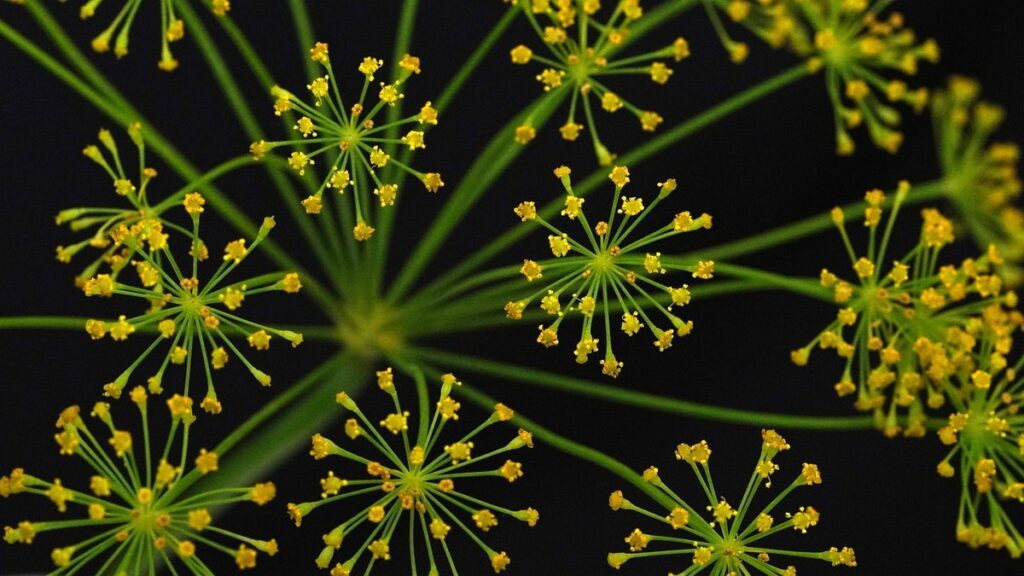
But dill’s importance goes beyond just serving as a food source. This versatile plant also plays a critical role in creating a balanced and diverse ecosystem. Its tall stalks and umbrella-like flowers provide shelter and habitat for other beneficial insects, such as bees and butterflies, which are essential pollinators. By incorporating dill into your garden design, you’re not only supporting caterpillar development but also fostering a thriving community of wildlife.
So what can you do to start incorporating dill into your garden today? Here are a few actionable tips:
• Choose a sunny spot with well-draining soil for optimal growth.
• Plant multiple dill plants together to create a welcoming environment for beneficial insects.
• Consider companion planting by pairing dill with other beneficial herbs, such as parsley or mint.
• Be mindful of overwatering, which can be detrimental to dill’s delicate roots.
By implementing these simple tips and making dill a part of your garden ecosystem, you’ll be supporting the well-being of caterpillars and contributing to a more balanced and thriving environment.
Frequently Asked Questions
How can I ensure my dill plants are healthy enough to support caterpillar growth?
To guarantee healthy dill plants, provide your dill with full sun (at least six hours of direct sunlight) and well-draining soil. Water consistently but avoid overwatering, which can lead to fungal diseases that harm caterpillars. Fertilize lightly during the growing season to maintain optimal nutrient levels for both the plant and the caterpillars.
Can I grow dill plants indoors or in containers to attract caterpillars?
Yes, you can grow dill plants indoors or in containers to attract caterpillars. Choose a container with good drainage and use a well-draining potting mix. Provide your indoor dill with at least four hours of direct sunlight per day and maintain temperatures between 65-75°F (18-24°C). This setup allows you to control pests and diseases more effectively.
How do I identify which caterpillar species are most attracted to my dill plants?
Monitor your dill plants regularly to observe the types of caterpillars visiting them. Some common species include the Black Swallowtail, Clouded Sulphur, and Gray Hairstreak. Research these species’ specific needs and behaviors to understand their relationships with dill.
Can I use companion planting strategies without sacrificing my existing garden layout?
Yes, you can incorporate dill into your existing garden layout by selecting a suitable variety that grows at the same rate as your other plants. Consider pairing dill with low-growing or compact varieties of herbs like thyme, oregano, or marjoram to create a harmonious and beneficial ecosystem.
How do I address common pests affecting my dill plants when trying to attract caterpillars?
Common pests like aphids, spider mites, and whiteflies can harm your dill plants. Use natural pest control methods like introducing beneficial insects (such as ladybugs or lacewings), practicing good garden hygiene, and using neem oil sprays to address these issues without harming the caterpillars you’re trying to attract.