
If you’re looking for an eco-friendly way to keep your garden or landscape thriving, consider using black cedar mulch. Not only does it have natural insect repellent properties that can help deter pests and diseases, but it’s also a carbon-sequestering solution that can reduce the amount of greenhouse gases in our atmosphere. As we become more conscious of our environmental impact, options like black cedar mulch are gaining popularity. In this article, we’ll delve into the advantages of using black cedar mulch, from its ability to suppress weeds and retain moisture to its benefits for soil health. We’ll also cover how to apply it safely in your garden or landscape, ensuring you get the most out of this sustainable solution.
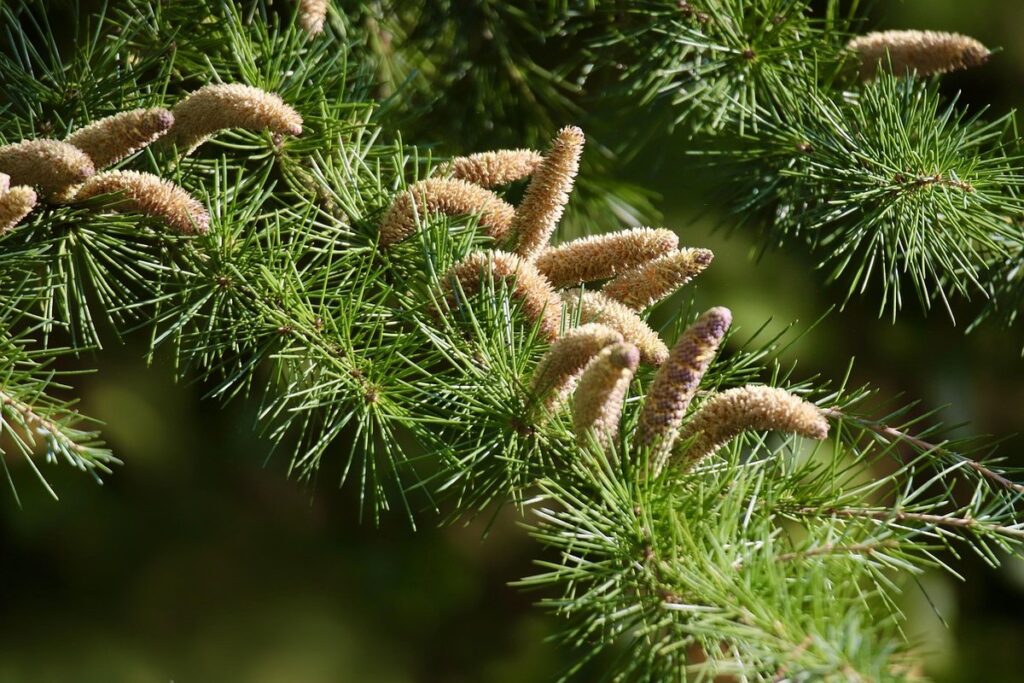
What is Black Cedar Mulch?
If you’re new to black cedar mulch, let’s start with the basics: what exactly is it and where does it come from. We’ll cover its origins and characteristics.
Characteristics of Black Cedar Wood
Black cedar wood is renowned for its exceptional properties that contribute to its long-lasting performance and natural resistance. One of its standout characteristics is its high density, which makes it resistant to warping, cracking, and shrinking over time. This attribute ensures that black cedar mulch retains its shape and remains effective in suppressing weeds.
Its durability extends to its resistance against rot, decay, and insect damage. Black cedar wood contains oils that act as natural preservatives, repelling insects and microorganisms. This makes it an excellent choice for outdoor applications where exposure to the elements is a concern.
As a result of these properties, black cedar mulch requires minimal maintenance and can last for several years when properly applied. It’s essential to note that while black cedar wood has inherent resistance to rot and insects, it still benefits from occasional reapplication or replenishment to maintain its effectiveness.
Comparison with Other Types of Mulch
When it comes to choosing the right type of mulch for your garden or landscaping project, you may be wondering how black cedar mulch stacks up against other popular options. Let’s take a closer look at some common types of mulch and see how they compare to black cedar.
Hardwood mulches, like those made from oak or maple trees, are often thought to be a good choice for gardens with acidic soil. However, they can be more expensive than black cedar and may not retain moisture as well. Softwood mulches, on the other hand, are typically less expensive but may require more frequent replenishment due to their tendency to break down quickly.
Organic mulches like pine straw or leaves are a popular choice for gardeners who want an eco-friendly option. However, they can be prone to mold and mildew if not properly maintained. Black cedar mulch offers a unique balance of durability, resistance to rot and insects, and natural beauty that sets it apart from other types of mulch.
Ultimately, the decision between black cedar mulch and other options will depend on your specific needs and preferences. If you’re looking for a long-lasting, low-maintenance solution with natural pest-repellent properties, black cedar may be the way to go.
Environmental Benefits of Black Cedar Mulch
One of the most significant advantages of using black cedar mulch is its incredible ability to help our planet thrive. Let’s explore the many ways it benefits the environment.
Carbon Sequestration and Climate Change
Black cedar mulch is not only an effective soil amendment but also a valuable tool in the fight against climate change. As we continue to emit greenhouse gases into the atmosphere, finding ways to sequester carbon becomes increasingly important. Black cedar mulch can play a significant role in this effort.
When black cedar wood decomposes, it absorbs more CO2 from the atmosphere than other types of wood, making it an excellent choice for carbon sequestration. By using black cedar mulch on your garden or yard, you’re essentially creating a carbon sink that will absorb excess CO2 over time. This process is especially beneficial in urban areas where trees and green spaces are scarce.
To maximize the carbon-sequestering potential of black cedar mulch, use it in combination with other sustainable gardening practices such as composting and reducing water waste. Regularly adding organic matter like manure or peat moss will further enhance decomposition and increase CO2 absorption rates. By incorporating black cedar mulch into your garden’s ecosystem, you’ll be contributing to a healthier environment while enjoying the numerous benefits of improved soil fertility and reduced soil erosion.
Ecosystem Support and Biodiversity
Black cedar mulch plays a vital role in supporting local ecosystems and promoting biodiversity in gardens and landscapes. As it breaks down, it creates a nutrient-rich environment that fosters the growth of beneficial microorganisms, which are essential for maintaining soil health. This process encourages the presence of earthworms and other organisms that help to aerate and fertilize the soil.
When used as mulch, black cedar retains moisture in the soil, reducing the need for frequent watering and minimizing evaporation. This helps plants to thrive, supporting a diverse range of species, from wildflowers to native trees. Furthermore, by suppressing weeds and retaining soil temperature, black cedar mulch creates an ideal environment for beneficial insects like bees and butterflies to flourish.
To maximize the ecosystem support provided by black cedar mulch, incorporate it into your garden design in strategic layers, allowing for adequate drainage and aeration. Also, consider combining it with native plant species that have co-evolved alongside local wildlife. By doing so, you’ll create a thriving ecosystem that promotes biodiversity and supports the well-being of both plants and animals in your garden or landscape.
Aesthetic and Landscaping Uses for Black Cedar Mulch
Black cedar mulch can be a stunning addition to your garden’s landscape, adding beauty and depth with its rich, earthy tones. We’ll explore some creative ways to use black cedar mulch in this section.
Ground Cover and Weed Suppression
When it comes to using black cedar mulch for ground cover and weed suppression, you’ll be delighted by its effectiveness. This type of mulch is perfect for areas with poor soil quality or where weeds tend to thrive. By applying a 2-3 inch layer of black cedar mulch, you can suppress weeds and prevent them from germinating in the first place.
As an added benefit, the dense fibers in black cedar mulch also help to hold the soil in place, preventing erosion and runoff. This is especially important for slopes or areas with heavy foot traffic. To ensure optimal results, make sure to reapply the mulch as needed – typically every 6-12 months depending on weather conditions.
Some popular ways to use black cedar mulch for ground cover include creating pathways through gardens, defining borders around plants, and even covering large areas under trees or shrubs. By choosing this eco-friendly option, you’ll not only be reducing the need for herbicides but also adding a touch of elegance to your outdoor space.
Border and Garden Bed Mulching
When used in garden borders and beds, black cedar mulch brings numerous benefits to both the soil and surrounding plants. For one, it helps retain moisture in the soil, reducing the need for frequent watering. This is particularly useful during dry spells or for plants that prefer well-draining conditions. Additionally, black cedar mulch suppresses weeds by blocking light and preventing seed germination.
This results in less maintenance time spent on weeding, allowing you to focus on other aspects of your garden. To make the most of this benefit, apply a 2-3 inch layer of mulch around plants, keeping it a few inches away from trunks or stems. Replenish as needed to maintain its effectiveness.
Black cedar mulch also adds a rich, earthy aroma and can enhance the overall appearance of your garden beds. Its dark color blends seamlessly with most landscaping styles, creating a cohesive look that draws the eye towards featured plants. When choosing black cedar mulch for your borders and beds, be sure to select high-quality products from reputable suppliers to ensure optimal performance and longevity.
Health Benefits of Black Cedar Mulch
One of the most significant advantages of using black cedar mulch is its numerous health benefits, which can be a game-changer for gardeners and homeowners alike. Let’s explore these benefits in more detail below.
Natural Insect Repellent Properties
Black cedar mulch has long been prized for its natural insect repellent properties, making it an excellent choice for gardeners looking to protect their plants from pests. This is due in part to the presence of oils and chemicals within the wood that repel insects.
When used as a mulch, black cedar can help deter ants, ticks, and other unwanted critters from taking up residence in your garden. It’s also been shown to be effective against aphids, whiteflies, and spider mites – common pests that can cause significant damage to plants if left unchecked.
To get the most out of black cedar mulch’s insect-repelling properties, it’s best to apply a 2-3 inch layer around the base of your plants. This will not only help keep insects at bay but also retain moisture in the soil and suppress weed growth. Be sure to reapply as needed, especially after heavy rainfall or when weeds begin to sprout.
Some gardeners have reported success using black cedar mulch in combination with other natural pest control methods, such as introducing beneficial insects into their garden ecosystem. By leveraging the natural insect-repelling properties of black cedar, you can create a balanced and healthy environment for your plants to thrive.
Antimicrobial and Fungal Resistance
One of the most impressive benefits of black cedar mulch is its antimicrobial and fungal-resistant properties. This unique characteristic makes it an excellent choice for gardeners who want to create a healthy environment for their plants while minimizing the risk of disease and pests.
The aromatic oils present in black cedar wood are responsible for its antimicrobial properties, which help prevent the growth of bacteria, fungi, and other microorganisms that can harm plants. This means that using black cedar mulch can reduce the need for fungicides and other chemical treatments, making it a more environmentally friendly option.
In addition to its antimicrobial properties, black cedar mulch is also resistant to fungal growth, which can help prevent diseases like root rot and leaf spot. By incorporating black cedar mulch into your garden, you can create a barrier that prevents these pathogens from taking hold and causing damage to your plants.
When using black cedar mulch, it’s essential to note that the oils present in the wood can break down over time. To maximize its antimicrobial properties, apply a fresh layer of black cedar mulch annually, ideally in the spring or early summer when the soil is most vulnerable to disease and pests.
Safety Precautions and Considerations for Using Black Cedar Mulch
When using black cedar mulch, it’s essential to take certain precautions to avoid exposure to oils that can cause skin irritation and respiratory problems in some individuals. Be sure to follow these guidelines carefully.
Skin Irritation and Allergic Reactions
When handling black cedar mulch, it’s essential to be aware of the potential risks to your skin and overall health. Some individuals may experience skin irritation or allergic reactions due to the oils and resins present in the wood.
These chemicals can cause redness, itching, and even rashes on contact with the skin. If you’re new to using black cedar mulch, it’s recommended that you wear protective gloves when handling it to minimize exposure. It’s also crucial to wash your hands thoroughly after touching the mulch.
If you notice any signs of irritation or allergic reactions, such as redness, swelling, or blistering, seek medical attention immediately. Some people may be more prone to adverse effects due to sensitive skin or allergies, so it’s vital to take precautions.
To minimize risks, make sure to work in a well-ventilated area and avoid inhaling the dust particles that can become airborne when handling the mulch. By taking these simple precautions, you can enjoy the benefits of using black cedar mulch while staying safe and healthy.
Fire Hazards and Proper Storage
When handling black cedar mulch, it’s essential to exercise caution to prevent potential fire hazards. One of the primary concerns with this type of mulch is its high oil content, which can ignite when exposed to heat sources such as cigarettes, sparks, or open flames.
To minimize the risk of fires, store black cedar mulch in a well-ventilated area away from buildings and flammable materials. It’s also crucial to keep it at least 12 inches away from any structures. Make sure to follow local regulations regarding fire safety, especially if you live in areas prone to wildfires.
When spreading black cedar mulch, avoid piling it too high or creating a ‘mulch volcano’ effect around trees and plants. This can lead to heat buildup and potential fires. Keep your mulched areas tidy by removing any dead leaves or debris that may accumulate. Regular maintenance will help prevent the buildup of flammable materials.
By following these simple guidelines, you can enjoy the benefits of black cedar mulch while minimizing its risks.
Where to Buy and How to Apply Black Cedar Mulch
Now that you know the benefits of black cedar mulch, let’s get down to business: where to buy it and how to apply it effectively in your garden.
Sources and Suppliers
When it comes to finding high-quality black cedar mulch for your gardening needs, it’s essential to know where to look. Reputable sources and suppliers can make all the difference in ensuring you get the best product possible.
Some popular options for purchasing black cedar mulch include online retailers like Amazon and Home Depot. These websites often offer a wide selection of products from various manufacturers, allowing you to compare prices and read reviews from other customers. You can also check with local nurseries and gardening stores in your area, as they may carry a variety of black cedar mulches or be able to special order one for you.
If you’re looking for a more sustainable option, consider visiting a local sawmill or woodworking supplier that sells reclaimed wood products, including black cedar mulch. These businesses often source their materials from environmentally responsible suppliers and can provide a unique, locally-sourced product for your garden.
When selecting a supplier, be sure to ask about the origin of the black cedar, as well as any additives or preservatives used in the manufacturing process. This will help you make an informed decision about the quality and safety of the product for your specific needs.
Application Techniques and Tips
When applying black cedar mulch to your garden or landscape, it’s essential to use the right techniques to reap its full benefits. For large areas, consider using a rake or leaf spreader to evenly distribute the mulch. This will help prevent bare spots and ensure consistent coverage.
For smaller areas or tight spaces, you can use a wheelbarrow or bucket to scoop out small amounts of mulch and spread it by hand. To avoid creating a uniform layer that traps moisture, apply the mulch in thin layers, working your way up to the desired depth.
In sloping gardens or areas with poor drainage, consider installing a French drain system before applying mulch to prevent water accumulation. In planting beds, use black cedar mulch as a 2-3 inch layer around plants, keeping it a few inches away from stems to allow for air circulation and moisture penetration.
Remember to reapply the mulch as needed, typically every 6-12 months, depending on weather conditions and plant growth. By following these techniques, you can enjoy the benefits of black cedar mulch while maintaining a healthy and thriving garden or landscape.
Frequently Asked Questions
Can I use black cedar mulch around plants with delicate roots, such as strawberries or herbs?
While black cedar mulch can be beneficial for many garden beds, it’s essential to exercise caution when using it around plants with sensitive root systems. Consider a thinner layer (about 1-2 inches) and keep it away from the base of your plants to avoid potential damage.
How often should I reapply black cedar mulch to maintain its effectiveness?
To get the most out of your black cedar mulch, reapply it every 6-12 months or as needed. This will ensure the mulch continues to suppress weeds, retain moisture, and protect against pests and diseases.
Is black cedar mulch safe for use in areas with high water tables or flooding concerns?
While black cedar mulch is generally a durable option, its performance can be compromised if it’s consistently exposed to standing water. If you live in an area prone to flooding or have high water tables, consider alternative mulching options that are more resistant to moisture.
Can I mix different types of mulch together for a unique aesthetic?
Experimenting with mixed mulches can create visually appealing combinations, but be aware that this might affect the overall performance and benefits of each individual mulch type. Focus on complementary characteristics, like texture or color, rather than trying to combine vastly different products.
How do I properly dispose of old black cedar mulch at the end of its lifespan?
When it’s time to replace your black cedar mulch, consider composting the old material or repurposing it as a nutrient-rich additive for your garden. Avoid simply discarding it in landfills, where it might not break down efficiently and could create environmental issues.