
Composting leaves in your backyard is one of the simplest and most effective ways to reduce waste, create a healthier ecosystem, and improve soil fertility. As we rake up the final fall leaves, many of us wonder what to do with them next. Instead of sending them to the curb or burning them in the yard, consider composting them instead. Not only will this method help you divert organic waste from landfills, but it’ll also create a nutrient-rich soil amendment that will benefit your garden and yard for years to come.
This article will walk you through the process of collecting, preparing, and managing leaf compost, as well as provide tips on how to maximize its benefits. By following these easy steps, you can create a thriving compost pile that turns your autumn leaves into a valuable resource for your backyard.
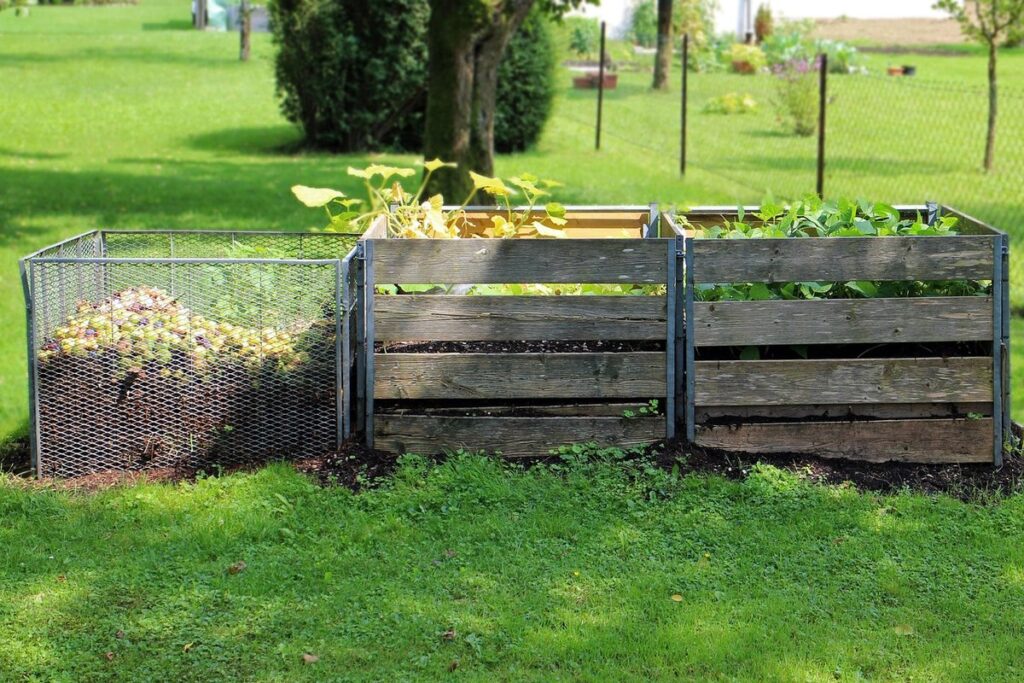
Why Compost Leaves?
When it comes to composting leaves, you might be wondering what makes them worth collecting and turning into nutrient-rich soil. In this section, we’ll explore the benefits of composting leaves in your backyard.
The Importance of Leaf Composting
Leaf composting plays a vital role in maintaining a balanced ecosystem, reducing waste disposal costs, and conserving natural resources. When leaves are discarded without being composted, they contribute to landfill waste, taking up valuable space and generating greenhouse gases as they decompose.
Composting leaves is an environmentally friendly way to manage yard waste. By turning leaves into nutrient-rich compost, you can reduce the need for synthetic fertilizers in your garden. This, in turn, decreases the amount of chemicals released into the environment, minimizing harm to plants, animals, and humans. For instance, a single ton of compost saves up to 1.2 tons of carbon dioxide emissions.
To start leaf composting, collect fallen leaves and mix them with other compostable materials like branches, grass clippings, or kitchen scraps in a designated bin. Ensure the pile is kept moist, but not waterlogged. Regular turning of the compost pile accelerates decomposition and reduces odors.
Environmental Benefits of Leaf Composting
Composting leaves is not only beneficial for your garden, but it also has numerous environmental benefits. By composting leaves, you can reduce greenhouse gas emissions that contribute to climate change. When leaves decompose in landfills, they release methane, a potent greenhouse gas. Composting leaves on-site, however, allows them to break down naturally, reducing the amount of methane released into the atmosphere.
Composting leaves also helps conserve water by reducing the need for synthetic fertilizers and soil amendments. These products often require significant amounts of energy to produce and transport, which can further contribute to greenhouse gas emissions. By using composted leaf litter as a natural fertilizer, you can improve soil structure, increase water retention, and support healthy plant growth.
In addition to its environmental benefits, composting leaves supports biodiversity by creating a habitat for beneficial microorganisms and insects that break down organic matter. This process not only reduces waste but also promotes ecological balance in your garden ecosystem.
Preparing Leaves for Composting
Before you start composting, it’s essential to properly prepare your leaves by removing any debris, twigs, and excess moisture to ensure a smooth process. Let’s break down this step-by-step.
Choosing the Right Leaves
When it comes to choosing the right leaves for composting, not all types are created equal. Some leaves are ideal for adding nutrients and structure to your compost pile, while others can be detrimental to the process.
Oak and maple leaves are excellent choices due to their high carbon-to-nitrogen ratio, which helps balance out the compost pile’s pH levels. On the other hand, pine needles and eucalyptus leaves contain oils that repel beneficial microorganisms and should be avoided.
Other types of leaves like cherry and elm can also work well in small quantities, but it’s essential to mix them with other materials to maintain a balanced compost pile. A good rule of thumb is to aim for 2/3 carbon-rich materials (like dry leaves) and 1/3 nitrogen-rich materials (such as grass clippings or kitchen scraps).
Remember that overly acidic or alkaline leaves can disrupt the pH balance, so it’s best to stick with neutral-tasting options like oak and maple. By selecting the right leaves for your compost pile, you’ll be well on your way to creating nutrient-rich soil for your garden.
Removing Contaminants from Leaves
When collecting leaves for composting, it’s essential to remove contaminants that can harm the composting process and create unpleasant odors. Start by sorting through the leaf pile and removing any twigs, branches, and weeds. These items can inhibit oxygen flow and create anaerobic conditions in the compost pile, leading to pest and odor issues.
Next, separate diseased or infested leaves from the healthy ones. Diseased leaves can harbor pathogens that can spread to other plants, while infested leaves can attract pests like rodents and insects. Remove any leaves with visible signs of disease, such as fungal growths or holes caused by insects.
It’s also crucial to remove any debris like plastic bags, paper clips, or other non-organic materials from the leaf pile. These items can contaminate the compost and make it unusable in your garden. By removing contaminants and maintaining a clean leaf pile, you’ll create an ideal environment for healthy composting and a nutrient-rich soil amendment for your plants.
Setting Up Your Composting System
To start composting leaves, you’ll need a proper system in place, which we’ll walk you through setting up next. This includes choosing the right bin and location for optimal decomposition.
Choosing a Composting Method
Choosing the right composting method is crucial to effectively utilizing your leaves and minimizing waste. There are several options available, each with its unique advantages and requirements.
In-ground composting involves burying the leaves in a designated area of your yard, where they’ll decompose over time. This method works well for small-scale leaf collection but can be challenging for larger quantities. Above-ground composting, on the other hand, uses bins or containers to hold the leaves. These bins can be placed anywhere in your yard and are ideal for larger households.
Worm composting, also known as vermicomposting, is a closed-system method that utilizes worms to break down the organic matter. This method requires minimal space and produces a high-quality fertilizer but can be more expensive upfront.
Consider factors such as available space, climate, and leaf quantity when choosing your composting method. For example, if you have limited yard space, an above-ground bin or worm composting might be a better option than in-ground composting.
Creating a Leaf Pile Structure
Creating an optimal leaf pile structure is crucial for efficient decomposition and minimizing odors. Start by choosing a location with good airflow to prevent moisture buildup, which can lead to anaerobic conditions that foster odor-causing bacteria. Aim for a spot that receives partial shade to moderate sunlight, as direct sun can dry out the leaves too quickly.
When building your leaf pile, consider the following tips:
* Begin with a 4-6 inch base layer of twiggy branches or coarse debris to improve drainage and aeration.
* Add alternating layers of leaves (about 3-4 feet high) and finer materials like grass clippings or kitchen scraps to create a balanced carbon-to-nitrogen ratio.
* Avoid compacting the pile by mixing in new materials; instead, gently turn it every 7-10 days to aerate and speed up decomposition.
By maintaining a loose, well-ventilated structure, you’ll be able to enjoy the benefits of leaf composting while minimizing its drawbacks. This approach will not only reduce odors but also create a nutrient-rich soil amendment for your garden.
The Composting Process
Now that we’ve covered why composting leaves is so beneficial, let’s dive into the process of turning your fallen leaves into nutrient-rich soil. We’ll break down each step to make it easy to follow along.
Understanding the Decomposition Process
At its core, composting is a biochemical process that breaks down organic matter into a nutrient-rich soil amendment. This decomposition process involves microorganisms such as bacteria and fungi consuming the carbon-based compounds found in leaves, releasing heat and carbon dioxide as byproducts. As the microorganisms feed on these compounds, they release enzymes that break down complex molecules into simpler ones.
The rate of decomposition depends on several factors, including temperature, moisture, oxygen levels, and carbon-to-nitrogen ratio. A balanced mix of “green” materials (high in nitrogen) with “brown” materials (high in carbon) is crucial for optimal decomposition. In a backyard composting setup, this means mixing leaves with other organic waste like food scraps or grass clippings to create an ideal environment for microorganisms.
The quality of the finished compost depends on the efficiency of the decomposition process. A well-composted leaf pile will have an earthy aroma and crumbly texture, indicating that the breakdown is complete and the nutrients are readily available for plants.
Monitoring Moisture, Temperature, and Odor Levels
Monitoring moisture levels is crucial to maintain an optimal balance in your compost pile. The ideal moisture level should be similar to that of a damp sponge – not waterlogged but neither dry either. Aim for a mix of 50-60% moisture, which allows microorganisms to thrive while preventing anaerobic conditions. If you notice the pile feels too wet or excessively dry, add more leaves or straw as needed.
Temperature fluctuations are also significant in the composting process. Compost piles typically reach temperatures between 130°F and 140°F (54°C-60°C) within the first few days. As the pile cools down, microorganisms break down organic matter. Monitor temperature by inserting a thermometer into the center of the pile.
Odor levels can be an indicator of anaerobic conditions or inadequate carbon-to-nitrogen ratios. If you notice unpleasant odors, add more carbon-rich materials like straw or shredded newspaper to balance out the nitrogen content in your compost pile. Regular turning and monitoring will help maintain optimal moisture, temperature, and odor levels throughout the composting process.
Turning the pile every 7-10 days promotes aeration and helps regulate temperatures.
Using Your Leaf Compost
Now that you’ve created a rich supply of leaf compost, it’s time to put it to good use in your garden. We’ll show you some creative ways to utilize this valuable resource.
Improving Soil Structure with Compost
When you add leaf compost to your soil, it can have a profound impact on its structure, fertility, and overall plant health. This is because leaf compost is rich in organic matter, which acts as a natural fertilizer and helps to improve the soil‘s water-holding capacity.
As leaf compost breaks down, it releases nutrients such as nitrogen, phosphorus, and potassium that are essential for plant growth. These nutrients also help to reduce soil compaction, making it easier for roots to grow and absorb moisture. Additionally, the humus in leaf compost acts as a natural mulch, suppressing weeds and retaining moisture in the soil.
To improve soil structure with compost, aim to mix 2-3 inches of compost into the top 6-8 inches of soil before planting. You can also use a layer of compost on top of the soil as a mulch to retain moisture and suppress weeds. Regularly adding leaf compost to your soil will help to create a fertile and well-draining growing environment that promotes healthy plant growth.
Non-Gardening Uses for Leaf Compost
One of the most exciting aspects of leaf compost is its versatility beyond gardening. While it’s an excellent natural fertilizer for plants, you can repurpose it in various ways around your home and yard. For instance, consider using leaf compost as a bedding material for small animals like rabbits or guinea pigs. This is especially beneficial during cold winter months when they need extra insulation to stay warm.
You can also use leaf compost as a path material or mulch for walkways and patios. Not only will it add a natural, earthy aesthetic to your outdoor spaces, but it’ll also help suppress weeds and retain moisture in the soil. Simply spread a 2-3 inch layer of leaf compost on the designated area and rake it evenly.
Another creative use for leaf compost is as a component in potpourri blends or craft projects. You can mix it with other natural ingredients like essential oils, herbs, or spices to create a unique and fragrant blend that’s perfect for indoor spaces.
Troubleshooting Common Issues
Don’t worry, we’ve all been there – dealing with a smelly compost pile or struggling to get leaves to break down. This next section will walk you through common issues and their easy solutions.
Dealing with Pests and Diseases in the Compost
Dealing with pests and diseases in compost can be a frustrating issue, but it’s essential to address them promptly to maintain a healthy composting process. As you’re composting leaves in your backyard, you may encounter unwanted guests like fruit flies, ants, or rodents that can contaminate the compost.
To manage these pests, make sure your compost pile is well-ventilated and not too wet, as this can attract insects. Regularly turning the pile will also help to eliminate any pest infestations. If you do notice pests, remove them manually, and take steps to prevent their return by sealing any entry points around the compost bin.
Diseases like mold, mildew, or fungal growths can also affect your compost. These issues often arise from too much moisture in the pile. To prevent this, ensure that your compost has a mix of “green” (nitrogen-rich) and “brown” (carbon-rich) materials. You can also add bulking agents like straw or shredded newspaper to absorb excess moisture.
Some common pests you might encounter while composting leaves include:
* Fruit flies: attracted by sweet-smelling food scraps
* Ants: drawn to sugary substances
* Rodents: seeking shelter and food in the compost pile
By taking proactive steps to manage these issues, you can maintain a healthy and productive composting process that turns your yard waste into nutrient-rich soil.
Resolving Smell and Odor Problems
Minimizing unpleasant odors during composting is crucial to maintaining a healthy and pest-free pile. When leaves break down, they release volatile organic compounds (VOCs) that can create strong smells. To mitigate this issue, ensure your compost bin has good airflow by leaving some space at the top or using aeration tools like pitchforks.
Another effective way to minimize odors is to balance the carbon-to-nitrogen ratio in your compost pile. Too much nitrogen (from animal manure or food scraps) can lead to ammonia production, causing strong odors. Add more brown materials like dried leaves, straw, or shredded newspaper to counterbalance high-nitrogen ingredients.
Additionally, regular turning of the compost pile helps speed up decomposition and reduces odor-causing compounds. Aim for a 3-4 foot deep pile, as this allows for optimal oxygen flow and heat dissipation. Finally, monitor your pile’s moisture levels; excessive dampness can lead to anaerobic conditions, resulting in unpleasant odors.
Conclusion
Now that you’ve learned how to compost leaves effectively, let’s summarize the key takeaways and share a final thought on making sustainable gardening choices.
Recap of Key Takeaways
In conclusion, composting leaves in your backyard is a simple yet effective way to reduce waste, create nutrient-rich soil, and promote sustainable gardening practices. By now, you should have a solid understanding of the benefits and methods of leaf composting.
One of the most significant advantages of leaf composting is its ability to divert yard waste from landfills and create a valuable resource for your garden. As we discussed earlier, leaves are rich in carbon and nitrogen, making them an ideal addition to your compost pile. By incorporating leaves into your compost, you can reduce the amount of space needed for your trash cans and create a more eco-friendly gardening routine.
Another key takeaway from this article is the importance of proper leaf collection and processing methods. We emphasized the need to shred or chop leaves before adding them to your compost pile, as whole leaves can take up too much space and slow down the decomposition process. Additionally, we highlighted the benefits of using a combination of “green” materials (such as food scraps and grass clippings) with “brown” materials (like leaves and straw) to create a balanced compost.
To recap, here are some key tips for successful leaf composting:
* Collect and shred or chop leaves regularly to maintain a steady supply
* Balance your compost pile by combining green and brown materials
* Monitor pH levels and moisture content to ensure optimal decomposition
* Turn the compost pile regularly to speed up the process
By incorporating these tips into your gardening routine, you can create a thriving compost system that benefits both your garden and the environment.
Frequently Asked Questions
Can I compost leaves from treated trees?
Yes, you can compost leaves from treated trees, but be aware that the chemicals used to treat the trees may not break down during the composting process and could potentially harm your garden or yard if they are present in large quantities. It’s essential to balance the potential risks with the benefits of using these leaves for compost.
What is a general rule of thumb for leaf compost pile size?
Aim for a leaf compost pile that’s around 3-4 feet tall and 6-8 feet wide, but feel free to adjust based on your specific needs. A larger pile can speed up decomposition, but it may also create heat and moisture issues if not managed properly.
How do I know when my leaf compost is ready?
Your leaf compost is ready when it’s dark in color, crumbly in texture, and has an earthy aroma. It should be free of recognizable leaves or other materials, and any finished compost should have a uniform consistency throughout.
What if I notice pests or diseases in my compost pile?
Regularly inspect your compost pile for signs of pests or diseases, and take action quickly to address the issue. Add more carbon-rich materials like straw or shredded newspaper to balance out the compost’s carbon-to-nitrogen ratio, which can sometimes attract pests. If necessary, transfer the affected portion to a separate area and treat it separately.
How do I store finished leaf compost over winter?
Finish storing your leaf compost in an airtight container, such as a bin or bag, before winter sets in. Keep it dry and out of direct sunlight to prevent moisture buildup and degradation during storage. When you’re ready to use it, simply break down the material with a shovel or rake.