
If you’ve ever stopped to think about the tiny ecosystem beneath your feet, you’re likely aware that soil is teeming with life. But have you considered the crucial role played by beneficial fungi in this underground world? These microscopic heroes are responsible for breaking down organic matter, recycling nutrients, and even supporting the health of nearby plants through symbiotic relationships. By cultivating beneficial fungi in your soil, you can unlock a wealth of benefits – from improved nutrient cycling to reduced erosion and enhanced plant growth. In this article, we’ll delve into the world of these hidden heroes, exploring how to cultivate them and harness their power for a healthier, more resilient ecosystem.
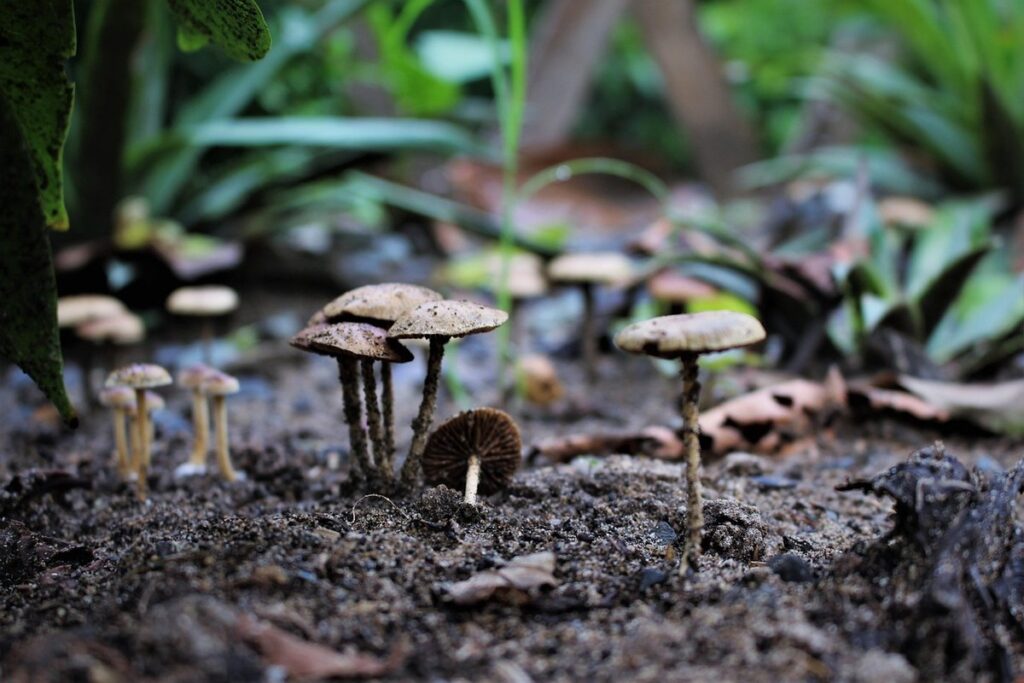
Understanding Beneficial Fungi in Soil
Let’s dive into the fascinating world of beneficial fungi, exploring how they form symbiotic relationships with plant roots and promote healthy soil ecosystems. You’ll learn about their key roles and functions.
What are Beneficial Fungi?
Beneficial fungi are microscopic organisms that live in soil and play a vital role in maintaining ecosystem balance. These fungi are not just beneficial to plants but also to the entire soil ecosystem. They are known as decomposers, helping to break down organic matter into nutrients that plants can absorb.
In simple terms, beneficial fungi are like underground gardeners, working tirelessly to create a nutrient-rich environment for plants to grow. They form symbiotic relationships with plant roots, exchanging nutrients for carbohydrates produced during photosynthesis. This mutualistic relationship is essential for plant growth and development.
Research has shown that certain species of beneficial fungi can increase crop yields by up to 25% and improve soil health by breaking down toxic substances. For example, mycorrhizal fungi have been found to form relationships with over 80% of all plant species worldwide, illustrating the significance of these hidden heroes in our ecosystem.
By understanding and harnessing the power of beneficial fungi, gardeners and farmers can create a more sustainable and efficient agricultural system.
Types of Beneficial Fungi
Beneficial fungi are incredibly diverse, with several types playing crucial roles in soil health. Mycorrhizal fungi, for instance, form symbiotic relationships with plant roots, facilitating nutrient exchange and enhancing soil fertility. These underground networks can cover vast areas, connecting plants in a web of mutual support.
Truffles, on the other hand, are prized for their culinary value but also contribute significantly to soil ecosystem services. Their extensive mycelium networks allow them to break down organic matter, improve soil structure, and support biodiversity. Meanwhile, mushrooms like oyster mushrooms and shiitake mushrooms can be used as a natural tool for bioremediation, helping to clean pollutants from contaminated soils.
Some beneficial fungi even produce antibiotics that help control plant pathogens, promoting a healthier microbial community in the soil. Take the example of the fungus Beauveria bassiana, which is known to combat fungal diseases in plants while also being safe for humans and animals. By understanding these unique characteristics and roles, we can harness their potential to improve soil health, support sustainable agriculture, and ultimately promote ecosystem resilience.
The Benefits of Beneficial Fungi
Beneficial fungi play a crucial role in soil health, and understanding their benefits is key to unlocking more productive and sustainable ecosystems for all gardeners. Let’s explore how these microscopic heroes improve our soil.
Soil Erosion Prevention and Remediation
Beneficial fungi play a crucial role in preventing soil erosion and aiding in remediation efforts. By improving soil structure and increasing water retention, these microorganisms help to stabilize the soil, making it less susceptible to erosion.
One of the key ways beneficial fungi achieve this is by promoting the formation of aggregate structures within the soil. These aggregates are clusters of soil particles that stick together, creating a more stable matrix that resists erosion. By improving soil aggregation, beneficial fungi can reduce runoff and decrease the likelihood of soil being washed away.
In addition to improving soil structure, beneficial fungi also increase water retention in the soil. This is particularly important for preventing soil erosion, as dry soils are much more susceptible to erosion than moist ones. Beneficial fungi achieve this by increasing the water-holding capacity of the soil, allowing it to retain more moisture and reduce evaporation.
In practice, you can promote beneficial fungi in your soil through techniques such as cover cropping, composting, and minimal tillage. These practices create an environment that is conducive to fungal growth, allowing these microorganisms to take hold and begin their work.
Nutrient Cycling and Availability
Beneficial fungi play a vital role in nutrient cycling, making essential micronutrients available to plants. These microorganisms have a symbiotic relationship with plant roots, facilitating the exchange of nutrients and water. Through mycorrhizal associations, beneficial fungi increase the surface area of root systems, allowing for more efficient uptake of nutrients.
As a result, plants receive a constant supply of vital micronutrients, promoting healthy growth and development. This phenomenon is particularly evident in areas with poor soil fertility, where beneficial fungi act as a nutrient bridge between the soil and plant roots.
For example, studies have shown that mycorrhizal networks can transfer phosphorus from one plant to another, demonstrating their role in redistributing nutrients throughout the ecosystem. By incorporating beneficial fungi into your gardening or farming practices, you can create a more sustainable and nutrient-rich environment for your plants to thrive. This approach not only reduces fertilizer use but also fosters a balanced soil microbiome.
The Role of Beneficial Fungi in Plant Health
Beneficial fungi play a crucial role in maintaining plant health, and it’s time to explore how these tiny heroes support our ecosystem. Let’s dive into their fascinating world.
Mycorrhizal Relationships and Mutualism
At the heart of soil health lies a symbiotic relationship between beneficial fungi and plant roots – mycorrhizal relationships that are truly mutualistic. When plant roots form connections with fungal hyphae, they create a network that allows for the exchange of nutrients and water. In return for these resources, the fungus receives carbohydrates produced during photosynthesis.
This interplay benefits both parties: plants gain access to an expanded soil area, increasing their nutrient uptake by up to 20%, according to research by The University of Western Australia. Fungi, meanwhile, receive essential carbon compounds that support their growth and reproduction. In a forest ecosystem, for instance, mycorrhizal networks can stretch several square meters, allowing trees to share nutrients with one another.
To foster these relationships in your garden or orchard, focus on cultivating diverse soil microbiomes through techniques such as crop rotation and cover cropping. This approach encourages beneficial fungi populations to thrive, supporting the health of your plants and promoting ecological balance.
Defense Against Pathogens and Pests
Beneficial fungi play a crucial role in plant defense mechanisms against pathogens and pests. These tiny organisms produce compounds that help protect plants from infections, reducing the need for pesticides and promoting overall resilience. One such compound is gliotoxin, produced by Trichoderma harzianum, which has been shown to inhibit the growth of fungal pathogens.
In addition to producing defensive compounds, beneficial fungi also stimulate plant immunity. They can induce systemic acquired resistance (SAR) in plants, enhancing their ability to respond to future attacks. For example, research has demonstrated that mycorrhizal fungi can trigger SAR in wheat against powdery mildew infection.
To harness the power of beneficial fungi for plant defense, gardeners and farmers can incorporate them into their soil management practices. This includes using fungal-based biofertilizers, inoculating seeds with beneficial fungi, or adding compost tea rich in fungal spores to the soil. By doing so, they can create a balanced ecosystem that promotes healthy plant growth and reduces susceptibility to disease.
Beneficial Fungi and Soil Health
Beneficial fungi play a vital role in maintaining healthy soil ecosystems, and understanding their importance is crucial for any gardener or farmer looking to improve soil fertility. Let’s dive into how these hidden heroes work their magic.
Soil Structure and Porosity Improvement
Beneficial fungi play a crucial role in improving soil structure and porosity, leading to increased aeration, water infiltration, and root growth. One of the primary ways they achieve this is by producing enzymes that break down organic matter, making it easier for microorganisms to colonize and degrade complex compounds. This process enhances soil’s ability to hold water, reducing runoff and erosion while promoting healthy root development.
As beneficial fungi work to improve soil structure, they also increase porosity by creating channels for air and water to penetrate deeper into the soil profile. This increased aeration allows roots to breathe more easily, leading to faster growth rates and improved plant health. Furthermore, improved water infiltration reduces the need for irrigation, making it an essential component of sustainable agriculture practices.
Incorporating beneficial fungi into your soil management strategy can be achieved through inoculation with fungal spores or by adding organic amendments that support their growth. By doing so, you’ll not only enhance soil structure and porosity but also create a thriving ecosystem that supports the development of healthy crops and ecosystems.
Microbiome Balance and Diversity
Maintaining microbiome balance and diversity is crucial for soil health, and beneficial fungi play a significant role in achieving this balance. These microorganisms work tirelessly to break down organic matter, recycle nutrients, and create a favorable environment for plant growth.
The consequences of their absence can be devastating: reduced soil fertility, decreased crop yields, and increased susceptibility to pests and diseases. A study by the University of California found that soils with low beneficial fungi populations had significantly lower levels of nitrogen availability, leading to stunted plant growth and reduced agricultural productivity.
To promote microbiome balance and diversity, gardeners and farmers can implement simple practices such as incorporating organic amendments, reducing tillage, and maintaining adequate moisture. These actions create an environment conducive to beneficial fungi growth, allowing them to thrive and perform their vital functions.
By understanding the importance of beneficial fungi in soil health, we can take steps to support these microorganisms and reap the rewards of a balanced microbiome: healthier plants, improved crop yields, and enhanced ecosystem resilience. By prioritizing the well-being of our soil’s microbial communities, we can create more sustainable agricultural practices that benefit both people and planet.
Cultivating Beneficial Fungi in Your Soil
Let’s dive into the fun part of cultivating beneficial fungi in your soil, where you’ll learn how to create a fungal-friendly environment and encourage their growth naturally. This is especially crucial for healthy soil structure and ecosystem balance.
Tips for Creating a Fungus-Friendly Environment
To create an environment that fosters beneficial fungal growth, you need to focus on promoting soil health and fertility. Start by adding organic matter such as compost, manure, or leaf litter to the soil. This will not only provide a food source for fungi but also improve soil structure and increase its ability to retain water and nutrients.
Aim to incorporate a mix of ‘C’ – carbon-rich materials like leaves, straw, and wood chips – and ‘N’ – nitrogen-rich materials like blood meal or fish bone meal – into your compost pile. This balance will help create a nutrient-rich environment that benefits both fungi and plants.
To further enhance soil fertility, consider incorporating cover crops like legumes, which have nodules on their roots that fix atmospheric nitrogen, making it available to other organisms in the soil ecosystem. These simple steps can go a long way in cultivating beneficial fungal growth and creating a thriving soil community.
Methods for Introducing Beneficial Fungi
Introducing beneficial fungi into your soil can be achieved through several methods. One effective approach is inoculation, where you apply fungal spores directly to the soil. This method allows for precise control over the type and amount of fungi introduced. For instance, mycorrhizal fungi can be applied as a powder or liquid to specific areas of your garden.
Composting is another excellent way to introduce beneficial fungi into your soil. As organic matter decomposes, it releases fungal spores that colonize the surrounding soil. This process enhances soil structure and fertility while promoting a diverse microbial community. Consider adding materials like mushroom compost or worm castings to your compost pile to boost fungal populations.
Cover cropping is a more passive method that involves planting specific crops known to attract beneficial fungi. These crops, such as clover or rye, have symbiotic relationships with fungi in the soil, which can lead to improved nutrient cycling and increased soil health. By incorporating these crops into your rotation, you can indirectly introduce beneficial fungi into your soil ecosystem.
Conclusion: Harnessing the Power of Beneficial Fungi
Now that we’ve explored the fascinating world of beneficial fungi, let’s summarize what we’ve learned and discuss practical ways to harness their incredible power in our soil. By doing so, you’ll be well on your way to a healthier ecosystem.
Recap of Key Takeaways
Beneficial fungi play a crucial role in maintaining soil health, and it’s essential to recognize their importance. By now, you’ve learned about the various ways beneficial fungi contribute to soil fertility, structure, and ecosystem balance. These microscopic heroes break down organic matter, making nutrients available for plants to absorb. They also form symbiotic relationships with plant roots, increasing water and nutrient uptake.
To harness the power of beneficial fungi in your own soil, consider implementing some simple practices. First, adopt a no-till or reduced-till approach to minimize soil disturbance, which can harm fungal networks. Next, incorporate organic amendments like compost or manure, rich in carbon and nutrients that fuel fungal growth. Mulch cover crops can also provide a habitat for beneficial fungi to thrive.
By understanding the role of beneficial fungi and taking steps to support their presence, you’ll create a healthier, more resilient soil ecosystem. This will not only benefit your plants but also contribute to a sustainable future for our planet.
Encouraging Further Research and Adoption
As we conclude our exploration of beneficial fungi’s crucial role in soil health, it’s essential to emphasize that there is still much to be discovered about these microscopic heroes. We urge you to join the ongoing research efforts and contribute to a deeper understanding of their mechanisms and potential applications.
Consider collaborating with local universities or research institutions to investigate the specific types of beneficial fungi thriving in your region’s soil. This collaboration can lead to groundbreaking discoveries, such as identifying new fungal species that can enhance crop yields or improve soil structure.
In addition to furthering our scientific knowledge, we encourage you to adopt practical strategies for cultivating a fungus-friendly environment. Implement techniques like reduced tillage, cover cropping, and incorporating organic amendments into your gardening routine. These methods not only support the growth of beneficial fungi but also promote overall soil health and biodiversity.
By embracing these research opportunities and adopting beneficial fungal-supportive practices, you’ll be contributing to a more sustainable and resilient agricultural ecosystem.
Frequently Asked Questions
What are the ideal conditions for cultivating beneficial fungi in my soil?
Beneficial fungi thrive in environments with adequate moisture, oxygen, and nutrient availability. To create an optimal environment, aim to maintain a consistent soil temperature between 40°F to 80°F (4°C to 27°C), ensure proper drainage, and maintain a pH level between 6.0 and 7.0. By doing so, you’ll provide the necessary conditions for beneficial fungi to establish themselves and begin their work.
How long does it take for beneficial fungi to start showing benefits in my garden?
The time frame for noticeable improvements can vary depending on factors like soil quality, type of plants, and environmental conditions. Generally, you may start seeing positive effects within a few weeks to several months after introduction. For example, improved plant growth and increased nutrient cycling might be observed as early as 4-6 weeks, while enhanced soil structure and erosion prevention could take longer – typically around 3-6 months.
Can I use chemical fertilizers alongside beneficial fungi in my garden?
Using chemical fertilizers can negatively impact the establishment of beneficial fungi. These chemicals can disrupt the delicate balance of your soil’s ecosystem, potentially harming or even killing off beneficial fungal populations. Instead, consider adopting a more holistic approach by using natural amendments and allowing beneficial fungi to break down organic matter.
Are there specific plants that are better suited for cultivating beneficial fungi?
Certain plant species have evolved to form strong associations with beneficial fungi. Plants like legumes (e.g., beans, peas), grasses, and herbs (like comfrey) tend to support the growth of beneficial fungal populations. Incorporating these species into your garden can help create a more diverse and resilient soil ecosystem.
Can I use mushroom spawn or mycorrhizal inoculum as a substitute for cultivating beneficial fungi from scratch?
Using mushroom spawn or mycorrhizal inoculum can be an effective way to introduce beneficial fungi into your garden, especially if you’re starting with bare soil. However, keep in mind that these products might not provide the same long-term benefits as establishing a natural population through proper soil management and environmental conditions.