
As a beginner gardener, you’re probably eager to get started with growing your own fruits and vegetables. Raised bed gardening is an excellent way to do so, and for good reason – it’s easy on the back, allows for better drainage, and can be customized to fit any space or style. But where do you start? Planning, building, planting, and maintaining a thriving raised bed garden can seem daunting, but don’t worry, we’ve got you covered. In this comprehensive guide, we’ll walk you through each step of the process, from choosing the perfect location to harvesting your bountiful crop. By following our tips and tricks, you’ll be on your way to creating a beautiful and productive raised bed garden that will provide you with fresh produce all season long.
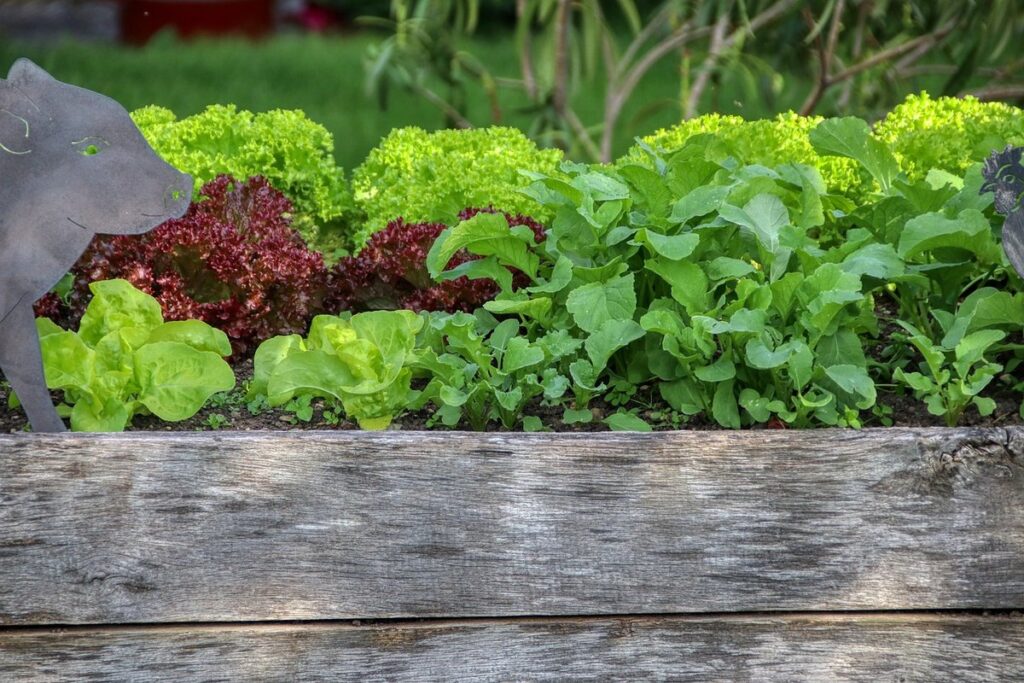
Planning Your Raised Bed Garden
Now that you’ve chosen a raised bed location, let’s dive into planning your garden layout to ensure optimal growth and accessibility for years to come.
Choosing the Right Location
When it comes to planning your raised bed garden, choosing the right location is crucial for its success. As a beginner gardener, you’ll want to ensure that your chosen spot receives sufficient sunlight and is easily accessible.
Sunlight is essential for most plants, so select a location that gets at least 6 hours of direct sunlight per day. Consider the direction your yard faces: south-facing areas receive the most sunlight, while north-facing areas receive much less. If you have a shaded area, don’t worry – there are still many plants that thrive in partial shade.
Accessibility is also vital for maintaining and harvesting your garden. Choose a spot that’s close to a water source and has good drainage to avoid waterlogged soil. Be mindful of local regulations or restrictions on gardening, such as proximity to property lines, septic systems, or nearby waterways. Check with your local authorities to ensure you’re not inadvertently breaking any rules. By carefully considering these factors, you’ll set yourself up for a thriving and enjoyable raised bed garden.
Selecting the Perfect Size and Material
When it comes to selecting the perfect size and material for your raised bed garden, there are several factors to consider. One of the most significant decisions you’ll make is choosing a size that fits your available space and meets your gardening needs.
A general rule of thumb is to start with a minimum size of 4×4 feet for a small raised bed, which can support a few tomato plants or a mix of herbs and leafy greens. However, if you have more space, consider a larger bed (6×8 feet or bigger) that can accommodate multiple rows of vegetables, fruits, or flowers.
In terms of materials, wood is a popular choice for raised beds due to its natural look and feel. Cedar and cypress are durable options that resist rot and insects. However, they may require more maintenance than other materials. Composite and metal raised beds are also available, offering low-maintenance and long-lasting solutions. Consider your budget, desired aesthetic, and willingness to maintain a wooden bed when making this decision.
Ultimately, choose a size and material that suits your lifestyle and gardening goals. A well-planned raised bed garden will provide you with years of enjoyment and bountiful harvests.
Designing Your Garden Layout
When designing your raised bed garden layout, it’s essential to consider both functionality and aesthetics. You want to create a space that is not only visually appealing but also functional and efficient.
To begin with, think about the mature size of each plant you plan to grow. Consider companion planting, where certain plants are paired together to enhance growth or deter pests. For example, basil repels aphids and other pests, making it an excellent companion for tomatoes.
Crop rotation is another crucial aspect of garden design. Rotate your crops seasonally to avoid depleting the soil of specific nutrients and to reduce the risk of pest and disease buildup. Divide your raised bed into sections or “zones” to group similar plants together.
As you plan your layout, remember that taller plants like sunflowers or corn should be placed towards the north side of the bed to avoid shading smaller plants. Leave enough space between each plant for proper air circulation and ease of maintenance. By considering these factors, you’ll create a beautiful and productive raised bed garden that will thrive all season long.
Building Your Raised Bed Garden
Now that you have a solid foundation, let’s move on to building your raised bed garden. This section will walk you through the process of constructing and preparing your raised bed for planting.
Preparing the Site
Before you start building your raised bed garden, it’s essential to prepare the site where it will sit. This step is often overlooked by beginners, but trust me, it makes all the difference in the long run.
First and foremost, clear any debris from the area. We’re talking about leaves, twigs, old gardening tools – anything that could get in the way of your raised bed’s foundation. Use a rake or a trowel to gently remove the debris, and set it aside for composting later (you’ll see why this is important soon). Once you’ve cleared the area, take a closer look at the ground itself.
Leveling the ground may seem like a tedious task, but it’s crucial for the stability of your raised bed. Imagine if one side was higher than the other – your plants would be unevenly distributed, and water might not drain properly. To level the ground, use a spirit level or a rake to even out the surface. You can also lay down a layer of landscape fabric to prevent weeds from growing up through your raised bed.
By taking these initial steps, you’ll create a solid foundation for your raised bed garden that will support it for years to come.
Constructing the Frame
Before constructing the frame of your raised bed garden, ensure you’re familiar with the necessary materials and safety precautions. A basic raised bed can be built using wood, composite, or metal frames.
To begin, gather your tools: a circular saw for cutting lumber, a drill press for drilling screw holes, a tape measure for precise measurements, and a hammer for tapping screws into place. Always wear protective gear like gloves, safety glasses, and a dust mask when working with power tools. When handling sharp objects or heavy materials, maintain a firm grip to avoid accidents.
For a 4′ x 8′ raised bed, you’ll need four corner posts, eight side rails, and two bottom panels made from your chosen material. Use wood screws to attach the frame’s components together. If using composite or metal frames, follow the manufacturer’s instructions for assembly.
Consider enlisting help when lifting heavy materials or handling long pieces of lumber. This will not only ensure your safety but also prevent damage to the surrounding area. With these basic steps and precautions in mind, you’re ready to construct the frame of your raised bed garden.
Adding Soil and Irrigation Systems
When filling your raised bed with high-quality potting mix, it’s essential to do so correctly to ensure healthy plant growth. Start by adding a 2-3 inch layer of organic matter such as compost or well-rotted manure to improve soil fertility and structure. Next, fill the bed with a mix specifically designed for containers, which will have the right balance of nutrients and drainage.
For a raised bed garden, it’s also crucial to install an efficient irrigation system. Drip irrigation is an excellent choice, as it delivers water directly to the roots of the plants, reducing evaporation and runoff. Alternatively, soaker hoses can be used, which release water slowly along their length. When choosing an irrigation system, consider the size of your bed, the type of plants you’re growing, and the climate in your area.
Make sure to install a timer or moisture sensor to prevent overwatering, which can lead to root rot and other problems.
Planting Your Raised Bed Garden
Now that you have a raised bed plan, it’s time to dig in and start planting your garden. Let’s go over the steps for creating a thriving raised bed.
Choosing the Right Plants
When it comes to choosing plants for your raised bed garden, there are several factors to consider. Climate is a crucial one – if you live in an area with hot summers, opt for heat-tolerant plants like okra and southern peas. On the other hand, if you experience cool winters, choose hardy varieties such as broccoli and kale.
Soil type also plays a significant role in plant selection. If your raised bed has well-draining soil, you can plant vegetables that prefer dry conditions, like tomatoes and peppers. However, if your bed retains moisture, focus on plants that thrive in wet environments, like lettuce and spinach.
Sun requirements are another essential consideration. Plants need at least 6 hours of direct sunlight per day to photosynthesize effectively. Consider this when choosing fruits, such as strawberries and blueberries, which require full sun, or herbs like mint and basil, which prefer partial shade.
Some beginner-friendly plants for raised beds include zucchini, carrots, radishes, and marigolds. These are easy to grow, mature quickly, and can thrive in a variety of conditions.
Planting Techniques and Spacing
When planting your raised bed garden, it’s essential to consider proper planting techniques to ensure healthy growth and maximize yields. This includes spacing, depth, and companion planting.
To determine the right spacing for your plants, research their mature size and leave enough space between them for easy access and air circulation. A general rule of thumb is to plant vegetables 2-3 inches apart, while flowers can be planted 6-12 inches apart. For example, tomatoes should be spaced at least 18-24 inches apart to prevent disease spread.
When planting seeds directly into the raised bed, follow the package instructions for depth and spacing. Typically, seeds are sown 1/4 inch deep, but some plants like carrots require shallower or deeper planting. If you’re starting with seedlings, handle them gently to avoid damaging their roots. Harden off seedlings before transplanting by gradually exposing them to outdoor conditions over the course of 7-10 days.
Companion planting is also crucial in raised bed gardening. Pair plants that complement each other in terms of growth habits and pest resistance. For instance, planting marigolds with tomatoes repels nematodes and attracts beneficial insects.
Mulching and Watering Routines
Mulching and watering are two crucial aspects of maintaining a healthy raised bed garden. Mulch serves as a vital layer that helps retain moisture in the soil, reducing the need for frequent watering. It also suppresses weed growth by blocking light and preventing seeds from germinating. Organic mulches like wood chips or straw work well, but be sure to choose materials that won’t harbor diseases.
When it comes to watering, raised bed gardens require more attention than traditional in-ground beds. Watering should be done deeply but infrequently, encouraging the roots of your plants to grow deeper into the soil. Aim to provide about 1-2 inches of water per week, either through rainfall or irrigation. Avoid overwatering, which can lead to root rot and other problems.
To ensure optimal watering, check the soil moisture by inserting your finger into the soil up to the knuckle. Water when the top inch feels dry. You can also use a moisture meter for more accuracy. Keep in mind that different plants have varying watering needs, so research specific requirements for your crops to avoid over- or underwatering.
Maintaining Your Raised Bed Garden
Now that you’ve established a thriving raised bed garden, it’s time to keep it healthy and productive throughout the seasons with regular maintenance tasks. This includes watering, pruning, and fertilizing your plants to ensure optimal growth.
Monitoring and Adjusting
As your raised bed garden grows and matures, it’s essential to monitor its progress and make adjustments as needed. This will ensure that your plants receive the right amount of care and attention to thrive.
Start by regularly inspecting your garden for signs of stress or disease. Look for yellowing leaves, black spots, or other unusual growth patterns. Prune affected areas promptly to prevent the problem from spreading. For example, if you notice aphids on your tomato plants, prune off any heavily infested stems and dispose of them.
Fertilize your raised bed garden according to its specific needs. Most vegetable gardens require a balanced fertilizer (e.g., 10-10-10 N-P-K) applied every 4-6 weeks during the growing season. You can also side-dress with compost or well-rotted manure for added nutrients.
Keep an eye out for pests like slugs, snails, and caterpillars, which can quickly devastate your crops. Use organic pest control methods whenever possible, such as hand-picking, neem oil, or diatomaceous earth. By monitoring and adjusting your raised bed garden regularly, you’ll be able to catch any potential issues before they become major problems.
Seasonal Tasks and Preparations
As you tend to your raised bed garden, it’s essential to stay on top of seasonal tasks and preparations to ensure its continued health and productivity. Here are some key responsibilities to keep in mind:
In the spring, focus on replenishing soil nutrients with compost or well-rotted manure, and pruning any dead or damaged plants to make way for new growth. This is also a great time to replant cool-season crops like lettuce, broccoli, and kale. For warm-season crops, wait until the soil has warmed up and the risk of frost has passed.
Summer months require regular watering, especially during periods of drought. Make sure your raised bed garden receives at least 1-2 inches of water per week, either from rain or irrigation. Keep an eye out for common summer pests like aphids, whiteflies, and spider mites, and take action promptly to prevent infestations.
In the fall, focus on cleaning up debris and preparing the soil for winter. Add a layer of compost or mulch to protect the soil from erosion and extreme temperatures. This is also a great time to plant cool-season crops like Brussels sprouts, carrots, and beets.
Finally, in the winter, protect your raised bed garden from harsh weather conditions by covering it with a breathable sheet or tarp. You can also use this time to plan and prepare for next year’s gardening season, making notes on what worked well and what didn’t.
Troubleshooting Common Issues
Don’t worry if you encounter some bumps along the way – we’ve got you covered with troubleshooting tips for common issues that can arise in raised bed gardening.
Dealing with Pests and Diseases
As a raised bed gardener, you’ll inevitably encounter pests and diseases that can harm your plants. Identifying these issues early on is crucial to prevent them from spreading and causing significant damage. Common pests in raised beds include aphids, whiteflies, slugs, and snails, while common diseases include powdery mildew, downy mildew, and fungal infections.
To deal with these issues, start by inspecting your plants regularly for signs of pest or disease infestation. Look for holes in leaves, sticky substance on leaves or stems, or unusual growth patterns. For organic pest management, use neem oil, insecticidal soap, or horticultural oil to control pests. You can also introduce beneficial insects like ladybugs and lacewings that prey on common garden pests.
For diseases, practice good sanitation by removing infected plants and disposing of them properly. Improve air circulation around your raised beds to prevent moisture from accumulating and promoting fungal growth. Use fungicides as a last resort, but always follow the label instructions carefully to avoid harming beneficial microorganisms in the soil.
Resolving Soil and Irrigation Issues
As you tend to your raised bed garden, it’s not uncommon to encounter issues that can affect plant growth and overall health. Soil and irrigation problems are two of the most common challenges beginners face. Let’s tackle these issues one by one.
Drainage problems can be identified by waterlogged soil or standing water in the raised bed. To resolve this, ensure the raised bed has adequate drainage holes at the bottom. If your bed is solid-bottomed, you can drill a few holes to improve airflow and prevent waterlogging. Another approach is to mix in perlite or vermiculite, which help with drainage.
Nutrient deficiencies can be identified by weak growth, yellowing leaves, or stunted plants. To address this, incorporate compost or well-rotted manure into the soil. You can also use fertilizer according to package instructions. For example, a balanced fertilizer (10-10-10 N-P-K) will provide essential nutrients for plant growth.
Regular monitoring of your raised bed’s conditions is key to preventing and resolving these issues. Be sure to check soil moisture levels before watering, and adjust as needed.
Beginner Tips and Tricks
As you start your raised bed gardening journey, it’s essential to keep things simple and manageable, which is why we’ve put together these beginner-friendly tips to get you growing in no time.
Overcoming Common Mistakes
As you embark on your raised bed gardening journey, it’s easy to fall into common pitfalls that can hinder your progress. Let’s address some of the most frequent mistakes beginners make and provide tips on how to overcome them.
Incorrect soil selection is a major mistake many novices commit. Using regular garden soil in a raised bed won’t drain properly, leading to waterlogged conditions. Instead, mix a blend of topsoil, compost, and perlite or vermiculite for well-draining, fertile soil.
Insufficient sunlight is another issue that often arises from poorly planned layouts. Ensure your raised beds receive at least 6 hours of direct sunlight daily. If this isn’t feasible, consider using grow lights to supplement natural light.
Don’t forget to account for proper drainage. Raised beds without adequate drainage can become waterlogged, leading to root rot and other problems. Incorporate a layer of gravel or broken pottery at the bottom of your raised bed to prevent water from accumulating.
Overcrowding is another common mistake beginners make. Give each plant enough space to grow, and avoid planting too many varieties in one bed. This will not only hinder growth but also increase the risk of disease transmission between plants.
Maximizing Space and Yield
When it comes to maximizing space and yield in your raised bed garden, there are several strategies you can employ. One technique is succession planting, which involves growing multiple crops of the same plant in a single season. For example, you could grow lettuce in one corner of your bed, then replace it with radishes or green onions as soon as it’s harvested.
Another approach is vertical gardening, where you use trellises or other supports to grow vining plants upwards. This can be especially useful for small spaces, and can even make your raised bed garden look more visually appealing. Consider growing peas, beans, or cucumbers up a trellis, leaving the space below it open for other crops.
To take your vertical gardening to the next level, consider using a trellis with built-in planters or pockets. This will allow you to grow multiple plants in the same space without having to worry about separate containers. By implementing these strategies, you can make the most of your raised bed garden and enjoy a bountiful harvest all season long.
Frequently Asked Questions
What if I don’t have a south-facing yard, can I still grow vegetables in my raised bed garden?
Yes, while sunlight is essential for most plants, you can still grow vegetables in a shaded area. Consider using shade-tolerant varieties like lettuce, spinach, or herbs, which require less direct sunlight.
How often should I water my raised bed garden, and what’s the best way to check soil moisture?
Water your raised bed garden when the top 2-3 inches of soil feel dry to the touch. To check soil moisture, insert a finger into the soil up to the knuckle; if it feels dry, it’s time to water.
Can I use recycled materials for my raised bed frame, and how do I ensure they’re durable enough?
Yes, you can repurpose old wood or composite materials for your raised bed frame. Ensure they’re durable by using weather-resistant finishes or treatments and assembling the frame securely to prevent sagging.
How do I deal with common pests like aphids, slugs, and snails in my raised bed garden?
To control pests, use natural methods whenever possible. For example, introduce beneficial insects like ladybugs (aphid-eaters) or use physical barriers for slugs and snails. Regularly inspect your plants and take action at the first sign of infestation.
What’s the best way to maintain soil quality in my raised bed garden over time?
To maintain healthy soil, rotate crops seasonally, add organic matter like compost or manure, and avoid over-fertilizing. Test your soil pH regularly and adjust as necessary to ensure optimal growing conditions for your plants.