
You might be familiar with the numerous health benefits associated with consuming beetroot, but did you know that its leaves can also be hazardous to your health? Yes, you read that right! Beetroot leaves contain a toxic compound called oxalic acid, which can cause serious symptoms if ingested in large quantities. From nausea and vomiting to kidney damage and even paralysis, the potential risks of eating beetroot leaves are alarmingly high. In this article, we’ll delve into the world of beetroot leaf toxicity, exploring common symptoms, factors that influence its toxicity, and most importantly, prevention tips to ensure your safety while cooking with beets. Whether you’re a seasoned chef or just a beet enthusiast, understanding these risks can help you avoid potential dangers and enjoy your favorite ingredients with peace of mind.
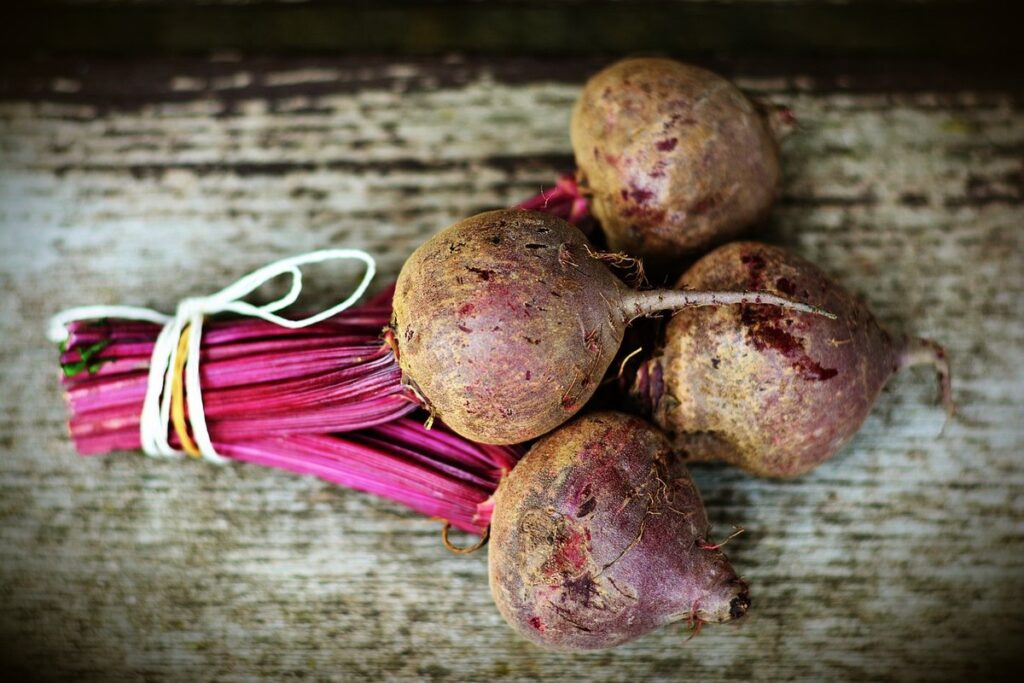
The Risks Associated with Eating Beetroot Leaves
While beetroot leaves may be nutritious, they can also pose some serious health risks if not handled and consumed properly. This is crucial knowledge to have before adding them to your salads or smoothies.
Botanical Classification and Similarities to Other Toxic Plants
Beetroot leaves belong to the Amaranthaceae family, specifically within the Beta genus. This classification is crucial for understanding their botanical makeup and potential toxicity. The Beta genus also includes other plants like sugar beets and chard, which are edible but still pose some risks.
Interestingly, beetroot leaves share similarities with other toxic plants in this family. For instance, Amaranth (Amaranthus spp.) has been known to cause gastrointestinal issues if ingested in large amounts. Similarly, the young shoots of the Cassava plant (Manihot esculenta), another member of the Euphorbiaceae family, contain naturally occurring cyanide compounds that can be toxic.
When it comes to beetroot leaves specifically, their high concentration of nitrates and oxalate content may lead to adverse health effects. Nitrates can cause methemoglobinemia, a condition characterized by an abnormal amount of methemoglobin in the blood. This highlights the importance of proper identification and safe handling of these plants.
It’s essential to note that while beetroot leaves are technically edible, their toxicity levels render them unsuitable for human consumption.
Historical Use and Cultural Significance
Beetroot leaves have been a part of various cultures and cuisines for centuries, often used in ways that differ significantly from modern cooking practices. In some Eastern European countries, such as Poland and Ukraine, beet greens were considered a staple ingredient and were frequently used in soups, stews, and salads. The leaves were also pickled or fermented to preserve them for winter consumption.
In traditional Indian cuisine, beet greens are still used in various dishes, including curries and chutneys. However, it’s worth noting that the way they’re prepared can vary greatly from modern practices. For instance, in some recipes, the leaves are boiled multiple times to remove bitterness before being sautéed with spices.
In contrast, many modern cooks have begun to adopt a more nuanced approach to using beet greens, often focusing on preserving their natural sweetness and flavor profile. To safely use beetroot leaves in cooking, it’s essential to properly identify them, as they can be easily confused with other plants that may be toxic. Always choose fresh, organic leaves from trusted sources, and consider consulting with a healthcare professional or experienced forager before incorporating them into your diet.
Common Symptoms of Beetroot Leaf Poisoning
If you suspect you’ve ingested toxic beetroot leaves, it’s essential to be aware of the common symptoms that can range from mild discomfort to severe illness. Keep an eye out for these telltale signs in yourself and others.
Early Warning Signs
If you’ve ingested beetroot leaves and are experiencing symptoms, it’s essential to be aware of the early warning signs. Nausea is often one of the first indicators that something is amiss, manifesting as a queasy feeling or an actual urge to vomit. If you’re experiencing dizziness or lightheadedness, this can also be a sign that your body is reacting poorly to the toxins present in beetroot leaves.
Other common symptoms include stomach cramps and diarrhea, which can make you feel uncomfortable and disoriented. In some cases, people may experience headaches or fatigue as their body tries to process the toxins. If you’re experiencing any of these symptoms after eating beetroot leaves, it’s crucial to seek medical attention immediately.
It’s also worth noting that some individuals may not exhibit any noticeable symptoms at all. However, even if you don’t feel unwell right away, ingesting large quantities of beetroot leaves can still have long-term consequences for your health. If you’re concerned about the potential risks or have experienced adverse effects, consult with a medical professional for guidance and support.
Severe Symptoms and Complications
Consuming beetroot leaves can lead to severe symptoms and complications, some of which can be life-threatening. If you’ve ingested large quantities of the leaves, you may experience organ damage, including kidney failure, liver damage, or heart problems. The high levels of oxalic acid in beetroot leaves can cause these issues by binding with calcium in your body, leading to a range of symptoms.
Symptoms can include difficulty breathing, rapid heartbeat, and seizures, which can be indicative of severe toxicity. In extreme cases, eating large amounts of beetroot leaves has led to acute kidney injury, necessitating dialysis or even organ transplantation.
If you suspect someone has ingested toxic levels of beetroot leaves, it’s essential to seek medical attention immediately. Your doctor may administer activated charcoal to help absorb the toxins and provide supportive care until your symptoms subside. Prevention is key; be cautious when consuming wild or foraged greens like beetroot leaves and always research their edibility before consumption.
Factors That Influence Toxicity
Let’s take a closer look at what makes some people experience adverse effects from eating beetroot leaves. Several key factors come into play here, including individual tolerance and lifestyle choices.
Cooking Methods and Preparation
When it comes to reducing the toxicity of beetroot leaves, cooking methods and preparation techniques play a significant role. While raw beetroot leaves are indeed toxic due to their high levels of oxalic acid, glycosinolates, and other compounds, heat can help mitigate these effects.
Cooking beetroot leaves with high temperatures and sufficient water can help break down some of the toxins, making them safer for consumption. Boiling or steaming is a great way to do this, as it allows the water to penetrate deep into the leaves and leach out some of the toxic compounds. A study published in the Journal of Food Science found that boiling beetroot leaves reduced their oxalic acid content by up to 50%.
When cooking beetroot leaves, make sure to use plenty of water and cook them for at least 15-20 minutes to ensure the toxins are fully broken down. You can also add a splash of vinegar or lemon juice to help enhance the heat’s effects. Remember that while cooking methods can reduce toxicity, they don’t eliminate it entirely, so moderation is still key when consuming beetroot leaves.
Quantity Consumed and Individual Sensitivity
The severity of poisoning from beetroot leaves can vary greatly depending on two key factors: the quantity consumed and individual sensitivity. When it comes to quantity, even small amounts of beetroot leaves can cause harm, especially if ingested over an extended period. For example, a study found that consuming as little as 100-200 grams of beetroot leaves per day for several weeks led to significant increases in blood pressure and kidney damage in some individuals.
On the other hand, individual sensitivity plays a crucial role in determining how severely someone reacts to beetroot leaf consumption. Factors such as age, health status, and pre-existing conditions can all impact one’s susceptibility to poisoning. For instance, people with kidney disease or high blood pressure may be more sensitive to the toxic compounds found in beetroot leaves.
To minimize risk, it’s essential to consume beetroot leaves in moderation, if at all. If you do choose to use them in cooking, start with small amounts and monitor your body’s response. Be aware of any adverse effects, such as stomach cramps, diarrhea, or vomiting, and seek medical attention immediately if symptoms persist or worsen.
Prevention and Treatment
If you suspect you’ve ingested toxic beetroot leaves, it’s essential to act quickly. This section provides guidance on how to prevent exposure and treat any resulting symptoms naturally and safely.
Safe Handling and Preparation
When handling and preparing beetroot leaves, it’s essential to take precautions to minimize exposure to potential toxins. Beetroot greens contain a compound called nitrate, which can be toxic in high amounts. To safely handle these leaves, start by washing them thoroughly under cold running water to remove any dirt or debris.
Next, dry the leaves with a clean towel or salad spinner to prevent bacterial growth. Avoid using abrasive scrubbers or harsh chemicals, as they can damage the leaves and increase toxicity.
When preparing beetroot greens for cooking, trim off any woody stems and discard them, as they contain more nitrates than the leafy parts. Chop the leaves finely to release their natural enzymes, which can help break down some of the toxins. Cook the leaves briefly, such as steaming or sautéing, to reduce nitrate levels. For example, a 5-minute steam will reduce nitrates by up to 50%. Be cautious not to overcook, as this can increase toxicity.
Recognizing Poisoning Symptoms and Seeking Help
If you suspect that you’ve ingested toxic beetroot leaves, it’s essential to recognize the early symptoms of poisoning. The severity and duration of these symptoms can vary depending on the amount consumed and individual factors. Common signs may include nausea, vomiting, diarrhea, stomach cramps, and dizziness.
In severe cases, poisoning can lead to more critical health issues such as respiratory failure, seizures, and even coma. If you’re experiencing any of these symptoms after consuming beetroot leaves, seek immediate medical attention.
To identify potential poisoning, pay close attention to the color and texture of your stool. If it appears green or darkened, this may be an indication of rhododenol (beetroot’s toxic compound) absorption. Take note of any changes in urine output as well; if it becomes darker or has a metallic smell.
If you suspect poisoning, remain calm and follow these steps: stay hydrated by drinking plenty of water, avoid eating solid foods until further notice, and try to induce vomiting only with the guidance of medical professionals. Call emergency services or visit an urgent care center for prompt evaluation and treatment.
Beetroot Leaf Toxicity in Animals
If you’re a pet owner, it’s essential to know that beetroot leaves can be toxic to animals if ingested. This is especially true for cats and dogs who might accidentally eat contaminated plants in your garden.
Comparison to Human Cases
When comparing the effects of beetroot leaf toxicity in animals versus humans, several key differences and similarities emerge. In animal cases, symptoms can be more rapid and severe due to their smaller body size and shorter digestive tract. For instance, a small dog may experience vomiting, diarrhea, and even seizures within hours of consuming toxic beetroot leaves.
In contrast, human cases are often milder and less frequent. This is because humans have a longer digestive tract, allowing some toxins to be filtered out before they cause significant harm. However, both animal and human victims can exhibit symptoms like nausea, abdominal pain, and weakness. Treatment approaches also differ: veterinarians may require immediate veterinary attention to administer supportive care and possibly activated charcoal to counteract the toxin.
Interestingly, some studies suggest that certain breeds of dogs are more susceptible to beetroot leaf toxicity due to their genetic predisposition. As a pet owner, it’s essential to be aware of these differences and take steps to prevent accidental ingestion.
Implications for Pet Owners and Farmers
If you’re a pet owner or farmer who’s grown fond of beetroot leaves as a nutritious addition to your meals or animal feed, it’s essential to be aware of the potential risks associated with their toxicity. When consumed in large quantities, beetroot leaves can cause adverse reactions in animals and even pose health hazards to human family members.
To minimize risk, start by being mindful of how much beetroot leaves you’re giving to your pets. Even if a small amount doesn’t seem like enough to harm them, excessive consumption can lead to severe issues. For instance, dogs may exhibit symptoms such as vomiting, diarrhea, and lethargy, while cats might show signs of tremors, seizures, or difficulty breathing.
As a farmer, it’s crucial to store beetroot leaves safely and label them clearly to avoid accidental ingestion by farm animals. Regularly inspect your storage areas for any pests or mold that could make the leaves toxic. Moreover, educate yourself on the ideal preparation methods to ensure you’re handling and cooking beetroot leaves safely. By being vigilant and taking simple precautions, you can greatly reduce the risk of toxicity associated with beetroot leaves.
Conclusion
Now that we’ve discussed the potential risks of consuming beetroot leaves, let’s summarize the key takeaways and what you can do to stay safe.
Recap of Key Points and Recommendations
As we conclude our exploration into the toxicity of beetroot leaves, let’s recap the key points and recommendations to help you minimize exposure to potential toxins.
Beetroot leaves, while nutritious, contain a high concentration of nitrates, which can be toxic when ingested in large quantities. We’ve discussed how cooking or boiling can reduce nitrate levels, but even then, it’s crucial to consume them in moderation. Additionally, some beetroot varieties are bred specifically for their sugar content and may have higher nitrate levels.
To minimize exposure to potential toxins in beetroot leaves, start by being mindful of your serving size. Limit yourself to 1-2 tablespoons per serving, and consider using them as a flavor enhancer rather than the main ingredient. When cooking, use gentle heat and aim for shorter cooking times to preserve nutrients and reduce nitrate breakdown.
Some beetroot varieties are safer to consume than others. Look for varieties labeled as “sweet” or “sugar-free,” which tend to have lower nitrate levels. You can also try using beetroot greens in moderation, such as adding a handful to salads or sautéing them with garlic as a side dish.
Incorporating beetroot leaves into your diet requires balance and moderation. To make the most of their nutritional benefits while minimizing risks, focus on:
• Cooking methods: Avoid high-heat cooking or boiling, which can break down nitrates.
• Serving sizes: Limit servings to 1-2 tablespoons per serving.
• Variety selection: Opt for “sweet” or “sugar-free” varieties and use beetroot greens in moderation.
By being mindful of these guidelines, you can enjoy the benefits of beetroot leaves while minimizing exposure to potential toxins.
Frequently Asked Questions
Can I still use beetroot leaves for cooking if they’re toxic?
No, it’s not worth the risk to consume beetroot leaves, even in small amounts. Their toxicity can lead to severe health issues, and prevention is key.
How do I safely dispose of leftover beetroot leaves?
Proper disposal is crucial to prevent accidental consumption or cross-contamination. Simply wrap the leaves in a sealed bag, label them as toxic waste, and discard them in your regular trash.
Can oxalic acid from beetroot leaves cause long-term health issues if consumed occasionally?
Yes, even occasional consumption of beetroot leaves can lead to kidney damage over time due to the buildup of oxalic acid. Regular monitoring of your kidney function is essential if you’re considering consuming beetroot greens.
What cooking methods should I avoid when preparing beetroot greens?
Avoid boiling or steaming beetroot leaves, as these methods concentrate the oxalic acid, making it even more toxic. Instead, sauté or stir-fry them briefly to minimize exposure.
How can I protect my pets from accidental poisoning through leftover beetroot leaves?
Keep all beetroot leftovers out of reach of your pets and never leave cooking areas unattended. If you suspect poisoning, contact your veterinarian immediately for guidance on treatment and care.