
Beet leaves are often overlooked in favor of their more popular cousins, but these versatile greens are packed with nutrients and offer a world of culinary possibilities. Not only do they add a burst of flavor to salads and soups, but they’re also incredibly good for you – rich in vitamins A and C, potassium, and iron. As gardeners and cooks become increasingly interested in sustainable living, beet leaves have become a hot topic, with many turning to them as a way to reduce food waste and get the most out of their harvests. In this article, we’ll delve into the world of beet leaves – from how to grow and harvest them to delicious recipe ideas and easy cooking methods that showcase their unique flavor and nutritional benefits. Whether you’re a seasoned gardener or just starting out, read on to discover the joys of working with beet leaves.
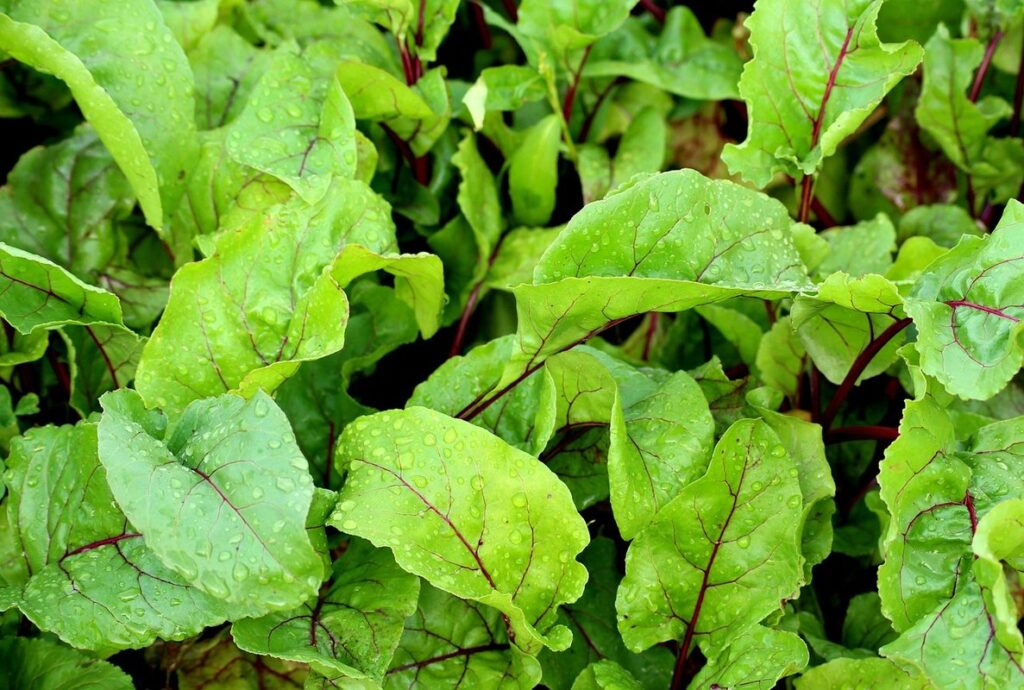
Introduction to Beet Leaves
Beet leaves are often overlooked but packed with nutrients and versatile in cooking, so let’s start by exploring their unique characteristics and uses. You’ll be surprised at how easily they can add depth to a variety of dishes.
What Are Beet Leaves?
Beet leaves are often considered an afterthought when it comes to their parent plant, but they’re actually a treasure trove of nutrients and culinary possibilities. These leafy greens are packed with vitamins A, C, and K, as well as minerals like potassium and magnesium. In fact, beet leaves contain more iron than spinach, making them an excellent addition to any diet.
One reason why beet leaves are often overlooked is that they’re typically discarded during the harvesting process. However, savvy cooks know that the leaves can be cooked just like other leafy greens – sautéed with garlic as a side dish or added to soups and stews for extra nutrition.
When using beet leaves in your cooking, it’s essential to note that their flavor profile is milder than their roots. To bring out their unique taste, simply add a pinch of salt and a squeeze of lemon juice during the cooking process. By incorporating beet leaves into your meals, you’ll not only boost the nutritional value but also discover a new dimension of flavor in your kitchen.
Importance of Beet Leaves in Sustainable Gardening
When it comes to sustainable gardening, beet leaves play a crucial role in reducing waste and promoting soil health. In many home gardens, beet greens are often discarded or composted, but they can be used as a valuable resource. By utilizing beet leaves, gardeners can create a more closed-loop system, minimizing the need for external inputs.
Using beet leaves as mulch is an effective way to retain moisture in the soil and suppress weeds. Rich in nitrogen, phosphorus, and potassium, beet leaf tea can act as a natural fertilizer, boosting microbial activity and overall plant health. To make beet leaf tea, simply steep 1-2 cups of chopped leaves in a gallon of water for 24 hours before using it as a liquid feed.
By embracing the potential of beet leaves, gardeners can significantly reduce waste and promote soil fertility, ultimately contributing to a more sustainable food system.
Nutritional Benefits of Beet Leaves
Beet leaves are not just a tasty addition to your favorite recipes, but they’re also packed with nutrients that can boost your energy and support overall health. Let’s dive into their impressive nutritional benefits!
Macronutrient Profile of Beet Leaves
Beet leaves are not only rich in vitamins and minerals but also an excellent source of essential macronutrients. Let’s break down their profile: beet greens contain about 2-3% protein, which is relatively high compared to other leafy greens like spinach or kale. This makes them an attractive addition to vegetarian and vegan diets. One cup of cooked beet leaves contains around 2 grams of protein.
The fiber content in beet leaves is also noteworthy. They are a good source of both soluble and insoluble dietary fiber, with about 3-4% of the daily recommended intake per serving. This can help support digestive health, promote satiety, and regulate blood sugar levels. One cup of cooked beet greens contains approximately 2 grams of fiber.
In terms of carbohydrates, beet leaves are relatively low in this macronutrient, containing only about 1-2% by weight. They also have a relatively low glycemic index, making them an excellent choice for those managing their blood sugar levels or following a low-carb diet.
Micronutrients in Beet Leaves: Vitamins and Minerals
Beet leaves are not just a nutritious addition to salads and sautés; they’re also packed with an impressive array of micronutrients. Let’s take a closer look at the vitamins and minerals that make beet leaves a superfood.
Rich in Vitamin A, beet leaves support healthy vision, immune function, and skin health. One cup of cooked beet leaves provides about 50% of your daily recommended intake of vitamin A. They’re also an excellent source of Vitamin C, with one cup of raw beet leaves providing more than 10% of your daily needs. This makes them a great natural remedy for colds and flu.
Beet leaves are also a rich source of minerals like potassium, iron, and magnesium. Potassium helps maintain healthy blood pressure, while iron is essential for red blood cell production. Magnesium supports bone health and can even help alleviate symptoms of anxiety and depression. To get the most out of beet leaf nutrition, try adding them to your soups, stews, or sautés towards the end of cooking time to preserve their delicate nutrients.
Culinary Uses of Beet Leaves
You’ll be excited to learn that beet leaves are not only delicious, but they’re also incredibly versatile and can be used in a variety of dishes. From salads to sautés, their uses are endless!
Preparing Beet Greens for Cooking
Preparing beet greens for cooking can be a bit intimidating if you’re new to using them. However, with a few simple steps, you’ll be enjoying their delicious flavor and nutritional benefits in no time. First, start by washing the leaves thoroughly to remove any dirt or debris. Gently swish them around in a bowl of cold water, then lift them out and shake off excess moisture.
Next, it’s time to chop the leaves. Use a sharp knife or kitchen shears to cut them into uniform pieces, depending on your desired cooking method. For sautéing, try to keep the pieces relatively small so they cook evenly. Blanching is another great way to prepare beet greens – simply submerge them in boiling water for 30-60 seconds, then immediately plunge them into an ice bath.
To blanch and freeze beet leaves for future use, blanch as described above, then spread them out on a baking sheet lined with parchment paper. Place the sheet in the freezer until the leaves are frozen solid, then transfer them to an airtight container or freezer bag for storage. This way, you can enjoy the nutritional benefits of beet greens year-round.
Beet Leaf Recipes: From Soups to Salads
Beet leaves are incredibly versatile and can be used in a variety of dishes beyond just being steamed as a side. For those who want to explore the culinary uses of beet leaves, here are some creative recipe ideas that feature them prominently.
You can use beet leaves in place of collard greens or kale in many recipes. Add them to soups like minestrone or creamy broths for added nutrition and flavor. Beet leaf soup with garlic and lemon is a simple yet delicious way to showcase their taste and versatility.
Beet leaves are also perfect for salads, adding a sweet earthy flavor to mixtures of greens and vegetables. Try combining them with roasted beets, goat cheese, and walnuts for a tasty salad that highlights the beet family’s nutritional benefits.
In addition to soups and salads, you can sauté beet leaves with garlic and olive oil as a side dish or add them to pasta sauces and stir-fries. They are also an excellent base for making wraps or stuffed bell peppers. Experimenting with different seasonings and spices will help you unlock the full potential of beet leaves in your cooking repertoire.
Health Benefits of Eating Beet Leaves
Beet leaves are often overlooked, but they offer a wealth of health benefits when incorporated into your diet. We’ll explore some of these advantages in more detail below.
Anti-Inflammatory Properties of Beet Leaves
Beet leaves are not only rich in vitamins A and K but also possess potent anti-inflammatory properties that can have a significant impact on chronic diseases. The key to their anti-inflammatory effects lies in the high concentration of betalains, specifically betacyanin and betanidin, which have been shown to reduce inflammation in various studies.
Consuming beet leaves may help alleviate symptoms associated with conditions such as arthritis, where chronic inflammation plays a major role. A study published in the Journal of Agricultural and Food Chemistry found that betalains from beetroot juice significantly reduced inflammatory markers in individuals with hypertension. While more research is needed to confirm these findings for beet leaves specifically, it’s reasonable to assume they share similar anti-inflammatory properties.
To incorporate beet leaves into your diet and potentially reap their anti-inflammatory benefits, consider adding them to salads or sautéing them as a side dish. Use the young, tender leaves in place of spinach or kale for added nutrition. When using older leaves, be sure to cook them thoroughly to break down cell walls and release more of their beneficial compounds.
Antioxidant Capacity of Beet Leaves
Beet leaves are not just a delicious addition to soups and stews but also a powerhouse of antioxidants. These beneficial compounds help protect our cells from oxidative stress, which can lead to chronic diseases such as cancer, diabetes, and heart disease. The high antioxidant capacity of beet leaves is largely due to the presence of betalains, a unique group of pigments that are known for their potent antioxidant properties.
Betalains in beet leaves have been shown to neutralize free radicals, reducing inflammation and oxidative stress in the body. This can help prevent cellular damage, promote healthy aging, and support overall well-being. In fact, studies have found that consuming foods rich in betalains, such as beet leaves, can lower blood pressure and improve cardiovascular health.
To incorporate more of this antioxidant-rich ingredient into your diet, try adding a handful of chopped beet leaves to your salads or sautéing them with garlic as a side dish. You can also use beet leaves in soups, stews, and casseroles for an extra boost of nutrition. By harnessing the power of antioxidants found in beet leaves, you can take a significant step towards protecting your body from oxidative stress and promoting overall health.
Growing and Harvesting Beet Leaves
Now that you know how nutritious beet leaves are, let’s move on to growing and harvesting them successfully in your own garden. With these tips, you’ll be enjoying fresh beet leaves all season long!
Tips for Growing Beet Leaf Crops
Growing beet plants requires careful attention to ideal growing conditions. Beet leaves are at their best when grown in full sun, but they can also tolerate partial shade. Make sure the area receives direct sunlight for at least 4-6 hours a day.
When it comes to soil quality, beets prefer well-draining, loose soil with a pH between 6.5 and 7.5. Add compost or fertilizer to improve the nutrient content of your soil. A general rule of thumb is to mix in about 2-3 inches of organic matter into the top 6-8 inches of soil.
To ensure optimal growth, keep the soil consistently moist during the first few weeks after planting. Once established, beets are relatively drought-tolerant but will still benefit from regular watering. Mulching around the plants helps retain moisture and suppress weeds.
Beet seeds can be direct-sown into well-prepared beds in early spring or late summer for a fall harvest. Sow seeds about 1-2 inches deep and 2-3 inches apart, then thin them to about 4-6 inches apart as they grow. With proper care, beet plants can produce multiple leaves throughout the season, providing you with a continuous supply of fresh, nutrient-rich greens.
When and How to Harvest Beet Leaves
When it comes to harvesting beet leaves, timing is everything. The ideal time to pick your beet greens depends on the stage of growth you prefer. For young, tender leaves, harvest them when they’re about 6-8 inches tall and before the plant begins to flower. This will encourage the beets to focus their energy on root production.
To cut or pick the leaves without damaging the plant, use a sharp knife or pair of scissors to snip off individual leaves at the base of the stem. Alternatively, you can remove the entire leaf stalk by cutting it off at soil level. Avoid pulling the leaves from the crown of the beet, as this can damage the roots.
For larger, more mature leaves, wait until they’re about 12-18 inches tall and the plant is in full production. Harvesting individual leaves will also encourage new growth and prevent the plant from flowering too quickly. Regular harvesting will also promote a continuous supply of fresh leaves throughout the growing season.
Conclusion: Unlocking the Potential of Beet Leaves
Now that we’ve explored the nutritional and culinary possibilities of beet leaves, let’s summarize our findings and unlock their full potential in your cooking.
Recap of Key Takeaways
Beet leaves are a treasure trove of nutrients, offering a wealth of benefits for our health and culinary creativity. From their rich supply of vitamins A and K to their impressive antioxidant content, these leaves pack a punch when it comes to nutrition. We’ve explored the ways in which beet leaves can be incorporated into our diets – from adding them to salads and smoothies to using them as a nutritious cooking green.
One of the most significant takeaways from this article is the versatility of beet leaves in both sweet and savory dishes. They pair beautifully with citrus, herbs, and spices, making them an excellent addition to many recipes. For instance, you can sauté them with garlic and olive oil for a tasty side dish or blend them into a vibrant green juice.
To make the most of beet leaves, consider purchasing a batch from your local farmer’s market or growing them in your own garden. This will not only ensure freshness but also encourage sustainability. Remember to cook them lightly to bring out their natural sweetness and avoid overcooking, which can lead to a loss of nutrients.
Encouragement to Experiment with Beet Leaf Cuisine
As you’ve made it through this journey with us, discovering the incredible nutritional benefits and culinary versatility of beet leaves, we hope you’re now excited to take your exploration a step further. We encourage you to experiment with beet leaf cuisine, incorporating these nutrient-dense greens into your diet in creative ways.
Start by browsing online recipe platforms or cookbooks dedicated to vegetable-centric cuisine. You’ll find inspiration for soups, salads, sautés, and even pickling methods that showcase the mild earthy flavor of beet leaves. Try pairing them with garlic, lemon juice, and olive oil for a simple yet satisfying side dish.
Don’t be afraid to experiment by combining beet leaves with other leafy greens or herbs like kale, spinach, or parsley in smoothies or juices. Beet leaf pesto is another game-changer – just blend cooked beet leaves with garlic, olive oil, parmesan cheese, and lemon juice for a vibrant sauce perfect for pasta, pizza, or as a dip.
The possibilities are endless, and we invite you to share your own discoveries with us!
Frequently Asked Questions
Can I use beet leaves in place of other leafy greens like spinach or kale?
Yes, you can definitely substitute beet leaves for other leafy greens in recipes, but keep in mind that their slightly bitter flavor and higher iron content may change the overall taste. Start with a small amount and adjust to taste.
How do I store beet leaves to keep them fresh for a longer period?
To extend the shelf life of beet leaves, wrap them tightly in plastic bags or aluminum foil and store them in the refrigerator. You can also blanch them first to preserve their nutrients and color. Use within 3-5 days for optimal flavor.
Are beet leaves safe for consumption if they’ve been sprayed with pesticides?
No, it’s essential to grow your own beet leaf crop using organic methods or choose pesticide-free options from local farmers’ markets. If you’re unsure about the origin of beet leaves, err on the side of caution and avoid consuming them.
Can I cook beet greens like regular spinach by simply steaming them?
While beet leaves can be cooked similarly to spinach, their slightly denser texture may require a bit longer cooking time. Try steaming or sautéing with garlic and lemon juice for a delicious and nutritious side dish.
How do I know when beet leaf plants are ready for harvesting?
Check the size of your beet leaf plants – typically 6-8 inches tall, with leaves about 4-5 inches long. Harvest individual leaves as needed or wait until the entire plant is mature enough to be used in recipes.