
As a beekeeper, you know how crucial it is to provide your bees with a constant supply of nectar-rich flowers throughout their life cycle. However, not all plants are created equal when it comes to supporting these busy pollinators. By carefully selecting the right beekeeping plants, you can create a thriving ecosystem that attracts and sustains your bees.
In this article, we’ll take you through the process of designing an attractive garden that integrates companion planting strategies and meets the unique needs of your bees at every stage of their development. From seed selection to blooming arrangements, we’ll provide expert guidance on choosing plants that not only feed but also support the health and productivity of your bee colony.
Choosing the Right Plants
When it comes to choosing plants for your bee-friendly garden, selecting the right varieties is crucial to supporting a healthy and thriving hive. Let’s explore some top picks that will draw in those busy bees.
Native Plant Species
When it comes to creating a bee-friendly garden, incorporating native plant species is one of the most effective ways to support local bees. These plants have co-evolved with native bee populations over thousands of years, providing them with the exact nectar and pollen they need to thrive.
Native plants are particularly important for beekeeping because they offer a consistent source of nutrition that’s tailored to the specific needs of local bees. In contrast, non-native species may not provide the same level of nutritional value or may even be toxic to certain bee populations.
Some examples of native plant species that are perfect for different regions include:
* Black-eyed Susan (Rudbeckia hirta) in the Midwest and Southeast
* California Poppy (Eschscholzia californica) on the West Coast
* Purple Coneflower (Echinacea purpurea) in the Northeast and Midwest
When selecting native plant species for your garden, consider consulting with local nurseries or gardening experts to determine which plants are best suited to your specific region. By choosing native plants, you’ll be creating a welcoming environment for local bees and supporting their health and well-being.
Plant Selection for Different Bee Stages
When it comes to choosing plants for your beekeeping garden, it’s essential to consider the different stages of a bee’s life cycle and their specific nutritional needs. Bees at various life stages require distinct combinations of nutrients to thrive, which is why selecting the right plants can make all the difference.
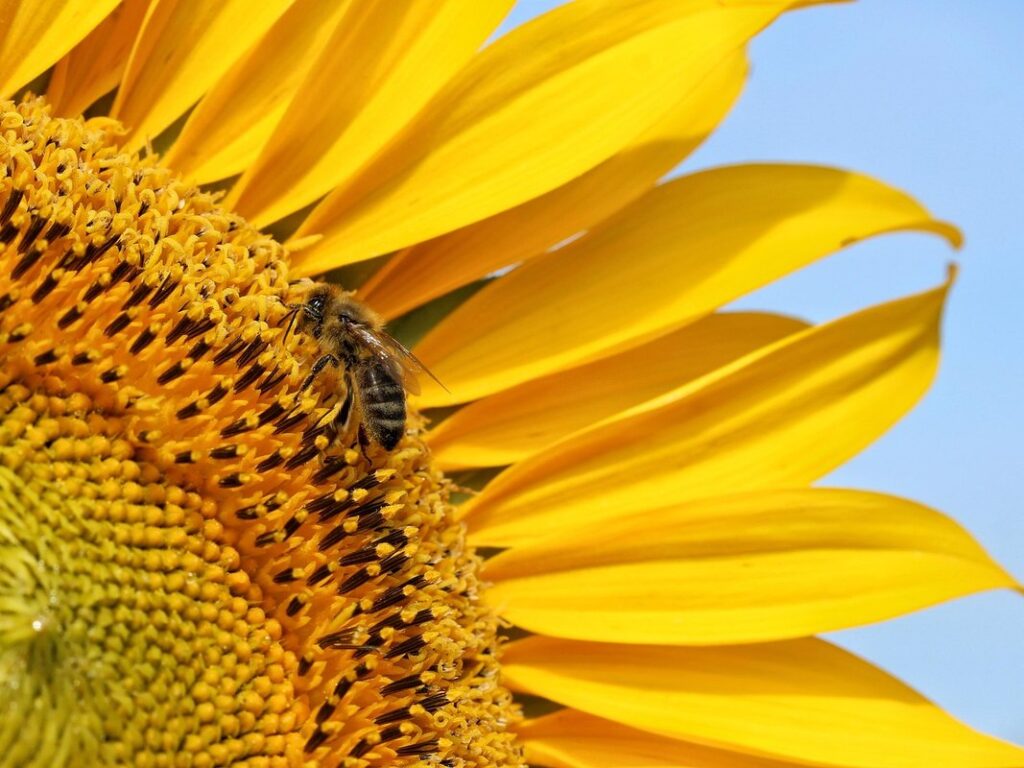
For larval development, for instance, you’ll want to focus on plants rich in protein sources like pollen. Sunflowers (Helianthus annuus) and cosmos (Cosmos bipinnatus) are excellent choices as they produce an abundance of nectar-rich flowers that bees adore. These plants not only provide a readily available source of energy but also support the growth of healthy larvae.
Adult bees, on the other hand, require a balanced mix of carbohydrates and proteins to maintain their energy levels. Plants like lavender (Lavandula spp.) and coneflowers (Echinacea spp.) are perfect for this purpose as they offer a steady supply of nectar and pollen that adult bees can utilize to fuel their activities.
When selecting plants, remember to choose a diverse range of species that cater to the unique needs of different bee stages. This will not only support your hive’s overall health but also ensure a thriving ecosystem in your garden.
Creating a Bee-Friendly Garden
As you set out to create a bee-friendly garden, choosing plants that are rich in nectar and pollen is essential for attracting and supporting your hive. This selection will provide a steady food source for your busy bees.
Layout and Design Considerations
When designing your bee-friendly garden, it’s essential to consider the layout and design to maximize its appeal to bees. Start by selecting a location that receives at least six hours of direct sunlight per day, as many flowers require sunlight to bloom and produce nectar.
Plant placement is another crucial consideration. Group plants according to their growth habits: tall plants towards the north or west to avoid shading smaller ones, and herbs and shrubs in between. This will create a layered landscape that mimics natural habitats. Bees are also attracted to shallow water sources; consider installing a bee-friendly birdbath or shallow dish with fresh water and a few rocks for landing sites.
To attract a diverse range of bees, incorporate plants with varying bloom times (spring-blooming, summer-blooming, and fall-blooming) and different heights. This will provide nectar-rich flowers throughout the growing season. Consider adding native plants to your garden as they are naturally adapted to local ecosystems and tend to attract more beneficial insects than non-native varieties.
Soil Quality and Preparation
When preparing soil for bee-friendly plants, it’s essential to focus on improving its fertility and structure. A healthy soil ecosystem is vital for supporting a thriving beehive. To achieve this, start by testing the pH level of your soil and adjusting it accordingly. Most bee-friendly plants prefer slightly acidic to neutral soil (pH 6.0-7.0). If your soil is too alkaline, add elemental sulfur or peat moss to lower the pH.
To improve soil fertility, incorporate compost or well-rotted manure into the soil. This will not only provide essential nutrients but also support a diverse microbial community. Avoid using chemical fertilizers as they can harm beneficial microorganisms and contaminate water sources. Instead, opt for natural methods like crop rotation, cover cropping, and mulching to maintain soil health.
By adopting these approaches, you’ll create an ideal environment for your bee-friendly plants to flourish. This will not only support a thriving beehive but also contribute to the overall biodiversity of your garden.
Plant Profiles: Top Picks for Beekeepers
Now that you know how to choose the right plants for your beekeeping needs, let’s dive into some of our top picks that’ll have your bees buzzing with joy.
Pollinator-Friendly Herbs
When it comes to creating a bee-friendly garden, herbs are an often-overlooked but incredibly valuable addition. Not only do they add flavor and fragrance to your cooking, but many popular herbs also happen to be pollinator magnets.
Take lavender, for example – this versatile herb is a favorite of bees and butterflies alike. Its tubular flowers are rich in nectar, making it a vital source of energy for busy pollinators. Plus, its calming properties make it a lovely addition to any garden. Planting lavender in a sunny spot with well-draining soil will encourage it to bloom profusely, providing a constant snack for your bees.
Rosemary and thyme are two other herbs that should not be overlooked. Rosemary’s tiny blue flowers are packed with nectar and attract a range of pollinators, from honeybees to solitary bees. Thyme, meanwhile, produces delicate pink or white blooms that are rich in pollen – perfect for feeding your colony. To incorporate these herbs into your garden, try planting them alongside other bee-friendly plants like sunflowers and coneflowers. This will create a veritable feast for pollinators and support the health of your hive.
Nectar-Rich Flowers
When it comes to beekeeping plants, nectar-rich flowers are an essential component of a thriving hive. Adult bees rely on these flowers as a primary source of energy, using the nectar they collect to fuel their activities and sustain themselves throughout the day. Among the top picks for nectar-rich flowers are sunflowers, zinnias, and cosmos.
These blooms are not only attractive to bees but also provide an abundance of nectar, making them ideal additions to any bee-friendly garden or apiary. Sunflowers, in particular, are a favorite among bees due to their tall stature and large, bright yellow petals that make it easy for bees to access the nectar within. Zinnias and cosmos, on the other hand, offer a similar bounty of nectar, although they typically require less maintenance than sunflowers.
By incorporating these flowers into your beekeeping landscape, you can provide your adult bees with an essential source of energy, helping to ensure their health and productivity throughout the season. To maximize their nectar yield, be sure to plant multiple blooms in clusters or blocks, allowing bees to easily move from one flower to the next as they forage.
Integrating Beekeeping Plants with Your Hive
As you continue to tend to your hive, let’s explore how incorporating bee-friendly plants into your yard can support a thriving ecosystem. By doing so, you’ll be creating a haven for your bees to flourish within.
Companion Planting Strategies
Companion planting is an ancient practice where different plants are grown together to improve their growth, health, and productivity. When applied to beekeeping, it can be a game-changer for supporting your hive’s well-being. By pairing plants that attract pollinators with those that provide nectar or pollen, you create a thriving ecosystem around your beehive.
Consider planting a mix of herbs like lavender, rosemary, and thyme alongside flowers like sunflowers, cosmos, and zinnias. These combinations not only provide a diverse source of nutrition for bees but also help to repel pests that might harm your hive. For example, marigolds can deter nematodes, which are microscopic worms that feed on bee larvae.
When selecting companion plants, think about what benefits they bring to the table (or in this case, the beehive). Do they attract pollinators like butterflies or hummingbirds? Do they provide a specific nutrient or resource for bees? By choosing plants wisely and grouping them thoughtfully, you can create a haven that supports your hive’s health and happiness.
Maintaining Healthy Bees through Nutrition
When it comes to maintaining healthy bees through nutrition, one of the most effective strategies is to provide a diverse range of bee-friendly plants that offer a variety of essential nutrients. A balanced diet for your hive includes nectar-rich flowers, protein sources like pollen and bee bread, and water. By incorporating a mix of annuals and perennials with different bloom times, you can ensure that your bees have access to a constant supply of fresh food.
This is particularly important during the off-season when natural forage may be scarce. Monitoring your hive regularly for signs of nutritional deficiencies or imbalances is crucial. Look out for changes in behavior, such as increased aggression or decreased activity levels, which can indicate a lack of essential nutrients. Regularly inspecting your plants and adjusting your bee-friendly garden to meet the changing needs of your colony will help prevent these issues from arising. By taking this proactive approach, you can create a thriving ecosystem that supports the health and well-being of your bees throughout the year.
Additional Considerations: Plant Care and Maintenance
To ensure the long-term health of your plants and bees, it’s essential to understand the specific care requirements for each species. This includes tasks like pruning, watering, and fertilizing.
Pests and Diseases
When it comes to maintaining bee-friendly plants, it’s essential to be aware of the potential pests and diseases that can impact their health. As a beekeeper, you want to ensure that your plants are thriving so they can continue to provide nectar and pollen for your hive.
Some common pests that can affect bee-friendly plants include aphids, whiteflies, and spider mites. These tiny insects can multiply quickly and cause significant damage if left unchecked. Integrated Pest Management (IPM) strategies offer a holistic approach to managing these pests, focusing on using a combination of techniques such as physical barriers, biological controls, and targeted insecticides.
For example, introducing beneficial insects like ladybugs or lacewings can help control aphid populations. You can also use neem oil or soap solutions to manage infestations without harming your bees. To prevent diseases from taking hold, ensure good air circulation around plants, water them carefully to avoid overwatering, and remove any affected leaves or stems. By staying vigilant and using these natural controls, you’ll be well on your way to keeping your bee-friendly plants healthy and thriving.
Seasonal Planting and Renewal
When it comes to beekeeping, having a constant supply of nectar and pollen is crucial for the health and productivity of your hive. This is where seasonal planting plays a vital role. By strategically planting flowers that bloom at different times throughout the year, you can ensure a steady flow of resources for your bees.
For example, consider dividing your garden into four sections: spring-blooming plants like lavender and coneflowers; summer-blooming plants such as sunflowers and zinnias; fall-blooming plants like asters and chrysanthemums; and winter-blooming plants like evergreen trees and shrubs. This staggered planting schedule allows for a continuous nectar and pollen supply, even in the off-season.
As the seasons change, it’s also essential to plan for plant renewal and succession. To do this, incorporate plants that have different growth habits and bloom times into your garden design. For instance, tall plants like cornflower can provide shade and structure, while low-growing herbs like thyme offer easy-to-reach nectar sources for your bees. By implementing these strategies, you’ll be creating a thriving ecosystem that supports the health and happiness of your hive.
Conclusion: Cultivating a Thriving Bee Ecosystem
In conclusion, cultivating a thriving bee ecosystem is not just about planting the right flowers; it’s also about creating a healthy environment that supports the well-being of your bees. To achieve this, consider incorporating a mix of nectar-rich plants, pollinator-friendly herbs, and trees with deep roots to provide a consistent water source. For example, plant lavender alongside rosemary to create a fragrant, bee-appealing landscape. Additionally, avoid using pesticides and herbicides in your garden, as these can harm or kill your bees.
By following these tips and making a conscious effort to create a bee-friendly environment, you’ll be well on your way to establishing a thriving ecosystem that will support the health and happiness of your hive for years to come.
Frequently Asked Questions
What is the ideal time frame for introducing new plants to my existing bee colony?
When introducing new plants, it’s essential to consider the life cycle of your bees. Typically, bees thrive when introduced to fresh flowers at the start of their active season, which can range from spring to early summer, depending on your climate and region. Introduce plants that bloom at different times to ensure a constant nectar flow throughout the growing season.
Can I use non-native plants in my bee-friendly garden if they provide nectar-rich flowers?
While non-native plants may offer some benefits, relying solely on them can lead to imbalanced ecosystems and reduced local pollinator health. Native plant species are generally preferred because they have co-evolved with native bees over thousands of years, providing tailored nutrition for these beneficial insects.
How do I maintain healthy soil quality in my bee-friendly garden?
Maintaining healthy soil quality is crucial for a thriving bee colony. To achieve this, incorporate compost and organic matter into your soil regularly. Avoid using chemical fertilizers or pesticides, which can harm bees and other pollinators. Regularly test your soil pH to ensure it falls within the optimal range (typically between 6.0 and 7.0) for most native plant species.
What companion planting strategies should I use with my beekeeping plants?
Companion planting involves growing certain plants alongside each other to enhance growth, improve pest resistance, or increase pollination efficiency. For example, planting marigolds with tomatoes can deter nematodes and improve soil health. Basil repels pests that target bees like aphids and whiteflies. Experiment with different combinations based on your garden’s specific needs.
Can I plant the same nectar-rich flowers year after year without worrying about their long-term health?
While it may be tempting to stick with familiar favorites, replanting the same flowers every season can lead to soil depletion and potentially attract pests or diseases. Rotate your plants annually or every two years to maintain soil fertility and reduce pest pressure. This strategy will also keep your garden dynamic and more resilient over time.