
When we think of beautiful flowers, we often imagine delicate petals and sweet scents. But have you ever heard of plants that are both stunningly gorgeous and deadly poisonous? It’s true – there are flowers out there that could potentially harm us if not handled carefully. From the striking Lily of the Valley to the elegant Castor Bean plant, these toxic blooms can be found in gardens, public spaces, and landscapes around the world. In this article, we’ll explore the dangers and beauty of poisonous flowers. You’ll learn how to identify these plants, what to do if you accidentally touch or ingest them, and how to safely dispose of them. By the end of this read, you’ll be equipped with the knowledge to appreciate these gorgeous yet hazardous flowers from a safe distance.
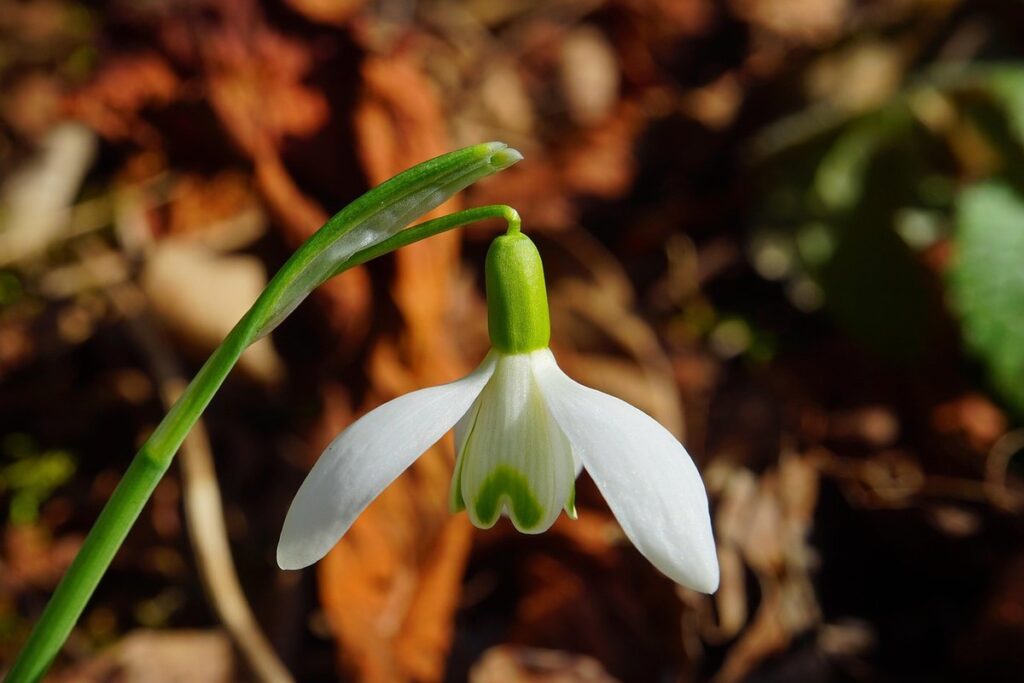
The Dangers of Attractive Toxins
You might be surprised by just how beautiful some poisonous flowers can be, but it’s essential to remember the dangers they pose when ingested or handled improperly. In this section, we’ll examine the risks associated with these stunning blooms.
Understanding the Risks
When it comes to poisonous flowers, being aware of their presence is crucial, especially in areas where people and pets frequent. These plants can pose a significant threat not just to humans but also to wildlife, including birds, bees, and other beneficial insects.
In gardens and public spaces, attractive toxins can be particularly hazardous. For instance, the Oleander plant (Nerium oleander) is highly toxic and can be deadly if ingested by pets or children. Similarly, the Datura stramonium, also known as Jimsonweed, has been responsible for numerous poisonings in both humans and animals.
It’s essential to take precautions when cultivating poisonous flowers in your garden. Make sure to keep them out of reach of children and pets, and consider using protective barriers to prevent accidental ingestions. Additionally, be mindful of the potential impact on local wildlife and consider alternative, non-toxic plants for your garden. By being informed and taking necessary measures, you can enjoy these beautiful yet deadly flowers while minimizing their risks.
Identification Challenges
Identifying poisonous flowers can be a daunting task, especially when they resemble non-toxic species. Many of these plants have evolved to blend in with their surroundings, making it challenging for even the most seasoned botanists to distinguish between safe and deadly varieties. For instance, the beautiful but toxic lily-of-the-valley (Convallaria majalis) has leaves that are nearly indistinguishable from those of its harmless cousins.
Moreover, poisonous flowers often lack clear warning signs, leaving gardeners and foragers at risk. Take the foxglove (Digitalis purpurea), whose tall spikes of purple flowers can be mistaken for other, non-toxic plants in the same family. In fact, many species of digitalis have been used medicinally for centuries, further complicating the identification process.
To avoid these dangers, it’s essential to exercise extreme caution when handling unfamiliar plants. Consult field guides and online resources, and never assume a plant is safe simply because it looks like something you’ve seen before. Even experienced gardeners can fall prey to the beauty of poisonous flowers – be sure to proceed with care!
The Most Venomous Flowers
Among the most strikingly beautiful flowers are those that pack a deadly punch, and today we’ll explore some of the most venomous blooms you won’t want to touch. From Aconitum to Diphylleia, these flowers will leave you in awe.
Aconitum: Deadly Delight or Deadly Danger?
Aconitum, commonly known as monk’s hood or wolf’s bane, is one of the most toxic flowers in the world. Its beauty lies not only in its delicate blue-purple petals but also in its unique bell-shaped blooms that resemble a hooded monk. However, this “deadly delight” comes with a warning label: Aconitum contains a group of alkaloids known as aconitine and mesaconitine, which can be fatal if ingested or even handled improperly.
In traditional Chinese medicine, Aconitum has been used for centuries to treat pain, fever, and rheumatism. The roots were dried and ground into powder, but handling the plant requires great caution due to its toxicity. Even a small amount of Aconitine can cause numbness, nausea, and vomiting, while larger doses can lead to cardiac arrest.
When admiring these beautiful blooms in their natural habitat or in a controlled environment like a greenhouse, it’s essential to exercise extreme care. Wear protective gloves when handling the plant, and avoid ingesting any part of Aconitum. If you’re considering using Aconitum for medicinal purposes, consult with an experienced herbalist who can guide you through safe preparation and administration methods.
Castor Bean (Ricinus communis): A Beautifully Poisonous Plant
Castor Bean (Ricinus communis) is one of the most poisonous plants in the world, and yet it’s also a stunning ornamental. Its large, ovate leaves are a deep green color with beautiful white veins, while its showy flowers are a vibrant red or purple hue. The plant can grow up to 30 feet tall, making it a striking addition to any garden or landscape.
However, beauty comes with a price. Castor Bean is highly toxic due to the presence of ricin, a potent toxin that can cause vomiting, diarrhea, and abdominal pain if ingested. If you have children or pets, this plant is best avoided altogether. In fact, even a small amount of castor bean ingestion can be fatal, making it one of the most poisonous plants in the world.
If you’re still interested in growing castor bean for its ornamental value, make sure to wear protective gloves when handling the leaves or seeds, as ricin can also cause skin irritation. Additionally, keep the plant out of reach of anyone who might be tempted to taste it. With proper care and caution, castor bean can add a unique touch to your garden – but do so at your own risk!
Poisonous Flowers in Gardens and Landscapes
When it comes to poisonous flowers, some of the most stunning specimens can be found right in our own gardens and landscapes. Let’s take a closer look at these potentially deadly beauties.
How to Identify Common Poisonous Plants
When strolling through gardens and public spaces, it’s easy to get caught up in admiring the vibrant blooms on display. However, some flowers that catch our eye can be quite deceiving, hiding a deadly secret beneath their petals. Identifying common poisonous plants is crucial for both gardeners and visitors alike.
Start by familiarizing yourself with flowers that contain high levels of toxic compounds like alkaloids, glycosides, or terpenes. Some examples include Oleander (Nerium oleander), which can be found in many Mediterranean gardens due to its heat tolerance and stunning white blooms. Another example is Castor Bean (Ricinus communis) with its striking red seeds and glossy leaves.
Be aware of your surroundings when visiting public spaces, as some parks may unknowingly harbor poisonous plants like Hemlock Water Dropwort (Oenanthe crocata), also known as “cow parsley.” In the garden, avoid confusing edible herbs with their toxic counterparts. For instance, be cautious not to confuse Foxglove (Digitalis purpurea) with its less-toxic cousin, Yarrow (Achillea millefolium).
When dealing with unknown or suspect plants, take the following precautions: carefully research the plant’s identity and toxicity level; wear gloves when handling potentially poisonous flora; keep children and pets away from areas where toxic plants are present.
Safe Gardening Practices for Preventing Exposure
When tending to a garden that features poisonous flowers, it’s essential to exercise caution to minimize exposure risks. Wear protective clothing such as long sleeves, gloves, and safety glasses when handling plants, especially those with sensitive sap or skin-irritating properties like the Castor Bean.
Ensure you have proper ventilation in your workspace by opening windows or using fans to prevent inhalation of plant particles. Regularly washing your hands after gardening is also a must. This simple habit will help reduce the likelihood of accidentally ingesting toxins while eating or smoking afterwards.
For those with pets, take extra precautions as animals are often curious and may ingest leaves or flowers without hesitation. Secure plants out of reach in high areas or use deterrents like sticky tape to prevent tampering.
Keep a first-aid kit nearby and know what symptoms to look for if you do accidentally ingest plant material.
Historical and Cultural Significance
These gorgeous yet toxic blooms have captured the imagination of artists, poets, and royalty throughout history, often symbolizing mystery and intrigue. Let’s delve into their fascinating cultural significance.
The Symbolism and Beauty of Poisonous Flowers
Poisonous flowers have long been imbued with symbolic meaning and beauty across various cultures and historical periods. In many ancient societies, these plants were revered for their medicinal properties, as well as their aesthetic appeal. The Oleander, for instance, was considered a symbol of beauty and love in ancient Greece, while also being used to treat a range of ailments.
In contrast, the deadly Nightshade has been associated with darker connotations throughout history. In medieval Europe, it was believed to be a harbinger of evil and death. Similarly, the Aconitum, or Monk’s Hood, was often depicted in art as a symbol of poison and danger.
Despite their toxic reputation, poisonous flowers have also inspired some of the most breathtaking works of art throughout history. From the delicate watercolors of 19th-century botanical illustrators to the dramatic still-life paintings of Dutch Masters like Still Life with Oyster and Skull, these plants continue to captivate artists and collectors alike.
From Medicinal to Deadly: The Double-Edged Sword of Poisonous Plants
When it comes to poisonous plants, one thing is certain: these flowers have been both life-savers and deadly foes throughout history. Take, for instance, the humble Castor Bean plant (Ricinus communis). Its toxic seeds contain ricin, a potent poison capable of killing within hours if ingested. However, in traditional medicine, castor oil extract has long been used to treat various ailments, including inflammation and arthritis.
Similarly, the deadly Nightshade (Atropa belladonna) has been both revered and feared for its beauty and toxicity. In the 16th century, European women would use the plant’s leaves to dilate their pupils, creating a fashionable appearance. Yet, even in moderation, consuming nightshade can be fatal due to its tropane alkaloids.
As you explore the world of poisonous flowers, remember that these plants have played complex roles throughout history. While some are too toxic for safe handling, others hold hidden medicinal properties waiting to be discovered. When foraging or cultivating poisonous plants, exercise extreme caution and research their specific uses and risks thoroughly.
Safety Precautions and Prevention Strategies
As we explore these stunning yet deadly blooms, it’s essential to prioritize your safety when handling or admiring them. This section will guide you through crucial precautions and prevention strategies to avoid potential harm.
Protecting Pets and Children from Poisonous Flowers
When we admire beautiful flowers, it’s easy to forget that they can be potentially hazardous to our loved ones. If you have pets or young children, it’s essential to take extra precautions when growing poisonous flowers in your garden or bringing them into your home.
First and foremost, ensure that any poisonous flowers are out of reach of curious children and pets. This might mean placing them on high shelves or in secure containers where they can’t be easily accessed. For example, if you have a snake plant (Sansevieria Trifasciata), which is toxic to cats and dogs, keep it on a pedestal or hanging basket that’s safely out of paw’s reach.
It’s also crucial to educate your family members about the dangers of poisonous flowers. Teach children not to touch or eat any plants they find in the garden or indoors, while reminding them that some flowers are particularly hazardous. For pets, consider keeping an eye on their behavior around new or unfamiliar plants and take action if you notice any signs of poisoning.
Keep a plant toxicity guide handy, such as the ASPCA’s list, to quickly identify which flowers might be toxic to your loved ones. This will enable you to make informed decisions about where to place poisonous flowers in your home.
Safe Handling and Disposal of Poisonous Plants
When working with poisonous plants, it’s essential to exercise caution and follow proper procedures for safe handling and disposal. Start by wearing protective gear such as gloves, long sleeves, and safety glasses to prevent skin contact and potential eye irritation.
Use pruning shears or loppers specifically designed for cutting poisonous plants to minimize the risk of sap exposure. When handling the plant material, avoid touching your face or mouth, and wash your hands thoroughly with soap and water afterward.
For disposal, place the cut plant material in a sealed bag or container to prevent accidental ingestion by pets or wildlife. Then, dispose of it in your regular trash, taking care to follow any local regulations regarding hazardous waste.
If you need to remove larger quantities of poisonous plants from your garden, consider enlisting the help of a professional arborist or landscaper familiar with handling toxic plant species. They will be equipped with the necessary personal protective equipment and disposal methods to ensure a safe working environment.
Conclusion: Appreciating the Beauty with Caution
As we’ve explored the world of beautiful yet deadly flowers, it’s essential to appreciate their beauty while exercising caution. These plants may be stunning, but they’re also poisonous, and handling them requires care and attention. When admiring or photographing these flowers, avoid touching or ingesting any parts, as even small amounts can cause harm. Take note of any warning signs or safety guidelines provided by local authorities or gardening experts. For instance, some species like the Deadly Nightshade have shiny black berries that resemble edible fruit but are extremely toxic if consumed.
When cultivating poisonous plants in your garden, be mindful of their proximity to children and pets. Consider separating them from high-traffic areas to minimize potential risks. By being aware of these precautions, you can still enjoy the beauty of these flowers while prioritizing safety.
Frequently Asked Questions
Can I still appreciate poisonous flowers from a safe distance?
Yes, with caution! By learning how to identify these plants and understanding their risks, you can admire them safely without putting yourself or others at risk of poisoning.
How do I ensure my pets and children don’t come into contact with poisonous flowers in our garden or public spaces?
When creating pet-friendly gardens or visiting public areas with kids, make sure to keep an eye out for poisonous flowers. Consider separating these plants from play areas or high-traffic zones. Also, educate your family about the dangers of touching or ingesting these plants.
Are there any specific safety precautions I should take when handling poisonous flowers?
Yes! Wear protective gloves and eyewear when handling these plants to prevent skin contact and exposure to sap or pollen. Wash hands thoroughly after handling, and avoid touching your face or eyes while working with poisonous flowers.
How can I dispose of poisonous flowers safely in my garden or community space?
Dispose of cuttings, leaves, or entire plants by wrapping them securely in plastic bags and placing them in sealed bins for proper disposal. Do not compost or recycle these materials to prevent accidental ingestion or exposure to toxins.
Can I grow poisonous flowers in a container or indoor pot without risk?
While it’s possible to contain these plants indoors, you must still exercise extreme caution when handling them. Keep containers out of reach of pets and children, and ensure proper ventilation to minimize sap or pollen spread.