
Are you tired of seeing your beautiful vegetable garden ravaged by pesky insects? You’re not alone. Vegetable garden pests can be frustrating, but there are effective ways to prevent and control them without relying on chemical pesticides that harm our environment.
As a gardener, it’s essential to know how to manage common pests using organic methods and integrated pest management (IPM) techniques. Companion planting and natural pest control methods can also be powerful tools in your arsenal. But what exactly is IPM? And how can you use companion plants to keep those pesky critters at bay? In this article, we’ll explore the risks of chemical pesticides and introduce effective biological control methods for a healthy garden. We’ll cover it all – from prevention to control – so you can enjoy your vegetable garden without the stress of pests.
Understanding Common Vegetable Garden Pests
Vegetable garden pests can be frustrating and damaging, so it’s essential to understand the common culprits that threaten your crops. Let’s explore some of the most prevalent pests you might encounter in your garden.
Types of Vegetable Garden Pests
When it comes to vegetable garden pests, there are several types that can cause significant damage to your crops. Let’s start with insects, which are perhaps the most common and destructive of all. Beetles, such as the Japanese beetle and the cucumber beetle, feed on leaves and fruits, while aphids and whiteflies suck plant sap, weakening the plants and creating an environment for disease.
Rodents like mice and rabbits can also wreak havoc on vegetable gardens, eating through crops and damaging plants. Birds, including crows, sparrows, and finches, may visit your garden to peck at seeds or fruits, while slugs and snails leave behind silvery trails of slime as they munch on leaves.
In many cases, these pests can be managed using integrated pest management (IPM) strategies that combine physical barriers, traps, and organic pesticides. For example, you can use fine-mesh screens to keep birds away or copper tape around plant stems to deter slugs and snails.
Identification of Pest Species
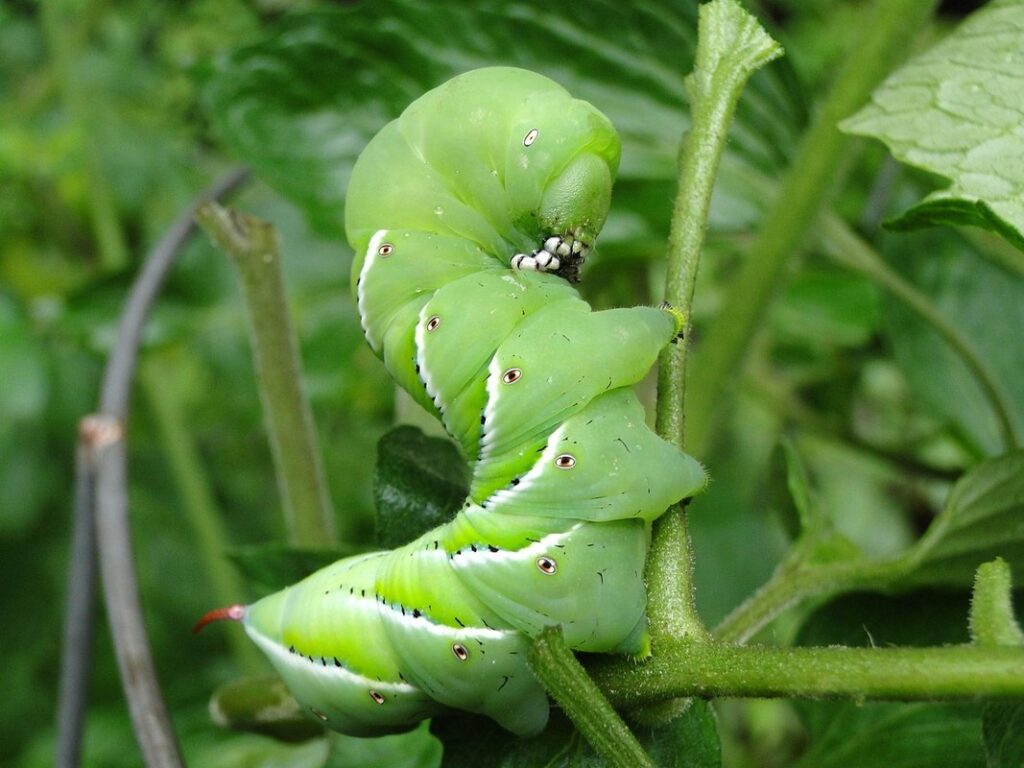
Identifying common pest species in your vegetable garden is crucial to implementing effective prevention and control strategies. To start with, familiarize yourself with the most common pests that target specific vegetables, such as aphids on lettuce, slugs on tomatoes, or hornworms on peppers.
When identifying pest species, observe their physical characteristics. For instance, aphids are small, soft-bodied insects with long legs, often appearing in clusters on plant stems and leaves. Slugs, on the other hand, are slimy, nocturnal creatures that can be identified by their distinctive trail of mucus on leaves or stems.
Understanding a pest’s habits and habitats is also essential for effective identification. For example, caterpillars like hornworms prefer to feed on nightshade family plants like tomatoes and peppers, while adult beetles may migrate from nearby weeds to infest your garden.
Keep a gardening journal to record observations of pests in your garden over time, noting their physical characteristics, behaviors, and habitats. This will help you develop targeted strategies for prevention and control. Regular monitoring is key to staying one step ahead of pest populations and maintaining a healthy, thriving vegetable garden.
Economic Impact of Vegetable Garden Pests
The economic impact of vegetable garden pests is a significant concern for gardeners worldwide. These pests can cause extensive damage to crops, leading to reduced yields and lower profits. A study by the University of California found that pests can reduce crop yields by up to 40% in severe cases. This translates to substantial financial losses for farmers and gardeners who rely on their vegetable gardens as a source of income.
In addition to reduced yields, controlling vegetable garden pests can also be costly. Gardeners may need to invest in pesticides, fungicides, or other control measures, which can range from $50 to $500 per season. These costs can add up quickly, especially for small-scale gardeners who are just starting out. Furthermore, the environmental impact of chemical control methods should not be overlooked, as they can contaminate soil and waterways.
To mitigate these losses, it’s essential to adopt integrated pest management (IPM) strategies that combine physical barriers, cultural controls, and biological controls to minimize the impact of pests on your vegetable garden. By taking proactive steps to prevent infestations and using targeted control methods, you can reduce the economic burden of vegetable garden pests and enjoy a more sustainable and profitable harvest.
Organic Methods for Controlling Pest Populations
If you’re looking for a more natural approach, we’ll dive into some effective organic methods for controlling pest populations and keeping your garden healthy.
These eco-friendly solutions can help you maintain a balanced ecosystem without relying on harsh chemicals.
Integrated Pest Management (IPM) Techniques
When it comes to managing pest populations in your vegetable garden, Integrated Pest Management (IPM) is an effective and sustainable approach. IPM involves using a combination of techniques to prevent and control pests, reducing the need for chemical pesticides. One key technique used in IPM is crop rotation. By rotating crops, you disrupt the life cycle of pests, making it difficult for them to survive. For example, if you grow tomatoes in a particular spot one season, move to a different location the next season.
Another essential aspect of IPM is biological control, which involves using beneficial insects or microorganisms to control pest populations. Encourage natural predators like ladybugs and lacewings by creating a welcoming environment with native plants and reducing pesticide use.
Cultural controls also play a vital role in IPM. These include practices such as maintaining optimal soil moisture, controlling weeds, and pruning plants to promote healthy growth. This approach helps to prevent pest problems before they occur. Finally, physical barriers can be used to keep pests away from your crops. Use fine mesh or row covers to protect young seedlings from pests like aphids and whiteflies.
Companion Planting Strategies
Companion planting is a natural and effective way to control pest populations in your vegetable garden. By strategically placing certain plants alongside others, you can create an environment that deters pests and promotes healthy plant growth. This approach not only reduces the need for chemical pesticides but also fosters a balanced ecosystem.
Some popular companion plants include basil, which repels aphids and whiteflies, while marigolds ward off nematodes and other pests. Borage attracts beneficial insects like bees and predatory wasps, while dill helps to deter spider mites. Planting these companions together with your vegetables can significantly reduce pest pressure.
When choosing companion plants, consider their growth habits, spacing requirements, and nutrient needs. For example, tall sunflowers can provide shade for smaller plants, while nitrogen-fixing beans enrich the soil for nearby vegetables. By incorporating companion planting into your garden design, you’ll not only enjoy a healthier crop but also contribute to a more sustainable gardening practice.
Natural Pest Control Methods
When it comes to controlling pest populations in your vegetable garden, many people reach for chemical pesticides. However, these can be harsh on the environment and even pose health risks to humans and pets. A safer alternative is to turn to natural pest control methods that utilize non-toxic substances to deter pests.
One popular choice is neem oil, derived from the seeds of the neem tree. This oil disrupts a pest’s hormone system, preventing them from reproducing and eventually killing them off. Mix 2-3% neem oil with water in a spray bottle and apply it to plants to control aphids, whiteflies, and spider mites.
Another effective natural method is diatomaceous earth (DE), a powder made from the fossilized remains of tiny aquatic organisms. DE works by dehydrating pests, causing them to perish. Sprinkle this powder around plants’ bases or mix it with water to create a spray for targeted application.
For soft-bodied pests like aphids and slugs, a gentle soap solution spray can be an effective deterrent. Mix 1 tablespoon of mild dish soap with 1 quart of water and spray directly on affected areas.
Chemical Pesticides: When and How to Use Them Safely
If you’ve tried non-toxic methods but still need extra help controlling pests, chemical pesticides can be a useful option when used carefully. Let’s explore how to use them safely in your vegetable garden.
Types of Chemical Pesticides Available
When it comes to managing vegetable garden pests, chemical pesticides can be an effective solution. However, it’s essential to understand that not all chemical pesticides are created equal. There are various types available for use in vegetable gardens, each with its unique active ingredients and modes of action.
Organophosphates (OPs) are a common type of chemical pesticide used against a wide range of pests, including insects and mites. These pesticides work by disrupting the nervous system of the target pest, ultimately leading to its death. Examples of OP-based pesticides include malathion and diazinon.
Carbamates are another type of chemical pesticide that act as nerve agents, similar to OPs. However, they tend to be more selective in their action, making them a better choice for vegetable gardens where beneficial insects may also be present. Carbamate-based pesticides include carbaryl and propoxur.
Pyrethroids are synthetic versions of the natural insecticides found in chrysanthemum flowers. These pesticides work by disrupting the pest’s nervous system, causing paralysis and death. Examples of pyrethroid-based pesticides include permethrin and deltamethrin.
When selecting a chemical pesticide for your vegetable garden, it’s crucial to carefully read the label and choose a product that is specifically labeled for use against the target pests. Always follow the recommended application rates and take necessary precautions to avoid exposure.
Precautions for Safe Handling and Application
When handling and applying chemical pesticides, it’s essential to take necessary precautions to ensure your safety and minimize risks to the environment. Start by wearing protective clothing, including long-sleeved shirts, pants, gloves, and closed-toe shoes that cover your skin from head to toe. This will prevent any accidental exposure to chemicals.
Calibrate your equipment according to the manufacturer’s instructions before each application to avoid applying more pesticide than needed. Always read the label carefully and follow the recommended dosage rates for your specific pest problem. Mix pesticides in a well-ventilated area, away from children and pets.
After application, wash your hands thoroughly with soap and water. Dispose of any leftover pesticides and equipment according to local regulations. Store pesticides in their original containers, out of reach of children and pets. Keep a record of the products you use, including dates, rates, and locations sprayed. This will help you identify any potential issues and adjust your strategy for future pest control efforts.
Risks Associated with Chemical Pesticides
Using chemical pesticides in vegetable gardens may seem like an easy solution to pest problems, but it comes with significant risks. One of the most pressing concerns is environmental contamination. Chemical pesticides can seep into soil and waterways, causing harm to beneficial organisms that live there, such as bees and butterflies. For example, neonicotinoids, a common class of insecticides, have been linked to colony collapse in bee populations.
Another risk associated with chemical pesticides is human health hazards. Exposure to these chemicals has been linked to various health problems, including cancer, neurological damage, and reproductive issues. Moreover, children and pets are particularly vulnerable due to their smaller size and developing bodies. It’s estimated that 90% of non-organic produce contains pesticide residues.
Using chemical pesticides can also harm beneficial organisms like ladybugs, lacewings, and parasitic wasps, which prey on pests naturally. This disruption in the ecosystem can lead to increased pest populations, ultimately defeating the purpose of using pesticides in the first place.
Biological Control Methods for Pest Management
When it comes to pest management, some methods are more effective than others. In this case, biological control methods can be a game-changer in keeping your vegetable garden pest-free naturally.
Introduction to Beneficial Organisms
When it comes to managing pest populations in vegetable gardens, many gardeners turn to chemical pesticides. However, these can have unintended consequences on the environment and human health. A more holistic approach is to introduce beneficial organisms that prey on pests, thereby maintaining a balance between the ecosystem and crop yields.
Beneficial insects like ladybugs, lacewings, and parasitic wasps are excellent examples of such organisms. Ladybugs, for instance, feed on aphids, whiteflies, and other soft-bodied insects that can decimate vegetable crops. A single ladybug can consume up to 60 aphids per hour, making them a valuable asset in the garden.
Other beneficial insects, like lacewings and parasitic wasps, have their own unique roles. Lacewings are voracious predators of caterpillars and other pests that can damage vegetables, while parasitic wasps attack and kill pest larvae, preventing infestations before they start. These beneficial organisms can be introduced into the garden through natural means or purchased from gardening stores.
To incorporate beneficial organisms into your vegetable garden, consider creating a welcoming environment with plenty of host plants for these insects to thrive on. This might involve planting flowers like marigolds, zinnias, and sunflowers that provide nectar and shelter for beneficial insects.
Using Beneficial Nematodes for Pest Control
Beneficial nematodes are microscopic worms that attack and kill various insect pests, making them an excellent addition to your organic pest control arsenal. These tiny warriors work by infecting the insects with a bacterium called Xenorhabdus, which ultimately leads to their demise.
The effectiveness of beneficial nematodes against specific pests is impressive. They’re particularly effective against grubs, such as Japanese beetle and chafer beetle larvae, which can devastate your vegetable garden. These nematodes also target caterpillars, including the notorious hornworms that feed on tomato plants.
To use beneficial nematodes effectively, apply them to moist soil when the target pests are present. This is usually around dusk or at night, as nematodes are most active during these times. Mix 1-2 million nematodes per square foot into the top 4-6 inches of soil, depending on the product’s instructions.
When using beneficial nematodes, it’s essential to maintain a moist environment, as they’re sensitive to drying out. This can be achieved by watering your garden lightly but regularly. Be patient, as it may take several weeks for the nematodes to work their magic and eliminate the pests.
Biological Control Methods for Common Vegetable Garden Pests
One of the most effective ways to manage pest populations in vegetable gardens is through biological control methods. These methods involve introducing natural predators or parasites that feed on the pests, thereby controlling their numbers. For example, lacewings are often introduced to gardens infested with aphids and whiteflies. Lacewings lay their eggs near the aphid colonies, and when the eggs hatch, the larvae feed on the aphids, significantly reducing their population.
Another successful biological control method is the use of beneficial nematodes to manage caterpillar pests like hornworms and cutworms. These microscopic worms attack the caterpillars’ nervous system, causing them to die within a few days. You can apply beneficial nematodes directly to the soil or mix them with water and spray them on affected plants.
Trichogramma wasps are also effective against common vegetable garden pests like tomato hornworms and cabbage looper moths. These tiny wasps parasitize the eggs of these pests, preventing them from hatching and laying eggs of their own. By introducing these natural predators or parasites into your garden, you can reduce chemical pesticide use and create a balanced ecosystem that promotes long-term pest control.
Preventive Measures: How to Reduce the Risk of Pest Infestations
To keep your vegetable garden pest-free, it’s essential to take proactive measures that prevent infestations from occurring in the first place. Let’s explore some effective strategies to reduce the risk of pest invasions.
Crop Selection and Planning
When it comes to preventing pest infestations in your vegetable garden, selecting the right crop varieties and planning your garden layout can make a significant difference. By choosing pest-resistant crops, you can reduce the likelihood of attracting unwanted pests that can damage your plants.
Some popular pest-resistant crop varieties include ‘Nugget’ lettuce, which is resistant to aphids and slugs, and ‘Rocky Top’ tomatoes, which are less susceptible to hornworms and nematodes. When selecting these varieties, ensure they are suitable for your climate and growing conditions.
In addition to choosing pest-resistant crops, planning your garden layout can also help minimize the risk of infestation. Planting complementary crops together, such as marigolds with tomatoes or basil with peppers, can help deter pests. This is because some plants release chemical compounds that repel or attract specific pests. For example, basil repels aphids and whiteflies, while marigold roots release chemicals that inhibit nematode activity.
By incorporating these simple strategies into your gardening routine, you can significantly reduce the risk of pest infestations in your vegetable garden.
Sanitation and Hygiene Practices
Maintaining good sanitation and hygiene practices is crucial to prevent pest infestations in your vegetable garden. Start by removing weeds as soon as you spot them. Weeds provide a haven for pests like aphids, whiteflies, and beetles that can spread diseases and damage your crops. Regularly inspect your garden beds and remove any debris, such as dead plant material or rotting fruits and vegetables.
It’s also essential to dispose of infested plants immediately. If you notice signs of pest infestation on a specific plant, don’t hesitate to cut it back or remove the entire plant to prevent the pests from spreading to other parts of your garden. Keep your garden tools clean by washing them regularly with soap and water, and consider using a disinfectant spray to kill any bacteria or fungal spores that may be present.
By following these simple sanitation practices, you can significantly reduce the risk of pest infestations in your vegetable garden and create an environment conducive for healthy plant growth. Remember to check your garden regularly to catch any potential issues before they become severe problems.
Monitoring Garden Health Regularly
Monitoring garden health regularly is essential to prevent pest infestations from taking hold. By keeping a close eye on your garden’s conditions, you can catch signs of pests or diseases early on and take action before they become major problems.
To monitor your garden effectively, start by conducting regular visual inspections at least once a week. Look for any unusual changes in plant growth, such as distorted leaves or stunted stems. Also, check for signs of insect activity, like eggs, larvae, or actual pests themselves. Make sure to inspect both the upper and lower surfaces of leaves and plants.
Another crucial aspect is keeping track of weather patterns and soil conditions. Extreme temperatures, droughts, or excessive moisture can create an environment conducive to pest growth. Be aware of any unusual odors, such as a sweet or fermented smell, which may indicate fungal diseases.
Lastly, maintain accurate records of your garden’s history, including planting schedules, weather patterns, and any pest control measures taken. This will help you identify potential causes for pest infestations and make informed decisions about future prevention strategies. By staying vigilant and proactive, you’ll be better equipped to prevent pest problems from arising in the first place.
Frequently Asked Questions
What are some essential steps to take immediately after identifying a pest infestation?
After reading the main article, you may be wondering what to do first when faced with an actual pest problem in your garden. One crucial step is to inspect your plants thoroughly and identify the type of pest you’re dealing with. This will help you choose the most effective control method. Next, consider implementing some short-term solutions like hand-picking pests or using neem oil to deter them.
Can I use companion planting as a standalone solution for all types of vegetable garden pests?
While companion planting is an excellent technique for managing pests, it’s essential to remember that it may not be enough on its own to completely eliminate pest problems. Companion planting should be used in conjunction with other methods like crop rotation, sanitation, and monitoring your garden regularly.
How can I monitor my garden effectively without causing stress or disturbance to the plants?
Monitoring your garden is a crucial step in managing pests, but it’s easy to overdo it and cause unnecessary stress on your plants. To avoid this, try setting aside specific times each week for inspection, focusing on high-risk areas and plants that are most susceptible to pest damage.
What are some common mistakes beginners make when implementing integrated pest management (IPM) techniques?
When starting out with IPM, it’s easy to get overwhelmed by the numerous strategies and tools available. To avoid common pitfalls, remember to start small, focus on one or two key areas of improvement at a time, and be patient – building a robust IPM system takes time and practice.
Can I use beneficial nematodes for controlling pests without creating an imbalance in my garden ecosystem?
Beneficial nematodes are an excellent tool for managing pests, but it’s crucial to use them responsibly and as part of a balanced IPM strategy. To avoid disrupting your garden’s delicate balance, introduce beneficial nematodes at the right time (usually during periods of high pest activity) and combine them with other natural control methods like companion planting and sanitation practices.