
If you’re looking to add some drama and beauty to your garden without breaking the bank or dedicating too much time, consider planting bearded irises. These stunning flowers are often overlooked in favor of more high-maintenance options, but they offer a wealth of benefits that make them an excellent choice for any gardener. With their vibrant colors, unique shape, and low maintenance requirements, bearded irises are the perfect addition to any garden. In this article, we’ll explore the best features of bearded irises, including their variety options and care requirements. We’ll also cover how to plant and protect these gorgeous flowers from pests and diseases, so you can enjoy them for years to come. By the end of this article, you’ll know exactly why bearded irises are a top pick among gardeners.
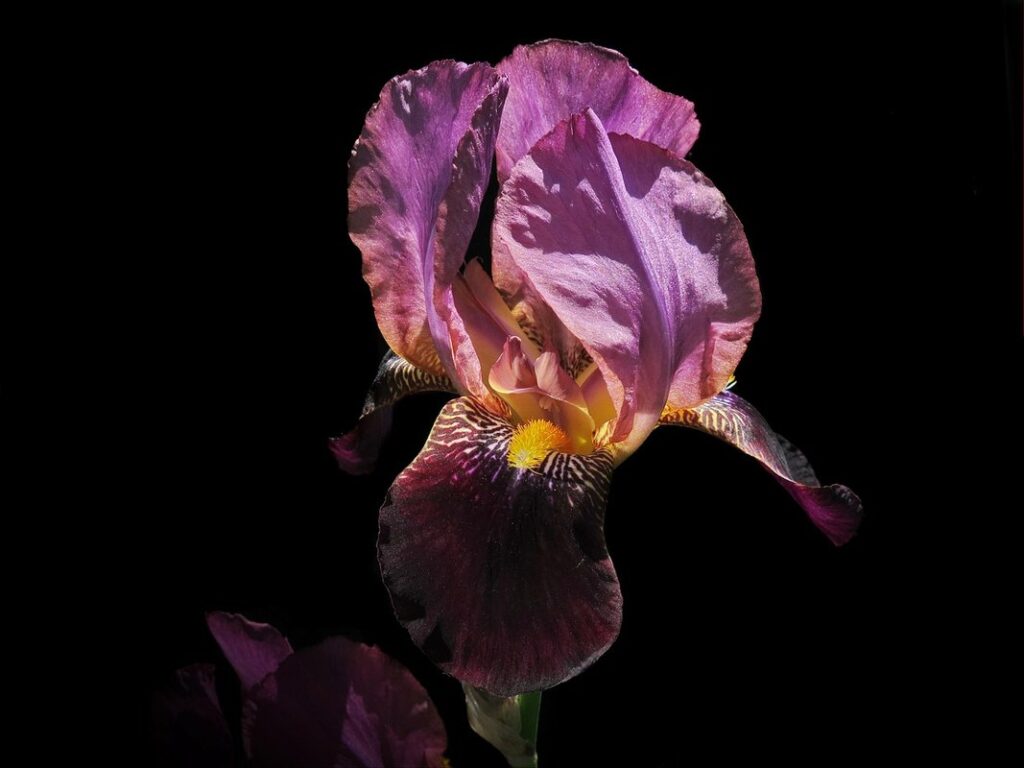
Choosing the Right Bearded Iris
When selecting a bearded iris for your garden, it’s essential to consider factors such as hardiness zone, bloom time, and foliage characteristics. This will ensure you choose an iris that thrives in your specific environment.
Benefits of Bearded Irises in Gardens
When it comes to adding beauty and vibrancy to your garden, bearded irises are an excellent choice. One of the primary benefits of incorporating these stunning flowers into your landscape is their incredibly low maintenance requirements. Unlike some other perennials that demand constant care, bearded irises are easy to grow and require minimal upkeep.
They can thrive in a variety of conditions, from full sun to partial shade, and tolerate a range of soil types. This flexibility makes them an ideal choice for gardeners with varying levels of expertise or those who may not have extensive time for gardening tasks. Additionally, bearded irises are relatively pest- and disease-free, reducing the need for fungicides or pesticides.
Their adaptability also extends to different climates and regions. Bearded irises can survive temperatures as low as -40°F (-40°C) and as high as 100°F (38°C), making them suitable for gardens across North America. With their carefree nature and impressive resilience, bearded irises are a perfect addition to any garden.
Common Types of Bearded Irises
When it comes to choosing bearded irises for your garden, understanding the different types is essential. There are primarily three main categories: tall bearded irises, dwarf bearded irises, and intermediates.
Tall bearded irises are the most common type, growing up to 3 feet in height. They have large, showy flowers that are perfect for adding drama to your garden. These irises require full sun and well-drained soil to thrive. If you’re looking for a statement piece, tall bearded irises are an excellent choice.
Dwarf bearded irises, on the other hand, are compact and grow to about 1 foot in height. They have smaller flowers but still pack a punch in terms of color and fragrance. These irises prefer partial shade and moist soil, making them ideal for areas with limited sunlight. Dwarf bearded irises are perfect for adding a pop of color to small gardens or containers.
Intermediates fall somewhere in between the two, growing around 2 feet tall. They offer a balance between the larger flowers of tall bearded irises and the compact growth of dwarf bearded irises. Intermediates can thrive in full sun or partial shade and require well-drained soil to prevent root rot.
Growing Conditions for Bearded Irises
To grow bearded irises, you’ll want to choose a spot that gets full sun and well-draining soil, as these conditions will bring out their vibrant colors and healthy foliage.
Soil Requirements for Bearded Irises
When it comes to growing bearded irises, one of the most critical factors is having the right soil conditions. These beautiful flowers thrive in well-draining soil that allows their roots to breathe and absorb nutrients efficiently. The ideal soil type for bearded irises should have a slightly acidic pH, ranging from 6.0 to 7.0. Anything too alkaline can lead to nutrient deficiencies and poor plant health.
To achieve the perfect soil conditions, you can amend your existing soil with organic matter such as compost or well-rotted manure. This will not only improve drainage but also provide essential nutrients for healthy growth. You can also mix in some peat moss or perlite to increase water retention and aeration.
In terms of specific ingredients, bearded irises love the addition of humus-rich soils like leaf mold or pine bark. These materials help maintain soil structure, retain moisture, and suppress weeds – all while providing a fertile environment for your irises to flourish.
Sunlight and Water Needs
When it comes to sunlight and water needs, bearded irises are relatively easy to care for. They prefer full sun to partial shade, meaning they need at least six hours of direct sunlight per day. If you live in a hot climate, providing some afternoon shade can help prevent scorching of the leaves.
In terms of watering, bearded irises need about 1-2 inches of water per week during their growing season, which typically lasts from spring to summer. You should avoid overwatering, as this can lead to rot and other problems. Instead, aim for consistent moisture by watering your plants deeply once or twice a week.
To check if your bearded irises need more water, stick your finger into the soil up to the knuckle. If the soil feels dry, it’s time to water. You can also mulch around the base of the plants to help retain moisture in the soil and reduce evaporation. By providing the right amount of sunlight and water, you’ll be rewarded with healthy growth and vibrant blooms from your bearded irises.
Planting and Caring for Bearded Irises
To get your bearded irises thriving, you’ll want to learn how to plant them correctly and provide the right care throughout their growing season. Let’s dive into those essential details now.
When to Plant Bearded Irises
When it comes to planting bearded irises, timing is everything. The best time to plant these beautiful flowers depends on your location and climate. In general, spring is the ideal time to plant bearded irises in temperate climates, about 6-8 weeks after the last frost date.
In regions with hot summers, it’s better to plant in fall or early winter, allowing the rhizomes to establish themselves before the heat sets in. For example, if you live in a Zone 5 climate, you can plant bearded irises in late August or September for optimal growth and blooming.
Avoid planting in the middle of summer when temperatures are soaring, as this can cause the rhizomes to dry out and become stressed. In cooler climates, such as those with short growing seasons, it’s best to plant in early spring, around March or April.
To determine the best time to plant bearded irises in your area, consult a local nursery or gardening expert for advice specific to your region. With proper timing, you’ll be rewarded with stunning blooms and a robust garden full of these gorgeous flowers.
Tips for Proper Planting Techniques
When planting bearded irises, proper technique is essential to ensure they thrive and establish themselves well. To begin, dig a hole about 6-8 inches deep, which should be about twice the size of the rhizome’s width. This depth will allow you to plant the rhizome with its “eyes” (small buds on the sides) just above the soil surface.
Be sure to space your bearded irises correctly: place them at least 3-4 inches apart, and in a spot that receives full sun to partial shade, depending on the variety. Also, don’t overcrowd them – this can lead to reduced air circulation and increased susceptibility to disease.
Soil preparation is another crucial aspect of planting bearded irises. The ideal soil should be well-draining with a slightly acidic pH (around 6.0-7.0). Add organic matter like compost or well-rotted manure to enrich the soil, but avoid over-fertilizing as this can promote weak growth.
Plant your rhizomes in the prepared hole and firm the soil gently around them. Water thoroughly and keep the soil consistently moist during the first growing season.
Common Pests and Diseases Affecting Bearded Irises
As you care for your bearded irises, it’s essential to know how to identify and manage common pests and diseases that can harm these beautiful flowers. Check out this rundown of potential threats to your blooms.
Identifying Common Pests
When it comes to growing bearded irises, one of the most frustrating challenges you may face is dealing with pests. These unwanted critters can quickly damage your beautiful blooms and even spread diseases to other plants in your garden. Let’s take a closer look at some common pests that can affect bearded irises.
Slugs and snails are probably the most notorious pests when it comes to bearded irises. They’re attracted to the plant’s tender shoots and leaves, and can cause significant damage if left unchecked. To control these pests, try using copper tape around the base of your plants – slugs and snails don’t like the taste of copper! You can also use beer traps or crushed eggshells to deter them.
Aphids are another common pest that can affect bearded irises. These small, sap-sucking insects can cause curled or distorted leaves, as well as a sticky substance called honeydew on the plant’s surface. To get rid of aphids, try spraying your plants with a strong jet of water to dislodge them, or use neem oil or insecticidal soap to kill them off.
By being aware of these common pests and taking steps to control them, you can enjoy healthy, thriving bearded irises in your garden.
Preventing and Treating Fungal Diseases
Preventing and treating fungal diseases is crucial to maintaining the health of your bearded irises. Fungal diseases such as rhizome rot and leaf spot can quickly spread and cause irreparable damage if left unchecked.
To maintain healthy soil, it’s essential to use a well-draining potting mix that allows excess moisture to escape. Regularly inspect your plants for signs of fungal infection and remove any affected leaves or stems to prevent the spread. Avoid overwatering, as this is one of the primary causes of fungal diseases in bearded irises.
To promote healthy foliage, ensure that your plants receive sufficient sunlight (at least six hours a day) and maintain a consistent temperature between 35-45°F (2-7°C). Regularly inspect your rhizomes for signs of rot or mold, and remove any affected areas to prevent the spread of disease. By maintaining good garden hygiene and monitoring your plants closely, you can significantly reduce the risk of fungal diseases affecting your bearded irises.
Some beneficial microorganisms, such as Trichoderma harzianum, can also help to control fungal infections by outcompeting them for resources. Consider incorporating these into your soil mix or using a product that contains them to provide an extra layer of protection against disease.
Bearded Iris Varieties: What’s New and Exciting
If you’re looking for something new to add some extra sparkle to your garden, we’ve got the scoop on the latest bearded iris varieties that are sure to impress. From vibrant blooms to unique patterns, there’s never been a better time to try out something fresh!
Featured Bearded Iris Varieties
One of the joys of growing bearded irises is experiencing their incredible diversity. Let’s take a closer look at some of the most popular and striking varieties that’ll add a pop of color to your garden.
Raspberry Sundae: This beauty boasts vibrant raspberry-pink petals with creamy yellow and white markings, creating an eye-catching effect in mid-to-late spring. Growing conditions require well-draining soil and full sun, making it perfect for areas with good air circulation.
Immortality: As its name suggests, this variety has been around for centuries! Its delicate, pale blue flowers are complemented by subtle golden stripes, giving off an ethereal charm in early to mid-spring. Be sure to plant in a slightly acidic soil mix and provide it with partial shade to prevent scorching.
Tropical Sunset: With its bold, orange-yellow petals edged in purple, this variety brings the essence of a tropical sunset right into your garden. Thriving in well-draining soil and full sun, ‘Tropical Sunset’ is perfect for zones 4-9.
Each of these varieties offers unique charm, so consider mixing and matching to create an unbeatable display of color in your bearded iris collection!
Trends in Bearded Iris Breeding
One of the most exciting aspects of bearded iris breeding is the constant innovation and experimentation that’s taking place. Breeders are pushing the boundaries of what’s possible with these beautiful flowers, and the results are astounding. In recent years, there’s been a surge in efforts to create new colors, patterns, and sizes.
For instance, breeders have successfully introduced a range of vibrant blues and purples, which were previously difficult to achieve. The introduction of ‘Blue Hill’ and ‘Purple Dream’ are excellent examples of this trend. These innovative varieties not only add fresh colors to the garden but also offer unique characteristics that set them apart from their predecessors.
Another exciting development is the emergence of new patterns, such as bi-colored and tri-colored bearded irises. Breeders have experimented with combining different colors and stripes to create stunning effects. ‘Rainbow’s End’ and ‘Sunset Dream’ are notable examples of this trend.
As a gardener, you can take advantage of these trends by experimenting with new varieties in your own garden. Consider planting a few of the latest releases to see how they perform in your specific climate and soil conditions. With a little creativity and experimentation, you’ll be on your way to growing some truly unique and breathtaking bearded irises that will add beauty and charm to your garden for years to come.
Frequently Asked Questions
How Do I Know If Bearded Irises Are Suitable for My Garden’s Soil Type?
Bearded irises can thrive in a variety of soil types, but they prefer well-draining soil with a slightly acidic to neutral pH (around 6.0-7.0). To determine if your garden’s soil meets these conditions, perform a soil test kit or consult with a local nursery for guidance on amending the soil accordingly.
What Are Some Common Challenges Bearded Iris Gardeners Face, and How Can I Prevent Them?
Some common challenges bearded iris gardeners face include pest infestations (such as slugs and snails) and fungal diseases. To prevent these issues, ensure proper planting techniques, maintain adequate spacing between plants, and avoid overwatering.
Can I Grow Bearded Irises in Containers or Do They Need to Be Planted In-Ground?
Yes, bearded irises can thrive in containers, but they require well-draining soil and regular watering. Make sure the container is at least 6-8 inches deep to accommodate the iris’s rhizome. Keep in mind that bearded irises grown in containers may need more frequent fertilization.
How Do I Protect My Bearded Irises from Deer and Rabbits?
Yes, using physical barriers such as fencing or repellents can effectively deter deer and rabbits from feeding on your bearded irises. Consider combining these methods for optimal protection. Also, plant your irises in a location with good visibility to make them less appealing to wildlife.
Can I Divide and Replant Bearded Irises After They Finish Blooming?
Yes, bearded irises can be divided every 3-4 years to maintain their vigor and promote healthy growth. Wait until the foliage has died back naturally before digging up the rhizomes and replanting them in a new location or container, making sure to handle the rhizome carefully to avoid damaging its roots.