
Basil is one of those magical herbs that brings a burst of fresh flavor to any dish, but its delicate nature means it requires some TLC to keep it thriving. If you’re anything like us, you’ve probably struggled with wilting basil or disappointing harvests – but the good news is that pruning and harvesting your basil correctly can make all the difference. In this article, we’ll share expert tips on how to prune and harvest basil for maximum yields, preserving its freshness and flavor throughout the growing season. We’ll cover common mistakes to avoid and provide step-by-step guidance on when and how to cut back your basil plants, ensuring you get the most out of your crop and enjoy a continuous supply of fragrant, delicious leaves.
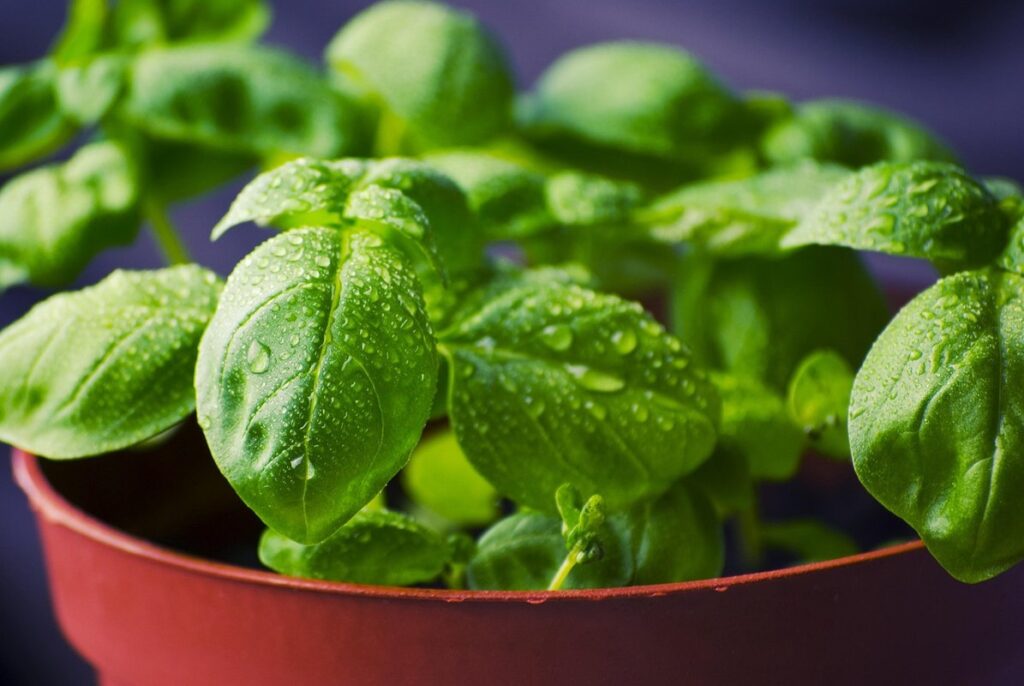
Understanding Basil Growth Cycles
Understanding how basil grows and changes throughout its cycle is crucial for optimal pruning and harvesting. This natural process can be influenced by various factors, including climate and watering schedules.
Factors Influencing Basil Growth
Basil growth is heavily influenced by external factors that can either enhance or hinder its progress. Understanding these factors will enable you to optimize pruning and harvesting techniques for maximum yield.
Temperature fluctuations significantly impact basil’s growth rate, with ideal temperatures ranging between 65°F and 75°F (18°C – 24°C). Above this range, basil may bolt – a condition where the plant suddenly produces flowers instead of leafy greens. Conversely, below this temperature range, growth is significantly slowed down.
Light also plays an essential role in determining basil’s growth patterns. Basil requires at least six hours of direct sunlight to thrive. Providing supplemental lighting during periods of low natural light will promote optimal growth and encourage bushy development.
Water availability affects basil’s growth through its root system. Sustained moisture levels keep roots healthy, while waterlogging can lead to root rot – a common issue in poorly drained areas. A balanced fertilization routine ensures nutrient availability, directly impacting leaf production and overall plant vigor.
Proper understanding of these factors allows you to tailor your pruning and harvesting schedule for optimal results, guaranteeing that your basil crop is always at its best.
Identifying Basil Growth Stages
To maximize your basil’s potential, it’s essential to understand its growth stages. The journey from seed to harvest can be divided into three distinct phases: germination, seedling, and mature.
During the germination stage, seeds typically take 7-10 days to sprout in well-draining soil with temperatures between 65°F to 75°F (18°C to 24°C). Keep the soil consistently moist during this period, as it’s crucial for successful germination. Once seedlings emerge, provide them with adequate light and maintain a humidity level around 50-60%.
As basil plants develop into seedlings, they’ll start to produce their first set of leaves within 1-2 weeks. These seedling leaves are usually smaller and more rounded than mature leaves. During this stage, prune your basil lightly to encourage bushy growth and prevent it from becoming leggy.
Once your basil reaches maturity (typically after 6-8 weeks), you’ll notice a significant increase in leaf size and density. This is the optimal time for harvesting individual leaves or stems, as they’ll be at their peak flavor and aroma. Regular pruning will also promote continued growth and encourage new flower buds to form.
Pruning Techniques for Maximizing Yield
Proper pruning is crucial to encourage bushy growth and prevent legginess, so let’s dive into some essential techniques to help you maximize your basil yield.
Pinching and Trimming Basics
When it comes to cultivating a lush and bushy basil plant, pinching and trimming are essential techniques that will help you control its shape and encourage growth. To get started, you’ll need a few basic tools: pruning shears or scissors for cutting larger stems, and finger and thumb for those tiny buds.
To pinch effectively, gently grasp the stem between your thumb and index finger, just above a node (where a leaf meets the stem). Pinch off any weak or spindly growth to focus the plant’s energy on producing healthy foliage. Next, trim back longer stems by about one-third to encourage branching and promote bushy growth.
Remember, it’s all about timing – pinch or trim when your basil is young, typically around 6-8 inches tall, and repeat as needed. This will not only maintain its shape but also stimulate new growth, resulting in a more productive plant with plenty of fragrant leaves for harvesting.
Tip-Pruning vs. Cut-and-Come-Again Pruning
When it comes to pruning basil, you have two main techniques at your disposal: tip-pruning and cut-and-come-again pruning. While both methods can produce a bountiful yield, they serve different purposes and require distinct approaches.
Tip-pruning involves removing individual flower buds from the tips of stems to encourage leaf growth and prevent seed production. This method is ideal for compact or bushy basil varieties, as it helps maintain their shape and promotes healthy foliage development. By pinching off flower buds, you’re directing the plant’s energy towards producing more leaves rather than seeds. For instance, if you’re growing a popular compact variety like ‘Genovese’, tip-pruning can help maintain its compact habit and encourage leaf growth.
On the other hand, cut-and-come-again pruning is a more drastic technique that involves cutting back stems to about an inch above the soil level. This method stimulates new growth from the same stem, producing multiple harvests from a single plant. Cut-and-come-again pruning works best with tall or upright basil varieties like ‘Sweet Basil’ or ‘Thai Basil’. By harvesting regularly and cutting back the stems, you’re encouraging the plant to produce more leaves throughout its growing season.
To maximize yield using these techniques, it’s essential to prune your basil plants at the right time. Tip-pruning is typically done when individual flower buds begin to form, usually around 6-8 weeks after transplanting. Cut-and-come-again pruning should be performed every 1-2 weeks during the growing season, depending on the plant’s response and your desired harvest frequency.
By mastering both tip-pruning and cut-and-come-again pruning techniques, you’ll be well on your way to enjoying a continuous supply of fresh, fragrant basil throughout the summer months.
Timing and Frequency of Pruning
When it comes to pruning basil, timing is crucial – too little and your plant will become leggy and unproductive, while too much can harm its overall health. Let’s explore the optimal frequencies for pruning.
When to Prune Basil
When to prune basil is a crucial decision that can significantly impact its growth and flavor. One of the optimal times to prune basil is after it has flowered. This process is called “pinching off” or “tipping.” Remove the spent flowers, as this will redirect the plant’s energy back into foliage production, promoting bushy growth and a more abundant harvest.
Pruning during peak growth can also be beneficial. Regular pinching of new growth tips encourages branching, resulting in a fuller plant with more leaves. This technique is especially useful for compact or dwarf varieties that tend to grow leggy if not pruned regularly.
Another critical consideration is assessing whether the plant needs pruning at all. If you notice the basil becoming leggy, flowering excessively, or showing signs of disease, it’s likely time to prune. Check for any visible pests or diseases and remove affected areas before proceeding with pruning.
How Often to Prune
Pruning is not just about shaping your basil plant’s appearance; it plays a crucial role in maintaining its overall health and promoting continuous growth. Regular pruning helps to remove weak and spindly growth, which can lead to disease and pests taking hold. By pruning regularly, you’re essentially “dressing” the wounds on the plant, preventing any entry points for potential invaders.
When it comes to basil, prune your plants every 7-10 days during the growing season. This frequency allows the plant to continuously produce new growth, resulting in a more substantial yield. Prune the stems back by about one-third to half, making clean cuts just above a node. Don’t remove too much foliage at once, as this can shock the plant. Leave enough leaves for photosynthesis and transpiration.
By pruning regularly, you’re giving your basil plants the tools they need to thrive. Not only will it promote bushy growth, but it’ll also encourage root development, making them more resilient to stressors like temperature fluctuations and nutrient deficiencies.
Tools and Techniques for Effective Harvesting
To get the most out of your basil crop, you’ll want to have a few essential tools on hand, including pruning shears and a sharp knife. We’ll cover these must-haves next.
Choosing the Right Harvest Time
Choosing the right harvest time is crucial to ensure you’re getting the best from your basil plants. One of the most obvious signs that your basil is ready for harvest is the formation of flower buds. This usually occurs when the plant reaches its mature height and starts producing more leaves than it can support, diverting energy towards seed production instead of foliage growth. Look for a slight drooping of the stems or a noticeable shift in leaf color to flowers.
Harvest too early, and you’ll end up with underdeveloped leaves lacking flavor and aroma. Conversely, waiting until your basil is fully flowered will result in a weaker plant that’s more susceptible to pests and diseases. To avoid these pitfalls, inspect your plants regularly for signs of readiness. Pinch or trim the flower buds as soon as they appear, promoting further leaf growth and ensuring optimal flavor.
As a general rule of thumb, most basil varieties are ready for harvest 6-8 weeks after sowing, when leaves reach about 4-6 inches in length.
Using the Right Tools for Harvesting
When it comes to harvesting basil, using the right tools can make all the difference in efficiency and effectiveness. You’ll want to reach for a pair of sharp scissors or clippers specifically designed for pruning herbs like basil. These tools will help you navigate through the dense foliage with ease and minimize damage to the plant.
Using dull or blunt tools can be frustrating and may lead to uneven cuts, which can harm the plant’s growth and reduce its yield. For example, if you use regular household scissors, they may crush the delicate stems of your basil, causing more harm than good.
To harvest efficiently, make sure to cut just above a node – the point where a leaf meets the stem – using a gentle, smooth motion. This will help prevent damage and encourage new growth. By using the right tools and following this simple technique, you’ll be able to harvest your basil with confidence and enjoy a bountiful yield all season long.
Preservation Methods for Extended Use
To ensure you enjoy your fresh basil all year round, we’ll explore effective preservation methods that help extend its use beyond a single harvest. From drying to freezing, these techniques are easy to master.
Drying Basil Leaves
When it comes to preserving basil leaves for extended use, drying is an excellent method. There are three primary ways to dry basil leaves: air-drying, oven-drying, and using a dehydrator.
Air-drying involves tying the basil stems in small bunches and hanging them upside down in a warm, dry place with good airflow. This method is simple and doesn’t require any equipment, but it can take several weeks for the leaves to fully dry. Be sure to monitor the leaves regularly to prevent mold or bacterial growth.
Oven-drying is another option that involves preheating your oven to its lowest temperature setting (usually around 150°F). Place the basil leaves in a single layer on a baking sheet and dehydrate for several hours, checking on them periodically to ensure they don’t overcook. This method is faster than air-drying but requires more energy.
Using a dehydrator is the quickest and most efficient way to dry basil leaves. Simply place the leaves in the dehydrator according to the manufacturer’s instructions and set the temperature between 95°F and 105°F. Dehydration times vary depending on the machine, but it typically takes several hours to complete.
It’s worth noting that while drying methods can help preserve basil leaves for longer use, they will lose some of their flavor and aroma compared to fresh leaves. However, dried basil is still a wonderful addition to many dishes and can be stored for up to 6 months in an airtight container.
Freezing or Pickling Basil
If you’re lucky enough to have an overabundance of basil, there are several preservation methods that can help extend its use throughout the year. Two popular alternatives are freezing and pickling, which offer a convenient way to enjoy your fresh basil even after it’s gone out of season.
To freeze basil, start by selecting healthy leaves with no signs of wilting or damage. Rinse them gently and pat dry with paper towels. Next, chop or tear the leaves into smaller pieces and place them in an airtight container or freezer bag. Label the container with the date and contents, and store it in your freezer at 0°F (-18°C) or below. Frozen basil is perfect for soups, sauces, and pesto recipes.
For pickling, you’ll need a brine solution consisting of water, vinegar, salt, and sometimes sugar. Pack fresh basil leaves into a clean glass jar, leaving about an inch of space at the top. Pour the brine over the basil, making sure that all leaves are completely submerged. Seal the jar tightly and store it in your refrigerator. Pickled basil adds a tangy flavor to salads, sandwiches, and pasta dishes.
When using frozen or pickled basil, remember that they can be quite potent, so start with small amounts and adjust to taste. With these preservation methods, you’ll enjoy your homegrown basil year-round!
Common Mistakes to Avoid in Pruning and Harvesting
When pruning and harvesting basil, it’s easy to make mistakes that can affect your crop’s quality and yield. Let’s explore some common pitfalls to avoid for optimal results.
Over-Pruning and Under-Pruning Risks
Over-pruning and under-pruning are two common mistakes that can have serious consequences on your basil crop. Over-pruning involves removing too much of the plant’s foliage at once, which can reduce yields significantly. This is because basil relies on its leaves to produce energy through photosynthesis, so cutting them back excessively can limit the plant’s ability to grow and thrive.
On the other hand, under-pruning can encourage pests and diseases to take hold. When you don’t prune regularly, the plant becomes leggy and weak, creating an ideal environment for pests like aphids and whiteflies to colonize. Similarly, fungal diseases like powdery mildew and root rot are more likely to develop in unpruned plants.
To balance pruning needs, aim to remove no more than one-third of the plant’s leaves at a time. This will allow the plant to maintain its energy reserves while still promoting healthy growth and preventing pests and diseases from taking over. Regular pruning also encourages bushy growth, which can lead to higher yields and a more compact plant. By finding this delicate balance, you’ll be well on your way to harvesting a bountiful basil crop.
Misidentifying Basil Varieties
When it comes to pruning and harvesting basil, one of the most common mistakes gardeners make is misidentifying the type of basil they have. Sweet basil (Ocimum basilicum) is often confused with other species, such as Thai basil (Ocimum basilicum var. thyrsiflora), lemon basil (Ocimum x citriodorum), or holy basil (Ocimum tenuiflorum). This can lead to improper care and pruning techniques, resulting in reduced flavor and aroma.
To accurately identify your basil variety, start by examining the leaves. Sweet basil has bright green leaves with a distinctive pointed tip, while Thai basil has narrower leaves with a reddish tint on the stem. Lemon basil has highly fragrant leaves with a yellow-green color, and holy basil has small, delicate leaves with a slightly fuzzy texture.
When in doubt, consult a reputable seed catalog or gardening book for images and descriptions of different basil varieties. Alternatively, take a close look at the leaves and stems – are they large and showy like sweet basil, or more delicate and fragrant like lemon basil? With practice, you’ll become an expert at identifying your basil varieties and giving them the proper care to thrive.
Conclusion: Mastering the Art of Pruning and Harvesting Basil
Now that you’ve mastered the art of pruning your basil plants, it’s time to reap what you’ve sown by learning how to harvest them at their peak flavor and fragrance. This section shares expert tips for a bountiful yield.
Recap of Key Takeaways
In conclusion, mastering the art of pruning and harvesting basil requires attention to several key factors. By implementing the techniques outlined in this article, you’ll be well on your way to enjoying a bountiful yield of fresh, fragrant basil throughout the growing season.
Key takeaways include: pruning at the right time, typically in the morning after the plant has finished its main growth cycle; removing lower leaves to promote air circulation and prevent fungal diseases; and harvesting individual leaves or stems as needed. It’s also essential to preserve your harvest through methods such as freezing, dehydrating, or making pesto.
Don’t make common mistakes like over-pruning, which can stress the plant and reduce yields. Instead, aim for a balanced approach that encourages healthy growth and productivity. By following these guidelines and being mindful of timing and technique, you’ll be able to enjoy a continuous supply of fresh basil all season long. Remember, pruning and harvesting are ongoing processes – stay vigilant and adapt your techniques as needed to ensure the best possible results.
Final Tips for Success
As you continue to refine your pruning and harvesting skills, remember that patience is key. Don’t rush through the process – take the time to observe your basil plants, notice their unique needs, and adjust your techniques accordingly. Experiment with different pruning methods, such as pinching off flower buds or cutting back leggy stems, to see what works best for your specific variety.
Regular observation will also help you identify potential issues before they become major problems. For example, if you notice that your basil is becoming too dense, prune it back to promote air circulation and prevent fungal diseases. On the other hand, if you’re not getting enough harvests, try pruning more frequently or in a way that encourages bushy growth.
Remember, mastering the art of pruning and harvesting basil takes time and practice. Don’t be discouraged by setbacks – instead, use them as opportunities to learn and improve your techniques. By staying patient, observant, and experimental, you’ll be well on your way to achieving a bountiful yield from your basil crop.
Frequently Asked Questions
Can I Prune Basil During Its Dormant Period?
Yes, pruning during the dormant period can actually help stimulate new growth when the weather warms up again. Wait until the plant has fully recovered from any frost damage and the temperature is consistently above 40°F (4°C). Prune lightly to encourage healthy new shoots.
How Do I Know When to Harvest Basil After Pinching and Trimming?
Monitor your basil plant’s response to pinching and trimming, and start harvesting individual leaves or stems when they reach about 6-8 inches long. This should be around 2-3 weeks after pruning, depending on the weather and growth rate of your specific variety.
Will Pruning Stop Basil from Bolting?
Pruning itself won’t necessarily stop basil from bolting, but it can help delay this process by removing flower buds as they form. Keep an eye out for these buds, especially if you’re growing sweet basil, and remove them regularly to encourage leaf growth instead of flowering.
Can I Use Regular Kitchen Shears for Harvesting Basil?
No, regular kitchen shears may not be the best choice for harvesting basil, as they can crush or tear the delicate leaves. Opt for sharp, dedicated pruning shears or scissors specifically designed for cutting herbs, which will help preserve the plant’s integrity and prevent damage.
How Do I Store Harvested Basil to Keep it Fresh?
For short-term storage, place harvested basil in a container with a damp paper towel to keep it hydrated. For longer storage (up to 6 months), dry or freeze the leaves using proper preservation methods. Freeze-dried or pickled basil is also a great way to preserve its flavor and aroma for future use.