
When it comes to growing your own basil plant, there are many factors that can contribute to its success or failure. One crucial aspect is pruning or pinching, which plays a significant role in promoting healthy growth and preventing the plant from flowering prematurely. Pinching your basil regularly not only encourages bushy growth but also helps prevent the plant from becoming leggy and reduces the risk of pests and diseases.
In this comprehensive guide, we’ll walk you through everything you need to know about pinching your basil plant like a pro. We’ll cover the best timing for pinching, the right tools to use, common mistakes to avoid, and tips on how to encourage bushy growth. By following our expert advice, you can ensure that your basil plant reaches its full potential and provides you with a bountiful harvest of fresh leaves throughout the growing season.
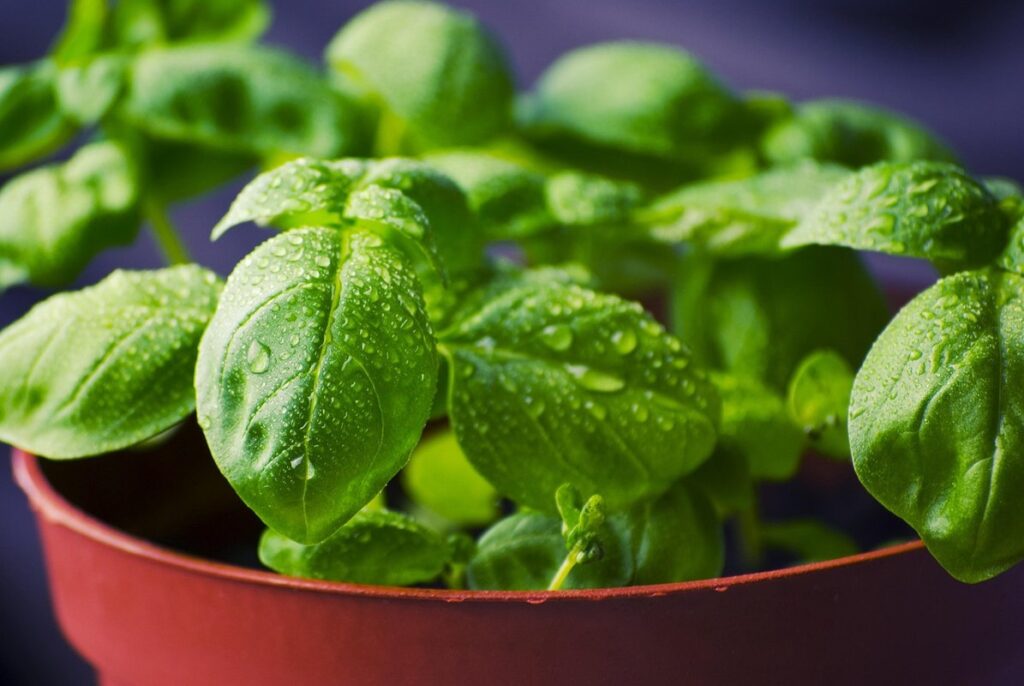
Understanding the Importance of Pinching in Basil Care
Pinching is a crucial technique for promoting healthy growth and preventing legginess in your basil plants, which can impact their flavor and aroma. Let’s dive into why pinching matters for optimal results.
What is Pinching and Why is it Necessary?
Pinching is an essential technique in basil care that involves removing the top sets of leaves from the plant to encourage bushy growth and prevent legginess. This simple yet effective method promotes healthy development by redirecting the plant’s energy towards producing new growth rather than focusing on elongating its stem.
When you pinch off the growing tips, you’re essentially telling your basil plant that it doesn’t need to focus all its resources on reaching for light. As a result, the plant redirects this energy into producing more lateral branches and leaves, leading to a fuller and more compact shape. This not only makes your basil look healthier but also increases its overall yield.
By pinching regularly, you can prevent legginess and encourage a more balanced growth habit in your basil plants. Leggy plants are more prone to disease and pests, whereas well-pinched ones are generally hardier and more resilient. By incorporating this technique into your regular care routine, you’ll be rewarded with lush, fragrant basil that’s perfect for adding flavor and fragrance to your favorite dishes.
Benefits of Pinching for Basil Plants
When you pinch off the flower buds on your basil plant, it may seem counterintuitive to limit its ability to produce flowers. However, this technique has several benefits that make pinching a crucial part of basil care.
One major advantage is increased yields – by removing the flower buds, the plant channels more energy into leaf growth, resulting in larger, healthier leaves and an overall more robust plant. This leads to greater harvests and allows you to enjoy your homegrown basil for longer.
Another significant benefit of pinching is improved flavor. As the plant focuses on producing leaves rather than flowers, it tends to develop a more intense, complex taste profile. Regularly pruning your basil will encourage new growth, which can also enhance its aroma.
Pinching also reduces stress on the plant by preventing it from expending energy on seed production. This allows your basil to grow stronger and more resilient, better equipped to handle environmental stresses such as pests, diseases, or extreme weather conditions.
When to Pinch Your Basil Plant: Timing is Everything
Timing is crucial when it comes to pinching your basil plant, as it directly impacts its growth and flavor. Let’s dive into the optimal timing for pinching your basil.
Determining the Right Time to Pinch
As you tend to your basil plant, it’s essential to keep an eye out for signs that indicate it needs pinching. One of the most obvious indicators is overgrowth – if your plant has grown too tall or bushy, it may become top-heavy and prone to flopping over. When this happens, simply pinch off the tips of the stems to encourage new growth and maintain a more manageable shape.
Another sign that your basil plant needs pinching is when you notice flower buds forming on the ends of the stems. While flowers can be beautiful, they can also divert energy away from leaf production, which is what we’re after with basil. To encourage leafy growth instead of flowering, pinch off these buds as soon as you spot them.
If you catch overgrowth or budding early, a simple pinch can often do the trick in getting your plant back on track. Just remember to leave some leaves intact so your plant can continue to photosynthesize and thrive. By paying attention to these signs and pinching at the right time, you’ll be well on your way to growing strong, healthy basil plants that will reward you with a bountiful harvest.
How to Pinch at Different Stages of Growth
As you begin to notice growth on your basil plant, it’s essential to know when and how to pinch. The technique remains the same, but timing is crucial depending on the stage of growth. For seedlings, a gentle pinch just above a node (where a leaf meets the stem) will encourage branching and promote a bushy shape.
For young plants (around 6-8 inches tall), you can start pinching off flower buds to direct energy towards foliage production. This is usually around the 2nd or 3rd set of leaves from the top. Make sure your cut is just above a node, taking care not to damage any delicate stems.
As basil plants reach maturity (around 12-18 inches tall), you can focus on removing flower stalks entirely to encourage new growth and prevent bolting. Simply pinch off the entire stem at its base, using scissors or pinch with your fingers to avoid crushing the plant’s fragile tissues.
Keep in mind that mature plants may require more frequent pinching (every 1-2 weeks) to maintain shape and encourage continuous harvests.
The Best Tools for Pinching Basil: Clippers vs. Fingers
When it comes to pinching basil, the right tool can make all the difference – and we’re pitting clippers against a more traditional method: using your fingers. Which one reigns supreme?
Using Pruning Shears or Clippers for Pinching
When it comes to pinching basil, using pruning shears or clippers can be an effective method, especially when working with larger plants or for more precise control. One of the advantages of using pruning shears is that they allow for a cleaner cut, reducing the risk of spreading disease or encouraging new growth in unwanted areas.
On the other hand, one potential drawback to consider is that pruning shears can be more cumbersome than using your fingers alone, and may not provide the same level of precision. If you’re working with delicate or young basil plants, it’s often best to stick with pinching by hand to avoid causing unnecessary damage.
When choosing pruning shears for pinching basil, look for high-quality, sharp blades that will make clean cuts and reduce the risk of crushing or tearing the stems. With proper technique and the right tools, you can achieve professional-looking results and enjoy a bountiful harvest of healthy, flavorful herbs.
Pinching by Hand: A Guide to Effective Finger Technique
Pinching by hand is an art that requires finesse and precision. To effectively pinch basil using your fingers, start by selecting a stem with two sets of leaves – the top set should have at least two leaves, while the bottom set has only one leaf or no leaves at all. Next, position your thumb and index finger on either side of the stem, making sure they are not touching any part of the plant’s leaves.
Gently pinch the stem between your thumb and index finger, applying gentle pressure – about 1-2 pounds per square inch is ideal. The goal is to remove only the top set of leaves, leaving at least one leaf or node below the pinched area. This will encourage new growth and prevent the plant from becoming leggy.
To avoid bruising the stem or causing unnecessary stress on the plant, keep your fingers clean and dry before handling basil. Regularly pruning with your fingers will also help you develop a feel for the right amount of pressure needed to remove leaves without damaging the stem.
Tips for Successful Pinching: Common Mistakes to Avoid
When pinching basil, it’s easy to fall into common mistakes that can lead to leggy growth and reduced harvests. Let’s explore these pitfalls together and avoid them in your next pruning session.
Common Errors to Watch Out For
When it comes to pinching basil, there are a few common mistakes that can make all the difference between a healthy, thriving plant and one that’s struggling. One of the most obvious errors is over-pinching – taking too much of the stem at once. This can be especially tempting when your basil plant is looking particularly lush, but resist the urge to take off too much foliage. Not only will you weaken the plant, making it more susceptible to disease and pests, but you’ll also reduce its chances of producing new growth.
On the other hand, under-pinching – not taking enough stem off at once – can also have negative consequences. If you don’t remove enough of the stem, the plant may become leggy and weak, with a reduced flavor and aroma. A good rule of thumb is to pinch off about one-third to one-half of the top growth when pinching. This will encourage bushy growth and prevent your basil from becoming leggy.
To avoid these common mistakes, make sure you’re checking your plant regularly for signs of over- or under-pinching. If you notice any yellowing leaves or a sudden drop in flavor, it may be time to reassess your pinching technique. With practice and patience, you’ll develop the skills to pinch like a pro – and enjoy perfectly healthy, delicious basil all season long!
Troubleshooting: What to Do When Pinching Goes Wrong
When pinching goes wrong, it can be frustrating and disheartening. However, don’t worry – with a few simple steps and some preventive measures, you can recover from mistakes and ensure future success.
Firstly, inspect the damaged area carefully to identify the cause of the problem. Is it due to over-pinchin, inadequate light, or pests? Once you’ve pinpointed the issue, take corrective action immediately. For instance, if over-pinching is the culprit, stop pinching for a while and let the plant recover.
To prevent future problems, establish a regular maintenance routine that includes monitoring temperature, humidity, and pest levels. Keep your basil plants at an optimal distance from each other to avoid overcrowding and disease transmission. Regular pruning also helps maintain air circulation, reduce moisture buildup, and encourage healthy growth.
By being proactive and addressing mistakes promptly, you can salvage your pinched basil and even turn it into a valuable learning experience. Remember, every mistake is an opportunity to refine your technique and achieve better results in the future.
Encouraging Bushy Growth After Pinching
Now that you’ve pinched your basil, it’s time to encourage bushy growth and prevent legginess. This is where proper after-pinch care comes into play.
How to Promote Healthy Regrowth
To encourage bushy growth after pinching, it’s essential to provide your basil plants with adequate light and water. Make sure your plants receive at least 4-6 hours of direct sunlight per day, as this will promote healthy growth and prevent legginess.
Watering practices also play a crucial role in encouraging bushy growth. Water your basil plants when the top inch of soil feels dry to the touch, but avoid overwatering, which can lead to weak and spindly growth. Aim for about 1-2 inches of water per week, either from rainfall or irrigation.
To further encourage bushy growth, consider pruning your basil plants regularly. Remove any weak or leggy stems, and cut back the tips of the plant to encourage new growth. This will not only promote bushy growth but also prevent the plant from flowering, which can divert energy away from leaf production.
By providing your basil plants with adequate light, water, and regular pruning, you’ll be well on your way to achieving that perfect, bushy shape we all strive for in our herb gardens.
Managing the Risk of Legginess
When you’ve pinched back your basil for optimal growth, it’s natural to worry about developing legginess. Leggy stems can make your basil look unsightly and weaken its overall health. To prevent this from happening, there are a few strategies you can implement.
Firstly, ensure that you’re not over-pinchining. Pinching too much of the stem at once can shock the plant, leading to weak growth. Instead, pinch off the top sets of leaves 1-2 inches from the node to encourage branching and bushy growth.
Monitor your basil’s light exposure closely. Legginess often occurs when plants don’t receive sufficient light. Consider relocating your basil to a sunnier spot or supplement with grow lights if necessary. This will help promote healthy, robust growth that resists legginess.
Lastly, pay attention to fertilization and pruning schedules. Regular, balanced feeding can support overall plant health and minimize the risk of legginess. Make sure to prune your basil regularly, focusing on removing weak or spindly stems rather than letting them grow out of control. By following these tips, you’ll be well on your way to achieving bushy, vibrant basil growth that’s both aesthetically pleasing and productive.
Conclusion: Mastering the Art of Pinching Basil
Now that you’ve mastered the art of pinching basil, it’s time to put your new skills into practice and watch your plants thrive. Let’s review what you’ve learned.
Recap of Key Takeaways
As we conclude our comprehensive guide on pinching basil, let’s recap the essential takeaways that will help you master this crucial gardening skill. Proper pinching techniques are not only vital for encouraging bushy growth and preventing legginess but also for ensuring a continuous harvest throughout the growing season.
To maximize your basil’s potential, remember to pinch off flower buds as soon as they form, typically within 1-2 weeks after they appear. This simple technique will redirect the plant’s energy towards leaf production, resulting in denser foliage and more robust flavor.
Regular pinching also helps control the plant’s height and encourages a fuller shape, making it easier to harvest individual leaves without damaging the delicate stems. By incorporating pinching into your regular basil care routine, you’ll be rewarded with an abundance of fragrant, flavorful herbs that will elevate any dish from mere mortal to culinary masterpiece.
Lastly, don’t forget to pinch off weak or spindly growth to promote healthy air circulation and prevent disease susceptibility. With these key takeaways in mind, you’re now equipped to unlock the full potential of your basil plants and enjoy a bountiful harvest all season long.
Final Tips and Variations for Advanced Growers
As you’ve honed your pinching skills and are consistently harvesting healthy basil plants, it’s time to take your techniques to the next level. Advanced growers can experiment with more nuanced approaches to pruning and training their basil plants.
For instance, try incorporating “pinch-and-prune” cycles for maximum growth. This involves alternating between pinching off new growth tips to encourage branching and subsequent pruning of those branches to maintain air circulation and prevent fungal diseases. For example, pinch your basil plant’s tip one week, then prune the resulting branches by half their length the following week.
Another variation is using trellises or stakes to support tall or unruly plants, allowing you to train the stems in a more controlled manner. This not only improves air circulation and reduces disease risk but also directs the plant’s energy towards producing more flavorful leaves.
Frequently Asked Questions
Can I pinch my basil plant if it’s already flowering?
Yes, you can still pinch your basil plant even after it has started flowering. In fact, pinching can help redirect the plant’s energy towards producing new growth rather than focusing on seed production. However, be gentle when removing flower buds to avoid causing stress to the plant.
How often should I water my basil plant after pinching?
Watering your basil plant regularly is essential for its overall health and recovery from pinching. Water your plant gently but thoroughly, making sure not to overwater or underwater it. Check the soil moisture daily, and adjust your watering schedule accordingly. Aim to keep the top inch of soil consistently moist.
What’s the best way to encourage bushy growth after pinching?
To promote bushy growth after pinching, make sure to provide your basil plant with enough light and maintain a consistent temperature between 60-70°F (15-21°C). Fertilize your plant regularly with a balanced fertilizer, and avoid over-fertilizing, which can lead to weak growth. Prune any weak or spindly stems to encourage a fuller shape.
Can I use regular scissors for pinching instead of dedicated pruning shears?
While it’s technically possible to use regular scissors for pinching, using dedicated pruning shears is highly recommended for several reasons. Pruning shears are designed specifically for cutting plants and have sharp blades that minimize damage to the plant tissue. Regular scissors can crush or tear the leaves, leading to potential bacterial infections.
What should I do if my basil plant becomes leggy after pinching?
If your basil plant becomes leggy after pinching, it’s essential to address the issue promptly. Pinch off any weak or spindly stems, and encourage bushy growth by pruning the tips of the main stems. This will redirect the plant’s energy towards producing new growth rather than focusing on stem elongation. Monitor your plant closely and adjust its care accordingly to prevent further legginess.