
Growing your own basil can be a truly rewarding experience, not to mention the fresh flavor it adds to any dish. But let’s face it – bringing that perfect basil plant from seed to salad is easier said than done. Whether you’re a seasoned gardener or just starting out, selecting the right variety of basil and preparing its soil are crucial steps in achieving a lush harvest.
In this comprehensive guide, we’ll walk you through everything you need to know about growing basil – from choosing the perfect strain for your climate to managing pests that might threaten your crop. We’ll also share expert tips on harvesting techniques to maximize your yield. By the end of this article, you’ll be well-equipped with the knowledge and confidence to grow a thriving basil plant in no time.
Choosing the Right Basil Variety
When it comes to growing basil, selecting the right variety can make all the difference – from compact Genovese to fragrant Thai, options abound. Let’s explore your choices together.
Understanding the Main Types of Basil
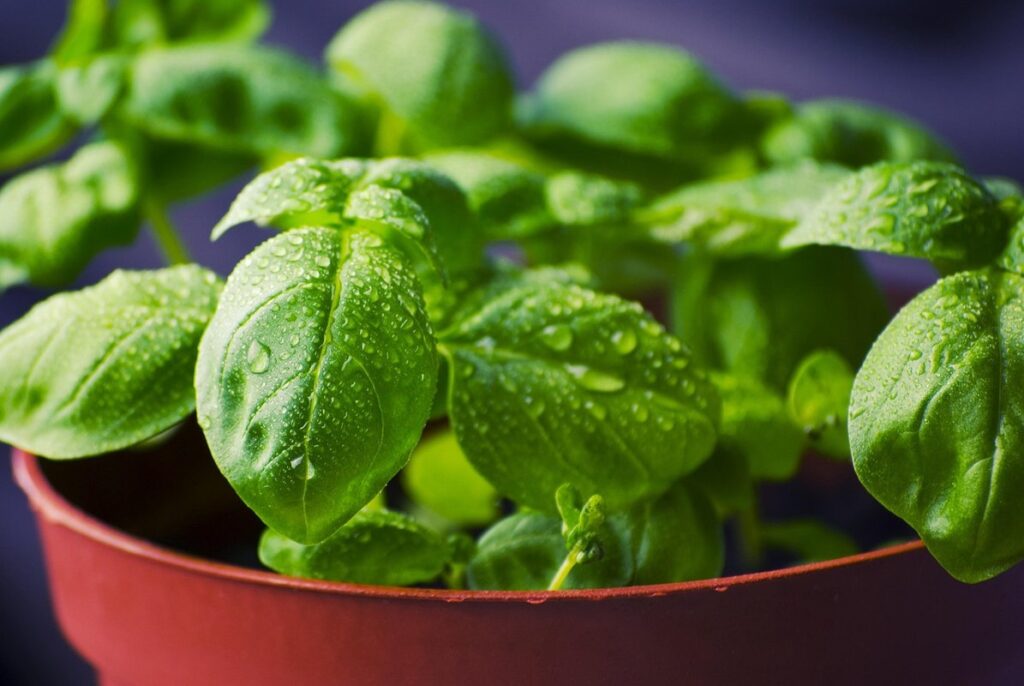
When it comes to growing basil, understanding the main types of this popular herb can make all the difference in achieving a lush harvest. The most common varieties are sweet basil, Thai basil, and lemon basil, each with its unique characteristics that set them apart.
Sweet basil is the classic choice for many gardeners, known for its bright green leaves and delicate flavor. It’s perfect for adding to pesto sauces, caprese salads, and as a garnish for soups. With proper care, sweet basil can grow up to 2 feet tall and produce an abundance of flowers.
Thai basil, on the other hand, has narrower leaves with a more intense aroma and flavor profile compared to sweet basil. Its spicy undertones make it ideal for adding heat to Asian-inspired dishes like stir-fries and curries. Thai basil is also more compact in size, typically reaching 12-18 inches tall.
Lemon basil takes the spotlight for its citrusy twist on the traditional basil flavor. Its bright green leaves have a distinctive lemon scent and taste, making it perfect for infusing into drinks or adding to desserts like sorbet and lemon bars. With its compact growth habit, lemon basil is also a great choice for container gardens.
When selecting which type of basil to grow, consider your cooking style and the dishes you plan to use it in most often. By choosing the right variety for your needs, you’ll be well on your way to harvesting a bountiful crop of fragrant, delicious basil all season long.
Selecting the Perfect Basil Type for Your Climate
When choosing a basil variety, it’s essential to consider your local climate and its specific conditions. This will ensure that your basil thrives and gives you a lush harvest.
Firstly, think about the temperature tolerance of the basil variety you’re interested in. Some basil types are sensitive to extreme temperatures, while others can handle them with ease. For example, ‘Thai Basil’ is well-suited for hot climates, but may not perform as well in cooler temperatures. On the other hand, ‘Genovese Basil’ prefers milder temperatures and can bolt (go to seed) if exposed to high heat.
Next, consider your local humidity levels. Basil loves moist soil, but excessive moisture can lead to root rot. If you live in a humid climate, opt for varieties that are resistant to fungal diseases, such as ‘Lemon Basil’ or ‘Sweet Basil’.
Check the specific temperature and humidity requirements for each variety and choose one that suits your region’s climate. This will ensure that your basil grows strong and healthy, leading to a bountiful harvest. Research local nurseries or talk to fellow gardeners in your area to get tips on which varieties perform well in your specific climate.
Preparing the Soil and Environment
Before you start planting, it’s essential to prepare your soil and environment for basil to thrive. Let’s get started by laying a solid foundation for success.
Creating an Ideal Soil Mix for Basil
When it comes to creating an ideal soil mix for basil, you’ll want to focus on achieving the perfect balance of pH levels, nutrient requirements, and drainage. Basil prefers well-draining, fertile soil with a pH between 6.0 and 7.0. To achieve this, you can mix in compost or perlite to improve drainage and aeration.
A good rule of thumb is to use a combination of peat moss, vermiculite, and perlite to create a well-balanced soil mix. For every 10 parts of topsoil, add 2-3 parts of compost and 1-2 parts of perlite or vermiculite. This will provide the necessary nutrients for basil growth while also preventing waterlogged soil.
To take it to the next level, consider adding a balanced fertilizer to your mix. A fertilizer with an NPK ratio of 10-10-10 will provide the necessary nitrogen, phosphorus, and potassium for healthy plant growth. Mix in the fertilizer according to the manufacturer’s instructions before planting your basil seeds.
Tips for Maximizing Natural Light and Air Circulation
When it comes to growing basil, maximizing natural light and air circulation is crucial for promoting healthy growth and preventing fungal diseases. To start, choose a location that receives at least four to six hours of direct sunlight per day. If this isn’t possible, consider using grow lights to supplement the natural light.
In addition to sufficient lighting, make sure your plants have good air circulation. This can be achieved by spacing them out adequately – about 6-8 inches apart for indeterminate varieties and 12-18 inches for determinate ones. You should also avoid overcrowding your pots or containers, as this can lead to moisture accumulation and create an ideal environment for fungal diseases.
To further enhance air circulation, use a trellis or stake to support your plants as they grow. This will not only keep them upright but also encourage healthy growth habits by allowing sunlight to reach all parts of the plant. By implementing these strategies, you’ll be well on your way to growing lush and healthy basil with minimal risk of disease.
Planting and Transplanting Basil
When it comes to growing basil, planting and transplanting correctly is crucial for a healthy and thriving crop. Let’s dive into the best practices for getting your basil off to a great start!
Seed Starting and Direct Sowing Techniques
When it comes to starting basil seeds, you have two primary options: seed starting indoors and direct sowing. Both methods have their advantages and considerations, which we’ll cover below.
Starting basil seeds indoors allows for a head start on the growing season. Sow seeds 1/4 inch deep in seed trays or small pots filled with a well-draining potting mix. Keep the soil warm (around 70-80°F) and moist until germination, usually within 7-10 days. Once seedlings have two sets of leaves, transplant them into larger containers, making sure to harden off before moving outdoors.
For direct sowing, choose a container that’s at least 6-8 inches deep and has good drainage holes. Sow seeds 1/4 inch deep and 2-3 inches apart, depending on the variety. As the seedlings grow, thin them out to prevent overcrowding. This method is ideal for larger containers or when you want to give your basil plants more room to spread.
In both cases, consider the spacing between individual plants. Basil prefers full sun and well-draining soil, so make sure to provide adequate space for air circulation and root growth.
When and How to Transplant Basil Seedlings
When transplanting basil seedlings, timing is crucial. It’s best to wait until they have 2-3 sets of leaves and are about 1-2 inches tall. This allows them to develop a robust root system before being transplanted into larger pots or directly into the garden.
Choose a potting mix specifically designed for containers, as it will drain excess water more efficiently than regular garden soil. If transplanting directly into the garden, ensure the soil is well-draining and has a pH between 6.0-7.0, ideal for basil growth.
When handling seedlings, minimize root disturbance by gently digging around the roots with your fingers or a blunt instrument. Avoid touching the delicate roots, as this can cause damage. Harden off the seedlings by gradually exposing them to outdoor conditions over the course of 7-10 days before transplanting.
Transplant seedlings in the morning, when the sun is not too intense, and water thoroughly after planting. Keep the soil consistently moist during the first week after transplanting to help the seedling establish itself.
Watering and Fertilizing Basil
To keep your basil plants thriving, it’s essential to understand how to properly water and fertilize them, which we’ll cover in detail below. This will help promote healthy growth and prevent common issues that can arise from neglecting these critical care tasks.
Understanding Basil’s Water Requirements
When it comes to watering basil plants, it’s essential to understand their specific needs. The frequency of watering depends on several factors, including climate, pot size, and humidity levels.
In general, basil plants require about 1-2 inches of water per week. However, if you’re growing your basil in a hot and dry climate, they may need more frequent watering. On the other hand, if you live in a humid region with plenty of rainfall, you may not need to water as often.
As a general rule, check the soil moisture by inserting your finger into the soil up to the first knuckle. If the soil feels dry, it’s time to water. Make sure not to overwater, as this can lead to root rot and other issues. In fact, basil plants prefer slightly dry soil between waterings.
To determine the ideal watering schedule for your basil, consider the size of the pot. Smaller pots will require more frequent watering than larger ones, while a well-draining potting mix can also affect the frequency of watering. By taking these factors into account and adjusting your watering schedule accordingly, you’ll be able to provide your basil plants with just the right amount of moisture for optimal growth and flavor.
Organic Fertilizers for Healthy Basil Growth
When it comes to promoting healthy growth in your basil plants without harming the environment or your crop, organic fertilizers are an excellent choice. Unlike synthetic fertilizers that can burn your plants’ roots and contaminate soil, natural fertilizers work in harmony with nature.
Compost tea is a potent organic fertilizer that’s rich in beneficial microbes. These microorganisms help to break down nutrients into forms that basil plants can easily absorb, promoting lush growth and resistance to pests and diseases. To make compost tea, steep a bucket of compost in water for 24 hours, then strain it and use the liquid as a foliar spray.
Another excellent option is worm casting fertilizer. This natural fertilizer is produced by worms as they break down organic matter in their castings. It’s rich in phosphorus, which encourages healthy root development and promotes fruiting and flowering in basil plants. Use worm casting at half the recommended strength to avoid burning your plants’ roots.
Lastly, consider using kelp meal or fish bone meal as a slow-release fertilizer. These natural fertilizers are derived from seaweed and fish bones respectively and provide a steady supply of nutrients over time.
Pests and Diseases: Prevention and Treatment
As you nurture your basil plants, it’s essential to be aware of common pests and diseases that can impact their health. We’ll cover prevention methods and treatment options to keep your basil thriving.
Common Basil Pests and Their Control Methods
As a basil enthusiast, you might have noticed that pesky pests can quickly ruin your lush harvest. Common basil pests include aphids, whiteflies, and spider mites, which feed on the plant’s sap, causing damage and spreading diseases.
Aphids are tiny, soft-bodied insects that can reproduce rapidly, leading to large populations in a short time. To control them, use neem oil or insecticidal soap as a spray, making sure to cover all areas of the plant. You can also introduce natural predators like ladybugs or lacewings, which feed on aphids.
Whiteflies are small, flying insects that transmit diseases and cause yellowing leaves. Use yellow traps coated with sticky tape to capture whiteflies, or apply horticultural oil to suffocate them. In severe cases, spray insecticidal soap or neem oil to control the infestation.
Spider mites are tiny, spider-like pests that feed on plant sap. To control them, increase air circulation around your basil plants and reduce watering to prevent fungal diseases. Use neem oil or horticultural oil as a spray to suffocate the mites.
Recognizing and Managing Fungal and Bacterial Diseases
As you nurture your basil plants, it’s essential to be aware of the potential diseases that can affect their growth. Fungal and bacterial diseases are two common types of issues that can significantly impact your harvest.
Fungal diseases, such as powdery mildew, often manifest as a white or grayish coating on leaves. This can lead to stunted growth and reduced yields. To prevent fungal diseases, ensure good air circulation around your plants by keeping them at least 6-8 inches apart. Regularly inspect your plants for signs of disease, and remove any affected areas promptly.
Bacterial diseases like bacterial leaf spot cause small, dark spots on leaves that can eventually merge to form larger lesions. To prevent bacterial diseases, avoid overhead watering, which can splash bacteria onto the leaves. Instead, water at soil level to minimize moisture on the foliage. If you do notice symptoms of disease, apply a fungicide or bactericide specifically designed for basil, following the product’s instructions carefully.
Monitor your plants regularly and be proactive in addressing any issues that arise – this will help you enjoy a lush harvest of healthy, flavorful basil.
Harvesting and Storing Basil
Now that you’ve cultivated a lush basil crop, it’s time to bring your harvest to life by learning how to properly pick and store your fresh basil leaves for maximum flavor and longevity. This section will guide you through both steps.
Timing Your Harvest for Optimal Flavor and Aroma
When it comes to harvesting basil, timing is everything. You want to pick your leaves at their peak flavor and aroma, which can vary depending on the climate and growth stage of your plant.
In warm weather, basil grows rapidly and produces new leaves quickly. For optimal flavor, try to harvest individual leaves or small bunches every 1-2 weeks. This will encourage the plant to produce more leaves and prevent it from flowering prematurely. You can also pinch off flower buds as they form to direct the plant’s energy towards leaf production.
In cooler weather, basil growth slows down, and the flavor may become more bitter. Harvest larger quantities less frequently, ideally every 4-6 weeks. This allows the plant to store up energy reserves for the next growing season.
Remember that over-harvesting can stress your plant, so be sure to balance regular harvesting with allowing some leaves to mature on the stem. With a little practice and attention to your basil’s needs, you’ll be enjoying its peak flavor and aroma in no time!
Methods for Preserving Fresh and Dried Basil
When it comes to harvesting and storing basil, preserving its flavor and aroma is just as important as growing it. Fresh and dried basil can be stored for later use, and there are several methods to do so.
To store fresh basil, trim the stems with a pair of scissors or pinch off individual leaves to encourage new growth. Then, wrap the cut ends in a damp paper towel and place them in an airtight container or plastic bag. Store it in the refrigerator at 40°F (4°C) or below. You can also store fresh basil in a glass jar with a damp cloth covering the leaves.
Another option is to freeze basil leaves by placing them on a baking sheet lined with parchment paper and putting it in the freezer until they’re frozen solid. Then, transfer the leaves to an airtight container or freezer bag for long-term storage. You can also make basil ice cubes by blending fresh basil with water and freezing it in an ice cube tray.
For drying basil, you can use a dehydrator or simply tie the stems together and hang them upside down in a warm, dry place. You can also air-dry basil leaves by placing them on paper towels and letting them dry for 1-2 weeks. Once dry, store dried basil in an airtight container to preserve its flavor.
When it comes to dehydrating basil, you can use either a low-temperature oven (150°F/65°C) or a food dehydrator. Spread the leaves out in a single layer on the trays and set the temperature according to your chosen method. Dehydrate for 1-2 hours or until the leaves are dry and crumbly.
Freezing is also an excellent way to preserve fresh basil. Blend it with olive oil, garlic, and lemon juice to make a basil pesto sauce that can be frozen in ice cube trays for later use. You can also puree fresh basil leaves with a little water and freeze the mixture in an ice cube tray or airtight container.
To ensure optimal flavor, use clean utensils when handling basil, and store it away from direct sunlight to prevent moisture loss.
Frequently Asked Questions
What’s the ideal time to harvest my basil for optimal flavor and aroma?
For best results, pinch or cut off individual leaves as needed, or wait until your basil plant reaches its full height and produce a lush top growth. Harvesting at this stage will encourage bushy growth and prevent flowering. To maximize flavor, pick basil in the morning after the dew has dried but before the heat of the day.
How can I prevent pests from damaging my basil plants?
Common pests like aphids, whiteflies, and spider mites can quickly damage your basil crop. Use neem oil or insecticidal soap to control infestations. Regularly inspect your plants for signs of pest activity, and take action at the first sign of trouble.
Can I grow basil in a container if I don’t have outdoor space?
Yes! Basil thrives in containers as long as they are at least 6-8 inches deep and well-drained. Choose a pot with good drainage holes to prevent waterlogged soil, which can lead to root rot. Select a compact or dwarf variety of basil for optimal results.
What’s the best way to propagate my basil plant if I want to share it with friends?
Take cuttings from your healthy basil plants in the morning, when the leaves are at their highest moisture content. Cut just above a node (where a leaf meets the stem) and remove lower leaves to prevent them from getting soggy. Root these cuttings in water or a propagation tray before transplanting.
How often should I fertilize my basil plants for optimal growth?
Feed your basil with a balanced, water-soluble fertilizer once a week during the active growing season (spring-fall). Dilute the fertilizer to half the recommended strength to avoid burning your plant’s roots. Also, consider using compost tea or worm casting as natural alternatives to synthetic fertilizers.