
Basil is one of those herbs that adds an instant pop of flavor to any dish, but did you know that its growth and health can be significantly improved with some clever planning? Companion planting is a game-changer for gardeners looking to boost growth, repel pests, and add visual appeal to their basil garden. By pairing your beloved basil with other plants that complement its needs, you can create a thriving and resilient garden ecosystem. In this article, we’ll share expert tips on how to choose the perfect companion plants for basil, from marigolds and mint to nasturtiums and more. Whether you’re a seasoned gardener or just starting out, our guide will walk you through the benefits of companion planting and provide actionable advice for creating a stunning and functional basil garden that’s pest-free and packed with flavor.
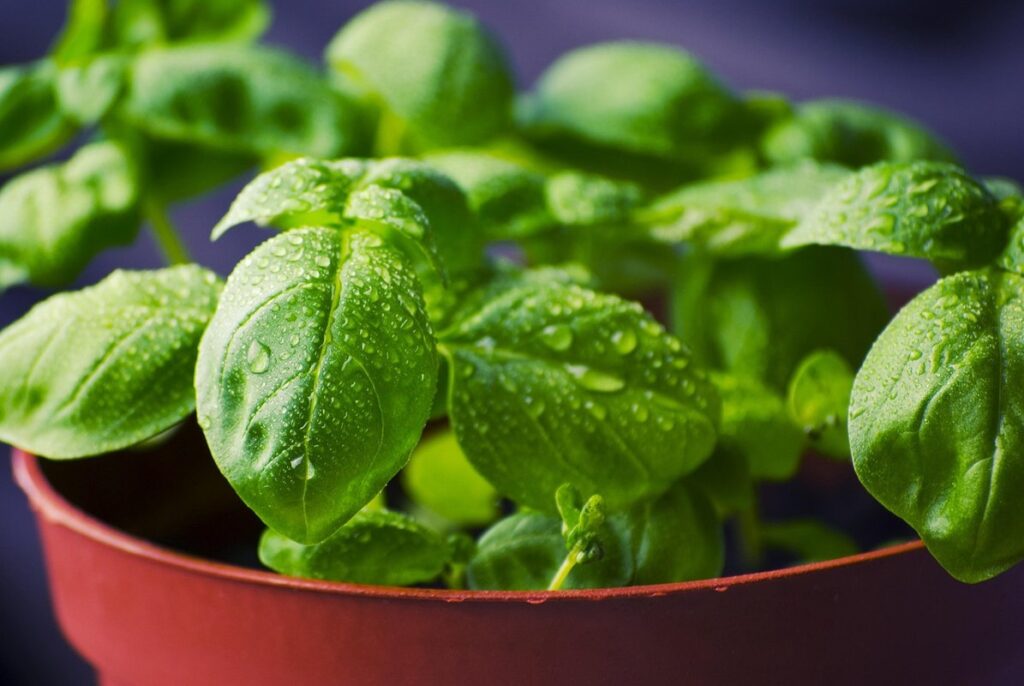
Understanding the Benefits of Companion Planting
By planting basil alongside other vegetables and herbs, you can create a harmonious garden ecosystem that boosts growth and reduces pests. Let’s explore how companion planting enhances your basil’s benefits.
What is Companion Planting?
Companion planting is an ancient technique that has been used by gardeners for centuries to improve growth, health, and flavor of their plants. At its core, companion planting involves growing different plant species together to enhance each other’s benefits. This can be achieved through various means such as repelling pests, attracting beneficial insects, improving soil quality, and providing shade.
When done correctly, companion planting can have a significant impact on your garden’s productivity and overall health. By pairing basil with the right plants, you can create a harmonious balance that promotes healthy growth and reduces the need for pesticides and other chemicals. For instance, growing basil with mint repels aphids and other pests, while basil paired with marigold improves soil quality and prevents nematodes.
To get started with companion planting, simply choose plants that complement each other’s needs and benefits. Research which plants thrive together and experiment with different pairings to find what works best for your garden. Remember, every plant has its unique characteristics, so it’s essential to understand their individual needs before introducing them to a companion planting arrangement.
History and Traditional Practices
Companion planting has been practiced for centuries by various cultures around the world. In ancient Greece and Rome, gardeners used companion planting to enhance crop yields and deter pests. For example, they paired garlic with lettuce to repel aphids and other insects. Similarly, in China, basil was used as a pest repellent in vegetable gardens. The Chinese believed that the scent of basil drove away mosquitoes and flies.
In traditional African gardening practices, certain plants were combined for their beneficial properties. Marigolds and basil, for instance, were planted together to enhance the flavor and aroma of tomatoes. In many Asian cultures, companion planting was an integral part of crop rotation and intercropping techniques.
Today, we can learn from these traditional practices by experimenting with different combinations of herbs and vegetables in our own gardens. By understanding how plants interact with each other, we can create harmonious relationships that promote healthy growth and reduce the need for pesticides. For example, basil repels aphids and whiteflies, making it an excellent companion plant for tomatoes and peppers.
Choosing Companion Plants for Basil
When selecting companion plants for basil, consider what benefits you want to achieve – pest control, flavor enhancement, or improved growth. We’ll explore some popular options for each of these goals.
Heat-Tolerant Companions for Basil
When it comes to pairing basil with other plants that thrive in warm temperatures, you’ll find several excellent options. Mint, oregano, and lemongrass are some of the most popular choices for this purpose.
Mint is an ideal companion plant for basil as they both require similar growing conditions and have a natural affinity for each other. This pairing not only promotes healthy growth but also repels pests that target basil, such as aphids and spider mites. For example, when planted together, mint’s strong scent can deter whiteflies from reaching the basil.
Oregano is another herb that complements basil well in warm climates. Its pungent aroma helps to mask any potential attractants for pests, making it an effective companion plant for basil. Additionally, oregano has been known to improve soil health by introducing beneficial microbes.
Lemongrass is a natural air purifier and can help to repel mosquitoes that might be attracted to the basil’s fragrance. When planted together, lemongrass also adds a pop of color and texture to your garden bed.
Cool-Season Companions for Basil
When it comes to cool-season companions for basil, there are several options that thrive in cooler temperatures and can be grown alongside this popular herb. One of the most obvious choices is lettuce, which can add a delightful crunch to salads when paired with fresh basil leaves. In fact, growing lettuce and basil together can enhance their flavors and textures, making them even more enjoyable as a salad or sandwich topping.
Kale and chard are another two cool-season companions that complement basil beautifully. These leafy greens have slightly bitter notes that balance out the bright, herbal flavor of basil, creating a harmonious taste experience. To grow these combinations successfully, simply plant lettuce, kale, or chard seeds alongside your basil seedlings when the weather is still relatively cool. As the days warm up, basil will thrive, while its companions continue to grow and mature.
In addition to adding variety and interest to salads, these plant pairings also promote biodiversity in your garden, reducing pests and diseases that target single-species crops. By incorporating multiple species into a single bed or container, you’ll create a more resilient ecosystem that’s less susceptible to damage from insects or fungal infections.
Companion Plants for Pest Control
When it comes to growing basil, having the right companion plants can make all the difference in keeping those pesky pests at bay and promoting healthy growth. Let’s explore some of the best companions for your basil garden!
Repelling Pests with Basil Companions
Basil is often plagued by pests like aphids, whiteflies, and spider mites that can damage its leaves and affect its flavor. Fortunately, there are several companion plants that can help repel these unwanted visitors. One such plant is marigold, a natural enemy of basil that also repels nematodes, which can harm the roots of your basil plant.
Radish is another great option to attract nematodes away from your basil. By planting radish alongside your basil, you can create a barrier against these microscopic pests. Garlic is yet another powerful pest repellent that can be used to keep aphids and other pests at bay. Planting garlic around the perimeter of your basil bed can help deter these pests and promote a healthy environment for your basil plants.
When selecting companion plants for pest control, remember to choose plants that have different growth habits and mature times. This will ensure that there’s always something in bloom or producing chemicals to repel pests throughout the growing season.
Companion Plants for Disease Prevention
When growing basil, it’s essential to consider companion plants that can help prevent common diseases. Basil is susceptible to powdery mildew and root rot, which can be devastating for your crop. To combat these issues, pair your basil with plants possessing antifungal properties.
Sage, a natural antibacterial agent, makes an excellent companion plant for basil. Its strong scent repels pests and prevents the spread of disease. Thyme is another effective choice, as it contains thymol, a compound that inhibits fungal growth. Mint’s potent oils also work to suppress diseases in nearby plants.
To implement this strategy, simply interplant sage, thyme, or mint alongside your basil. The key is to maintain a balanced and diverse garden ecosystem. By introducing these companion plants, you’ll not only prevent disease but also promote healthy growth and resilience in your basil crop. Remember to research specific growing requirements for each plant to ensure compatibility and optimal results.
Companion Planting for Soil Health
When it comes to maintaining healthy soil, companion planting plays a significant role in promoting beneficial microorganisms and balanced nutrient cycles. Let’s explore some of basil’s most harmonious pairing options.
Improving Soil Quality with Basil Companions
Companion planting is an effective way to improve soil structure and fertility by pairing plants that work together to retain moisture and nutrients. When basil is planted alongside nutrient-rich companions like comfrey, alfalfa, or clover, it benefits from the enhanced soil conditions. These legumes are known for their ability to fix nitrogen in the soil, making it available to other plants.
For example, when you plant comfrey near your basil patch, its deep taproots help bring up nutrients from the subsoil, while its leaves act as a fertilizer plant by adding organic matter to the soil. Alfalfa and clover do similarly, drawing up nutrients from deeper in the soil and releasing them back into the top layer.
To reap these benefits, plant your chosen companion plants alongside basil in a 3:1 or 4:1 ratio. This will give you an abundance of nutrient-rich mulch to add to the soil as it breaks down. Regularly incorporating this mulch into your garden beds will improve soil structure and fertility over time, supporting healthier growth for all your plants – including your prized basil.
Enhancing Nutrient Uptake with Companion Plants
When it comes to maximizing basil’s potential, companion planting can play a crucial role in enhancing nutrient uptake. Certain plants have unique properties that attract beneficial insects, fix nitrogen, or stimulate microbial activity – all of which contribute to a healthier and more productive basil plant.
Marigolds, for instance, are known to repel nematodes, microscopic worms that feed on roots and deplete soil nutrients. By planting marigolds alongside basil, you can create an environment less hospitable to these pests, allowing your basil to absorb vital nutrients more efficiently. Another example is the nitrogen-fixing abilities of legumes like beans or peas. These plants convert atmospheric nitrogen into a form usable by basil, reducing the need for synthetic fertilizers.
To get started with enhancing nutrient uptake in your basil through companion planting, choose a mix of plants that complement its growth needs. Introduce beneficial microorganisms to the soil through compost tea or worm casting to stimulate microbial activity. This will create an ecosystem that supports nutrient exchange and promotes healthy plant growth.
Companion Planting for Visual Appeal
When it comes to adding some visual flair to your garden, companion planting can be a great way to create beautiful displays and add interest. Let’s explore some of our favorite basil companions!
Aesthetic Pairings for Basil Gardens
When it comes to creating a visually stunning basil garden, pairing different plants together is key. A compact variety of basil can be paired with a sprawling herb like rosemary for a beautiful and harmonious display. For instance, ‘Genovese’ or ‘Sweet Basil’ can be combined with the tall, upright stems of rosemary, adding depth and texture to your garden.
Another option is to pair a variegated basil with a plant featuring colorful foliage. The unique leaves of ‘Purple Basil’ complement the vibrant hues of coleus or petunias, creating a striking contrast that adds visual interest to your garden bed. You can also experiment by combining different shapes and sizes of plants, such as pairing the delicate, lacy foliage of creeping thyme with the robust stems of basil.
Remember to choose companion plants that not only complement but also benefit from each other’s growth habits. For example, basil repels pests that target rosemary, making them a great pair for a pest-free garden.
Seasonal Combinations for Year-Round Interest
When it comes to creating a visually appealing basil garden, companion planting is an excellent way to add variety and interest throughout the growing season. One of the best ways to achieve this is by incorporating plants that offer different textures, colors, and growth habits. For example, dill’s feathery foliage and tall stems provide a striking contrast to compact basil varieties.
Another great option is fennel, which not only adds a beautiful anise flavor to salads but also attracts beneficial pollinators like bees and butterflies. Nasturtiums are another excellent choice, with their bright flowers and edible leaves adding a pop of color and whimsy to the garden. By incorporating these plants into your basil garden, you can create a dynamic and visually appealing display that changes throughout the seasons.
To maximize the benefits of these combinations, be sure to plant them alongside your favorite basil varieties in late spring or early summer. This will give them time to mature and establish themselves before the heat of summer sets in.
Companion Planting Considerations
When pairing basil with other plants, there are several key considerations to keep in mind to ensure a thriving and balanced garden ecosystem. Let’s explore some essential factors to think about.
Potential Issues with Companion Planting
While companion planting can be a powerful tool for gardeners, it’s not without its potential pitfalls. One of the biggest issues is overcrowding – when too many plants are crowded together, it can lead to reduced growth rates and increased susceptibility to disease. To avoid this, make sure to leave enough space between your basil plants and their companions. A general rule of thumb is to plant companion species at least 12-18 inches away from one another.
Another issue to consider is competition for resources. If two or more plants are competing for the same nutrients, water, or light, it can weaken them all. To mitigate this risk, choose companion species that have different growing requirements and won’t compete with your basil for essential resources.
Disease transmission is also a potential concern when companion planting. If one plant becomes infected with a disease like powdery mildew, it can easily spread to nearby plants through touch or airborne spores. To minimize this risk, keep an eye out for signs of disease in your companions and remove any infected plants immediately.
Best Practices for Companion Planting
To get the most out of companion planting with basil, it’s essential to follow some best practices. Firstly, choose plants that complement each other in terms of growth habits and requirements. For example, pairing tall plants like sunflowers or corn with low-growing basil will create a harmonious arrangement without overcrowding.
When implementing a companion planting strategy, consider the mature size of each plant to avoid competition for resources such as water and nutrients. Also, make sure to space plants according to their specific needs, allowing for adequate air circulation to prevent disease.
To ensure successful companion planting, keep the following key points in mind:
* Choose complementary growth habits
* Consider mature plant sizes
* Allow adequate spacing for air circulation
* Monitor for signs of competition or disease
By incorporating these best practices into your basil garden, you’ll be well on your way to creating a thriving and mutually beneficial environment.
Frequently Asked Questions
What if I already have a mature basil plant, can I still add companion plants?
You can definitely add companion plants to an existing basil garden. However, keep in mind that established plants may be more sensitive to changes, so introduce new plants gradually and monitor their impact on the overall ecosystem.
How do I know which companion plants will thrive in my specific climate and region?
Consider factors like temperature, moisture levels, and soil type when selecting companion plants for your basil garden. Research plants suitable for your climate zone and adjust the selection accordingly to ensure optimal growth.
Can I use companion planting as a standalone solution for pest control or disease prevention?
While companion planting can be an effective method, it’s not a foolproof solution. Combine it with other integrated pest management (IPM) strategies, like crop rotation and physical barriers, for comprehensive protection against pests and diseases.
How often should I prune my basil plants when using companion planting?
Regular pruning is essential to encourage bushy growth and prevent flowering in your basil plants. Prune your basil every 1-2 weeks, removing any flower buds that form, to promote leaf production and maintain a healthy plant structure.
Are there specific companion plants for basil that repel pests more effectively than others?
Some popular options for pest-repellent companion plants include garlic, chives, and mint. These plants can help deter aphids, whiteflies, and other pests that target basil. However, keep in mind that excessive growth or overpowering scents from these plants may affect the overall balance of your garden ecosystem.
Can I use companion planting for year-round interest in my basil garden?
To achieve a diverse and dynamic basil garden throughout the seasons, combine heat-tolerant companions during warmer months with cool-season options during milder periods. This way, you can maintain visual appeal and interest while ensuring optimal growth conditions for your basil plants.