
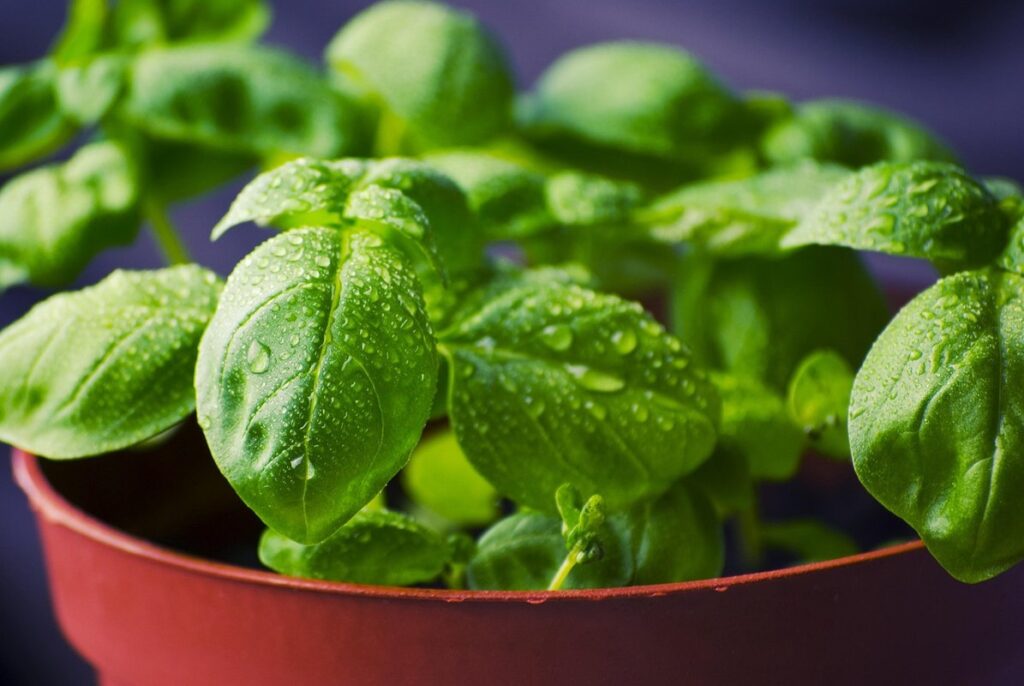
Basil is one of those herbs that can make or break your summer dishes, but growing it can be a challenge. Whether you’re a seasoned gardener or just starting out, achieving perfect basil every time seems like an impossible task. But what if we told you that there’s a secret to making your basil grow stronger and more flavorful? It’s all about companion planting! By pairing your basil with the right plants, you can unlock its full potential and enjoy a bountiful harvest all season long. In this article, we’ll share our expert guide on basil companion planting, covering the benefits, best pairings, and essential tips for creating a thriving garden that will make your neighbors green with envy.
Benefits of Companion Planting with Basil
When it comes to growing perfect basil, companion planting can make all the difference. Discover which plants will boost your basil’s flavor and growth in our next section.
Understanding the Basics of Companion Planting
Companion planting is an ancient gardening technique that involves growing different plants together to improve growth, reduce pests, and increase yields. By strategically selecting companion plants, you can create a harmonious garden ecosystem where each plant supports the others.
This approach has numerous benefits for basil growers. For instance, some plants repel pests that are notorious for targeting basil, such as aphids and whiteflies. Others enhance basil’s growth by improving soil health or providing shade from intense sunlight. Companion planting also increases crop yields by promoting healthy competition among plants and encouraging beneficial microorganisms in the soil.
To get started with companion planting, choose a few compatible plants to grow alongside your basil. Some popular companions include mint, lemongrass, and nasturtiums. Plant them around the perimeter of your basil patch or interspersed throughout the bed to create a diverse and thriving ecosystem. By adopting this simple yet effective technique, you’ll be well on your way to growing perfect basil every time.
How Basil Fits into Companion Planting Strategies
When it comes to companion planting with basil, its unique properties make it an ideal candidate for pairing with other vegetables and herbs. One of the main reasons basil is a great choice for companion planting is its ability to repel pests that can harm plants. For example, basil’s strong scent deters aphids, whiteflies, and mosquitoes, making it a natural pest control agent in your garden.
When combined with other plants, basil’s fragrance also improves their growth and flavor. For instance, pairing basil with tomatoes enhances their flavor and aroma, creating a delicious and fragrant combination. Similarly, planting basil alongside peppers or eggplants can help repel pests that target these vegetables.
Some popular pairings for basil include:
• Basil and mint: This classic combination is not only visually appealing but also repels pests and adds flavor to nearby plants.
• Basil and chives: Chives help improve soil health, while basil’s fragrance enhances the chives’ flavor.
• Basil and nasturtiums: Nasturtiums repel aphids and other pests, making them a great pairing with basil.
By incorporating these pairings into your garden, you can create a balanced ecosystem that promotes healthy growth and reduces pest problems.
Common Companion Plants for Basil
When it comes to growing perfect basil, choosing the right companion plants can make all the difference. Let’s explore some of our favorite herbs and veggies that complement basil beautifully!
The Three Sisters: Basil, Tomatoes, and Cucumbers
When it comes to companion planting with basil, one of the most popular and beneficial combinations is often referred to as “The Three Sisters”: basil, tomatoes, and cucumbers. Growing these three plants together not only creates a visually appealing garden bed but also provides numerous benefits for the health and productivity of your basil.
Firstly, growing basil alongside tomatoes can significantly enhance the flavor of both plants. Basil’s pungent aroma helps to improve the sweetness and depth of tomato flavors, while tomatoes provide shade for basil, which can be sensitive to intense sunlight. This combination is a classic example of how companion planting can elevate the overall taste experience.
In addition to improved flavor, growing cucumbers alongside basil and tomatoes also helps to reduce pest issues. Cucumbers’ sprawling habit can help to smother weeds that might attract pests away from your basil plants, while their fragrance deters aphids and other insects that might target your basil.
To make the most of this combination, be sure to plant your basil around the base of your tomato plants, allowing them to benefit from the shade and flavor enhancement provided by the basil. Then, train your cucumber vines to climb up a trellis or other support, encouraging them to spread out and provide shade for your basil as it grows.
Basil and Peppers: A Match Made in Heaven
When it comes to companion planting with basil, few pairings are as delightful as basil and peppers. Not only do they complement each other’s flavors beautifully, but they also provide a mutually beneficial growing relationship that can enhance the overall health of your plants.
Basil and peppers have been known to boost each other’s growth rates, making them ideal for interplanting in containers or garden beds. The fragrance emitted by basil repels pests that target peppers, such as aphids and whiteflies, reducing the need for pesticides. In turn, peppers’ strong scent can help deter pests that might be attracted to basil, like spider mites.
To reap these benefits, try planting pepper varieties like bell peppers or sweet mini peppers alongside your favorite basil cultivar. As you sow seeds about 1-2 inches apart in well-draining soil with full sun, remember to keep the area consistently watered and fertilized. With a little care and attention, this harmonious pairing will reward you with an abundance of fragrant leaves and crunchy peppers all summer long.
Companion Plants That Repel Pests from Basil
When pests threaten your basil crop, don’t reach for pesticides just yet. Certain companion plants can naturally repel unwanted visitors and keep your basil thriving.
Using Nasturtiums to Keep Aphids at Bay
Nasturtiums are a natural and effective companion plant for basil, particularly when it comes to keeping aphids at bay. These tiny insects can quickly devastate a basil crop, sucking sap from the leaves and weakening the plant’s overall health. Nasturtiums repel aphids through their strong fragrance, which is both unappealing and overwhelming to these pests.
To incorporate nasturtiums into your garden, choose a variety that is compact or trailing, as these types spread out easily and can be used as a groundcover. Plant them around the perimeter of your basil bed, allowing enough space for mature leaves to unfurl without overcrowding the area. Keep in mind that nasturtiums prefer well-draining soil and full sun, making them an ideal choice for gardens with similar conditions.
By planting nasturtiums alongside your basil, you can enjoy a pest-free harvest and improve the overall health of your crop. As a bonus, nasturtium flowers add a burst of color to your garden while repelling other pests like whiteflies and squash bugs, making them an excellent addition to any companion planting strategy.
Marigolds: A Natural Deterrent for Whiteflies
Marigolds are a natural and effective way to keep whiteflies and other pests at bay when growing basil. These bright, cheery flowers have a long history of being used as companion plants to repel unwanted insects from gardens. When planted alongside basil, marigolds release chemicals that repel whiteflies, which can spread diseases like powdery mildew and downy mildew.
These pesky insects are attracted to the strong scent of basil, making it a prime target for infestation. By planting marigolds nearby, you’re creating a barrier that deters whiteflies from reaching your basil plants in the first place. In addition to repelling whiteflies, marigolds also attract beneficial insects like bees and butterflies, which pollinate flowers and vegetables.
To get the most out of this companion planting strategy, plant marigolds around the perimeter of your basil patch. This will create a protective zone that keeps pests away from your basil plants. By incorporating marigolds into your garden, you can enjoy healthy, pest-free basil year after year.
Companion Plants That Improve Basil’s Flavor
When it comes to growing great-tasting basil, the company you keep can make all the difference. In this section, we’ll explore the top companion plants that boost basil’s flavor and aroma.
The Impact of Chives on Basil’s Flavor Profile
When it comes to enhancing basil’s flavor profile, chives are an excellent choice for companion planting. These two herbs complement each other beautifully, creating a harmonious balance of flavors that elevate many dishes. Chives’ onion-like aroma and pungency subtly enhance basil’s sweetness, while their slightly bitter notes bring depth to the herbaceousness of basil.
The reason chives and basil pair so well lies in their botanical relationships. Both belong to the Lamiaceae family, which shares similarities in their essential oil compositions. This proximity allows them to exchange volatile compounds through a process called allelopathy, further intensifying their combined flavor.
In many recipes, chive-basil combinations add a rich, savory dimension. A classic example is pesto sauce, where chives and basil are blended with garlic, Parmesan, and olive oil to create an aromatic spread perfect for pasta or pizza toppings. When planting chives alongside your basil crop, keep them about 6-8 inches apart to allow for proper growth and air circulation. As the plants mature, trim off chive flowers to direct energy toward the foliage, which will transfer its enhanced flavor properties to nearby basil leaves.
How Oregano Affects the Taste of Basil
Growing oregano alongside basil is a match made in heaven. Not only do they complement each other visually, but oregano also has a profound impact on the flavor and aroma of basil. This dynamic duo will elevate your pesto game and take your culinary creations to new heights.
The key benefit of growing oregano with basil lies in its ability to balance out the flavor profile. Oregano’s pungent and earthy notes perfectly counterbalance basil’s sweet and aromatic flavors, creating a more complex and engaging taste experience. In fact, studies have shown that when grown together, basil’s essential oils are released in greater abundance, resulting in an even more intense aroma.
To maximize the flavor benefits of oregano and basil, make sure to plant them side by side in your garden. Oregano can be harvested at various stages, from young leaves to mature stems, allowing you to enjoy its unique flavors throughout the growing season.
Tips for Companion Planting with Basil
Now that you’ve learned how to choose the perfect companions for your basil, let’s dive into some expert tips on how to pair them successfully in your garden.
Planning Your Garden Layout
When planning your garden layout for companion planting with basil, it’s essential to consider the mature size of each plant and their growth habits. This will help you create a harmonious space where plants can thrive together without overcrowding.
Start by grouping plants into categories based on their sun requirements, watering needs, and mature sizes. For example, pair tall plants like sunflowers or marigolds with basil to create a layered effect. On the other hand, compact plants like mint or thyme can be interspersed among basil leaves to add texture and diversity.
Consider creating “zones” within your garden bed, each dedicated to specific plant families or growth habits. For instance, you might have a zone for vining plants, another for herbs with high water requirements, and a third for low-maintenance flowers. This will make it easier to rotate crops, prevent pests from spreading, and ensure that each plant receives the right conditions to grow well.
Remember, companion planting is all about creating balance and harmony in your garden. By planning thoughtfully and considering the needs of each plant, you’ll set yourself up for success with beautiful, thriving basil and its companions.
Watering and Maintenance Considerations
When companion planting with basil, it’s essential to pay close attention to watering and maintenance. Basil is a delicate herb that thrives in well-drained soil and can be susceptible to overwatering, which can lead to root rot and other issues.
To avoid this, make sure the soil drains quickly after watering, and avoid getting water on the leaves to prevent fungal diseases from taking hold. Check the soil daily by inserting your finger into the top inch of soil; if it feels dry, it’s time for a drink. Water in the morning or early afternoon to give the plants the entire day to absorb the moisture.
Regular maintenance is also crucial when companion planting with basil. Regularly inspect your plants for signs of pests like aphids, whiteflies, and spider mites. Keep an eye out for powdery mildew and other fungal diseases that can quickly spread through your garden.
To keep your basil growing strong and healthy, consider using companion plants like nasturtiums, which repel aphids and other pests. You can also use neem oil or insecticidal soap to control infestations without harming beneficial insects. By keeping a close eye on watering and maintenance, you’ll be well on your way to growing perfect basil every time!
Common Mistakes to Avoid When Companion Planting with Basil
When companion planting with basil, it’s easy to get carried away and make mistakes that can harm your plants. Let’s go over some common pitfalls to watch out for.
Overcrowding: A Recipe for Disaster
Overcrowding is one of the most common mistakes gardeners make when companion planting with basil. When plants are too close together, they compete for resources such as water, nutrients, and sunlight, leading to a weakened immune system and increased susceptibility to pests and diseases. This can result in reduced growth rates, lower yields, and even plant death.
To avoid overcrowding, it’s essential to maintain healthy spacing between basil plants. A general rule of thumb is to leave at least 6-12 inches (15-30 cm) between each basil plant, depending on the specific variety. For example, compact or dwarf varieties can thrive in smaller spaces, while larger varieties require more room to spread out.
When companion planting with other species, it’s crucial to research their individual space requirements and adjust your layout accordingly. For instance, if you’re pairing basil with a tall sunflower, make sure to leave enough space for the sunflower to grow without shading the basil. By being mindful of plant spacing, you can create a harmonious and thriving companion planting system that promotes healthy growth and optimal yields.
Incompatible Pairings: What to Avoid
When it comes to companion planting with basil, there are some pairings that just don’t work well together. It’s essential to be aware of these incompatible duos to ensure you’re giving your basil the best chance to thrive.
One classic example is pairing basil with mint. While both herbs share a similar growing environment and can even benefit from each other’s fragrance, they have different growth habits and requirements. Mint can quickly overgrow and overpower basil, making it difficult for the plant to receive adequate sunlight and nutrients. In fact, research suggests that mint can reduce the yields of nearby basil plants by up to 30%.
Other pairings to avoid include:
• Planting basil near fennel, as its strong scent can inhibit basil’s growth
• Growing basil alongside onions, which can attract pests that target basil
• Pairing basil with members of the Brassica family (broccoli, cauliflower, kale), as they release chemicals that can repel beneficial insects and reduce basil’s yields
By avoiding these incompatible pairings, you’ll be able to create a harmonious and productive companion planting system for your basil.
Frequently Asked Questions
Can I use companion planting with basil indoors?
Yes, you can still benefit from companion planting when growing basil indoors. Since space is limited, focus on compact varieties of plants like marigolds or chives that won’t compete for resources. Place them near your basil in pots or containers to create a mini indoor ecosystem.
How do I know if my companion plantings are working?
Monitor the health and growth of both your basil and companion plants over time. If you notice improved flavor, reduced pests, or enhanced growth in your basil, it’s likely that the companion planting is having a positive effect. Keep an eye out for potential signs of stress or competition between the plants.
Can I mix-and-match any combination of plants as companions for basil?
No, not all plants are compatible with each other. Some may compete for resources, attract pests, or have conflicting growth habits that can harm your basil. Research specific companion planting combinations to ensure a harmonious and beneficial relationship between the plants in your garden.
How do I choose the right location for my companion-planted basil?
Select a spot with full sun (at least 6 hours of direct sunlight) and well-draining soil, rich in organic matter. Consider factors like accessibility for watering and maintenance, as well as proximity to other plants that might compete or benefit from your basil’s presence.
Can I use companion planting to control pests naturally without losing yield?
Yes, by strategically selecting pest-repellent plants like marigolds or nasturtiums, you can maintain a balanced ecosystem while minimizing the need for chemical pesticides. Companion planting can also improve soil health and promote beneficial insects that help control pest populations, resulting in healthier crops with minimal crop loss.