
Growing your own fresh basil can be a game-changer for any cook, but let’s face it – keeping this popular herb thriving can be a challenge. Whether you’re a seasoned gardener or just starting out, maintaining healthy basil plants requires some know-how and attention to detail. From selecting the right variety to harvesting and storing those delicious leaves, proper care and pruning are essential to getting the most out of your basil crop. In this ultimate guide, we’ll walk you through everything you need to know about growing and maintaining healthy basil plants. We’ll cover the best varieties for different climates and uses, tips for promoting bushy growth and preventing pest problems, and expert advice on when and how to harvest, dry, and store fresh basil leaves. By the end of this article, you’ll be well-equipped to tackle any basil care and pruning task with confidence!
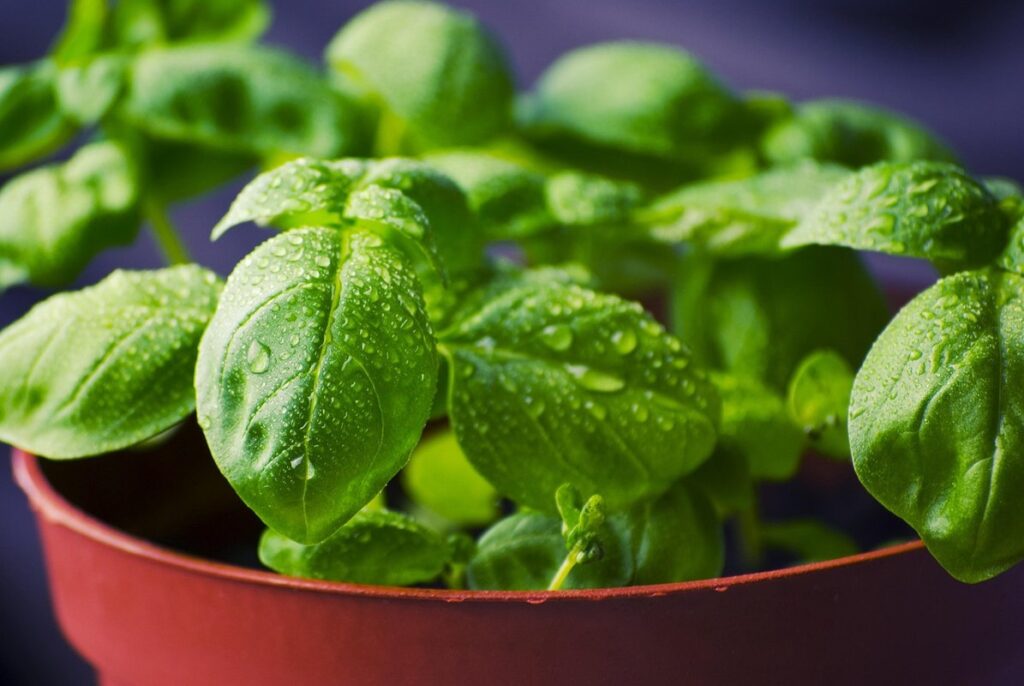
Choosing the Right Basil Variety
When selecting a basil variety, consider factors such as flavor profile, growth habits, and resistance to pests and diseases, which will impact your plant’s overall health and success. Let’s explore some popular options.
Understanding Basil Types
When it comes to growing basil, understanding the different types available is crucial for choosing the right one for your cooking needs. There are several popular varieties of basil, each with its unique characteristics and uses.
Sweet Basil is one of the most widely used and cultivated varieties. It’s known for its sweet and slightly spicy flavor, making it a perfect choice for pesto, caprese salads, and Thai dishes. Its leaves have a gentle, soft texture and are typically larger than other basil types.
Thai Basil, on the other hand, has a stronger, more pungent aroma and is commonly used in Southeast Asian cuisine. Its leaves are smaller and narrower than sweet basil, with a slightly pointed tip. This type of basil adds an intense flavor to dishes like stir-fries and curries.
Lemon Basil combines the citrusy scent of lemongrass with the classic flavor of sweet basil. It’s perfect for adding a bright, refreshing taste to seafood dishes, salads, and cocktails. When using different types of basil, consider their unique flavors and textures to create balanced and harmonious flavors in your cooking.
Selecting Healthy Seedlings
When selecting healthy basil seedlings from a nursery or garden center, it’s essential to inspect them carefully before making a purchase. First, look for signs of disease such as yellowing leaves, black spots, or powdery mildew. Healthy basil plants should have vibrant green leaves with no visible symptoms of pests or diseases.
Next, inspect the root growth. A healthy seedling should have a well-developed root system that’s not circling or growing out of the pot. Gently remove the plant from its container and examine the roots. If the roots are circling or are growing out of the soil, it may be a sign that the plant is being waterlogged.
Check the overall health of the plant by gently lifting it out of the pot and examining the root system. A healthy basil seedling should have a balanced root-to-leaf ratio, with an abundance of leaves and a robust root system. Avoid seedlings that are leggy or weak, as these may struggle to thrive in your garden.
If possible, choose seedlings from a reputable nursery that has a good track record of producing healthy plants.
Growing Basil in Your Garden
To successfully grow basil in your garden, you’ll need to know when and how to plant it, as well as provide the right conditions for healthy growth.
Soil Requirements for Basil
Basil requires well-draining soil with optimal pH levels to grow its best. Aim for a slightly acidic to neutral soil pH between 6.0 and 7.0. If your garden’s natural soil pH is higher or lower, you can adjust it by adding organic matter like compost or peat moss.
When it comes to nutrient requirements, basil thrives in soil rich in nitrogen, phosphorus, and potassium. You can feed your basil plants with a balanced fertilizer (10-10-10) once a month during the growing season. Additionally, make sure the soil has enough magnesium, calcium, and sulfur for healthy growth.
A crucial aspect of growing basil is ensuring that the soil drains properly. Basil roots are prone to rot in waterlogged conditions, so ensure your garden bed or container has good drainage holes. To test the drainage, pour a small amount of water into the soil, and if it takes more than 10 minutes for the water to drain completely, consider improving the soil’s structure.
Basil plants grow rapidly and need consistent moisture levels to prevent nutrient deficiencies.
Providing Adequate Light and Water
Basil plants require bright light to photosynthesize and grow well. Direct sunlight is essential for their growth, but it’s also crucial to provide some shade during peak hours to prevent leaf scorch. Aim for at least 4-6 hours of direct sunlight per day. If you live in a region with intense sunlight, consider using a sheer curtain or shade cloth to filter the light.
Watering basil plants requires attention to their specific needs. Overwatering is a common mistake that can lead to root rot and kill the plant. Water your basil plants when the top 1-2 inches of soil feel dry to the touch. Water them thoroughly, making sure not to leave any waterlogged areas. Aim for about 1-2 gallons of water per week, depending on the climate and soil type.
Keep an eye out for signs of overwatering, such as yellowing leaves, droopy stems, or a soft stem that’s prone to breakage. Conversely, underwatered basil plants may develop brown tips or crispy edges. Monitor your plant regularly and adjust its watering schedule accordingly. Remember, it’s better to err on the side of caution and underwater slightly than to risk overwatering and causing damage to your plant.
Pruning and Training Basil Plants
To keep your basil plants healthy and productive, you’ll need to learn how to prune them regularly, as well as train their stems to grow upwards.
The Importance of Pruning
Pruning is often overlooked as a crucial aspect of basil care, but it’s essential for maintaining healthy and productive plants. By pruning regularly, you’ll not only encourage bushy growth and prevent legginess but also reduce the likelihood of pest susceptibility.
When basil leaves are crowded and overlapping, they become more vulnerable to fungal diseases like powdery mildew and leaf spot. Regular pruning allows for better air circulation, which helps to dry out excess moisture and prevent these issues from taking hold. In fact, studies have shown that regular pruning can reduce the incidence of powdery mildew by up to 90%.
In addition to disease prevention, pruning also promotes healthy growth patterns in basil plants. By removing lower leaves and encouraging horizontal branching, you’ll stimulate leaf production and maintain a lush, vibrant appearance. This is especially important for continuous harvests, as regular pruning will encourage new shoots to grow and replace older ones.
Prune your basil plants at least once a week during the peak growing season to reap these benefits and enjoy an abundance of fresh leaves throughout the summer months.
Techniques for Pruning and Training
Pruning and training basil plants is an art that requires patience, attention to detail, and the right techniques. To encourage bushy growth and prevent legginess, start by pinching off flower buds as soon as they appear. This simple technique will direct the plant’s energy towards leaf production rather than seed formation. Use your thumb and index finger to gently pinch off the buds, making sure not to damage the surrounding leaves.
As your basil plants grow, remove lower leaves to promote air circulation and prevent fungal diseases from taking hold. Cut back stems to about one-third their height to encourage branching and new growth. You can also use trellises or other support systems to train your basil plants to climb upwards, making the most of available space in your garden.
When using a trellis, gently twine the stems around it, securing them with plant clips if necessary. As your plants grow, remove any weak or spindly growth to maintain shape and promote healthy development. Regular pruning and training will not only enhance the appearance of your basil plants but also improve their flavor and aroma.
Common Pests and Diseases Affecting Basil
Basil is susceptible to several common pests and diseases that can affect its growth, including aphids, whiteflies, and fungal infections like powdery mildew. These issues can be tricky to manage if left unchecked.
Identifying Common Problems
Aphids, whiteflies, and powdery mildew are some of the most common pests and diseases that can affect basil plants. As a basil enthusiast, it’s essential to recognize the signs and symptoms of these problems to take corrective action.
Aphids are small, soft-bodied insects that feed on plant sap, causing curled or distorted leaves. They reproduce quickly, so if you notice a few aphids on your plant, inspect the entire area for more. To get rid of them, spray the plant with water and then use neem oil to repel any remaining pests.
Whiteflies are tiny flying insects that also feed on sap, causing yellowing or stunted growth. They often congregate on the undersides of leaves, so make sure to inspect these areas closely. Use sticky traps or insecticidal soap to control whitefly populations.
Powdery mildew is a fungal disease that appears as a white, powdery coating on leaves. It thrives in humid conditions and can be spread by overhead watering. To prevent powdery mildew, ensure good air circulation around your basil plants and avoid getting water on the leaves. If you notice the first signs of powdery mildew, treat with fungicides or remove infected leaves to prevent further spread.
Organic Solutions for Pest Control
When dealing with pests on your basil plants, it’s essential to consider organic solutions that won’t harm the environment or contaminate your soil. One effective approach is introducing beneficial insects into your garden. For example, ladybugs are natural predators of aphids and whiteflies, while lacewings feed on thrips and spider mites.
To attract these beneficial insects, create a welcoming environment by planting a diverse range of flowers that provide nectar and pollen, such as marigolds, calendulas, or dill. This will encourage beneficial insects to visit your garden, reducing the need for pesticides.
Another eco-friendly option is using neem oil to control pest populations. Neem oil is derived from the seeds of the neem tree and can be mixed with water to create a spray that repels pests without harming them. When applying neem oil, make sure to follow the label instructions and test it on a small area first to ensure it doesn’t cause any damage to your basil leaves.
Regularly inspecting your plants for signs of pests and taking action promptly can also help prevent infestations from getting out of hand. By combining these organic solutions with good garden hygiene practices, such as removing weeds and debris, you’ll be well on your way to maintaining a pest-free basil crop.
Harvesting and Storing Fresh Basil
Now that you’ve learned how to prune your basil, it’s time to reap the rewards of your hard work: harvesting and storing fresh basil for maximum flavor and fragrance. Learn how to do it right here.
Timing Your Harvest
Timing your harvest is crucial to ensure that you get the most out of your basil plant. You want to pick the leaves when they’re at their peak flavor and aroma, which usually occurs within 60-90 days after sowing.
To determine if your basil plant is ready for harvesting, look for signs such as a slight indentation on the stem where a leaf meets the branch. This indicates that the leaf has reached its full size and is now mature enough to be picked. You can also gently pinch or twist off individual leaves to encourage new growth and prevent the plant from flowering.
For optimal flavor and aroma, harvest basil leaves in the morning after the dew has dried but before the heat of the day sets in. Use scissors or a sharp knife to snip off the top sets of leaves, leaving about an inch of stem intact. This will help the plant continue to grow and produce new leaves. Harvesting regularly also prevents the plant from flowering, which can reduce its flavor and aroma.
Storage and Handling Tips
When you’ve harvested your fresh basil leaves, it’s essential to store them properly to maintain their flavor and fragrance. Here are some storage and handling tips to keep your basil fresh for a longer period:
To dry your basil leaves, tie them in small bunches and hang them upside down in a warm, dry, dark place. You can also use a food dehydrator or oven on the lowest temperature setting. Once dried, store the leaves in airtight containers to preserve their flavor.
For refrigerating, wrap the fresh basil leaves tightly in plastic wrap or aluminum foil and place them in the refrigerator’s crisper drawer. This will help maintain humidity and keep the leaves fresh for up to 1 week.
Freezing is another excellent option. Simply chop the fresh basil leaves, place them in an airtight container or freezer bag, and store them in the freezer. Frozen basil is perfect for adding flavor to soups, sauces, and other recipes. When you’re ready to use it, simply thaw the desired amount and add it to your dish.
Proper storage will help preserve the delicate flavor and aroma of your fresh basil leaves. By following these tips, you’ll be able to enjoy your homegrown basil all year round!
Advanced Techniques for Growing Basil Year-Round
To take your basil game to the next level, you’ll want to learn some advanced techniques for year-round growth, from propagation to pest control. Let’s dive into these expert strategies now!
Indoor Growing Methods
Growing basil indoors year-round allows you to enjoy this popular herb regardless of the season. There are several methods for indoor growing that can produce bountiful yields and healthy plants.
Using grow lights is a great option, especially if you live in areas with limited natural light or during winter months when sunlight is scarce. LED grow lights mimic the sun’s spectrum and intensity, providing the necessary conditions for basil to thrive. For example, a study by the University of Florida found that basil grown under LED lighting had increased yields compared to those grown under natural light.
Indoor greenhouses are another option for growing basil year-round. These controlled environments allow you to regulate temperature, humidity, and light exposure, creating optimal conditions for growth. Some indoor gardening systems even come with integrated grow lights, making it easy to provide the necessary light spectrum.
Some popular indoor gardening options include hydroponic systems, aeroponic systems, and vertical gardens. These methods utilize nutrient-rich solutions or misting systems to deliver essential nutrients directly to the roots, reducing water waste and increasing crop yields.
Propagation and Dividing Basil Plants
Propagation and division are two effective methods for multiplying basil plants. To divide your basil plant, choose a healthy one with multiple stems. Gently dig up the entire root system, taking care not to damage the roots. Then, separate the individual stems from each other, making sure each section has at least two sets of leaves.
For cuttings, you’ll need some fresh basil stems with at least two nodes (the joint where a leaf meets the stem). Cut these stems under water or using a sharp knife to minimize drying out. Remove lower leaves, leaving only two or three pairs at the top. Place the cutting in a pot filled with well-draining soil and keep it consistently moist.
You can also use this method to propagate your favorite basil varieties, as long as they are suitable for division or cuttings. When taking cuttings, be sure to make clean cuts just above a node to encourage new growth. This will help the cutting develop roots more quickly. Keep in mind that not all basil varieties respond equally well to propagation by cuttings.
Frequently Asked Questions
Can I use indoor lights to grow basil if I don’t have a sunny windowsill?
Yes, you can definitely use indoor lights to grow basil, especially during the winter months or in areas with limited natural light. Look for LED grow lights specifically designed for indoor gardening, and follow the manufacturer’s instructions for optimal lighting conditions.
How often should I water my basil plants, especially when they’re producing a lot of leaves?
Water your basil plants thoroughly when the top inch of soil feels dry to the touch, but avoid overwatering. During hot or dry spells, you may need to water every other day. Keep in mind that basil is more susceptible to root rot if the soil is consistently wet.
What are some common mistakes people make when pruning their basil plants?
One common mistake is cutting too much of the plant at once, which can shock it and cause damage. Instead, remove only what’s necessary for your current harvest needs, leaving enough foliage to promote healthy growth.
Can I propagate my own basil plants by dividing them, or should I start from seed each time?
Yes, you can propagate your own basil plants by dividing established ones during the spring or fall when they’re actively growing. This method is a great way to share with friends or get more plants for yourself without having to purchase seeds.
How do I prevent pests like aphids and whiteflies from infesting my basil plants?
Regularly inspect your plants, and use organic solutions like neem oil, insecticidal soap, or horticultural oil to control any pest issues. Keep in mind that integrated pest management (IPM) techniques often involve a combination of cultural, physical, biological, and chemical controls.