
If you’re a banana enthusiast or simply want to get more out of your backyard bananas, understanding the process of banana plant flowering is crucial. Banana plants are often thought of as being fruit-only producers, but they also produce beautiful flowers that play a vital role in their life cycle. Not only do these flowers indicate when your banana plant is ready for harvest, but they’re also an essential part of maximizing fruit production and maintaining overall plant health.
In this article, we’ll delve into the life cycle of banana plants, exploring how environmental factors like temperature, humidity, and light affect flowering. We’ll also discuss the cultural significance of banana flowers in different parts of the world and provide expert tips on how to encourage healthy flowers that lead to bigger yields. Whether you’re a seasoned gardener or just starting out, this guide will help you unlock the secrets of banana plant flowering and make the most of your homegrown bananas.
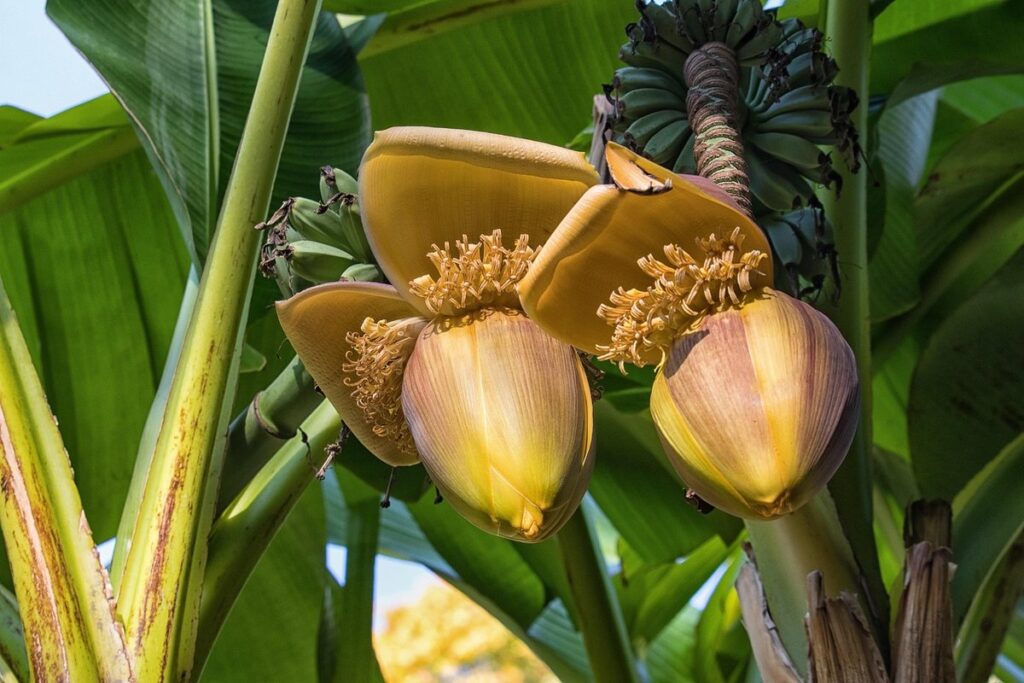
What to Expect When a Banana Plant Flowers
When your banana plant finally starts flowering, you’ll want to know what to expect from the process and how it affects the rest of your plant’s health. This section will walk you through those crucial details.
Why Do Banana Plants Flower?
So you’re wondering why banana plants flower? Well, flowering is an essential part of a plant’s reproductive cycle. For banana plants, it’s a crucial step towards producing seeds and propagating the species. However, bananas are sterile, meaning they don’t produce viable seeds due to genetic mutations that occurred thousands of years ago.
As a result, banana plants have adapted to reproduce vegetatively through suckers or offshoots. But what role does flowering play in this process? When a banana plant flowers, it’s often a signal that the plant is reaching the end of its productive life cycle. The inflorescence, which is the cluster of flowers, can grow up to 2 meters long and contains hundreds of tiny flowers.
Flowering can also impact fruit production. If a banana plant puts too much energy into producing flowers, it may divert resources away from fruiting, leading to reduced yields or poor fruit quality. This is why many commercial growers try to control the flowering process by removing the inflorescence to encourage the plant to focus on producing fruit instead.
In home gardens, you can take steps to manage your banana plant’s flowering habits. By providing optimal growing conditions and pruning regularly, you can encourage healthy growth and reduce the likelihood of excessive flowering. Keep in mind that some banana varieties are more prone to flowering than others, so be sure to research the specific needs of your plant.
The Life Cycle of a Banana Plant’s Flower
The life cycle of a banana plant’s flower is a complex process that spans several stages. It begins with the formation of the inflorescence, a tall stalk that grows from the top of the plant and contains the reproductive organs. This stage is usually triggered by a period of drought or stress, which causes the plant to produce a terminal bud.
As the inflorescence matures, it produces a series of bracts, or modified leaves, that protect the delicate flowers within. The bracts are arranged in a spiral pattern and provide support for the individual flowers as they emerge. This can take anywhere from 1-3 weeks, depending on factors such as temperature, humidity, and the plant’s overall health.
Once the individual flowers have emerged, they will begin to open, revealing their bright yellow or cream-colored petals. The female flowers are usually sterile and do not produce fruit, while the male flowers are responsible for pollination. After 24-48 hours, the anthers of the male flowers release pollen, which is then carried by wind or insects to the stigma of the female flowers.
As the individual flowers continue to develop, they will begin to form bananas. The bananas grow and mature on the plant for several weeks before they are ready to harvest. With proper care and conditions, a single banana plant can produce multiple bunches of fruit over its lifespan.
Types of Banana Flowers: Male, Female, and Neuter
You’re probably curious about the different types of banana flowers that can appear on your plant, but did you know there are male, female, and even neuter varieties? Let’s explore each one in more detail.
Understanding the Male Flower
The male flower is an essential component of the banana plant’s reproductive cycle. It is responsible for producing the pollen that fertilizes the female flowers to produce fruit. The male flower typically appears before the first female flower and can be identified by its slender, cylindrical shape and bright yellow color.
In terms of appearance, the male flower has a long, thin stalk that supports a cluster of tiny, tubular structures called stamens. These stamens release pollen into the air when mature, allowing it to travel to the nearby female flowers for fertilization. The male flower usually grows on a shorter stem than the female flower and is often found at the base of the plant.
To encourage healthy pollination, banana plant growers can create conditions that promote the development of both male and female flowers. This includes providing optimal temperatures, watering schedules, and nutrient levels. With proper care, your banana plant should produce multiple male flowers before the emergence of the first female flower.
The Role of the Female Flower
The female banana flower plays a crucial role in the fertilization process, which is essential for seed production. Unlike male flowers, female flowers are responsible for producing ovules, where pollen from male flowers will germinate and fertilize the eggs. This usually occurs when the banana plant reaches maturity, typically around 9-12 months after planting.
To visualize this process, imagine a stem emerging from the center of the banana plant, which eventually grows into an inflorescence containing hundreds of tiny female flowers. These delicate white blooms are intricately arranged in a spiral pattern and contain numerous ovules at their base. When pollen from male flowers lands on these ovules, fertilization takes place, leading to the development of seeds.
Female flowers can be either self-pollinated or cross-pollinated, depending on whether the pollen comes from another flower within the same plant or from a different banana plant altogether. Encouraging cross-pollination is essential for maintaining genetic diversity and preventing inbreeding depression, which can weaken plant vigor and reduce fruit quality.
The Unique Case of Neuter Flowers
Neuter banana flowers are an intriguing aspect of banana plant flowering. Unlike their male and female counterparts, neuter flowers do not produce viable seeds. This characteristic sets them apart from the rest of the banana plant’s reproductive cycle.
One key feature of neuter flowers is their sterile nature. They contain only a small amount of undeveloped or immature pollen. As a result, they are unable to fertilize an ovule and subsequently form a seed. Neuter flowers often serve as a transitional phase between male and female flowers, allowing the plant to focus its energy on producing fruit.
Interestingly, neuter flowers can still provide some benefits for the plant. They help direct energy towards developing fruit, promoting healthy growth and potentially increasing yields. By understanding the unique characteristics of neuter flowers, banana growers can optimize their cultivation practices to maximize fruit production. This knowledge can also aid in selecting desirable traits from parent plants when attempting to cross-pollinate or propagate new varieties.
Environmental Factors Influencing Banana Plant Flowering
So, you want to know what factors affect your banana plant’s flowering? Let’s dive into the environmental conditions that influence when and how your banana plant blooms.
Temperature and Humidity’s Impact on Flowering
Temperature and humidity play a crucial role in regulating the timing and frequency of flowering in banana plants. As a grower, it’s essential to understand how these environmental factors affect your plant’s reproductive cycle.
In general, banana plants prefer temperatures between 75°F (24°C) and 85°F (29°C) for optimal growth and flowering. Temperatures above 90°F (32°C) can lead to reduced flowering frequency or even skip flowering altogether. On the other hand, temperatures below 60°F (16°C) can delay or prevent flowering.
Humidity levels also impact flowering in banana plants. A relative humidity of 60-80% is ideal for flowering. However, high humidity above 90% can promote vegetative growth at the expense of flowering. Conversely, low humidity can cause stress and reduce flowering frequency.
To encourage healthy flowering, maintain a consistent temperature range and monitor humidity levels to ensure they fall within the optimal range. This will help your banana plant produce more flowers and fruit throughout its lifespan. By understanding the impact of temperature and humidity on your plant’s reproductive cycle, you can take steps to optimize conditions for successful flowering.
Day Length and Light Exposure
Day length and light exposure play a crucial role in influencing flowering patterns in banana plants. Banana plants typically require long days to produce flowers and fruits. In general, they need at least 10-12 hours of daylight to initiate flower formation. If the day length is shorter than this threshold, the plant may not produce flowers or may only produce sterile inflorescences.
In regions with short days during winter months, banana plants often stop producing new leaves and enter a state of dormancy. This is because the reduced daylight hours signal the plant to conserve energy and resources for survival. In contrast, in tropical regions where day length remains relatively constant throughout the year, banana plants tend to produce flowers more consistently.
To induce flowering in banana plants grown under controlled conditions or in areas with short days, gardeners can use supplemental lighting such as LED grow lights to extend the daylight period. By mimicking natural day length and providing sufficient light exposure, growers can stimulate flower production and promote fruit development in their banana plants.
Water Stress and Nutrient Availability
Water stress and nutrient deficiencies can significantly impact banana plant flowering. When water is scarce, plants may experience reduced growth rates, leading to delayed flowering. This is because water-stressed plants prioritize survival over reproduction, diverting energy away from flower formation.
Nutrient deficiencies also play a critical role in affecting flowering behavior. Specifically, a lack of potassium (K), phosphorus (P), and magnesium (Mg) can impede the process. Potassium, for instance, is essential for cell wall development, while phosphorus is crucial for root growth and energy production. Magnesium, meanwhile, facilitates photosynthesis and flower formation.
A study conducted in Africa revealed that banana plants grown under optimal water conditions and with adequate nutrient supply showed significantly higher yields compared to those subjected to drought stress or nutrient deficiencies. Similarly, farmers can take steps to prevent such issues by adopting drip irrigation systems, using mulch to retain moisture, and incorporating organic matter into the soil to boost nutrient levels. By addressing these fundamental needs, growers can promote healthy flowering in banana plants.
How to Encourage Banana Plant Flowering
Encouraging a banana plant to flower can be a delicate process, but understanding its requirements is key. By following these simple steps, you’ll increase your chances of getting those coveted blooms.
Pruning Techniques for Optimal Flowering
To encourage optimal flowering in banana plants, pruning is an essential technique to master. Regular pruning not only helps maintain plant health but also directs energy towards producing flowers and fruit. The goal of pruning is to remove weak or dead growth, allowing the plant to focus its resources on healthy stems.
When it comes to pruning for flowering, the “top-prune” method is recommended. This involves removing the top set of leaves from the plant to encourage new growth and promote a single stem. By doing so, you’ll be able to control the height and shape of your banana plant while also directing energy towards producing flowers.
Another technique is called “tip pruning,” which involves removing the growing tip of the plant, usually around 3-4 inches above a node. This method encourages branching and promotes a bushy growth habit, leading to more frequent flowering. Be cautious not to remove too much at once, as this can stress the plant.
Fertilization Strategies for Flowering Support
When it comes to encouraging banana plant flowering, fertilization plays a crucial role. You want to provide your plant with the necessary nutrients to promote healthy growth and ultimately, produce those coveted blooms. To achieve this, focus on applying specific nutrients that support flowering.
A balanced fertilizer with a slightly higher potassium content (around 20-25%) is ideal for promoting fruiting and flowering. Potassium helps regulate water balance within the plant, which is essential for flower production. Additionally, consider adding magnesium, as it’s another crucial nutrient required by banana plants to produce flowers.
For optimal results, fertilize your banana plant regularly throughout its growing season, typically from spring to fall. You can also try applying a liquid fertilizer high in phosphorus (around 10-15%) during the flowering stage to give your plant an extra boost.
Remember that over-fertilization can be detrimental, so be sure to follow the recommended application rates for your specific fertilizer. By providing your banana plant with the right nutrients at the right time, you’ll be well on your way to encouraging those beautiful blooms.
Pest and Disease Management for Healthy Flowers
When it comes to encouraging banana plant flowering, many gardeners overlook one crucial aspect: maintaining a healthy plant environment. Pests and diseases can quickly spread through the plant, causing irreparable damage and reducing flower production.
Infestations of aphids, whiteflies, and spider mites are common issues that can weaken the plant’s immune system, making it more susceptible to fungal diseases like Panama disease and Black Sigatoka. These pests feed on sap, transmitting viruses and bacteria that can cause flowers to drop or fail to form.
To prevent such problems, inspect your plants regularly for signs of infestation. Use neem oil or insecticidal soap to control aphids and other soft-bodied insects. For fungal diseases, treat the plant with fungicides containing copper or potassium bicarbonate. Prune affected areas promptly to prevent the spread of disease.
Maintaining a clean growing environment also helps to keep pests at bay. Ensure good air circulation around plants, avoid overwatering, and disinfect gardening tools regularly. By prioritizing pest and disease management, you’ll create an optimal environment for your banana plant to produce healthy flowers and eventually, delicious fruit.
Cultural Significance and Uses of Banana Flowers
You might be surprised at just how versatile and meaningful banana flowers are, with various cultures around the world using them for everything from food to medicine. In this section, we’ll explore their diverse cultural significance.
Traditional Uses in Cooking and Medicine
In many cultures around the world, banana flowers have been valued for their culinary and medicinal uses. In Southeast Asia, for example, the blossoms are a prized ingredient in Thai and Indonesian cuisine. They’re often used in salads, stir-fries, and curries, adding a delicate flavor and crunchy texture.
In Ayurvedic medicine, banana flowers are considered a cooling agent, believed to help balance the body’s energy. In some parts of India, they’re used to treat fever, rheumatism, and digestive issues. The flowers are also rich in antioxidants, which can help protect against cell damage and inflammation.
To use banana flowers in cooking, simply remove the central stem and slice them thinly. They can be sautéed with garlic and chilies or added raw to salads for a burst of flavor. In traditional medicine, the flowers are usually dried and powdered before being mixed with other herbs to create remedies. If you’re interested in trying banana flower recipes or using them medicinally, look for them at Asian markets or online stores that specialize in tropical ingredients.
Modern Applications and Potential Benefits
In recent years, banana flowers have been gaining attention for their potential applications beyond being a decorative feature. One of the most significant modern uses of banana flowers is as a food ingredient. In Southeast Asian cuisine, the flower buds are commonly used in dishes such as stir-fries and curries. They possess a slightly bitter and earthy flavor profile that adds depth to various recipes. Moreover, banana flowers are rich in vitamins A and C, potassium, and antioxidants, making them an excellent addition to salads and smoothies.
Banana flowers have also been incorporated into the cosmetics industry due to their potential benefits for skin and hair care. The flower’s extracts have been found to possess anti-inflammatory properties, which can help soothe acne-prone skin. Additionally, the high content of antioxidants helps protect against environmental stressors and promote collagen production, leading to a more youthful appearance. To make use of banana flowers in cosmetics, simply dry and powder them, then mix with other natural ingredients like coconut oil or shea butter for a nourishing face mask or hair treatment.
Frequently Asked Questions
What are the first signs that a banana plant is ready for flowering?
The first signs of a banana plant preparing to flower include an increase in temperature, humidity, and light exposure. You may also notice a slight change in leaf color and a reduction in fruit growth as the plant redirects its energy towards flowering.
How often should I fertilize my banana plant to promote healthy flowers?
Fertilizing your banana plant regularly is essential for promoting healthy flowers. A balanced fertilizer with equal parts nitrogen, phosphorus, and potassium (NPK) will help support flower production. Fertilize every 2-3 weeks during the flowering season, but be cautious not to over-fertilize, as this can lead to nutrient burn.
Can I propagate banana plants using only male flowers?
No, you cannot propagate banana plants using only male flowers. Female flowers are necessary for seed production and plant reproduction. The male flower serves as a pollinator, transferring pollen from the anther to the stigma of the female flower.
How do I protect my banana flowers from pests like aphids and whiteflies?
To protect your banana flowers from pests like aphids and whiteflies, keep your plants clean by removing any debris or infested leaves. Use neem oil or insecticidal soap to control pest populations, and introduce natural predators like ladybugs or lacewings into your garden.
What are some cultural uses of banana flowers beyond cooking and medicine?
In some Asian cultures, banana flowers are used as a decorative element in traditional ceremonies and weddings. They’re also used as a symbol of fertility and prosperity in certain African communities.