
Are you tired of wasting banana peels in the kitchen, only to see them end up in the trash? Think again! Those brown peels can actually be a goldmine for your garden. Not only do they provide essential nutrients to promote healthy plant growth, but they also offer an eco-friendly alternative to synthetic fertilizers. As you’re probably aware, conventional gardening methods can have a significant environmental impact. That’s why using banana peels as a natural fertilizer and compost material is becoming increasingly popular among green-thumbed enthusiasts. In this article, we’ll delve into the surprising benefits of incorporating banana peels into your garden routine, covering everything from how to prepare them for use to tips on making the most of this valuable resource in your gardening practice.
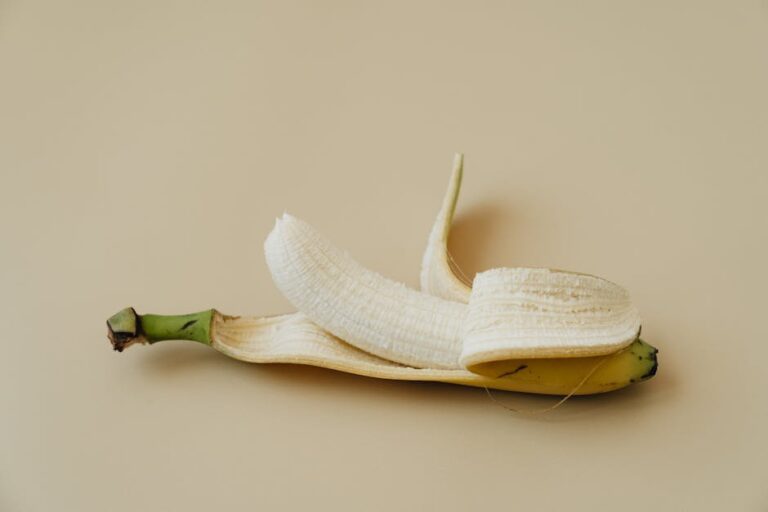
What Are Banana Peels Good For in the Garden?
When it comes to using banana peels for your garden, you’re probably wondering what benefits they offer beyond just a natural fertilizer. Let’s explore some of their best uses in more detail.
Nutrient-Rich Composting Material
When you add banana peels to your compost pile, you’re not just getting rid of kitchen scraps – you’re also creating a nutrient-rich resource for your garden. One of the primary reasons banana peels are excellent for composting is their high content of nitrogen, potassium, and phosphorus.
Banana peels contain around 42% nitrogen, making them an ideal addition to balance out carbon-heavy materials in your compost pile. They’re also rich in potassium (around 13%), which plays a crucial role in plant growth and development. Phosphorus levels are slightly lower at about 2%, but they still contribute significantly to the overall nutrient profile of your compost.
To incorporate banana peels into your composting routine, simply chop them up and add them to your pile along with other materials like leaves, grass clippings, or vegetable scraps. Over time, these ingredients will break down together to create a rich, humus-like substance that’s perfect for fertilizing your plants.
Using Banana Peels as a Natural Fertilizer
One of the most exciting ways to repurpose banana peels is as a slow-release fertilizer for plants. This natural approach not only reduces waste but also provides essential nutrients that promote healthy growth and development.
When you bury banana peels around the base of your plants, they release potassium, nitrogen, and magnesium over time, providing a sustained supply of these vital elements. These micronutrients are particularly beneficial for fruiting plants, helping to increase yields and enhance flavor profiles. For example, if you’re growing tomatoes or peppers, using banana peels as fertilizer can lead to more robust growth and increased fruit production.
To incorporate banana peels into your gardening routine, simply chop them up and mix them with the soil around the base of your plants. You can also add them directly to your compost pile, where they’ll break down quickly and become part of a nutrient-rich mulch. By harnessing the power of banana peels as fertilizer, you’ll not only reduce waste but also create a healthier environment for your plants to thrive in.
Preparing Banana Peels for Use in the Garden
To get started with using banana peels as a fertilizer and compost, first you’ll need to prepare them properly. This involves cutting and drying the peels to ensure they break down easily in your garden.
Drying and Grinding Banana Peels
To make the most out of banana peels as fertilizer and compost, it’s essential to dry them properly before using them in plant care. Simply placing the peels on a pile of compost won’t be enough, as this can lead to mold growth and unpleasant odors.
First, spread the banana peels thinly on a wire rack or a paper bag, allowing for good airflow. You can also use a food dehydrator if you have one. The key is to reduce the moisture content to around 10-15% to prevent mold growth. This process usually takes a few days, depending on the humidity and temperature of your area.
Once dry, you can grind the peels into a fine powder using a coffee grinder or a blender. Be cautious not to overprocess them, as this can lead to an unpleasant texture. Store the dried and ground banana peel powder in an airtight container for future use. This will make it easier to sprinkle around plants or mix with compost tea to create a nutrient-rich fertilizer.
Avoiding Common Mistakes When Using Banana Peels
When using banana peels as fertilizer, it’s easy to get caught up in the excitement of this natural and free resource. However, there are common mistakes to avoid that can hinder its effectiveness. One such mistake is overusing banana peel fertilizer. While banana peels do contain nutrients like potassium and nitrogen, too much of a good thing can cause an imbalance in your soil’s pH levels.
To put this into perspective, using one whole banana peel per pot every week for small plants is excessive. Instead, start with a smaller amount – about 1/4 to 1/2 of the peel, depending on the size of your plant and its growth stage. As you get a feel for how your plant responds, adjust the amount accordingly.
Another mistake to avoid is underusing banana peels altogether. This can be due to not knowing the optimal time or method for adding them to your soil. Simply chop up the peel into small pieces and mix it into the top 2-3 inches of soil around the base of your plant. Water as usual, and wait a few days before adjusting your fertilization routine.
Benefits for Specific Plants and Soil Types
Whether you’re growing delicate orchids or robust succulents, banana peels can be a valuable addition to their care routine, depending on soil type. We’ll explore which plants benefit most from this natural fertilizer.
Acid-Loving Plants Like Azaleas and Rhododendrons
For plant enthusiasts who tend to azaleas, rhododendrons, and other acid-loving plants, banana peels can be a game-changer. These plants thrive in acidic soil conditions, typically with a pH range of 5.5 or lower. The acidity in banana peels comes from the high concentration of potassium nitrate and phosphoric acid, making them an excellent addition to the soil.
When using banana peels for these acid-loving plants, it’s essential to balance their pH levels. A general rule is to mix one part banana peel with 10 parts soil. This will prevent over-acidification and ensure your plants receive a boost without damaging the soil structure.
Some popular acid-loving plants that benefit from banana peels include azaleas, rhododendrons, blueberries, and certain species of ferns. To incorporate banana peels into their care routine, gardeners can bury them near the plant’s roots or mix them into the top layer of soil as a mulch.
By incorporating banana peels into your gardening practice, you can provide these acid-loving plants with a nutrient-rich environment that promotes healthy growth and vibrant blooms.
Vegetable Gardens and Fruit Trees
Using banana peels as a natural fertilizer is especially beneficial for vegetable gardens and fruit trees. These plants thrive on potassium-rich nutrients, which are abundant in banana peels. By burying the peels near the base of your plants or mixing them into the soil, you’re providing an instant boost of nutrient-dense goodness.
For instance, if you have a strawberry patch, banana peels can help promote healthy fruit production and improve soil fertility. Similarly, citrus trees like oranges and lemons benefit from the potassium-rich nutrients in banana peels, leading to larger, more flavorful fruits.
When using banana peels for your vegetable garden or fruit tree, be sure to bury them at least 6-8 inches deep to prevent attracting pests. You can also mix them into the soil as a compost accelerator, adding a rich source of potassium and other micronutrients. By incorporating banana peels into your gardening routine, you’ll be amazed at how quickly your plants respond with lush growth and abundant harvests.
Composting with Banana Peels: A Step-by-Step Guide
To successfully compost banana peels, follow these simple steps to turn a common kitchen waste into a nutrient-rich fertilizer for your plants. This process is easier than you think!
Setting Up a Banana Peel Compost Pile
Creating a banana peel compost pile is a great way to recycle this nutrient-rich waste and turn it into a valuable resource for your garden. To set one up, you’ll need a dedicated area with good airflow and easy access for mixing and turning the pile.
Start by collecting banana peels from your kitchen or buying them in bulk from a local grocery store. Aim to mix 2-3 pounds of banana peels with 1-2 pounds of other carbon-rich materials like leaves, straw, or shredded newspaper. This balance is crucial: too many banana peels can create an anaerobic environment and lead to unpleasant odors.
For every 5 pounds of “green” material (banana peels), add 10-15 pounds of “brown” material (dried leaves, straw). This ratio ensures a balanced carbon-to-nitrogen (C:N) ratio, which is essential for the composting process. Aim for a C:N balance between 20:1 and 30:1 to prevent over-acidification.
Monitor your pile’s temperature regularly – it should reach at least 130°F within a few days of setting up. Keep the pile moist but not soggy, turning it every week or two to maintain oxygen flow and speed up decomposition. By following these guidelines, you’ll be well on your way to creating nutrient-rich compost from banana peels that will give your plants a healthy boost.
Monitoring and Maintaining the Compost Pile
Monitoring temperature is crucial to ensure that your banana peel compost pile reaches the ideal range of 130-140°F (54-60°C) within a few days. This can be done by checking the pile regularly, and if it’s too dry, adding water accordingly. Conversely, if it’s too wet, turning the pile will help aerate it.
To prevent pests from taking over your compost pile, keep an eye out for signs of infestation like flies or rodents. Add a 1-inch layer of brown materials like leaves or straw to deter them. Brown materials have low nitrogen content and are less appealing to pests compared to banana peels rich in nutrients.
Regular moisture checks will also help prevent pest issues. Aim for the pile to be damp, not soggy. Too much water can lead to anaerobic conditions that foster pest growth.
Maintaining a balance between green (nitrogen-rich) and brown (carbon-rich) materials is essential for healthy decomposition. Turn your compost pile every 7-10 days to ensure oxygen reaches all areas, speeding up the process. Keep monitoring temperature and moisture levels as you turn, adjusting accordingly. By doing so, you’ll end up with a nutrient-rich banana peel compost perfect for fertilizing your plants.
Safety Precautions When Handling Banana Peels
When handling banana peels, it’s essential to take some safety precautions to avoid any potential risks. We’ll walk you through the necessary steps to ensure a safe and enjoyable experience.
Allergic Reactions and Skin Irritation
When handling banana peels, it’s essential to be aware of potential allergic reactions and skin irritation. Some people may experience an allergic reaction to certain compounds present in banana peels, such as latex sap or potassium ions. This can manifest as redness, itching, or even swelling.
If you’re prone to allergies or have sensitive skin, take extra precautions when handling banana peels. Wear gloves to prevent direct contact with your skin. If you do experience any irritation, rinse the affected area immediately with soap and water.
Additionally, be cautious when working with large quantities of banana peels, as prolonged exposure can exacerbate allergic reactions. Make sure to work in a well-ventilated area and avoid touching your face or eyes after handling banana peels. By taking these precautions, you can minimize potential risks while still reaping the benefits of using banana peels as fertilizer and compost for your plants.
Pest Control Measures
When using banana peels as a fertilizer or compost, it’s essential to take measures that prevent pests like rodents from being attracted to them. Rodents see banana peels as a food source and can cause damage to the surrounding area by burrowing through the pile.
To avoid attracting pests, keep your banana peel collection in a secure bin with a tight-fitting lid. This will not only keep animals out but also prevent the spread of pests like fruit flies and ants. It’s also crucial to store the peels away from direct sunlight and moisture, as these conditions can attract rodents. You should also consider adding a few inches of soil or mulch on top of the pile to deter pests.
If you live in an area prone to rodent infestations, it’s a good idea to collect the banana peels immediately after use and store them in the bin. This will reduce the likelihood of attracting unwanted visitors. You can also consider using physical barriers like hardware cloth or chicken wire around your compost pile to prevent rodents from accessing it.
Conclusion: Harnessing the Power of Banana Peels in Your Garden
Now that we’ve explored the benefits and uses of banana peels, let’s put it all into practice by harnessing their power to nourish your garden.
Recap of Benefits and Uses
By incorporating banana peels into your gardening routine, you’ll be leveraging a versatile and eco-friendly resource that offers numerous benefits for your plants. As we’ve explored throughout this post, banana peels can serve as an excellent fertilizer, rich in nutrients like potassium, magnesium, and sulfur. These micronutrients support healthy plant growth, promote fruiting and flowering, and even help to combat soil-borne diseases.
Not only do banana peels provide a nutrient boost, but they also act as a natural pest repellent when used strategically. For instance, if you’re dealing with aphids or whiteflies on your plants, try boiling the peels in water and using the resulting liquid as a spray to deter these pests. Alternatively, burying banana peels near affected areas can help to repel nematodes.
When it comes to composting, banana peels are an excellent addition due to their high nitrogen content. Mix them with other carbon-rich materials like leaves or straw to create a balanced compost pile that will yield rich humus for your garden come harvest time. To maximize the benefits of using banana peels in your garden, remember to chop or shred them before adding to soil or compost to ensure they break down quickly and efficiently.
Encouragement for Experimentation and Customization
As you’ve started incorporating banana peels into your garden routine, don’t be afraid to experiment and tailor your approach to specific plant needs. Every plant is unique, and what works for one might not work for another. Try mixing finely chopped banana peels with potting soil or compost for seedlings and young plants, which benefit from the extra nutrients.
For established plants, consider adding a few banana peels directly into the soil around their base. This method can be particularly effective for plants like roses and tomatoes that thrive on potassium-rich fertilizers. Remember to bury the peels deeply to prevent them from attracting pests or creating an unpleasant odor. If you’re concerned about the potential mess, simply chop the peels finely before adding them to the soil.
Experimenting with different methods will help you identify what works best for your specific plants and garden conditions. For instance, some gardeners swear by brewing banana peel tea as a liquid fertilizer, while others prefer to dry and grind the peels into a powder. Find what suits your needs and preferences – after all, gardening is about trial and error!
Frequently Asked Questions
How long does it take for banana peels to break down in the compost pile?
Banana peels typically take 2-3 months to break down completely, depending on factors such as moisture levels and the presence of other carbon-rich materials. To speed up the process, ensure your compost pile has a mix of “green” (nitrogen-rich) and “brown” (carbon-rich) materials.
Can I use banana peels in indoor plants if they’re not directly exposed to sunlight?
Yes, you can still use banana peels for your indoor plants. However, since these plants don’t have direct access to sunlight, it’s essential to balance the high nitrogen levels from the banana peels with some carbon-rich materials to prevent over-fertilization.
How do I incorporate banana peels into my existing composting routine?
Start by adding a small amount of chopped banana peel (about 1-2 cups) to your compost pile and mix it in well. Monitor its progress and adjust the ratio of green to brown materials as needed to achieve optimal decomposition.
Can I use banana peels with other natural fertilizers like worm castings or fish emulsion?
Yes, you can combine banana peels with other natural fertilizers for a potent blend. For example, mixing banana peel compost with worm castings and fish emulsion creates a balanced, nutrient-rich fertilizer perfect for promoting healthy plant growth.
Are there any specific precautions I should take when handling banana peels to avoid attracting pests?
Yes, be sure to store banana peels in an airtight container or bag, away from direct sunlight and moisture. This will prevent attracting pests like fruit flies and ants, which can spread diseases to your plants. Regularly clean and disinfect any surfaces that come into contact with the peels to maintain a pest-free environment.