
When it comes to fruits, we often think we know what they are. But have you ever stopped to consider whether bananas truly fit into our typical understanding of berries? It’s a simple question with a surprisingly complex answer. For many people, the term “berry” conjures up images of small, plump fruits like strawberries or blueberries – but from a botanical standpoint, bananas don’t quite fit that mold. In fact, they’re often misclassified as berries, which has significant implications for everything from nutrition and health to scientific literacy. In this article, we’ll delve into the history of classification, explore the botanical definitions, and discuss why accurate fruit identification matters – all while getting to the bottom of whether bananas should indeed be considered a type of berry.
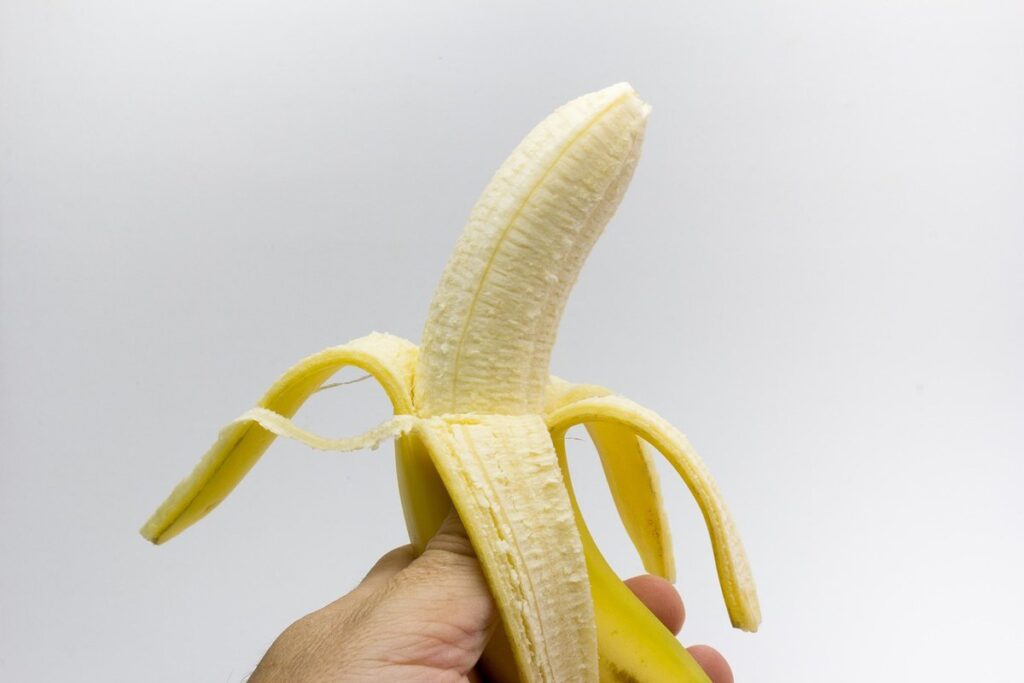
What is a Berry?
So, you might be wondering what exactly makes a berry a berry. Let’s dive into the world of botany and explore the definition of a berry in more detail.
Defining Berries in Botany
In botany, berries are fruits that come from a single ovary in the flower. To be classified as a berry, the fruit must have three distinct features: it must develop from the ovary of a single flower, contain seeds embedded within a fleshy interior, and be derived from a single carpel (the female reproductive organ). This definition might seem straightforward, but it’s surprising how many fruits fit this description. For instance, tomatoes are technically berries because they meet all three criteria: each tomato comes from the ovary of a single flower, contains seeds within its fleshy interior, and develops from a single carpel.
Other examples include bananas, which we’ll explore in more detail later, as well as figs, avocados, and cucumbers. Each of these fruits might look or taste different, but from a botanical standpoint, they share a common trait: they’re all berries. When it comes to understanding the classification of fruits like the banana, it’s essential to separate our culinary perceptions from the scientific definition. By doing so, we can better appreciate the fascinating diversity within the world of berries.
Misconceptions About Fruits and Berries
It’s not uncommon for people to assume that bananas and other fruits are berries due to their fleshy texture and sweet taste. However, this misconception has more to do with colloquial language than actual botanical classification.
The term “berry” is often used loosely to describe any type of fruit that grows from a single ovary in the plant’s flower. This can lead to confusion when referring to fruits like bananas, which are actually classified as large berries (yes, you read that right – they’re a type of berry!).
One reason for this misclassification might be the way we learn about botany in school. Many textbooks and educational materials group “berries” into categories based on their culinary uses rather than scientific definitions. This can perpetuate the myth that bananas are berries.
A quick scan through social media or online forums will reveal many people confidently claiming that bananas are berries. It’s not until you dive deeper into the science behind plant classification that the truth reveals itself. Despite this, the misconception persists.
The History of Banana Classification
Let’s dive into the history of banana classification, where scientists and botanists have debated over the years whether bananas fit neatly into traditional fruit categories.
Early Botanical Descriptions
Early botanical descriptions of bananas reveal that our beloved fruit has been mistaken about its classification for centuries. In fact, some of the earliest botanical texts describe bananas as a type of berry. The Swedish botanist Carolus Linnaeus, often referred to as the father of taxonomy, classified bananas as a species of Musa (the banana genus) within the family Musaceae in 1753. However, he also noted that bananas had a syncarpous fruit, meaning they develop from multiple ovaries of a single flower, which is characteristic of berries.
This initial classification as a berry was likely due to the fruit’s fleshy and edible texture. Many early botanists believed that if a fruit was sweet and pulpy, it must be a type of berry. However, as our understanding of plant anatomy and taxonomy evolved, so did our classification of bananas. By the mid-19th century, most botanists began to recognize bananas as a distinct category of fruit known as a syncarpous “berry” or more specifically a syncarpy – an edible fruit that comes from multiple ovaries of one flower.
Today, we know that bananas are technically a type of berry due to their botanical structure. They consist of three carpels (the inner parts of the pistil where ovules develop) and contain seeds. This knowledge has allowed us to more accurately classify bananas as a syncarpous “berry” rather than a traditional fruit with a single seed-bearing capsule, like an apple or an orange.
Modern Understanding of Fruit Classification
As we delve into the fascinating world of banana classification, it’s essential to acknowledge that our understanding of fruits has undergone a significant transformation over time. In the past, bananas were grouped with berries due to their fleshy exterior and multiple seeds. However, modern botany has shed new light on this categorization.
The botanical definition of a fruit is the ripened ovary of a plant, which contains seeds. Berries, in turn, are fruits that have three distinct features: they’re formed from a single ovary, contain seeds embedded within their flesh, and have a fleshy exterior. Bananas, however, don’t quite fit this mold.
In 2000, the International Code of Nomenclature for algae, fungi, and plants (ICN) recognized the banana as an individual category. This shift was largely driven by the understanding that bananas produce multiple fruits from a single flower, rather than singular berries. Today, we recognize bananas as a type of fruit known as a syncarp, where multiple ovaries fuse to form a single structure.
This evolution in our understanding of fruit classification highlights the importance of continually refining our knowledge and adapting it to new discoveries. As we move forward, it’s fascinating to consider how this changing landscape will impact our relationship with fruits like bananas – and maybe even challenge some long-held assumptions about what constitutes a “berry.”
Common Misclassifications: Fruits Called Berries
You might be surprised by how many fruits are commonly referred to as berries, including some you’d least expect. Let’s take a look at a few examples!
Strawberries and Blueberries: The Confusion
When we think of berries, chances are that strawberries and blueberries come to mind. These two fruits are so deeply ingrained in our collective consciousness as “berries” that it’s easy to assume this is what a berry actually is. However, the truth is that these names have led to a fundamental misunderstanding about what constitutes a berry.
Strawberries and blueberries both have fleshy exteriors and multiple seeds embedded within them, which are often cited as reasons why they’re considered berries. However, from a botanical standpoint, this characteristic alone does not qualify them as berries. In reality, strawberries and blueberries are actually aggregate fruits – meaning that they’re formed from the fusion of multiple ovaries in a single flower.
This misclassification has far-reaching consequences for our understanding of fruit classification. If we rely on common names like “strawberry” and “blueberry”, we risk perpetuating misconceptions about what constitutes a berry. To avoid this confusion, it’s essential to look beyond popular culture and consult botanical definitions when exploring the world of fruits.
Other Fruits Often Mistaken for Berries
While bananas are indeed berries, they’re not the only fruits that get misclassified as such. Let’s look at some other common culprits: grapes and figs.
Grapes, like bananas, belong to the berry family. They’re a type of fruit known as a syncarp, where multiple ovaries from a single flower merge together to form a single fruit. This is in contrast to true berries, which have seeds inside their pulp. Think of it like this: grapes are more like a cluster of tiny berries stuck together.
Figs, on the other hand, are often mistaken for berries due to their small size and fleshy exterior. However, figs are actually an inside-out fruit, with tiny fruitlets inside a hollow receptacle. This unique structure can make them appear berry-like at first glance.
When it comes to identifying fruits as berries or not, it’s essential to remember that botanical classification often differs from everyday language. Take the time to learn about the different types of fruits and their characteristics – you might just discover that your favorite snack is more than meets the eye!
The Botanical Perspective on Banana Classification
From a botanical standpoint, bananas are classified as berries due to their unique characteristics and reproductive features, which can be a bit counterintuitive. Let’s dive into what makes this classification possible.
Examination of Banana Anatomy
When you cut open a banana, you’ll notice that it’s composed of three main parts: the peel, the stringy fibers, and the creamy pulp. But have you ever stopped to think about what lies beneath? The internal structure of bananas is often misunderstood, but upon closer inspection, it becomes clear that they’re more similar to a syncarp than a traditional berry.
A syncarp, in botanical terms, refers to a fruit that’s formed from multiple ovaries of a single flower. This is precisely how bananas are formed – the large, fleshy part of the fruit is actually an aggregate of many tiny flowers. Each of these individual flowers produces a small ovary, which eventually combines with others to form the characteristic banana shape.
In fact, if you were to dissect a banana longitudinally, you’d find that it’s composed of 10-15 separate compartments – each one representing an individual flower. This unique arrangement is what sets bananas apart from berries and other fruits, and it’s essential for understanding why they shouldn’t be classified as such.
Comparison with Other Fruits Classified as Berries
When comparing banana anatomy with other fruits classified as berries, such as strawberries, it becomes clear that bananas have distinct characteristics. For instance, strawberries are aggregate fruits formed from multiple ovaries of a single flower. Each “seed” on the surface of a strawberry is actually an individual fruit.
In contrast, bananas are simple fruits that develop from a single ovary in the flower. This means that banana plants produce only one large fruit per flower spike, whereas strawberries can have hundreds of tiny fruits per plant. Another key difference lies in the texture and structure of their pulps. Banana pulp is composed of large, soft cells, making it easy to digest.
Strawberries, on the other hand, have smaller, harder cells that provide a more fibrous texture. Additionally, bananas are typically longer and thicker than strawberries. These differences highlight the unique characteristics of banana anatomy compared to other fruits classified as berries. By understanding these distinctions, we can appreciate the complexity and diversity within the botanical classification of fruit types.
Why Correcting Misclassifications Matters
You might be wondering why it even matters if we correct the misclassification of bananas as berries, but this change has real-world implications for food labeling and nutritional guidelines.
Understanding Fruit Classification for Health and Nutrition
Accurate fruit classification is more than just a matter of semantics; it has significant implications for our understanding of nutrition and health impacts. When we misclassify fruits like bananas as berries, we risk overlooking crucial information about their nutritional content and potential allergens.
For individuals with food allergies, accurate classification can be a matter of life and safety. For example, those allergic to birch pollen may also react to certain berries, but not necessarily to bananas. On the other hand, accurately identifying fruits like bananas as belonging to the Musa genus allows us to understand their unique nutritional profile.
Inaccurate classification can lead to misunderstandings about a fruit’s potential health benefits or risks. For instance, berries are often associated with high antioxidant levels, which may be misleading for banana consumers who mistakenly attribute these benefits to their fruit of choice. By understanding the correct classification of fruits like bananas, we can make more informed choices and avoid unnecessary health concerns.
Promoting Scientific Literacy and Accuracy
Correctly classifying a banana as a berry is more than just a matter of semantics; it’s an opportunity to promote scientific literacy and encourage critical thinking about the natural world. By emphasizing accurate classifications, we can empower people to think critically about the world around them.
When we learn to distinguish between a true berry and a pseudocarp like the banana, we begin to appreciate the complexities of botanical classification. This understanding is essential for developing a deeper appreciation of the natural world. Think of it as learning to read a map – once you understand the labels and symbols, you can navigate unfamiliar territories with confidence.
To promote scientific literacy, start by exploring the differences between various types of fruits and berries. Visit a local botanical garden or explore online resources that offer interactive lessons on plant classification. By engaging with these resources, you’ll develop your critical thinking skills and cultivate a deeper understanding of the natural world. As you navigate this journey, remember that accurate classifications are not just labels – they’re keys to unlocking new knowledge and a more profound appreciation for the world around us.
Frequently Asked Questions
Can I use the term “berry” loosely to describe any fruit that has seeds?
While it’s common to hear people refer to fruits like strawberries as “berries,” from a botanical standpoint, this usage is incorrect. To be considered a true berry, a fruit must meet specific criteria outlined in botany, including developing from a single ovary and containing seeds embedded within a fleshy interior.
How does accurate classification of fruits matter for health and nutrition?
Accurate classification matters because it directly affects the nutritional information provided about fruits. For instance, bananas are often mistakenly referred to as berries, which can lead to confusion over their nutrient content and potential health benefits. Correct classification ensures that consumers have accurate information about the foods they eat.
Can any fruit be classified as a berry if it has seeds?
No, not all fruits with seeds can be classified as berries. According to botanical definitions, a true berry must develop from a single ovary in the flower and contain seeds embedded within a fleshy interior. Other fruits with seeds, like apples or pears, do not meet these criteria.
How can I apply this new understanding of fruit classification to my everyday life?
You can start by being more mindful when referring to fruits as “berries.” For example, instead of calling bananas berries, try using their botanical name or simply referring to them as bananas. This attention to detail helps promote a deeper understanding and appreciation for the nuances of botany.
Are there any common misconceptions about fruit classification that I should be aware of?
One common misconception is that fruits like strawberries are not berries because they’re small or have a different appearance. However, from a botanical standpoint, strawberries meet all the criteria to be classified as true berries. Being aware of these nuances helps you better understand and discuss the complexities of botany with others.