
Are you ready to unlock your balcony’s full potential? With a little creativity, even the smallest outdoor space can become a lush oasis. But where do you start when transforming your balcony into a stunning garden retreat? Whether you’re a seasoned green thumb or a complete beginner, it’s easy to get overwhelmed by the possibilities. That’s why we’ve put together this ultimate guide to expert balcony garden ideas.
In the following pages, we’ll walk you through the entire process of planning and designing your perfect outdoor space, from choosing the right plants and furniture to creating a unique look that reflects your personal style. We’ll cover everything you need to know to create a thriving balcony garden that brings you joy, relaxation, and a sense of connection to nature, all tailored to your specific needs and preferences. Let’s get started on this exciting journey!
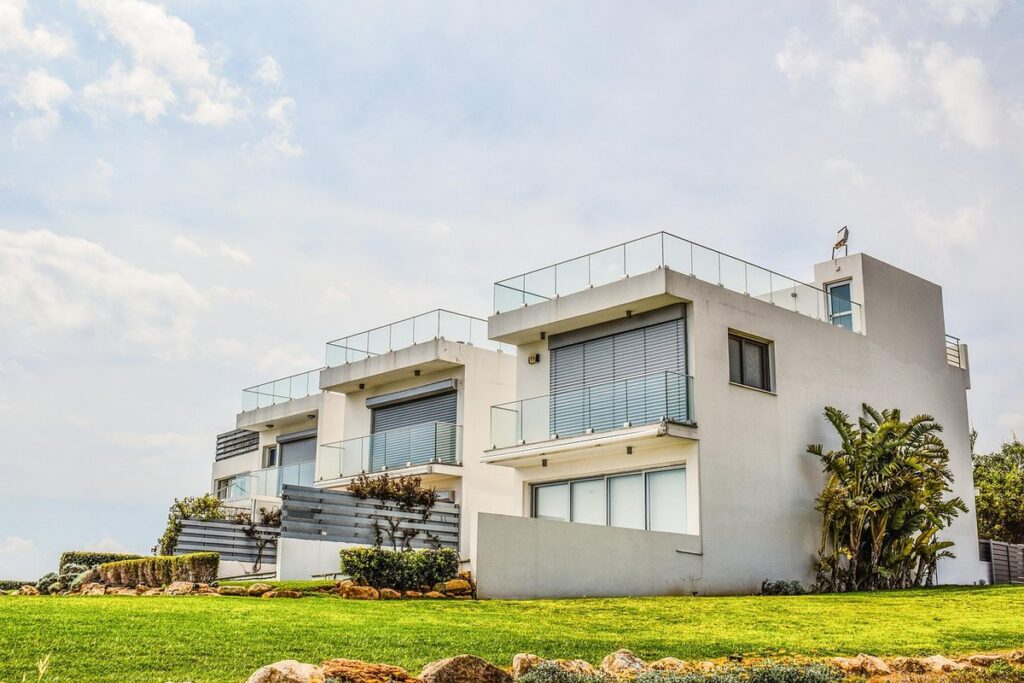
Planning and Designing Your Balcony Garden
When it comes to turning your balcony into a lush oasis, planning and designing is where the magic begins. Let’s dive into the essentials of creating a stunning outdoor space that suits your style.
Understanding Your Balcony’s Climate and Soil Conditions
Assessing your balcony’s climate and soil conditions is crucial for creating a thriving garden. Start by observing the amount of sunlight your balcony receives throughout the day. This will help you determine which plants are suitable for the space. If your balcony gets direct sunlight for most of the day, choose plants that thrive in full sun, such as succulents or tomatoes. Conversely, if it’s partially shaded, opt for plants that prefer partial shade, like ferns or impatiens.
Next, inspect the soil on your balcony. Is it compacted, dry, or poorly draining? This will impact which plants can survive there. If you’re unsure about the soil quality, consider conducting a DIY pH test using a kit available at most gardening stores. Based on the results, adjust the soil accordingly by adding organic matter like compost or perlite to improve drainage.
Also, take note of any existing microclimates on your balcony, such as areas near vents or HVAC units that might alter the temperature and humidity levels. These factors can significantly impact plant growth, so it’s essential to consider them when selecting plants for your garden.
Setting Clear Goals for Your Balcony Garden
Defining clear objectives for your balcony garden is crucial to its success. Think about what you want to achieve with your outdoor space. Do you want to attract pollinators and bees, creating a haven for local wildlife? Or perhaps you’re interested in growing specific types of plants, like herbs or vegetables, that will provide you with fresh produce year-round?
Consider the climate and conditions on your balcony – does it receive direct sunlight or is it partially shaded? Are there any specific microclimates present that could impact plant growth? Knowing these factors will help you tailor your objectives to what’s feasible. For instance, if your balcony receives intense sunlight, you may want to focus on heat-tolerant plants.
To set clear goals for your balcony garden, start by asking yourself a few questions: What type of plants do I want to grow? How much time can I dedicate to maintaining the space? Do I have any specific design or aesthetic preferences in mind? Answering these questions will allow you to create a vision for your balcony garden that’s both functional and beautiful.
Choosing the Right Plants for Your Balcony
When it comes to choosing plants for your balcony garden, there are several factors to consider. First and foremost, think about the size of the space you have available. Compact or dwarf varieties of plants are perfect for small balconies, as they take up less space without sacrificing on visual impact. For instance, a dwarf citrus tree can thrive in a pot as small as 12 inches deep.
Another crucial factor is light requirements. Make sure to choose plants that suit the amount of sunlight your balcony receives. If it’s a south-facing balcony with direct sun for most of the day, opt for plants like succulents or herbs that love full sun. On the other hand, if it’s a shaded area, consider plants that tolerate partial shade like ferns or impatiens.
In terms of maintenance needs, some plants are low-maintenance and perfect for busy gardeners. Succulents and cacti are great options as they require infrequent watering and can thrive in poor soil conditions. Remember to also consider the plant’s growth habits and prune it regularly to maintain a neat and tidy appearance.
Creating Space and Maximizing Area on Your Balcony
When it comes to making the most of your balcony, you need a plan for maximizing every inch of space. Let’s explore some clever tips for creating room to grow in even the smallest outdoor areas.
Utilizing Vertical Gardening Techniques
When it comes to making the most of your balcony space, vertical gardening techniques can be a game-changer. By utilizing walls and other vertical surfaces, you can double or even triple the area available for growing plants.
One popular method is using trellises to support climbing plants like ivy, clematis, or passionflower. These plants can thrive in small spaces and add a lush, green element to your balcony. Another option is wall-mounted planters, which come in a range of materials and styles to suit any decor. You can choose from self-watering planters, hanging baskets, or even living walls made up of modular planters.
To get started with vertical gardening on your balcony, consider the following tips: measure your available space to determine the best layout for your plants; choose plants that thrive in partial shade and have a moderate growth rate; and make sure your trellises or planters are securely attached to the wall. With a little creativity and planning, you can turn even the smallest balcony into a lush oasis.
Incorporating Multi-Functional Furniture
When designing your balcony garden, every inch of space counts. To make the most of your outdoor area, consider incorporating multi-functional furniture that doubles as plant stands or storage units. This clever approach optimizes real estate and reduces clutter.
Start by selecting a statement piece, such as an ottoman with built-in storage. Use it to store gardening tools, seed packets, and other small items out of sight but still within reach. Alternatively, opt for a coffee table with a lower shelf or tray that can hold potted plants, creating a beautiful display while keeping the floor clear.
For added functionality, look for plant stands that come with built-in storage baskets or shelves. These versatile pieces allow you to showcase your favorite plants while storing smaller items like fertilizers or watering cans. By choosing multi-functional furniture, you’ll not only save space but also create a harmonious balance between function and aesthetics in your balcony garden.
Using Hanging Planters and Baskets for Added Greenery
When it comes to maximizing space on your balcony, incorporating hanging planters and baskets is an excellent solution. Not only do they add a touch of visual appeal, but they also make the most of your limited floor space.
To start, consider selecting hanging planters that are specifically designed for balconies or patios. These typically have built-in drainage systems to prevent waterlogged soil and come in a variety of materials such as wicker, metal, or ceramic. Choose planters that complement the style of your balcony decor and the types of plants you’ll be using.
When it comes to arranging your hanging planters, think vertically to create a layered look. Start by placing larger planters at the bottom for maximum stability, then add smaller ones above, creating a sense of depth and visual interest. You can also experiment with different textures and colors to add variety to your balcony’s aesthetic. For example, pair a woven wicker planter with a sleek metal one or a bright-colored ceramic planter with a more muted greenery option. By doing so, you’ll create a lush and inviting atmosphere without sacrificing valuable floor space.
Balcony Gardening Essentials: Lighting, Watering, and Maintenance
To get your balcony garden thriving, it’s essential to understand how to provide the right lighting, water your plants correctly, and maintain a healthy environment for growth.
Understanding the Importance of Adequate Lighting
When it comes to creating a thriving balcony garden, one often overlooked yet crucial element is adequate lighting. As a balcony gardener, you may think that as long as there’s some light coming from the surrounding buildings or the sun shining through during the day, your plants will be fine. However, this assumption can lead to poor growth, weak stems, and even the spread of diseases.
Natural light, although essential, is not always sufficient for balcony gardens. This is especially true if you have plants that require specific types of lighting, such as succulents or flowering plants that need intense sunlight to bloom. To supplement natural light, consider using artificial lighting solutions like LED grow lights or solar-powered lights. When placing these lights, aim for the center of your plants, rather than directly above them, to prevent burning their leaves.
Keep in mind that different types of plants have varying light requirements. For example, vegetables like leafy greens and tomatoes require more direct sunlight than herbs like basil or mint. By understanding your plant’s specific needs and incorporating adequate lighting into your balcony garden design, you’ll be well on your way to creating a lush and thriving oasis above the ground.
Efficient Watering Systems for Your Balcony Garden
When it comes to balcony gardening, efficient watering systems are crucial for ensuring your plants receive the right amount of water without over- or under-watering. This can be a challenge, especially when you’re away from home for extended periods.
One option is to install an automated watering system, which can be programmed to water your plants at set times each day or week. These systems usually consist of sensors that detect soil moisture levels and adjust the watering schedule accordingly. For example, a smart watering system like Rachio can learn your plant’s specific needs over time and automatically adjust the watering schedule based on factors such as weather conditions.
Alternatively, you can opt for a manual watering system, which involves using a watering can or hose to water your plants. This method requires more effort but allows you to monitor your plants’ water needs in real-time. To make the most of a manual system, be sure to water your plants when the top inch of soil feels dry to the touch.
To get started with either type of system, consider investing in a rain sensor or moisture meter, which can help you determine when it’s time to water.
Maintenance Tips for a Thriving Balcony Garden
To keep your balcony garden healthy and thriving throughout the growing season, regular maintenance is crucial. Start by pruning your plants every 4-6 weeks to control their shape and promote new growth. Remove dead or dying flowers, leaves, and stems, making sure not to damage any healthy tissue.
Fertilizing is another essential task, best done monthly during the growing season. Use a balanced fertilizer that contains nitrogen, phosphorus, and potassium, following the manufacturer’s instructions for application rates. Water your plants thoroughly before fertilizing, then apply the fertilizer according to the product label.
Regular watering also plays a significant role in maintaining your balcony garden. Check soil moisture daily, especially during hot weather or droughts. Avoid overwatering, which can lead to root rot and other issues. Mulch around plants helps retain moisture and suppress weeds.
Keep an eye out for pests like aphids, whiteflies, and spider mites, which can spread diseases and weaken your plants. Monitor for signs of infestation, such as sticky honeydew or eggs on leaves. Use neem oil or insecticidal soap to control outbreaks before they become severe.
Balcony Garden Styles and Themes: Inspiration and Ideas
Whether you’re a seasoned gardener or just starting out, this section is packed with inspiring ideas to help you create your dream balcony garden oasis, from modern to rustic.
Tropical-Inspired Balcony Gardens
Transform your balcony into an oasis with a tropical-inspired garden. Imagine yourself surrounded by lush greenery, vibrant flowers, and the soothing sounds of a gentle waterfall. Sounds like a paradise? With a little creativity and planning, you can bring this vision to life.
To create a tropical-themed balcony garden, start by selecting plants that thrive in warm climates. Some popular options include bromeliads, bird of paradise, and heliconia. Don’t forget to add some lush foliage like ferns or palms to create a sense of depth and dimension. For a pop of color, incorporate vibrant flowers like hibiscus, orchids, or anthurium.
When it comes to decor, think tropical by incorporating natural elements like bamboo, rattan, or wicker furniture. Add some colorful textiles like sarongs or beach towels to create a cohesive look. To complete the ambiance, install a small water feature or add some soothing sounds with a wind chime or fountain. With these tips and a little imagination, you’ll be enjoying your own tropical getaway on your balcony in no time!
Minimalist or Modern Balcony Gardening
Embracing minimalism and modernity is an excellent approach to creating a stunning balcony garden that not only looks amazing but also requires minimal maintenance. To achieve this sleek look, focus on clean lines, simple planters, and limited greenery. Consider using rectangular or square planters instead of round ones, as they create a sense of order and symmetry.
For a truly minimalist look, opt for a monochromatic color scheme, sticking to a single hue or complementary colors that blend seamlessly together. This not only creates visual appeal but also ties the entire space together. Choose plants with simple foliage, such as succulents or air plants, which require less pruning and care.
To add some depth to your minimalist balcony garden, incorporate vertical elements like trellises or a small wall-mounted planter. These will draw the eye upwards and create visual interest without overwhelming the space. Remember, less is often more when it comes to balcony gardening – by keeping things simple and uncluttered, you’ll create a serene oasis that’s easy on the eyes and effortless to maintain.
Whimsical or Fantasy-Inspired Balcony Gardens
Transform your balcony into an enchanted oasis with whimsical and fantasy-inspired garden ideas. These playful spaces transport you to a world of wonder, perfect for city dwellers seeking respite from urban chaos.
To create such a space, focus on incorporating decorative elements that bring magic to the forefront. Consider adding sculptures or fountains as focal points, not only for visual interest but also for creating soothing sounds and attracting wildlife like birds and butterflies. For instance, a small bronze mermaid statue can become a conversation starter while serving as a trellis for climbing plants.
Another key aspect is choosing whimsical plant species that thrive in containers. Consider plants with interesting shapes or colors, such as variegated hostas, black-leafed Coleus, or flowering succulents like Echeveria and Aloe. Arrange them creatively to mirror the fantasy element you’re aiming for, perhaps grouping plants with matching shapes or colors.
Lastly, think about integrating elements that evoke a sense of fantasy, like string lights, lanterns, or colorful rugs underfoot. These details not only add visual appeal but also create ambiance reminiscent of fairytale gardens.
Frequently Asked Questions
How Do I Measure the Sunlight on My Balcony for Plant Selection?
To determine which plants are suitable for your balcony, it’s essential to measure the amount of sunlight it receives throughout the day. You can use a light meter or simply observe the space and note how long direct sunlight is available. Consider using a plant selector tool or consulting with a local nursery expert to find plants adapted to your specific climate and sun conditions.
Can I Use Containers on My Balcony If It’s Not Directly Attached to My Apartment?
Yes, you can use containers on your balcony as long as they are secure and won’t topple over in the wind. Choose lightweight materials for planters or opt for self-watering pots to reduce maintenance needs. Make sure to anchor your containers using screws or weights to prevent them from falling.
What’s the Best Way to Water My Balcony Garden Efficiently?
Use a drip irrigation system or soaker hose to deliver water directly to the roots of your plants, reducing evaporation and runoff. This will also help conserve water and minimize maintenance tasks like frequent watering. You can also incorporate rainwater harvesting systems for even more eco-friendly practices.
How Can I Add Vertical Gardening Elements to My Existing Balcony Setup?
When incorporating vertical gardening techniques, consider using trellises or wall-mounted planters that fit your balcony’s design aesthetic. Choose plants with a compact growth habit and prune regularly to maintain visual appeal. You can also repurpose old pallets or wooden ladders as makeshift trellises for added greenery.
Can I Mix Different Balcony Garden Styles, Like Tropical and Minimalist?
Yes, you can combine different balcony garden styles to create a unique look that reflects your personal taste. For example, pair tropical plants like palm trees with minimalist furniture pieces for a harmonious blend of styles. This will allow you to experiment and find the perfect balance between aesthetics and functionality in your outdoor space.