
As an urban dweller, you know how hard it can be to find space for a garden. But that doesn’t mean you have to sacrifice your green thumb. Balcony container gardening is a game-changer for those with limited outdoor space. Not only does it allow you to grow your favorite plants and vegetables right outside your door, but it’s also incredibly versatile.
Whether you’re a seasoned gardener or just starting out, creating a thriving balcony garden using containers can be easy and rewarding. But where do you start? Choosing the right size and material for your containers, selecting the perfect plants, and regular maintenance tasks are all crucial elements to consider. In this article, we’ll cover it all – from choosing the best containers to overcoming common challenges like space constraints and pests. By the end of this guide, you’ll be well on your way to creating a lush and vibrant balcony garden that brings joy to your outdoor living space.
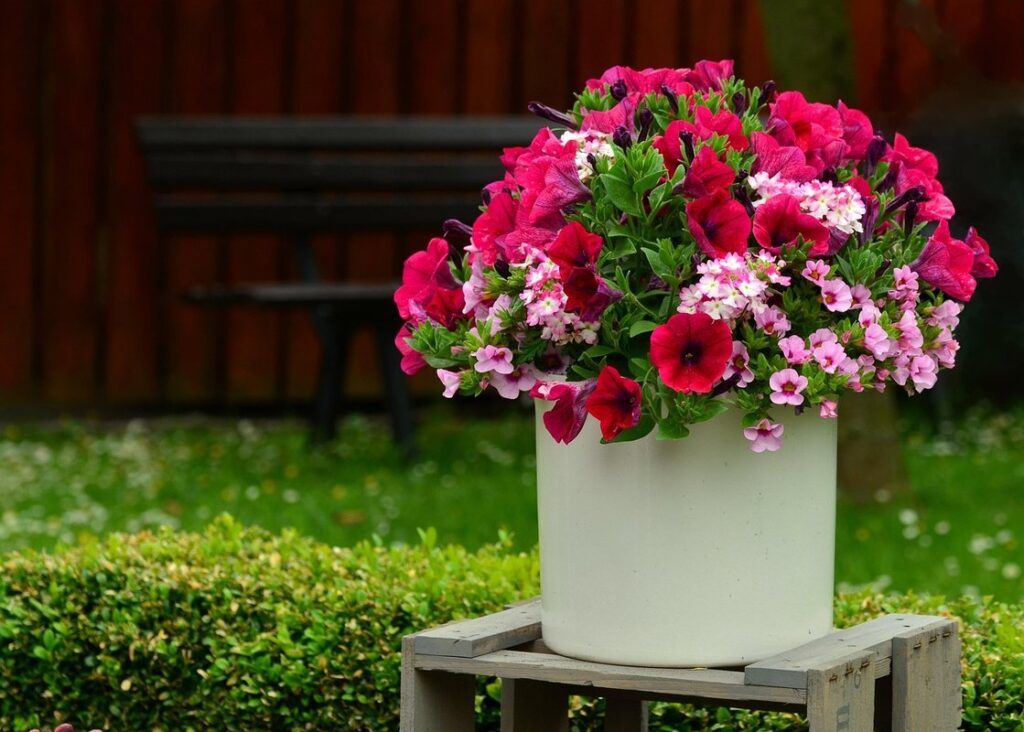
Choosing the Right Containers
When it comes to setting up your balcony garden, choosing the right containers is crucial for success. Let’s dive into what you need to consider when selecting the perfect pots and planters.
Selecting the Perfect Size and Material
When it comes to selecting the perfect size and material for your balcony containers, there are several factors to consider. First and foremost, think about drainage. A container with good drainage holes will ensure that excess water doesn’t accumulate and cause roots to rot. Look for containers with built-in drainage systems or drill a few holes in the bottom of the pot if you can’t find one with pre-drilled holes.
Another crucial factor is weight capacity. Make sure your balcony can support the weight of the container, especially when it’s filled with soil and plants. A good rule of thumb is to check the manufacturer’s recommendations for the maximum load per square inch. For example, a 5-gallon bucket might weigh around 20-25 pounds when full.
In addition to functionality, consider the aesthetic appeal of your containers. Choose materials that complement your balcony decor and add visual interest to your space. For instance, terracotta pots can add warmth and rustic charm, while modern plastic or metal containers can provide a sleek, minimalist look.
Considering Budget-Friendly Options
When it comes to container gardening on your balcony, it’s easy to get caught up in the excitement of choosing the perfect pots and plants. However, let’s face it – it can be pricey! But don’t worry, there are plenty of budget-friendly options out there that won’t break the bank.
One great way to save money is by repurposing items you already have at home. Think old plastic bottles, tin cans, or wooden crates. With a little creativity and some DIY know-how, you can turn these humble objects into beautiful planters. For example, cut the bottom off an old plastic bottle, add some drainage holes, and voila! You’ve got a self-watering planter for your herbs.
You can also scour second-hand stores or thrift shops for unique, affordable containers. Not only will you be reducing waste, but you’ll also be adding a touch of character to your balcony garden. Brands like IKEA and Wilko offer budget-friendly options too – their plastic pots are durable, easy to clean, and won’t dent your wallet.
By exploring these options, you can create a stunning container garden without breaking the bank. And remember, it’s not just about how much money you spend – it’s about creating a beautiful space that brings you joy!
Plant Selection and Preparation
When it comes to creating a thriving balcony container garden, selecting the right plants is crucial. In this next step, we’ll guide you through choosing and preparing your perfect plants.
Hardy Plants for Small Balconies
When it comes to growing plants on small balconies, choosing the right varieties is crucial. You want plants that can thrive in confined spaces and tolerate unpredictable weather conditions like wind, rain, or extreme temperatures.
Consider compact herb gardens like thyme, rosemary, or oregano, which are perfect for small balconies. They require minimal maintenance, can be pruned to fit tight spaces, and come back year after year. For flowering plants, opt for dwarf varieties of petunias, begonias, or geraniums that bloom profusely despite harsh weather conditions.
If you’re looking for low-maintenance options, succulents like aloe vera, echeveria, or crassula are excellent choices. They store water in their leaves and stems, making them drought-tolerant and able to withstand temperature fluctuations. For a lush look without the fuss, try compact shrubs like boxwood or dwarf lilac.
Remember to choose plants that fit your balcony’s specific conditions, such as wind exposure or sunlight levels. Research each plant’s requirements before selecting it for your space. By choosing hardy, compact varieties, you can create a beautiful and thriving container garden on even the smallest of balconies.
Soil and Fertilizer Essentials
When it comes to balcony container gardening, choosing the right potting soil and fertilizers is crucial for your plants’ health and success. Unlike garden beds, containers don’t have a deep root system to access nutrients from the surrounding soil, so you need to provide them with the necessary nutrients through high-quality potting mixes.
Opt for a well-draining potting mix specifically designed for container gardens. Avoid using regular garden soil as it can compact in containers and prevent proper drainage. Some popular options include Miracle-Gro Potting Mix, Black Kow All Purpose Potting Soil, or Espoma Organic Potting Mix.
Before planting, prepare your containers by adding a 1-2 inch layer of fresh potting mix at the bottom. This helps with drainage and prevents waterlogged soil. You can also consider adding a fertilizer specifically designed for container gardens. Look for fertilizers that release nutrients slowly over time to promote healthy plant growth. Some popular options include Osmocote Smart Release Plant Food or Scotts Osmocote 14-14-14 Professional Plant Food.
Balcony Gardening Techniques
To create a thriving balcony garden, you’ll want to master various techniques that ensure your containers receive the right amount of light and nutrients. Let’s dive into some expert-approved methods!
Understanding Sunlight and Shading
When it comes to balcony container gardening, understanding sunlight and shading is crucial for selecting the right plants and ensuring their optimal growth. Start by observing the sunlight patterns on your balcony throughout the day. Take note of when direct sunlight hits your space, as well as when it’s shaded or partially lit.
Direct sunlight can be beneficial for most plants, especially those that require high light conditions like tomatoes, peppers, and citrus trees. However, some plants may suffer from scorched leaves or become leggy if exposed to too much direct sunlight. Partial shade, on the other hand, is ideal for plants like ferns, impatiens, and coleus, which prefer filtered light.
To determine the correct placement of your plants, consider their specific lighting needs. For example, if you have a plant that requires full shade, choose a spot that receives no direct sunlight, such as an area under a balcony railing or a corner away from windows. Conversely, if you’re growing a sun-loving plant, position it in a spot where it can receive unobstructed sunlight for at least six hours a day.
Some plants can tolerate different levels of light, so don’t be afraid to experiment and find the optimal placement for your balcony garden.
Watering and Irrigation Systems
Watering and irrigation systems are crucial components of balcony container gardening. The right watering technique can make all the difference between a thriving garden and one that’s struggling to survive.
Manual irrigation systems involve manually checking the soil moisture daily, usually by sticking your finger into the soil or using a moisture meter. This method requires regular maintenance but is effective for small gardens with simple water needs. However, it can be time-consuming and may not work well in areas with fluctuating weather conditions.
Self-watering pots are another option that minimizes watering frequency. These pots have built-in water reservoirs that release water as needed, reducing the need for daily watering. This is ideal for busy gardeners or those who tend to forget to water their plants regularly.
Drip irrigation methods involve delivering water directly to the roots of the plant through a network of tiny tubes and emitters. This method is efficient and reduces evaporation, making it an excellent choice for balcony gardens with limited space.
For example, using drip irrigation can reduce water consumption by up to 50% compared to traditional watering methods. It’s also gentler on plants, as it delivers water exactly where it’s needed, reducing the risk of overwatering and root rot.
Balcony Gardening Challenges and Solutions
When it comes to balcony container gardening, we all encounter common obstacles that can hinder our success. Let’s tackle these challenges together and explore practical solutions to keep your garden thriving.
Overcoming Wind and Weather Extremes
When it comes to balcony container gardening, one of the biggest challenges you’ll face is dealing with harsh weather conditions. Strong winds, heavy rain, and extreme temperatures can all take a toll on your plants, not to mention the containers themselves.
To protect your balcony garden from wind damage, consider using weights or anchors to secure your pots in place. You can also use wind-resistant planters that are designed specifically for windy areas. For example, terra cotta pots are less likely to be blown over by strong gusts than plastic or fiberglass ones.
In terms of heavy rain, look into using a waterproof or water-resistant liner inside your containers to prevent waterlogged soil. You can also add a layer of mulch or straw on top of the soil to help absorb excess moisture and prevent erosion. As for extreme temperatures, be sure to choose plants that are tolerant of heat or cold, depending on your climate. Keep an eye out for frost warnings during winter months, and bring sensitive plants indoors if necessary.
Managing Pests and Diseases
Managing pests and diseases is an inevitable part of balcony container gardening. As your plants grow and thrive, they can attract unwanted visitors like aphids, whiteflies, and spider mites. These pests can suck the sap from leaves and stems, causing damage and stunted growth.
To manage pest infestations, try using neem oil or insecticidal soap as a first line of defense. For more severe cases, introduce beneficial insects like ladybugs or lacewings that prey on these pests. Avoid using chemical pesticides, which can harm your plants, pets, and the environment.
Diseases like powdery mildew and root rot are also common in balcony container gardens. To prevent these issues, ensure good air circulation around your plants, water carefully to avoid overwatering, and provide enough light. For infected plants, remove affected areas, improve drainage, and treat with a fungicide specifically designed for containers.
Monitor your plants regularly for signs of pests or diseases, and take action promptly to prevent infestations from spreading. By using integrated pest management strategies and organic methods, you can create a balanced ecosystem on your balcony that promotes healthy plant growth.
Maintenance and Upkeep
Now that you’ve set up your beautiful balcony garden, it’s time to focus on keeping it thriving through regular maintenance and upkeep tasks. This includes watering schedules, pruning techniques, and pest control measures.
Regular Care and Pruning
Regular maintenance is crucial for keeping your balcony garden thriving. Pruning, fertilizing, and repotting are essential tasks that help promote healthy growth and ensure the longevity of your plants. By incorporating these tasks into your routine, you can prevent pests and diseases from taking hold, maintain plant shape and size, and encourage new growth.
Prune your plants regularly to remove dead or dying leaves, stems, and flowers. This not only improves their appearance but also promotes healthy growth by redirecting energy towards the growing tips. For example, prune rosemary plants every two weeks during the growing season to control their height and encourage bushy growth. When pruning, always use clean, sharp tools to prevent spreading diseases.
Fertilize your balcony garden with a balanced fertilizer that contains essential nutrients such as nitrogen, phosphorus, and potassium. Water-soluble fertilizers are ideal for container gardens, as they provide an instant boost of nutrients. Use a fertilizer specifically formulated for the type of plants you’re growing, and follow the instructions carefully to avoid over-fertilizing.
Repot your plants every 6-12 months or when their roots become pot-bound. This gives them room to grow and prevents nutrient deficiencies caused by depleted soil. Choose a container that’s slightly larger than the original one, and use fresh potting mix to ensure optimal root growth.
Seasonal Preparation and Winterization
As the seasons change, it’s essential to prepare your balcony garden for the upcoming months. Winterization is crucial to protect your plants from frost damage and ensure they thrive when spring arrives. Start by reviewing your plant selection and deciding which ones can tolerate cold temperatures and which need protection.
For sensitive plants, bring them indoors or move containers to a sheltered location to shield them from harsh winds and extreme temperatures. Use breathable covers or sheeting to cover the top of the container, but avoid using plastic bags as they can trap moisture and cause more harm than good.
Next, prepare your containers by adding a layer of insulation such as bubble wrap or foam board around the base. This will help retain heat and prevent root damage from frost heave. Water your plants sparingly before winterizing to minimize the risk of root rot.
By following these simple steps, you’ll be able to enjoy a thriving balcony garden year-round, even in the harshest of winters. Remember to also fertilize your plants during the dormant season to promote healthy growth when spring arrives.
Frequently Asked Questions
Can I use any type of container for balcony gardening, or are there specific requirements?
While you can repurpose old containers, it’s essential to choose containers with good drainage holes to prevent waterlogged soil and root rot. Consider using containers made from breathable materials like terracotta or ceramic, as they allow for better airflow.
How often should I water my balcony plants, considering the unique microclimate of a balcony?
The frequency of watering depends on factors like plant type, size of container, temperature, humidity, and sunlight exposure. Generally, balcony plants require more frequent watering due to wind and extreme temperatures. Start with checking the soil moisture by sticking your finger into the soil up to the knuckle; if it feels dry, it’s time to water.
Can I use regular potting mix for my balcony containers, or do I need a specialized mix?
While you can use regular potting mix, a specialized balcony potting mix can be beneficial. These mixes are designed to retain moisture but also drain excess water quickly, reducing the risk of overwatering and root rot.
How do I protect my plants from pests like aphids, whiteflies, and spider mites on my balcony?
Inspect your plants regularly for signs of pests. Use neem oil or insecticidal soap to control infestations. Regularly clean your containers with a mild detergent, and ensure good air circulation around your plants.
What are some essential tools I need to maintain my balcony garden effectively?
In addition to basic gardening tools like gloves, trowel, and pruners, consider investing in a watering can or soaker hose for efficient watering. A plant label maker and a small ladder or step stool can also be helpful for reaching high containers.